Coron Island Lagoons: Exploring Palawan's Most Stunning Waterscapes

Coron Island Lagoons: Exploring Palawan's Most Stunning Waterscapes

Last updated: March 19, 2026

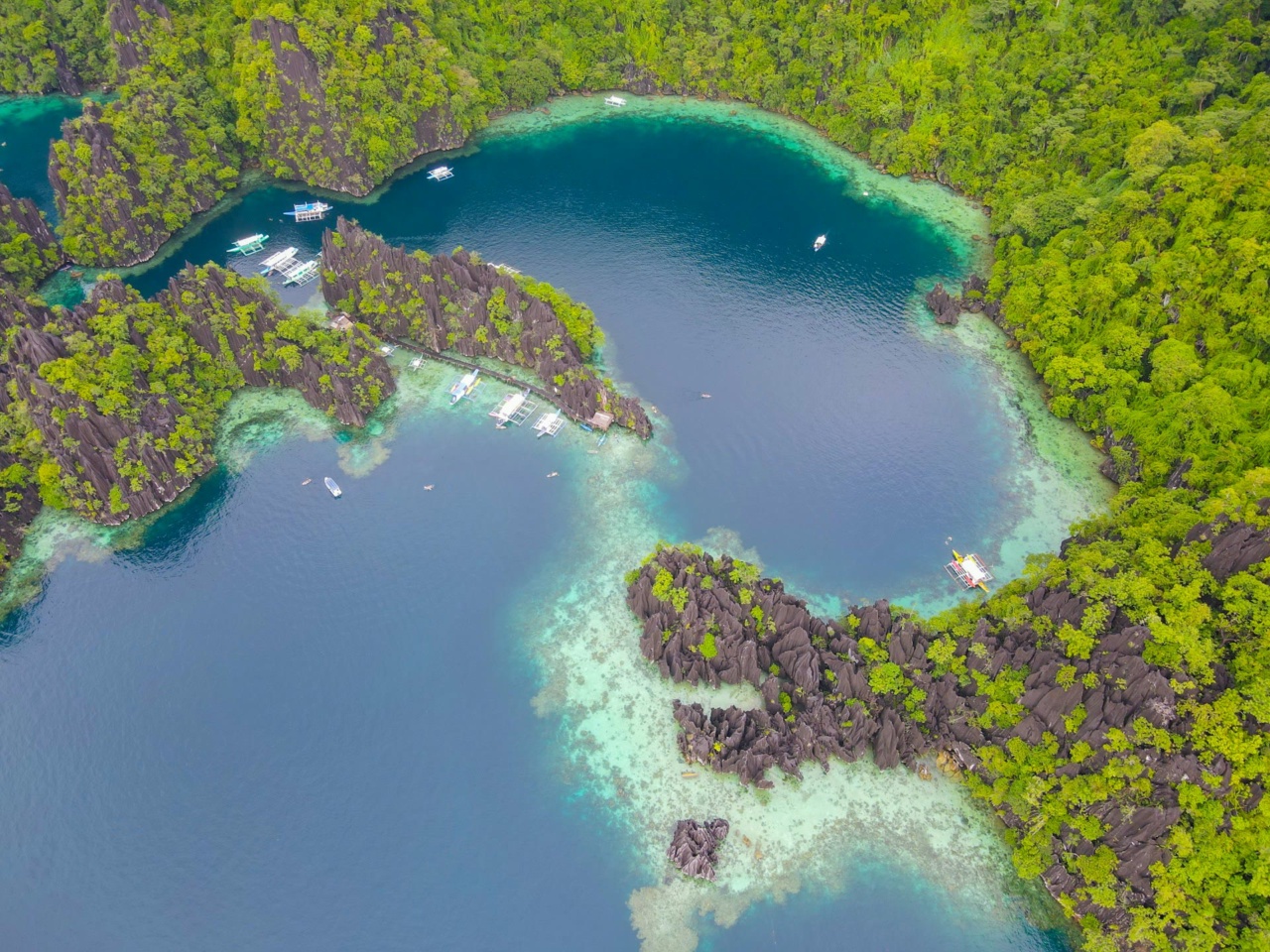
Coron sits at the northern tip of Palawan province in the Philippines, and its lagoons rank among the most photographed natural wonders in Southeast Asia. The combination of towering limestone karst formations, impossibly clear water that shifts between emerald and turquoise, and thriving coral reefs makes Coron a destination that genuinely lives up to the hype.

What sets Coron apart from other Philippine island destinations is the sheer concentration of world-class sites within a small area. Kayangan Lake, Twin Lagoon, Barracuda Lake, and the coral gardens of Siete Pecados are all reachable within a single day of island hopping. Most travelers base themselves in Coron town on Busuanga Island and take boat tours to the surrounding islands, lagoons, and reefs. The logistics are straightforward, the costs are reasonable, and the natural beauty is extraordinary.

This guide breaks down the must-see lagoons and lakes, explains how the tour system works, and shares practical tips for making the most of your time in Coron.

The Must-See Lagoons and Lakes

Kayangan Lake

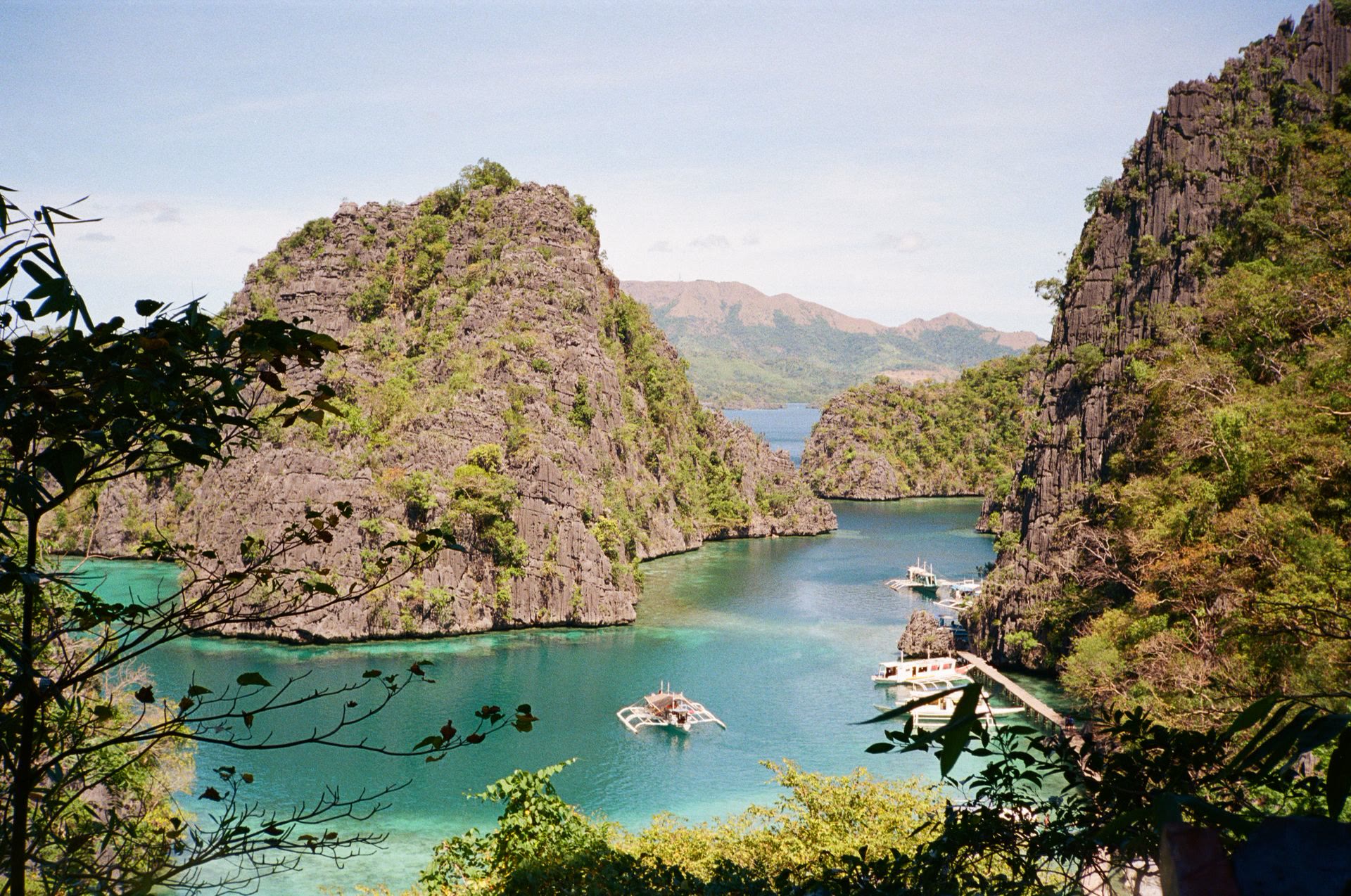
Often called the cleanest lake in the Philippines, Kayangan Lake is Coron's signature attraction. Reaching it requires a short but steep climb up roughly 170 limestone steps from the boat dock. The viewpoint at the top offers the iconic panorama of turquoise water framed by jagged karst cliffs - this is the image that appears on nearly every Coron promotional material.

The lake itself sits in a natural basin surrounded by limestone walls. The water is startlingly clear, with visibility extending several meters down to the rocky bottom. Swimming here feels almost surreal, with the warm water and towering cliffs creating a natural amphitheater. Snorkeling reveals interesting rock formations beneath the surface, though there is limited marine life compared to open-water sites.

Twin Lagoon

Twin Lagoon consists of two connected bodies of water separated by a limestone rock wall. You can swim through a small opening in the rock at low tide or climb a wooden ladder over the wall at high tide to reach the inner lagoon. The outer lagoon has cooler saltwater while the inner lagoon is warmer, creating a noticeable temperature difference as you swim between them.

The inner lagoon is the highlight, surrounded on all sides by towering karst cliffs covered in vegetation. The water is deep and a striking shade of green. Swimming here in the morning light, with the cliffs reflected in the still water, is one of the most memorable experiences in Coron. The Tagbanua indigenous community manages the lagoon and charges an entrance fee that supports conservation and maintenance.

Barracuda Lake

Named after a large barracuda skeleton discovered at its bottom, Barracuda Lake is Coron's most unusual body of water. The lake features a dramatic thermocline - layers of water at drastically different temperatures. You might be swimming in comfortable water at the surface, then suddenly hit a pocket of near-hot-spring warmth as you dive deeper. The underwater landscape includes dramatic rock formations, submerged limestone peaks, and eerie visibility that makes it a favorite among freedivers and scuba divers.

Swimming is the main activity here, as the marine life is minimal. The experience is more about the otherworldly atmosphere - crystal-clear warm water surrounded by razor-sharp limestone cliffs rising straight from the surface. The short hike from the boat dock involves clambering over rocks, so wear shoes with grip.

Siete Pecados Marine Park

Seven small limestone islets just off Coron town form Siete Pecados (Seven Sins), one of the best snorkeling sites in the Philippines. The coral reefs here are healthy and teeming with tropical fish, sea urchins, giant clams, and occasionally sea turtles. The shallow water between the islets makes it accessible even for beginner snorkelers.

Because of its proximity to town, Siete Pecados is usually the first or last stop on island-hopping tours. The best snorkeling is around the outer edges of the islets where the coral is most diverse. A small environmental fee applies, and boats anchor outside the reef to prevent damage.

Things to Do

How Island-Hopping Tours Work

Almost everyone explores Coron's lagoons through organized island-hopping tours. These are affordable, well-organized, and the easiest way to see multiple sites in a day.

Group Tours

The most budget-friendly option. Standard group tours carry 15 to 25 passengers on a traditional Filipino bangka (outrigger boat) and visit 4 to 5 sites in a day. A typical itinerary includes Kayangan Lake, Twin Lagoon, Siete Pecados, and one or two beach stops. Tours run from approximately 8:00 AM to 4:00 PM and include a buffet lunch served on the boat or at a beach stop.

Tour TypeTypical PriceIncludes
Coron Island Tour (group)PHP 1,500 - 1,800 ($27 - $32)Kayangan, Twin Lagoon, Siete Pecados, lunch, snorkeling gear
Ultimate Tour (group)PHP 1,800 - 2,200 ($32 - $39)All major sites plus Barracuda Lake, additional stops
Private Boat (full day)PHP 5,000 - 8,000 ($89 - $143)Custom itinerary, flexible timing, lunch, gear

Private Boat Tours

For groups of 4 or more, chartering a private bangka is surprisingly affordable and offers significant advantages. You control the schedule, meaning you can arrive at popular spots before or after the group tour crowds. A private boat for 4 to 6 people costs PHP 5,000 to 8,000 for a full day including a boatman, fuel, and basic lunch. Your hotel or any tour operator in town can arrange this.

Entrance and Environmental Fees

Each lagoon and lake charges separate entrance fees, which are typically not included in the tour price. Budget an additional PHP 200 to 400 per site. These fees support the Tagbanua community and conservation efforts. Bring enough cash, as there are no ATMs on the islands.

Getting to Coron

By Air

Flights from Manila to Busuanga Airport (Francisco B. Reyes Airport) take about one hour. Cebu Pacific and Philippine Airlines operate daily flights, with fares starting around PHP 2,000 to 5,000 one way depending on how far in advance you book. From the airport, a van transfer to Coron town takes about 30 to 40 minutes and costs PHP 150 to 200 per person.

By Ferry

2GO Travel operates an overnight ferry from Manila to Coron, departing in the late afternoon and arriving the next morning after roughly 13 hours. Fares range from PHP 1,500 for basic accommodation to PHP 5,000 for a private cabin. The ferry is a budget option and an adventure in itself, but the long journey means you lose a day of exploration. For more route options and connections across the Philippines, check GoAsia.cc.

From El Nido

Fast ferries connect El Nido to Coron in about 3.5 to 4 hours. Several operators run this route daily during peak season, with fares around PHP 1,800 to 2,500. The journey crosses open sea and can be rough during monsoon season, so take motion sickness precautions if needed.

Best Time to Visit Coron

The dry season from December to May offers the best conditions, with calm seas, clear skies, and excellent underwater visibility. January to April is peak season with the highest prices and most tourists, but also the most reliable weather.

The wet season from June to November brings lower prices and fewer crowds, but afternoon rain showers are common and rough seas can cancel boat tours. September and October tend to be the wettest months. If you visit during shoulder season (November or June), you often get decent weather at lower prices.

Where to Stay in Coron

Coron town on Busuanga Island is the base for all lagoon tours. Accommodation ranges from budget hostels to beachfront resorts:

  • Budget (PHP 500 - 1,500/night): Dorm beds and basic fan rooms in the town center. Convenient for restaurants and tour booking but expect simple facilities.
  • Mid-range (PHP 2,000 - 5,000/night): Air-conditioned rooms with private bathrooms, often with rooftop pools or lagoon views. Best value for comfort and location.
  • Upscale (PHP 6,000 - 15,000/night): Beachfront resorts on nearby islands or along the coast. Some include private boat access and dive facilities.

Stay at least three nights to explore the lagoons, lakes, and reefs without rushing. Many travelers spend four or five nights to also fit in wreck diving, firefly tours, and hot springs visits.

Tips for Exploring Coron's Lagoons

  • Go early. Group tours all leave around the same time, creating crowds at popular sites between 10:00 AM and 2:00 PM. A private boat departing at 7:00 AM lets you enjoy Kayangan Lake or Twin Lagoon nearly empty.
  • Bring reef-safe sunscreen. Regular sunscreen damages the coral reefs and several sites are starting to enforce reef-safe products. Apply before getting on the boat, not at the site.
  • Wear aqua shoes. The limestone around Kayangan Lake, Barracuda Lake, and Twin Lagoon is razor-sharp. Aqua shoes or reef shoes with good grip prevent painful cuts and make the rocky trails much safer.
  • Bring waterproof bags. Your phone, wallet, and camera need protection on the bangka. Waves occasionally splash over the sides, and getting on and off the boat in shallow water requires wading.
  • Carry cash. Entrance fees at each site are cash only. ATMs in Coron town occasionally run out of cash during peak season, so withdraw enough for your entire stay when you arrive.
  • Snorkel gear quality matters. Tour-provided masks are often ill-fitting and foggy. Bringing your own mask and snorkel dramatically improves the experience at Siete Pecados and other reef sites.
  • Skip the crowd favorites on weekends. If you have flexibility, do the most popular tours on weekdays. Local weekend tourists from Manila add to the numbers at Kayangan and Twin Lagoon on Saturdays.
  • Book diving separately. Coron has world-class wreck diving with sunken Japanese warships from World War II. These are separate from the lagoon tours and require a licensed dive operator. Even a single discovery dive is worth it if you have never tried.

Frequently Asked Questions

What are the best lagoons to visit in Coron?

Kayangan Lake, Twin Lagoon, and Barracuda Lake are the three standout sites. Kayangan Lake has the clearest water and the most iconic viewpoint, Twin Lagoon offers the unique experience of swimming between two connected bodies of water, and Barracuda Lake has fascinating temperature layers. Most island-hopping tours combine these with Siete Pecados for snorkeling.

How much does an island-hopping tour in Coron cost?

Group tours covering the main lagoons and lakes cost PHP 1,500 to 2,200 (roughly $27 to $39) per person including lunch and snorkeling gear. Entrance fees at each site add another PHP 200 to 400 per stop and are usually not included. A private boat for a group costs PHP 5,000 to 8,000 for the full day.

How do I get to Coron from Manila?

The fastest option is a one-hour flight to Busuanga Airport, with daily services from Cebu Pacific and Philippine Airlines. Fares start around PHP 2,000 one way if booked in advance. An overnight ferry with 2GO Travel takes about 13 hours and costs PHP 1,500 to 5,000 depending on accommodation class.

Do I need to know how to swim to visit Coron's lagoons?

Basic swimming ability helps, but life jackets are provided on all tours and are mandatory at most sites. You can enjoy the scenery and float comfortably with a life jacket at Kayangan Lake and Twin Lagoon. Snorkeling at Siete Pecados is done in shallow water where you can stand in some areas.

When is the best time to visit Coron?

December to May is the dry season with calm seas and clear visibility, making it ideal for lagoon tours and snorkeling. Peak tourist season runs from January to April. The wet season from June to November brings lower prices but rough seas can cancel boat tours, especially in September and October.

Can I visit Coron and El Nido in one trip?

Absolutely. Fast ferries connect Coron and El Nido in about 3.5 to 4 hours, with daily departures during peak season. Most travelers spend 3 to 4 nights in each destination. The ferry costs around PHP 1,800 to 2,500 and the open-sea crossing can be rough, so bring motion sickness medication.

Is Coron good for diving?

Coron is one of the best wreck diving destinations in Asia. Several Japanese warships sunk during World War II lie in accessible depths around the islands. Wreck dives are separate from lagoon tours and run by licensed dive operators in town. Discovery dives for beginners and multi-dive packages for certified divers are both available.

How many days should I spend in Coron?

Three nights is the minimum to comfortably explore the main lagoons, lakes, and reefs. Four to five nights allows you to add wreck diving, the hot springs at Maquinit, a firefly tour, and a more relaxed pace. Spending just one or two nights means cramming too many sites into limited time.