
El Nido
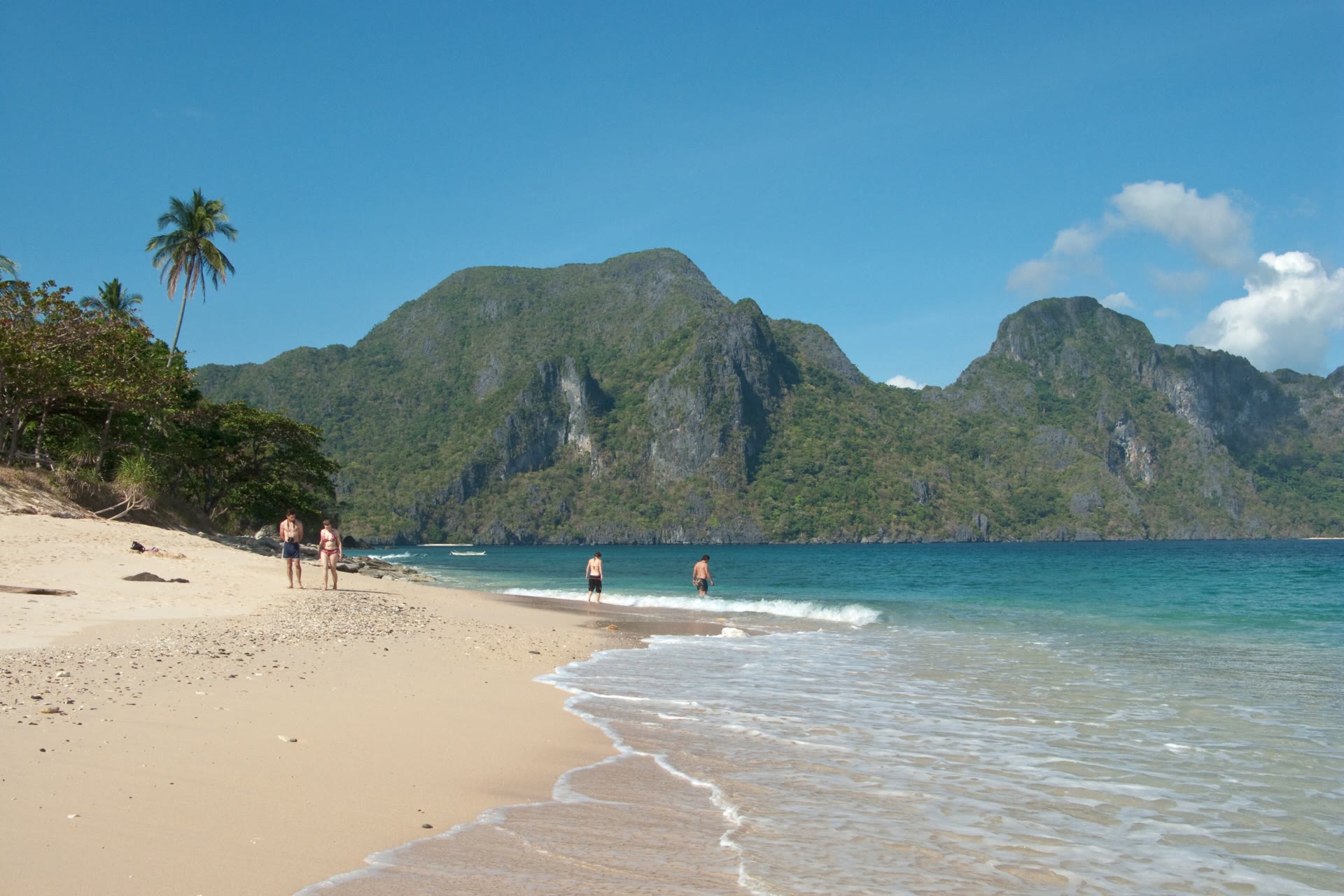
El Nido is the gateway to the Bacuit Archipelago, a maze of limestone karst islands, hidden lagoons, and white-sand beaches that regularly tops lists of the world's most beautiful seascapes.
Last updated: October 15, 2026
When to go
Climate and best time for El NidoBest months: January to April
- January: Great. 30 °C by day, 23 °C at night, 22 mm of rain
- February: Great. 30 °C by day, 23 °C at night, 20 mm of rain
- March: Great. 31 °C by day, 24 °C at night, 16 mm of rain
- April: Great. 32 °C by day, 25 °C at night, 44 mm of rain
- May: Good (a lot of rain). 32 °C by day, 25 °C at night, 198 mm of rain
- June: Mixed (a lot of rain). 31 °C by day, 24 °C at night, 287 mm of rain
- July: Poor (a lot of rain). 30 °C by day, 24 °C at night, 498 mm of rain
- August: Poor (a lot of rain). 30 °C by day, 24 °C at night, 421 mm of rain
- September: Poor (a lot of rain). 30 °C by day, 24 °C at night, 419 mm of rain
- October: Mixed (a lot of rain). 30 °C by day, 24 °C at night, 244 mm of rain
- November: Mixed (a lot of rain and typhoon risk). 30 °C by day, 24 °C at night, 183 mm of rain
- December: Good (typhoon risk). 30 °C by day, 23 °C at night, 122 mm of rain
- Great
- Good
- Mixed
- Poor
Contents
- 1. Orientation and Neighborhoods
- 1.1 El Nido Town Proper (Poblacion)
- 1.2 Corong-Corong
- 1.3 Nacpan and the Northern Beaches
- 1.4 Lio Estate
- 2. Best Time to Visit
- 3. Getting There and Getting Around
- 3.1 Getting to El Nido
- 3.2 Getting Around
- 4. Top Sights and Experiences
- 4.1 Must-See: Island-Hopping Tours
- 4.2 Must-See: Nacpan Beach
- 4.3 Must-See: Taraw Cliff
- 4.4 Lesser-Known: Duli Beach
- 4.5 Lesser-Known: Marimegmeg Beach (Las Cabanas)
- 4.6 Lesser-Known: Diving
- 4.7 Overrated: Seven Commandos Beach
- 4.8 Overrated: The Town Beach at Sunset
- 4.9 Overrated: Canopy Walk at Lio
- 5. Food and Drink
- 5.1 Signature Dishes
- 5.2 Where to Eat
- 5.3 Price Ranges
- 6. Where to Stay
- 6.1 Budget (Under $25 per night)
- 6.2 Mid-Range ($25-80 per night)
- 6.3 Upscale ($80-300+ per night)
- 7. Practical Tips
- 8. Day Trips
- 8.1 Nacpan Beach
- 8.2 Port Barton
- 8.3 Taytay
- 8.4 Secret Paradise Resort and Falls
- 8.5 Boat Trip to Coron
- 9. Sample 3-Day Itinerary
- 9.1 Day 1: Tour A and Town Exploration
- 9.2 Day 2: Tour C and Sunset at Marimegmeg
- 9.3 Day 3: Nacpan Beach and Taraw Cliff
- 10. Budget Overview
- 11. Frequently Asked Questions
Limestone cliffs erupt vertically from turquoise water, their jagged silhouettes framing hidden lagoons you can only reach by kayak. That first glimpse of the Bacuit Archipelago from a bangka boat is the moment most travelers realize El Nido lives up to the hype. Tucked into the northern tip of Palawan, this small beach town has evolved from a backpacker secret into one of Southeast Asia's most sought-after destinations, yet it retains a scrappy, frontier-town energy that bigger Philippine resort areas lost long ago.
El Nido rewards those who look beyond the standard island-hopping tours. Rent a motorbike and find deserted beaches along the coast road. Dive the coral gardens off Miniloc Island at sunrise before the crowds arrive. Hike to Taraw Cliff for a panoramic view that will make your palms sweat. The town itself is compact and walkable, with a growing food scene that has graduated from pure backpacker fare to genuinely good restaurants serving fresh seafood and Filipino-fusion dishes.
That said, El Nido is not a polished destination. Power outages still happen, the main road floods during heavy rain, waste management is an ongoing challenge, and the single-lane approach road from the south can turn a 5-hour drive into 7. Come with the right expectations and a sense of adventure, and you will be rewarded with some of the most spectacular island scenery anywhere on the planet.
Orientation and Neighborhoods
El Nido is a small town, and most of what you need sits along a few streets running parallel to the beach. Understanding the layout takes about ten minutes of walking, but knowing the distinct areas helps you choose where to stay and eat.
El Nido Town Proper (Poblacion)
This is the main hub, clustered along the beachfront road (Calle Hama and Calle Real). Here you will find the highest concentration of restaurants, tour operators, dive shops, ATMs, and budget to mid-range accommodation. The beach itself is functional rather than beautiful, lined with bangka boats, but it is the launch point for all island-hopping tours. Expect noise from bars and tricycles, especially on weekends.
Corong-Corong
About 2 kilometers south of town proper, Corong-Corong is quieter and slightly cheaper. It has its own beachfront strip with restaurants and guesthouses, and the sunset views over the bay are arguably better than in town. You can easily reach the center by tricycle (around $0.50-1) or a 20-minute walk along the road. This is a good base if you want a calmer atmosphere without being isolated.
Nacpan and the Northern Beaches
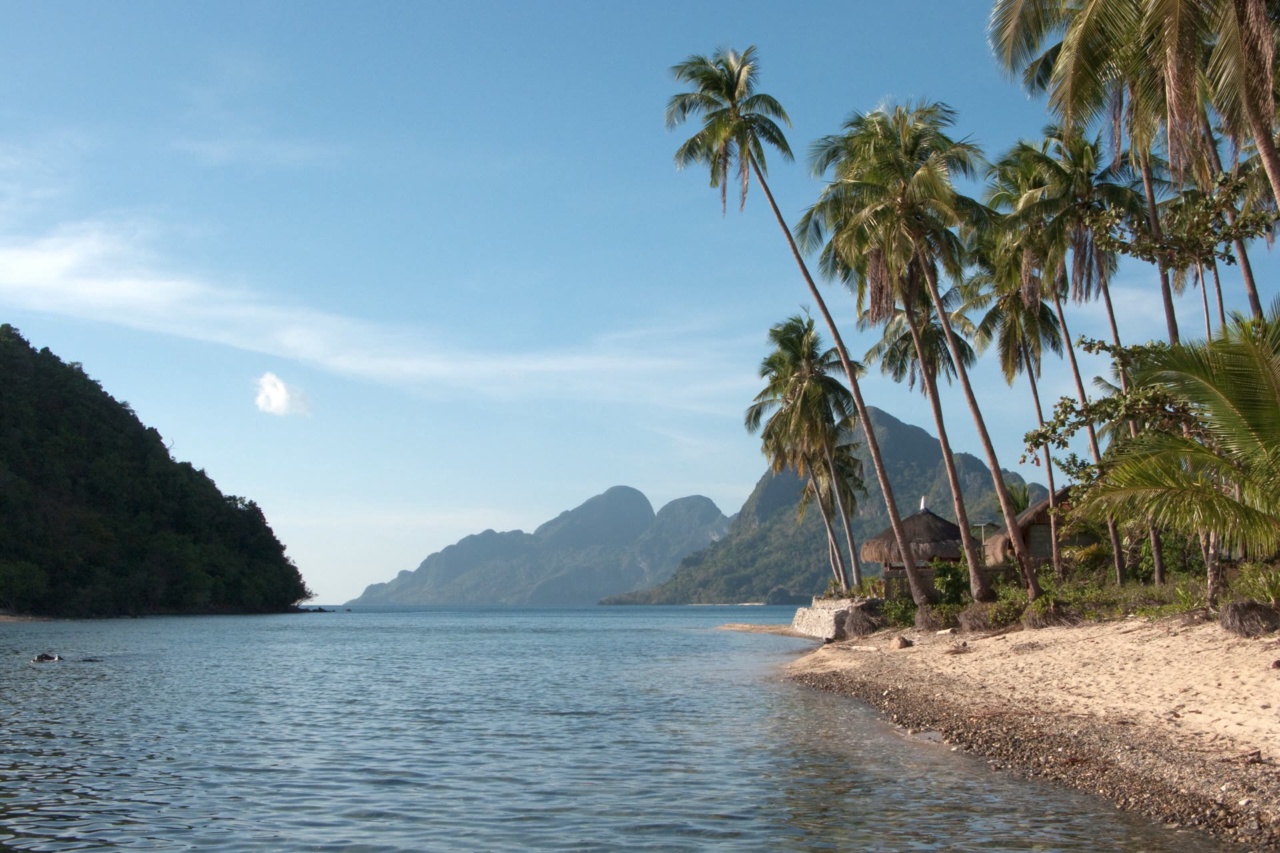
Nacpan Beach is about 45 minutes north of town by motorbike on a partly paved, partly rough road. A few boutique resorts and beachfront huts have popped up here for travelers who want to be away from everything. The trade-off is that you will need your own transport and will miss the convenience of town restaurants and tour departures.
Lio Estate
Located near the airport, about 15 minutes north of town, Lio is a planned tourism estate with a curated strip of restaurants, a long sandy beach, and mid-range to upscale resorts. It feels manicured compared to the town's rawness. Good for couples or families wanting comfort, but it can feel disconnected from the real El Nido experience.
Things to Do
Offers are only loaded from GetYourGuide after you click. GetYourGuide can then process your IP address and set cookies. Privacy Policy
GetYourGuide partner offers. GoAsia may earn a commission if you book through these offers. Check whether tickets or transfers are included, and follow the attraction's official booking and admission rules.
Best Time to Visit
El Nido has a tropical climate with two distinct seasons. Getting the timing right significantly affects your experience, particularly because rough seas can cancel boat tours entirely.
| Season | Months | Weather | Crowds | Prices |
|---|---|---|---|---|
| Dry (Peak) | Dec - Mar | Sunny, calm seas, low humidity | High | Highest |
| Dry (Shoulder) | Nov, Apr - May | Mostly sunny, occasional showers, warm | Moderate | Moderate |
| Wet (Low) | Jun - Oct | Frequent rain, rough seas, high humidity | Low | Lowest |
January through March is the sweet spot: clear skies, calm waters, and ideal snorkeling visibility. The downside is that popular lagoons like Big Lagoon and Small Lagoon can feel crowded with dozens of boats. November and April offer a good compromise with mostly clear weather and noticeably fewer tourists.
The wet season from June through October brings heavy afternoon downpours and swells that can shut down island-hopping tours for days. Accommodation prices drop significantly, and you may have beaches to yourself on calm days, but it is a gamble. Typhoons occasionally affect northern Palawan between August and November, so monitor weather forecasts closely if visiting during this period.
The Pista ng El Nido festival, typically held in February, features boat races, cultural performances, and street food. It is a fun window into local culture if your dates align.
Getting There and Getting Around
Getting to El Nido
There are two main ways to reach El Nido. The most common is flying into Puerto Princesa (PPS), Palawan's capital, and then taking an overland van or bus. The journey covers roughly 230 kilometers and takes 5 to 6 hours on a winding but mostly paved road. Air-conditioned vans cost around $8-12 per person and depart from the San Jose terminal throughout the morning. Book your seat the day before during peak season.
The faster option is flying directly into El Nido's Lio Airport (ENI) from Manila. A couple of airlines operate small turboprop flights that take about an hour. Tickets typically cost $80-150 one way and sell out quickly in peak season. The airport is a 15-minute tricycle ride from town. For more details on transport options and schedules, GoAsia.cc has comprehensive route information.
Getting Around
El Nido town is small enough to walk everywhere. The main strip is barely a kilometer long. For trips to Corong-Corong, Nacpan, or Lio, your options are tricycles and motorbikes.
- Tricycles: The local transport workhorse. Short trips within town cost around $0.30-0.50. To Corong-Corong, expect roughly $1. Always agree on the fare before getting in.
- Motorbike rental: The best way to explore independently. Daily rentals run around $8-12 for a scooter. Roads outside town are rough and sometimes unpaved, so only rent if you are a confident rider. Helmets are legally required and usually provided.
- Bangka boats: For getting to islands and remote beaches, you will use traditional outrigger boats. These are booked through tour operators or arranged privately.
There is no Grab or ride-hailing service in El Nido. Taxis do not exist either. For airport transfers, your hotel can usually arrange a van or tricycle.
Top Sights and Experiences
Must-See: Island-Hopping Tours
The island-hopping tours are the reason you come to El Nido. Four standard tours (labeled A through D) are offered by virtually every operator in town, each visiting a different set of islands and lagoons. They typically run from around 9 AM to 4 PM and include a beach lunch of grilled fish and rice.
Tour A is the most popular and includes Big Lagoon, Small Lagoon, Secret Lagoon, and Shimizu Island. Big Lagoon is the iconic karst-framed waterway you see in every photo. Small Lagoon requires kayaking through a narrow rock opening into a hidden pool. This tour is spectacular but also the most crowded. Arrive early at the registration point to get on a boat that departs first. Tour A costs around $20-25 per person including lunch and the environmental fee.
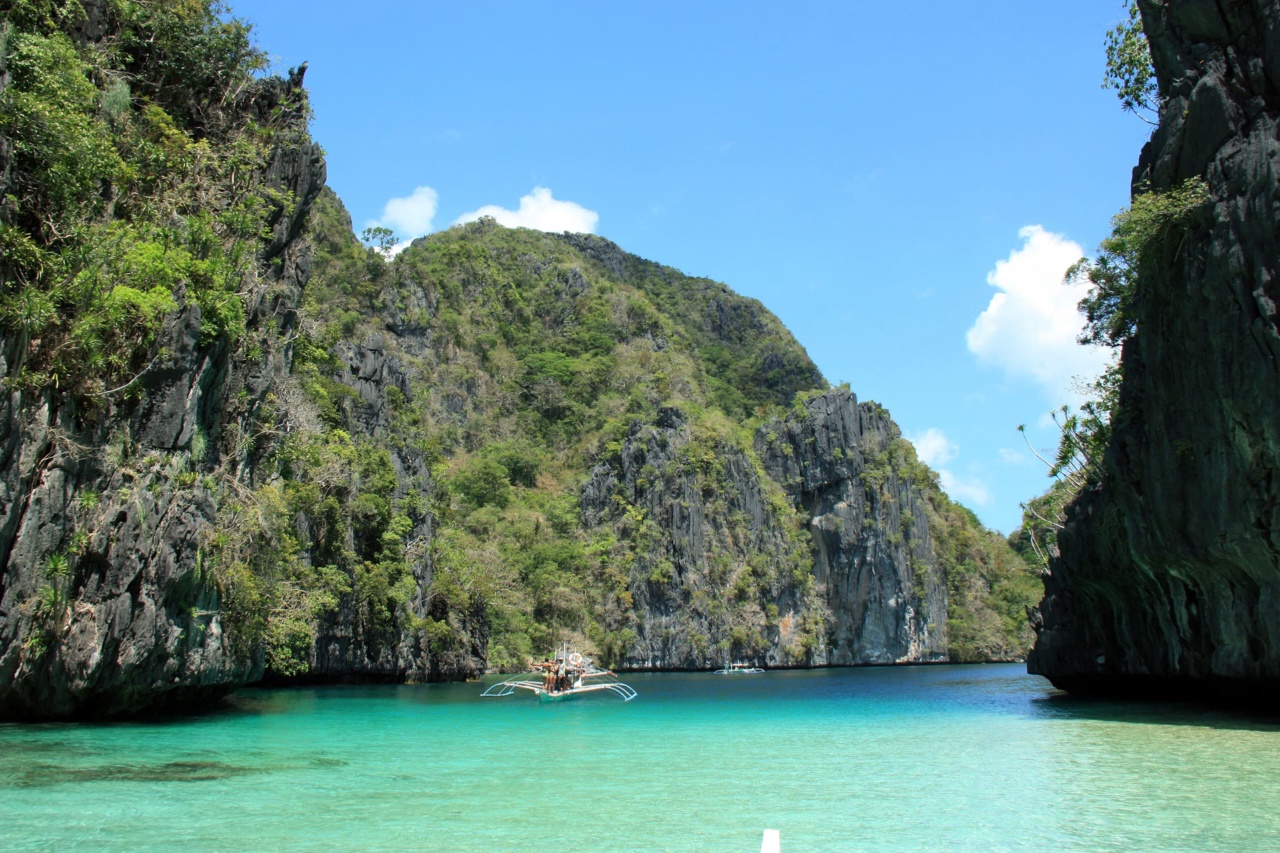
Tour C is many travelers' favorite. It visits Hidden Beach (a strip of sand enclosed by cliffs), Matinloc Shrine, Secret Beach (accessed by swimming through a hole in a limestone wall), and the stunning Helicopter Island. The snorkeling on Tour C tends to be better than Tour A. Expect to pay around $20-25.
Tour B heads to Pinagbuyutan Island, Entalula Beach, and Snake Island (named for its S-shaped sandbar, not actual snakes). It is slightly less dramatic than A or C but also less crowded. Around $18-22.
Tour D visits Cadlao Island and its surrounding beaches. It is the least popular of the four and often feels like a bonus tour for those with extra days. Around $18-22.
If you only have time for two tours, do A and C. Most operators charge similar prices, so shop around for boat quality and group size rather than the cheapest fare. Private boat charters are available for around $120-180 per day and let you set your own schedule, which is worth it for groups of four or more.
Must-See: Nacpan Beach
A 4-kilometer stretch of golden sand backed by coconut palms, Nacpan is the best long beach in the El Nido area. It faces west, making it ideal for sunset. The ride from town takes about 45 minutes by motorbike on a road that alternates between paved and rough gravel. There is a small entrance fee of around $0.50. Simple beach bars serve cold drinks and grilled food. Go on a weekday morning for the most peaceful experience.
Must-See: Taraw Cliff
This steep limestone scramble rewards you with a 360-degree panorama of the town, the bay, and the Bacuit Archipelago. The climb takes roughly 30-45 minutes and involves pulling yourself up jagged rocks using ropes. Wear proper shoes (not flip-flops), bring water, and go with a local guide (required, around $8-10). Start early in the morning to avoid the midday heat. This is not for anyone with a fear of heights or mobility issues, but the view from the top is extraordinary.
Lesser-Known: Duli Beach
About an hour north of town past Nacpan, Duli is a beautiful surf beach with a fraction of Nacpan's visitors. The waves here are suitable for beginners during the amihan season (northeast monsoon, roughly November to March). A few simple cottages offer overnight stays. The road is rough, so a motorbike with decent clearance is essential.
Lesser-Known: Marimegmeg Beach (Las Cabanas)
Just south of Corong-Corong, this beach has become El Nido's sunset-watching spot. A zipline runs from the hillside to a small island offshore (around $8-10). The beach bars here have a lively atmosphere in the late afternoon. It is no secret anymore, but it is still a more pleasant place to swim and relax than the town beach.
Lesser-Known: Diving
El Nido's diving is underrated compared to its island-hopping fame. Sites like South Miniloc, Dilumacad, and North Rock offer healthy coral walls, sea turtles, reef sharks, and excellent visibility during the dry season. A two-dive trip typically costs around $60-80 with equipment. Several PADI-certified dive shops operate in town. The diving here is not as world-class as Tubbataha or Apo Reef, but it is a solid complement to your island-hopping days.
Overrated: Seven Commandos Beach
Often included as a stop on Tour A, this beach has become heavily commercialized with rows of sun loungers and vendors. It is fine for a quick swim, but do not expect a secluded paradise. The other stops on Tour A are far more impressive.
Overrated: The Town Beach at Sunset
Many travelers park themselves on the town beachfront expecting a magical sunset. The view is decent, but the beach is cluttered with boats, and the water is not particularly inviting. Head to Marimegmeg or Corong-Corong instead for a far better sunset experience.
Overrated: Canopy Walk at Lio
A short elevated walkway through a mangrove area near the airport. It is pleasant enough but takes about 10 minutes and is not worth a special trip unless you are already staying at Lio Estate.
Food and Drink
El Nido's food scene has improved dramatically over the years. Fresh seafood is the star, and you can eat very well here if you know where to look.
Signature Dishes
| Dish | Description | Where to Try | Typical Price |
|---|---|---|---|
| Kinilaw | Filipino ceviche - raw fish cured in vinegar with chili, onion, and ginger | Seafood restaurants along the beachfront | Around $3-5 |
| Grilled Squid | Whole squid chargrilled over coals, served with soy-vinegar dip | Any grill restaurant in town | Around $3-5 |
| Sinigang na Hipon | Sour tamarind soup with prawns and vegetables | Local Filipino eateries (carinderias) | Around $2-4 |
| Adobo | The national dish - chicken or pork braised in vinegar, soy sauce, and garlic | Carinderias and Filipino restaurants | Around $2-3 |
| Fresh Seafood Platter | Mixed grilled fish, prawns, and shellfish, often sold by weight | Beachfront seafood restaurants | Around $10-20 for two |
Where to Eat
The main strip along Calle Hama has the highest concentration of restaurants, ranging from budget Filipino carinderias to upscale seafood spots and international cuisine. For the cheapest meals, look for the small local eateries on the side streets behind the main road, where a plate of rice with a viand (meat or fish dish) costs around $1.50-2.50.
Corong-Corong has a handful of excellent restaurants with beachfront seating and generally lower prices than town center. The sunset views here are a bonus. Lio Estate has a curated food strip with slightly higher prices but consistent quality, including good pizza and Asian fusion options.
Street food is limited compared to cities like Manila or Cebu, but you will find vendors selling barbecue skewers, banana cue (caramelized banana on a stick), and fresh buko (young coconut) juice around town. The night market-style food stalls that pop up along the main road offer grilled seafood at reasonable prices.
Price Ranges
- Budget meal (carinderia): Around $1.50-3
- Mid-range restaurant: Around $5-10 per dish
- Upscale seafood dinner: Around $15-25 per person
- Beer (local brand like San Miguel): Around $1-1.50
- Cocktail at a bar: Around $3-5
Tap water is not safe to drink. Stick to bottled or purified water. Refill stations around town sell purified water for a fraction of the cost of sealed bottles.
Where to Stay
Budget (Under $25 per night)
El Nido has plenty of hostels, fan rooms, and basic guesthouses in the town proper and Corong-Corong. Dorm beds start at around $8-12, while private fan rooms go for $15-25. Expect simple furnishings, shared bathrooms in the cheapest options, and inconsistent hot water. Book ahead during peak season as budget rooms fill up fast.
Mid-Range ($25-80 per night)
This is the sweet spot in El Nido. You can get a clean air-conditioned room with a private bathroom, sometimes with a balcony or partial sea view. Many mid-range places are in Corong-Corong, which offers better value than the town center. A few boutique guesthouses along the main road in town also fall in this range. Expect around $35-60 for a comfortable double room.
Upscale ($80-300+ per night)
High-end options include boutique resorts at Lio Estate, clifftop properties overlooking the bay, and a few island resorts accessible only by boat. The most famous luxury option is the island resort at Miniloc, which offers overwater bungalows and all-inclusive packages starting around $250 per night. Several newer boutique hotels in and around town offer pool access and modern amenities for $80-150.
A unique option worth considering is staying in a beachfront cottage at Nacpan Beach. These are simple bamboo or wood structures right on the sand, typically costing $20-40 per night. No air conditioning, but you fall asleep to the sound of waves.
Practical Tips
Safety: El Nido is very safe. Petty theft can happen on crowded beaches or in dorms, so use a waterproof pouch for valuables during tours and lock up belongings at your accommodation. The biggest physical risks are motorbike accidents (roads are rough and poorly lit at night) and sunburn on all-day boat tours. Wear reef-safe sunscreen generously.
Environmental Fee: All tourists must pay an Eco-Tourism Development Fee (ETDF) of around $4-5, valid for 10 days. You pay this at the municipal tourism office or at the tour registration area before your first island-hopping tour. Keep the receipt as you may need to show it again.
- Cash vs. Card: El Nido is still largely a cash economy. Many restaurants and hotels accept cards, but smaller establishments, tour operators, and tricycle drivers are cash only. There are a few ATMs in town, but they frequently run out of cash during peak season and charge fees of around $3-5 per withdrawal. Bring enough pesos from Puerto Princesa or Manila to be safe.
- Tipping: Not expected but appreciated. Rounding up restaurant bills or leaving 5-10% at sit-down restaurants is a nice gesture. Tipping your boat crew around $2-3 per person after an island-hopping tour is common and well-deserved.
- SIM Cards and Internet: Buy a local SIM card (Globe or Smart) in Puerto Princesa before arriving, as options in El Nido are limited. Mobile data works in town but is spotty or nonexistent on the islands. Wi-Fi at hotels and restaurants ranges from functional to painfully slow. Do not plan on working remotely here.
- Language: English is widely spoken throughout El Nido. Tour guides, hotel staff, and restaurant workers communicate comfortably in English. Learning a few Tagalog phrases (salamat for thank you, magkano for how much) is appreciated but not necessary.
- Electricity: Power outages still occur, especially during storms. Most mid-range and upscale hotels have backup generators. Charge your devices whenever you can.
- Waste and Environment: El Nido's waste infrastructure struggles with the volume of tourism. Bring a reusable water bottle and refill it at purified water stations. Avoid single-use plastics where possible. The municipality has banned single-use plastics, though enforcement varies. Do not touch or stand on coral while snorkeling.
Day Trips
Nacpan Beach
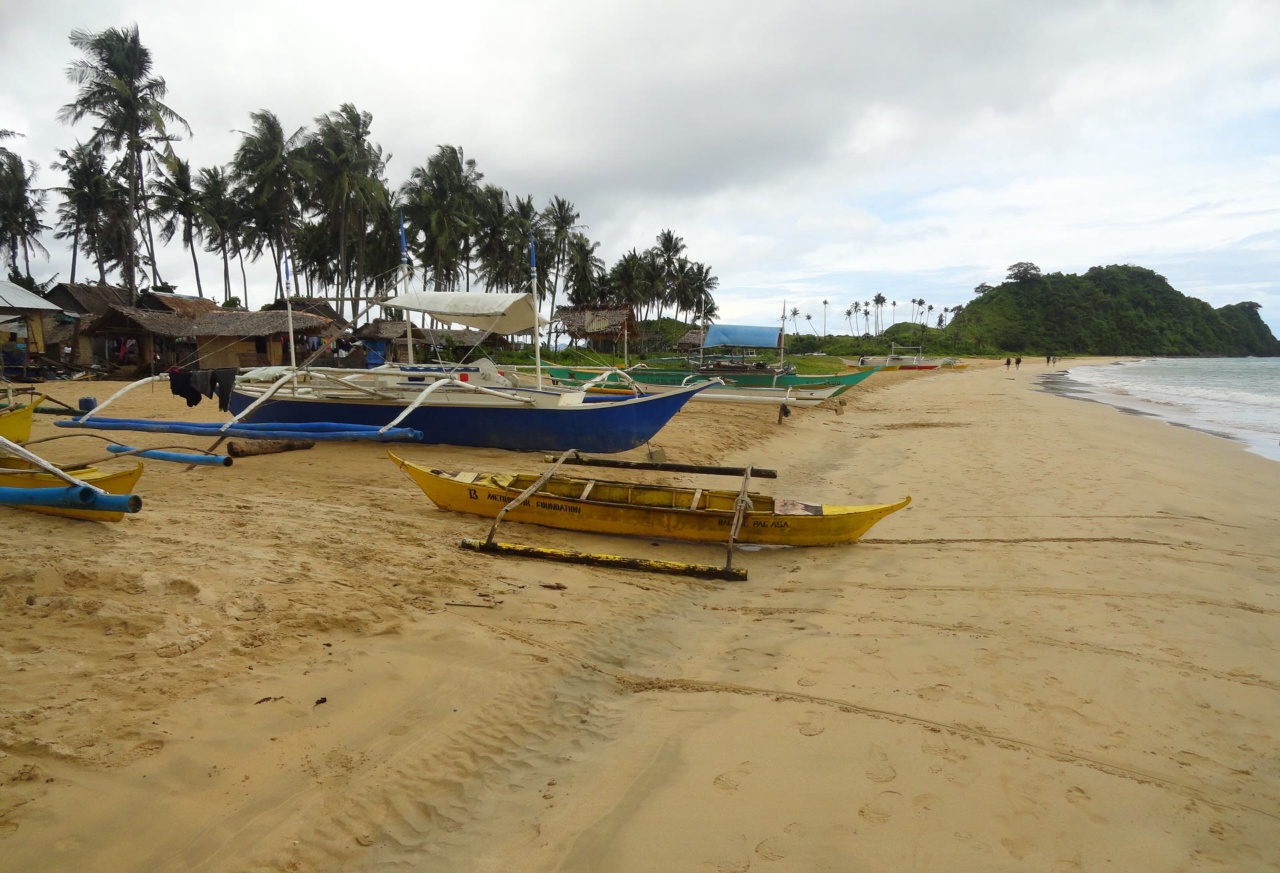
Technically reachable as a half-day trip, Nacpan deserves a full day. The 45-minute motorbike ride north passes through small villages and coconut groves. The beach itself is 4 kilometers of golden sand with mellow waves. Bring your own snacks or eat at the simple beachside restaurants. Combined with nearby Calitang Beach (a twin beach connected by a sandbar), this is one of the best beach days in the Philippines. Absolutely worth it.
Port Barton
A laid-back fishing village about 3-4 hours south of El Nido by van. Port Barton has its own island-hopping scene with far fewer tourists and a more rustic, unplugged atmosphere. It makes a good overnight stop if you are heading to or from Puerto Princesa rather than a pure day trip, as the travel time is significant. Worth it if you want a quieter alternative to El Nido.
Taytay
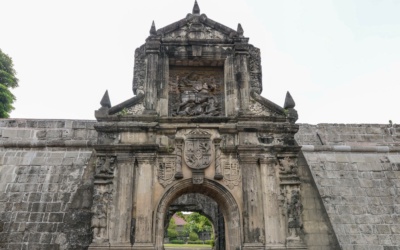
The old Spanish colonial capital of Palawan, about 2 hours south. The main attraction is Fort Santa Isabel, a 17th-century stone fortress overlooking the bay. The town is quiet and authentic, offering a window into Palawan life outside the tourist bubble. Not a must-do, but interesting for history buffs who want a break from beach activities.
Secret Paradise Resort and Falls
Located about 30-40 minutes from town, Nagkalit-kalit Falls is a jungle waterfall reached by a short hike and river crossing. The falls are most impressive during or just after the rainy season. During the dry season, flow can be disappointing. Check locally before making the trip.
Boat Trip to Coron
Not a day trip, but worth mentioning: expedition boats connect El Nido to Coron (another spectacular Palawan destination) via a full-day journey through the Linapacan Islands. The trip takes 7-9 hours, stops at pristine islands along the way, and costs around $35-50. It is an incredible way to travel between the two destinations rather than backtracking to Puerto Princesa.
Sample 3-Day Itinerary
Day 1: Tour A and Town Exploration
Morning: Register for your island-hopping tour at the tourism office and pay the environmental fee. Board your bangka for Tour A by 9 AM. Visit Big Lagoon (rent a kayak for around $5 to paddle into the lagoon), Small Lagoon, and Secret Lagoon.
Afternoon: Enjoy the included beach lunch on Shimizu Island. Snorkel the coral gardens here before heading back to town around 3:30-4 PM.
Evening: Freshen up and walk along the main road to find dinner. Try kinilaw and grilled squid at one of the beachfront seafood restaurants. End the night with a cold San Miguel at a rooftop bar overlooking the bay.
Day 2: Tour C and Sunset at Marimegmeg
Morning: Depart for Tour C by 9 AM. The first stop, Hidden Beach, is a stunner - a crescent of white sand enclosed by towering cliffs. Swim through the rock opening to reach Secret Beach, a tiny cove completely enclosed by limestone.
Afternoon: After the tour returns around 3:30 PM, rent a tricycle or motorbike to Marimegmeg Beach (Las Cabanas). Grab a beanbag at one of the beach bars, order a mango shake, and watch the sun drop behind the islands. If you are feeling adventurous, ride the zipline across the water.
Evening: Dinner at Corong-Corong, where several restaurants offer beachfront tables and fresh seafood at slightly lower prices than the town center.
Day 3: Nacpan Beach and Taraw Cliff
Morning: Rent a motorbike early and ride to Nacpan Beach. Arrive by 9 AM to enjoy the beach before it gets busy. Swim, walk the length of the sand, and explore the Nacpan-Calitang twin beach.
Afternoon: Ride back to town and tackle the Taraw Cliff hike with a local guide. The climb takes about 45 minutes and the panoramic view from the top is the best in El Nido. Start by 3 PM to catch good light for photos and avoid the worst heat.
Evening: Celebrate your last night with a seafood feast. Splurge on a mixed grill platter and a few rounds of drinks. Browse the small shops along the main road for souvenirs - woven bags, pearl jewelry, and coconut oil are popular picks.
Budget Overview
| Category | Budget | Mid-Range | Comfort |
|---|---|---|---|
| Accommodation | $10-15 (dorm/fan room) | $35-60 (AC room, private bath) | $80-150 (boutique hotel/resort) |
| Food | $8-12 | $15-25 | $30-50 |
| Transport | $2-3 (walking + tricycles) | $5-8 (motorbike rental) | $10-15 (private transfers) |
| Activities | $20-25 (group tour) | $25-40 (tours + kayak/diving) | $50-80 (private boat + diving) |
| Daily Total | $40-55 | $80-130 | $170-295 |
These estimates are per person. The biggest variable is accommodation, which swings dramatically between peak and low season. Book well ahead for December through March to lock in better rates. ATM fees and the environmental fee are small but add up, so factor them in. Bringing enough cash from a larger city saves both fees and the stress of finding a working ATM.
Frequently Asked Questions
Is El Nido worth visiting?
Absolutely. The Bacuit Archipelago offers some of the most stunning island and lagoon scenery in Southeast Asia, and the island-hopping tours are genuinely spectacular. If you have any interest in beaches, snorkeling, or dramatic tropical landscapes, El Nido delivers. Just come prepared for a town that is still developing its infrastructure.
How many days do you need in El Nido?
Three full days is the sweet spot for most visitors, giving you time for two island-hopping tours and a day to explore beaches or dive sites independently. Four to five days lets you add a day trip to Nacpan Beach, try diving, and enjoy the town at a relaxed pace without feeling rushed.
Is El Nido safe for tourists?
El Nido is very safe by Southeast Asian standards. Violent crime against tourists is extremely rare. The main risks are petty theft on crowded beaches, motorbike accidents on rough roads, and the usual water-safety concerns when snorkeling or swimming in unfamiliar areas. Use common sense and you will be fine.
What is the best time to visit El Nido?
The dry season from November through May offers the calmest seas and clearest skies, with the peak sweet spot being January to March. The shoulder months of November and April-May have fewer crowds and still mostly good weather. June through October brings rain and rougher seas, and some boat tours may be canceled.
Is El Nido expensive?
By Philippine standards, yes. El Nido is pricier than most destinations outside Manila and Boracay due to its remote location and tourism demand. Budget travelers can still manage on around $40-50 per day, but expect to pay more for food and accommodation than you would in other parts of the country.
Can you drink the tap water in El Nido?
No. Tap water in El Nido is not safe to drink. Buy sealed bottled water or bring a reusable bottle with a filter. Most restaurants use purified water for cooking and ice, but it is worth confirming at smaller eateries. Refill stations selling purified water are available around town and are cheaper and more eco-friendly than single-use bottles.
How do I get from Puerto Princesa to El Nido?
The most common route is a van or bus from Puerto Princesa, which takes roughly 5 to 6 hours on a winding road. Vans cost around $8-12 and depart frequently throughout the morning. You can also fly directly into El Nido's Lio Airport from Manila on a small turboprop, which takes about an hour.
What food is El Nido famous for?
Fresh seafood dominates, with grilled tuna, prawns, and squid available at most restaurants. Kinilaw, the Filipino ceviche made with vinegar-cured raw fish, is a local highlight. Many island-hopping tours include a beachside lunch of grilled fish and rice. The town also has surprisingly good international food, from Italian to Thai.
Is El Nido good for families with kids?
El Nido works for families with older children who enjoy water activities and are comfortable on boats. The island-hopping tours involve climbing in and out of bangkas and swimming in open water, which can be challenging with toddlers. The town itself lacks kid-specific attractions, and the roads are rough. Families with young children may find Port Barton or a resort in southern Palawan more relaxing.
Do I need to book island-hopping tours in advance?
During peak season from December through March, booking a day or two ahead is wise, especially for Tour A and Tour C which are the most popular. In the shoulder and low seasons, you can usually book the evening before or even the morning of. Booking through your hotel or a reputable local operator in town is easy and often cheaper than online.
Latest News
1/1