
Contents
- 1. Getting Around El Nido by Tricycle
- 2. Getting Around El Nido on Foot
- 3. Getting Around El Nido by Bangka Boat
- 4. Getting Around El Nido by Van and Shared Shuttle
- 5. Getting Around El Nido by Motorbike and Bicycle Rental
- 6. Getting Around El Nido by Private Transfer
- 7. Comparing Your Options
- 8. Practical Tips for Getting Around El Nido
- 9. Popular Routes and Destinations
- 10. Frequently Asked Questions
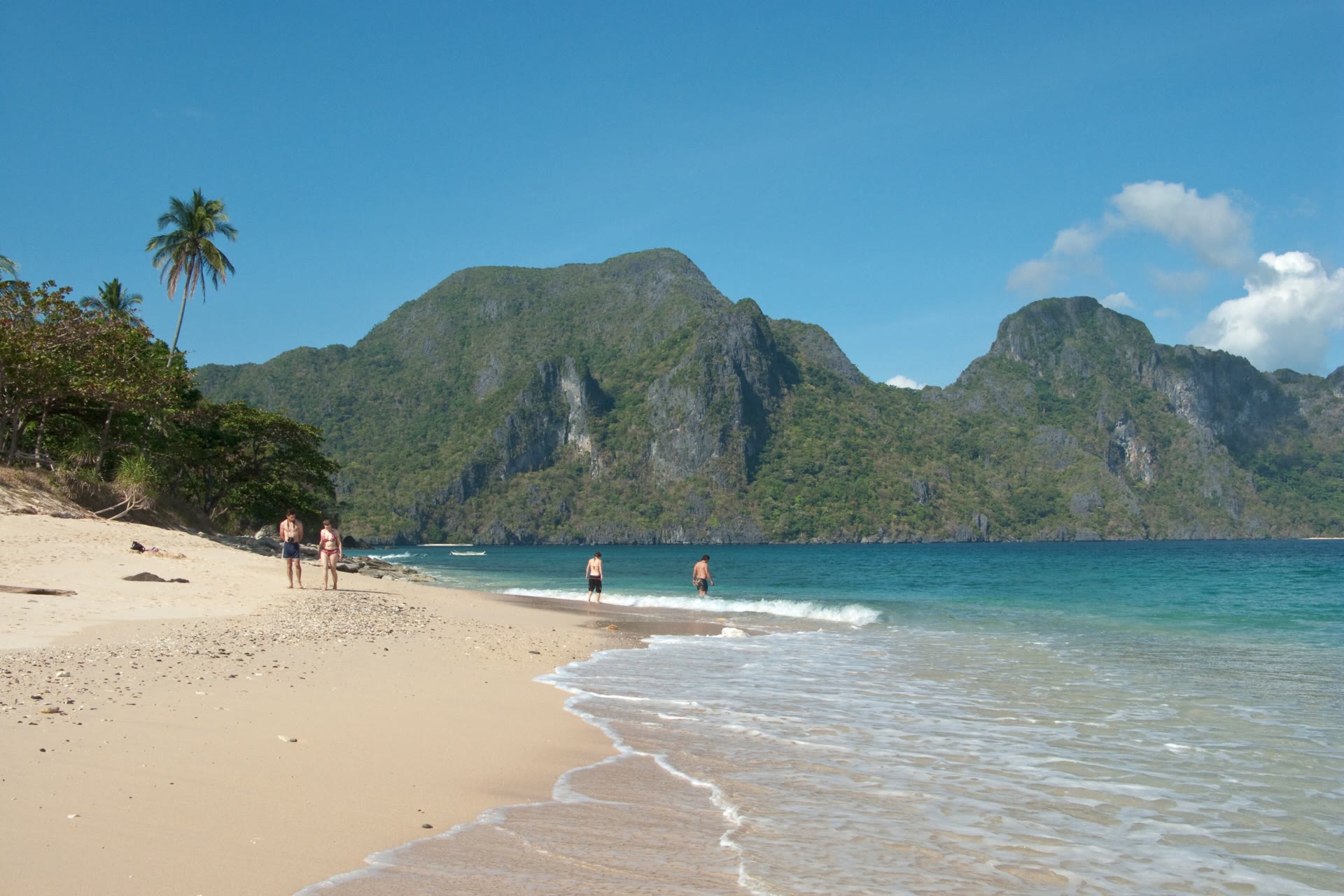
El Nido is small enough that you can walk most of the town center in fifteen minutes, yet the things you actually came for, the towering limestone cliffs, the hidden lagoons, the powder-white beaches, are scattered across Bacuit Bay and reachable only by boat. This is a place where the most important transport mode floats, and where the rhythm of your day is set by tides and weather as much as by any schedule.
On land, the soundtrack is the steady buzz of tricycles, the motorbike-and-sidecar contraptions that swarm the narrow streets and act as the town's taxis. There are no metered cabs, no metro, no buses circling the center. What you have instead is a refreshingly simple system: walk for anything in town, hop a tricycle for short hops to nearby beaches, and book a boat or van for the bigger journeys. The downside of that simplicity is that prices are negotiable and tourists often pay more than they should.
El Nido sits at the northern tip of Palawan, roughly five to six hours by road from Puerto Princesa, the island's main city and airport hub. The town itself has its own small airport a short drive away. Understanding how these pieces connect, and what each leg should cost, saves both money and a good deal of confusion once you arrive.
Getting Around El Nido by Tricycle
The tricycle is the workhorse of El Nido. These motorbikes with covered sidecars are everywhere, and for getting around town and to the nearby beaches they are your default option. Drivers cluster near the public market, the beach road, and outside guesthouses, so flagging one down rarely takes more than a minute.
For a ride within the town center, expect to pay roughly 50 to 100 pesos (around $1 to $2). Trips to nearby beaches such as Las Cabanas, Corong Corong, or Marimegmeg run higher, typically 150 to 300 pesos (around $3 to $5) depending on distance and your bargaining. Always agree on the price before you climb in, and confirm whether the quote is per person or for the whole tricycle. This is the single biggest source of confusion for newcomers.
Tricycles are open to the air, slow, and bumpy on the rougher roads, but they are perfectly fine for short distances. For longer hops out to places like Nacpan Beach, you can charter one for a half or full day, which often works out cheaper and more flexible than arranging separate rides. Negotiate a round-trip fare that includes waiting time.
Getting Around El Nido on Foot
The town center is genuinely walkable. The grid of streets between the beach and the main road is compact, and you can stroll from your accommodation to restaurants, dive shops, tour operators, and the pier without ever needing a ride. The beach road comes alive in the evening with bars and food stalls, all within easy walking distance.
Footpaths can be uneven and there are few proper sidewalks, so watch your step, especially after dark when lighting is patchy. During the rainy season streets flood quickly and turn muddy. Bring sandals you do not mind getting wet. Walking is free, pleasant in the cooler morning and evening hours, and the best way to soak up the laid-back small-town atmosphere.
Getting Around El Nido by Bangka Boat
The bangka, the traditional Filipino outrigger boat, is how you reach the real attractions of El Nido. Bacuit Bay's lagoons, islands, and snorkeling spots are accessible only by water, and almost everyone explores them via the standardized island-hopping tours known as Tours A, B, C, and D.
These group tours typically cost around 1,200 to 1,800 pesos per person (roughly $21 to $32), including lunch and snorkeling gear, plus a 200-peso environmental fee valid for ten days. Tour operators line the beach road and most hotels can book for you. Private boat charters are available if you want flexibility on where and when you go, but they cost considerably more, usually several thousand pesos for the day.
Boats depart in the morning, generally between 8 and 9 am, and return mid to late afternoon. Sea conditions matter: during the windier months tours can be cancelled or rerouted for safety. Bring a dry bag, reef-safe sunscreen, and cash, as the boats do not take cards. You can compare tour and transport options on GoAsia.cc to get a sense of fair prices before committing on the beach.
Getting Around El Nido by Van and Shared Shuttle
For travel beyond town, especially the long haul to or from Puerto Princesa, shared vans are the standard. These air-conditioned minivans depart throughout the day and connect El Nido with Puerto Princesa, Port Barton, and Sabang. The Puerto Princesa run takes around five to six hours and costs roughly 600 to 800 pesos (around $11 to $14) per seat.
Vans pick up and drop off at terminals or, for a small extra fee, at your accommodation. They are reliable but cramped, and drivers tend to move fast on the winding mountain roads, so motion-sickness pills are worth carrying. Book a day in advance during busy periods, as seats fill up. Travel agencies all over town sell van tickets, and prices are fairly standardized, so there is little need to haggle.
Getting Around El Nido by Motorbike and Bicycle Rental
Renting a scooter gives you genuine freedom to explore beyond town at your own pace, reaching beaches like Nacpan and Duli without paying repeated tricycle fares. Rentals run around 500 to 700 pesos per day (roughly $9 to $13), and many shops do not require a deposit beyond a copy of your passport.
The roads near town are paved and easy, but the routes to outlying beaches can be rough, gravelly, or steep in places, so only rent if you are a confident rider. Wear a helmet, which should be included, and fill up at the small fuel stations or roadside vendors selling petrol in bottles. Bicycles are also available for short distances around town and the nearby coast, a quieter and cheaper alternative if you are not going far.
Getting Around El Nido by Private Transfer
If you value comfort and convenience over saving money, private car and van transfers can be arranged for airport pickups and longer journeys. These offer door-to-door service without the stop-and-go of shared vans, and they make sense for groups or travelers with lots of luggage. Depending on distance and vehicle, private transfers in and around El Nido range from around $23 to $89, with shorter local hops at the lower end and longer regional trips toward the top.
Comparing Your Options
| Mode | Typical Cost | Duration | Best For |
|---|---|---|---|
| Walking | Free | Varies | Getting around the compact town center |
| Tricycle | 50-300 pesos ($1-$5) | 5-30 min | Short hops to nearby beaches |
| Bangka boat | 1,200-1,800 pesos ($21-$32) | Full day | Island hopping and lagoons |
| Shared van | 600-800 pesos ($11-$14) | 5-6 hrs to Puerto Princesa | Long-distance regional travel |
| Scooter rental | 500-700 pesos/day ($9-$13) | All day | Reaching far beaches independently |
| Private transfer | $23-$89 | 15 min - 1h 50min | Comfortable door-to-door trips |
Practical Tips for Getting Around El Nido
El Nido runs largely on cash. ATMs exist but are limited and frequently run out of money, especially on weekends, so bring enough pesos from Puerto Princesa or a larger town before you arrive. Carry small denominations, as tricycle drivers and small vendors rarely have change for large bills.
- Always agree on tricycle fares before getting in, and clarify whether the price is per person or for the whole ride.
- Ride-hailing apps like Grab do not operate in El Nido, so do not count on them. Your hotel front desk is the best resource for arranging reliable transport.
- Download an offline map such as Maps.me, as mobile signal and data can be patchy outside the town center.
- Book island-hopping tours and long-distance vans a day ahead during peak season to secure a spot.
- Mornings are calmest for boats; afternoon winds can make the sea choppy and trips uncomfortable.
- The rainy season brings frequent storms that cancel boat tours and flood streets, so build flexibility into your plans.
Language is rarely a barrier. Most people working in tourism speak good English, and a friendly attitude goes a long way. The main thing to watch for is overcharging rather than outright scams; quoting an inflated tricycle fare to a newly arrived tourist is common, so a polite counteroffer is expected and not rude. After dark the town is safe and lively, though poorly lit side streets mean a tricycle is wise if you are heading back to accommodation outside the center.
Popular Routes and Destinations
The most significant journey for most travelers is the connection to and from the wider world. Private and shared transfers covering routes in and around El Nido range from roughly $23 to $89, with durations spanning from about 15 minutes for short local hops up to nearly two hours for longer legs, depending on distance and the vehicle you choose.
For the airport transfer and short local trips, a private car keeps things simple and quick at the lower end of that range. For reaching the nearby beaches such as Las Cabanas or Corong Corong, a tricycle is faster and far cheaper. For the famous lagoons and islands of Bacuit Bay, only a bangka boat tour will get you there, and that is an experience worth budgeting a full day for.
Frequently Asked Questions
Use this guide to compare local transport in El Nido. When bookable tickets are available, the booking tool shows current options and prices.
For the town center, walking is easiest since everything is within a short stroll. For nearby beaches, tricycles are the standard choice, while the lagoons and islands require a bangka boat tour. Renting a scooter is the best option if you want to explore outlying beaches independently.
Tricycle rides cost around 50 to 100 pesos within town and 150 to 300 pesos to nearby beaches. Island-hopping boat tours run roughly 1,200 to 1,800 pesos per person, and scooter rentals are about 500 to 700 pesos per day. Always confirm prices before you set off.
Yes, transport in El Nido is generally safe. Tricycles and vans are reliable, and crime targeting tourists is rare. The main concern is overcharging rather than danger, so agree on fares in advance, and for boat tours pay attention to sea conditions during windy months.
No, ride-hailing apps such as Grab do not operate in El Nido. You will rely on tricycles flagged on the street or arranged through your accommodation. For private transfers, your hotel front desk or a local travel agency is the best way to book.
The town center is very walkable, with restaurants, tour operators, and the beach all within a fifteen-minute walk. Sidewalks are uneven and lighting is poor after dark, so bring comfortable shoes and consider a tricycle at night for trips outside the center.
Yes, El Nido runs almost entirely on cash. Tricycles, boat tours, and most vendors do not accept cards, and ATMs are limited and often run out of money. Bring enough pesos in small denominations from Puerto Princesa or a larger town before arriving.
Shared vans connect Puerto Princesa with El Nido in around five to six hours for roughly 600 to 800 pesos per seat. Private transfers offer door-to-door comfort and range from about $23 to $89 depending on distance and vehicle, with shorter local airport hops at the lower end.
Guide prices and journey times are indicative, not live quotes. A booked package may include transfers and waiting time as well as the main journey. Check the selected offer, pickup point and current conditions before booking.