
Puerto Princesa
Puerto Princesa is the gateway to Palawan, a sprawling coastal city where underground rivers, mangrove forests, and turquoise waters sit alongside a surprisingly urban center.
Last updated: October 17, 2026
When to go
Climate and best time for Puerto PrincesaBest months: January to April
- January: Great. 31 °C by day, 24 °C at night, 37 mm of rain
- February: Great. 31 °C by day, 23 °C at night, 30 mm of rain
- March: Great. 32 °C by day, 24 °C at night, 41 mm of rain
- April: Great. 33 °C by day, 25 °C at night, 42 mm of rain
- May: Good (a lot of rain). 33 °C by day, 25 °C at night, 143 mm of rain
- June: Good (a lot of rain). 32 °C by day, 24 °C at night, 170 mm of rain
- July: Good (a lot of rain). 31 °C by day, 24 °C at night, 171 mm of rain
- August: Good (a lot of rain). 31 °C by day, 24 °C at night, 171 mm of rain
- September: Good (a lot of rain). 31 °C by day, 24 °C at night, 199 mm of rain
- October: Good (a lot of rain). 31 °C by day, 24 °C at night, 219 mm of rain
- November: Good (a lot of rain). 31 °C by day, 24 °C at night, 217 mm of rain
- December: Good (a lot of rain). 31 °C by day, 24 °C at night, 156 mm of rain
- Great
- Good
- Mixed
- Poor
Contents
- 1. Orientation and Neighborhoods
- 1.1 City Center (Rizal Avenue Corridor)
- 1.2 Baywalk and Waterfront
- 1.3 San Jose and Sabang Area
- 1.4 Honda Bay Area (Sta. Lourdes Wharf)
- 2. Best Time to Visit
- 3. Getting There and Getting Around
- 3.1 Arriving by Air
- 3.2 Arriving by Sea
- 3.3 Getting Around the City
- 4. Top Sights and Experiences
- 4.1 Must-See Attractions
- 4.2 Puerto Princesa Underground River (Subterranean River National Park)
- 4.3 Honda Bay Island Hopping
- 4.4 Palawan Wildlife Rescue and Conservation Center (Crocodile Farm)
- 4.5 Ugong Rock Adventures
- 4.6 Hidden Gems
- 4.7 Nagtabon Beach
- 4.8 Mangrove Paddle Boat Tour (Sabang)
- 4.9 Iwahig Firefly Watching
- 4.10 Overrated Attractions
- 5. Food and Drink
- 5.1 Signature Dishes
- 5.2 Where to Eat
- 6. Where to Stay
- 6.1 Budget (Under $20 per night)
- 6.2 Mid-Range ($20 to $60 per night)
- 6.3 Upscale ($60 to $150 per night)
- 7. Practical Tips
- 8. Day Trips
- 8.1 Sabang and the Underground River
- 8.2 Port Barton
- 8.3 Estrella Falls
- 8.4 Balabac Islands
- 8.5 Tabon Caves (Quezon, Palawan)
- 9. Sample 3-Day Itinerary
- 9.1 Day 1: Underground River and Sabang
- 9.2 Day 2: Honda Bay Island Hopping
- 9.3 Day 3: Beaches, Culture, and Departure Prep
- 10. Budget Overview
- 11. Frequently Asked Questions
The first thing you notice about Puerto Princesa is how clean it is. For a Philippine city of over 300,000 people, the streets are remarkably well-kept, a point of genuine civic pride that earned it the nickname "City in a Forest." Coconut palms and mango trees line the main roads, and the waterfront Baywalk glows orange at sunset while locals jog, eat barbecue, and let their kids run along the seawall. It does not feel like a typical transit hub, even though most visitors treat it as one.
Puerto Princesa sits roughly in the middle of Palawan's long, narrow landmass, facing the Sulu Sea to the east. It is the provincial capital and the only city on the island with a commercial airport, which makes it the mandatory first stop for anyone exploring Palawan's northern reaches (El Nido, Coron) or southern wilderness (Balabac, Rizal). But rushing through would be a mistake. The Underground River alone justifies a full day, and the city's food scene, particularly its seafood, is among the best-value dining in the entire Philippines.
This is not a party destination. Nightlife is modest, beaches within the city limits are decent but not spectacular, and the charm is quieter and more nature-focused. Travelers who enjoy eco-tourism, island hopping, cave exploration, and eating enormous plates of grilled fish for a few dollars will find Puerto Princesa deeply satisfying. Those looking for white-sand Instagram beaches should treat it as a launchpad for El Nido or the Bacuit Archipelago, but give it at least two days before moving on.
Orientation and Neighborhoods
Puerto Princesa is long and narrow, stretching along the coast with one main artery, Rizal Avenue, running north-south through the commercial center. Almost everything a tourist needs sits along or within a few blocks of this road. The city is far more spread out than it looks on a map, with the municipality technically covering a vast area of forest and coastline, but the urban core is compact.
City Center (Rizal Avenue Corridor)
This is where most hotels, restaurants, tour agencies, and shops cluster. The northern end near the airport is the most convenient base, with walking access to food, ATMs, and the Baywalk waterfront. Budget and mid-range travelers should stay here.
Baywalk and Waterfront
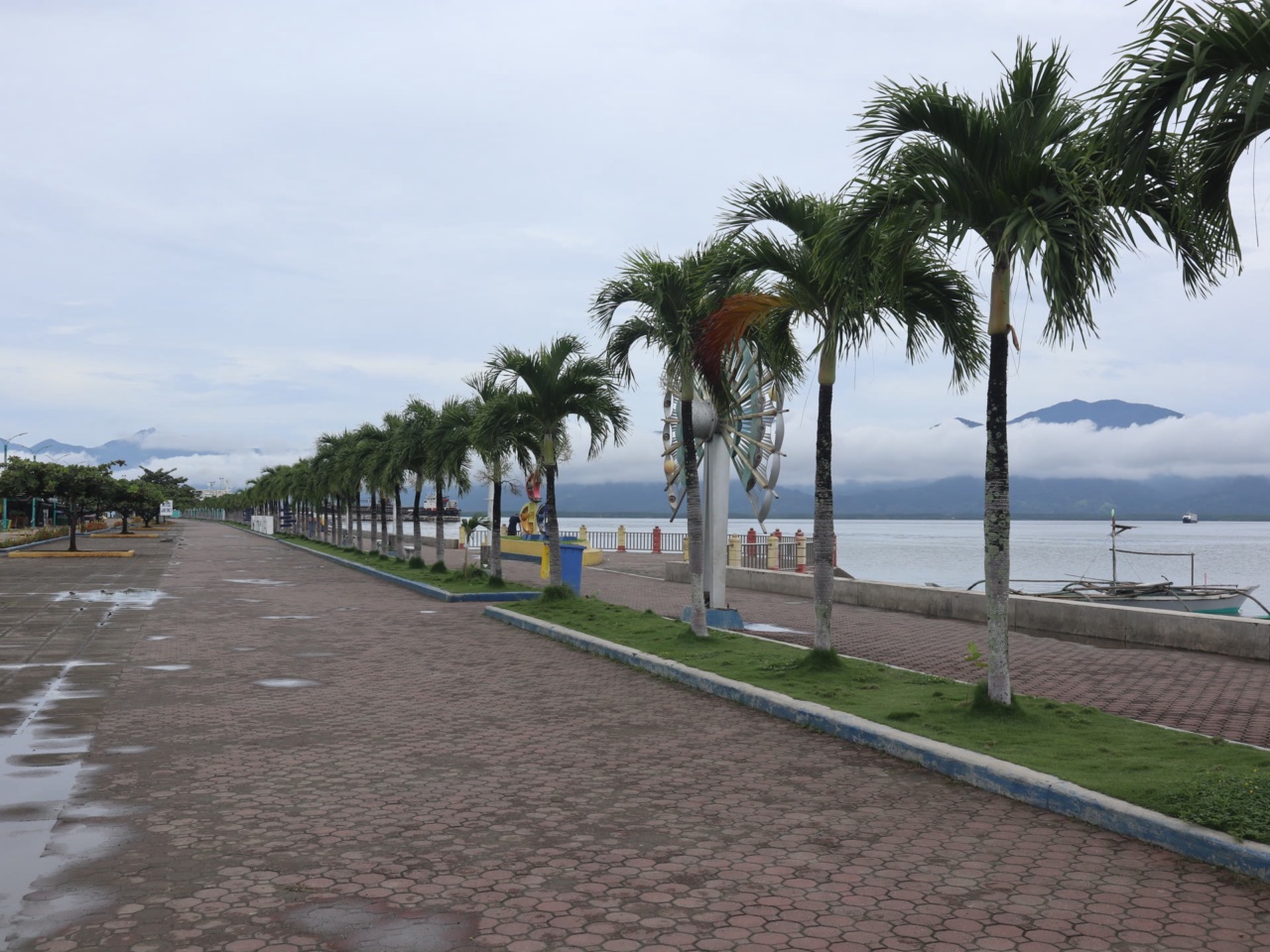
The eastern seafront promenade runs south of the city center and is the social heart of Puerto Princesa in the evenings. Street food stalls, small bars, and restaurants line the walkway. Staying near here puts you close to sunset views and the best casual dining.
San Jose and Sabang Area
Sabang is the small coastal village roughly 80 kilometers northwest of the city center, serving as the jumping-off point for the Underground River. A handful of guesthouses and eco-lodges here suit travelers who want to skip the long day-trip commute and explore the surrounding mangroves and beaches at a slower pace. It is very quiet and has limited dining options.
Honda Bay Area (Sta. Lourdes Wharf)
About 15 kilometers north of the center, this is where island-hopping boats depart. There is no real reason to stay out here, but knowing its location helps when planning your day.
For most visitors, the city center along Rizal Avenue is the obvious choice. It balances convenience, price, and access to both tours and restaurants. Families and couples seeking something quieter might enjoy the few resorts along the coast south of town, but these require tricycle rides for everything.
Things to Do
Offers are only loaded from GetYourGuide after you click. GetYourGuide can then process your IP address and set cookies. Privacy Policy
GetYourGuide partner offers. GoAsia may earn a commission if you book through these offers. Check whether tickets or transfers are included, and follow the attraction's official booking and admission rules.
Best Time to Visit
Palawan has a more forgiving climate than much of the Philippines, with a less dramatic monsoon split. Still, timing matters, especially for the Underground River, which can close during severe weather.
| Month Range | Weather | Crowds | Prices |
|---|---|---|---|
| Nov - Feb | Dry, warm (27-32C), occasional brief showers | High (peak season) | Highest |
| Mar - May | Hot and dry (30-35C), calmest seas | Moderate to high | Moderate to high |
| Jun - Aug | Warm with increasing rain, some rough seas | Low | Lower |
| Sep - Oct | Wettest months, possible typhoon disruptions | Lowest | Lowest |
The sweet spot is January through April: dry weather, manageable crowds outside of Holy Week, and calm seas for island hopping. March and April are the hottest months, so bring sun protection. The Pista Y Ang Kagueban festival in late June celebrates the city's environmental efforts with parades and tree-planting events, offering a unique cultural experience if you happen to visit during the shoulder season.
September and October carry the highest risk of weather disruptions. Tours may be cancelled, and the Underground River permit system sometimes shuts down during storms. If visiting in the wet season, build flexibility into your itinerary.
Getting There and Getting Around
Arriving by Air
Puerto Princesa International Airport (PPS) receives direct flights from Manila (about 1 hour 15 minutes), Cebu, Clark, and Iloilo. Philippine Airlines, Cebu Pacific, and AirAsia are the main carriers. Flights from Manila are frequent, with fares ranging from roughly $40 to $120 one way depending on how far ahead you book. The airport is remarkably close to the city center, just a kilometer or two from most hotels along Rizal Avenue. A tricycle to your hotel costs around $1 to $2, and many accommodations offer free pickup.
Arriving by Sea
Ferries connect Puerto Princesa to Manila (roughly 24 hours) and occasionally to other Visayan ports, but air travel is so affordable and fast that boats only make sense for those with plenty of time or a fear of flying.
Getting Around the City
Tricycles are the primary transport within the city center. Short hops cost around $0.50 to $1, while longer rides (to the wharf or outskirts) run $2 to $4. Always agree on the fare before getting in. Multicabs (small shared jeepney-style vehicles) run fixed routes along Rizal Avenue for just a few cents but can be confusing for first-time visitors.
Grab is available in Puerto Princesa but coverage is limited compared to Manila or Cebu. Motorbike rental is an option for confident riders at roughly $8 to $12 per day. For day trips to the Underground River or Honda Bay, organized tours include transport. You can also check GoAsia.cc for details on van and bus services to El Nido and other Palawan destinations.
The city center is walkable for short distances, but the heat and humidity make walking more than a kilometer or two uncomfortable during the day. Carry water and use tricycles liberally; they are cheap.
Top Sights and Experiences
Must-See Attractions
Puerto Princesa Underground River (Subterranean River National Park)
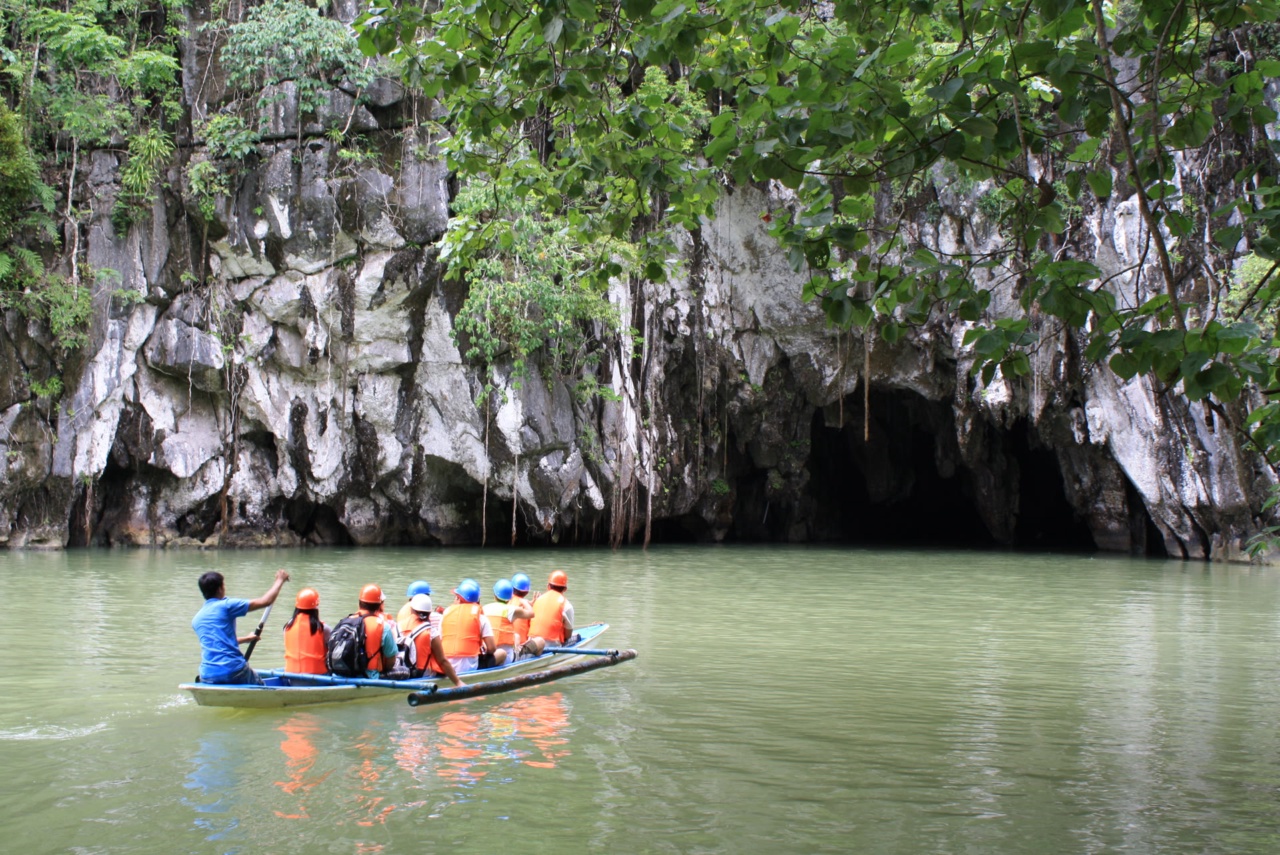
This UNESCO World Heritage Site is the city's headline attraction and lives up to the hype. An 8.2-kilometer underground river runs through a massive limestone cave system, and visitors paddle through roughly 1.5 kilometers of it on a guided boat tour. The cathedral-like chambers, bizarre rock formations, and resident bats and swiftlets are genuinely awe-inspiring. The full experience takes a day: roughly 1.5 to 2 hours driving to Sabang, a 20-minute boat ride to the cave entrance, and the 45-minute cave tour itself. Permits are required and limited to around 900 visitors per day. Book through a licensed tour operator at least two to three days in advance during peak season. Full-day tours including permit, transport, lunch, and boat typically cost $25 to $40 per person. Go early in the morning for smaller crowds and calmer waters. Bring a hat and reef-safe sunscreen for the boat rides.
Honda Bay Island Hopping
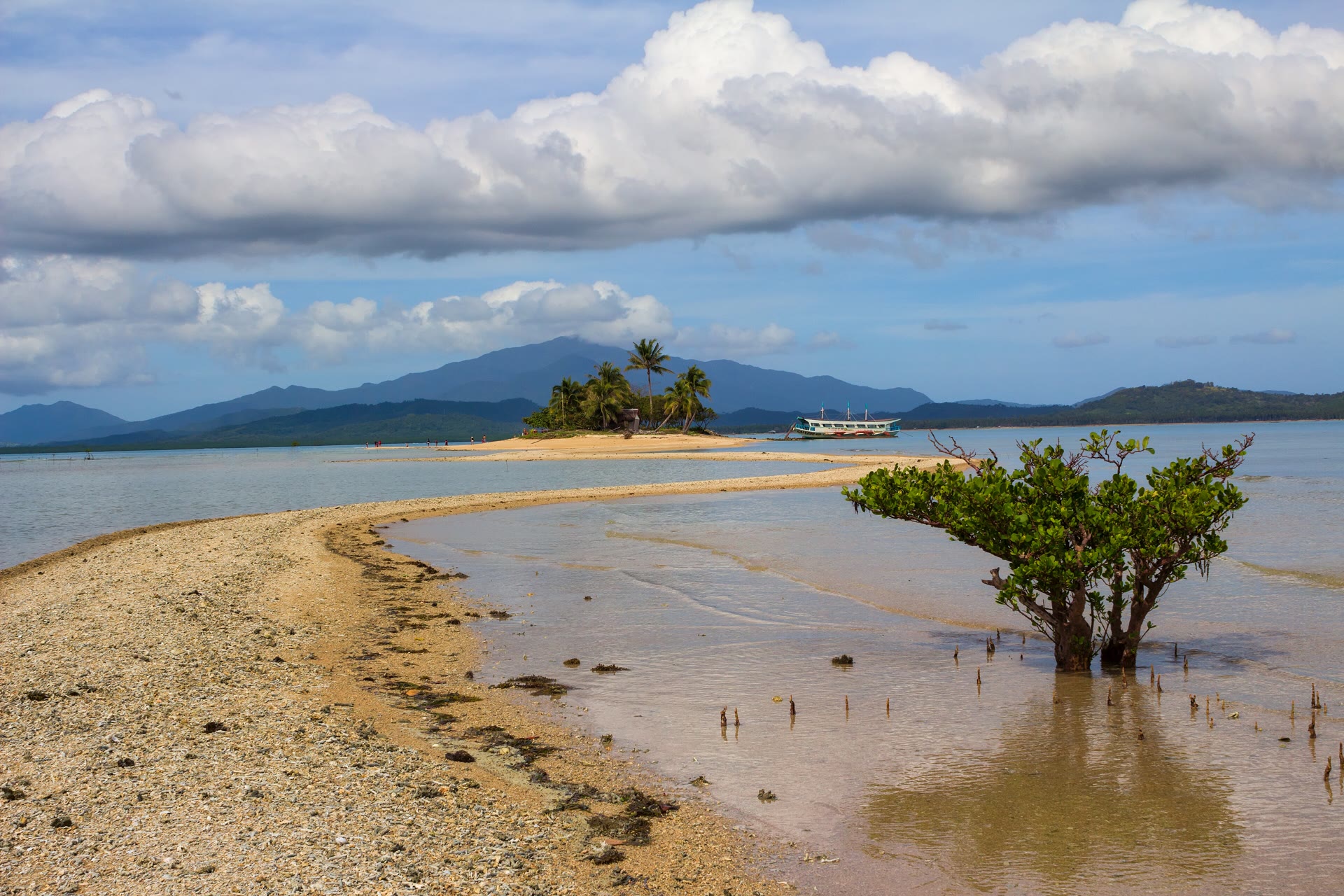
The standard island-hopping tour departs from Sta. Lourdes Wharf and visits three to four islands over a full day. Starfish Island has a shallow sandbar and is the most photogenic. Cowrie Island has decent snorkeling and a lunch setup. Luli Island (named because it "lulubog, lilitaw" or sinks and surfaces with the tide) is fun for the novelty. Expect to pay around $15 to $25 per person for a group tour including lunch, or $60 to $80 for a private boat. The snorkeling is decent but not world-class; this trip is more about relaxation and scenery than marine life. Bring your own snorkel gear if you have it, as rentals are basic.
Palawan Wildlife Rescue and Conservation Center (Crocodile Farm)
Despite the informal name, this is a legitimate conservation facility breeding the critically endangered Philippine crocodile. It is educational, well-maintained, and takes about an hour to explore. Entry costs around $2. The crocodile sisig in the on-site restaurant is worth trying for the novelty. Located about 20 minutes south of the city center by tricycle.
Ugong Rock Adventures
Often combined with an Underground River day trip, this limestone karst formation offers cave spelunking and a zipline over the jungle canopy. It is a solid add-on for active travelers and takes about an hour. Entry and activities cost around $5 to $8.
Hidden Gems
Nagtabon Beach
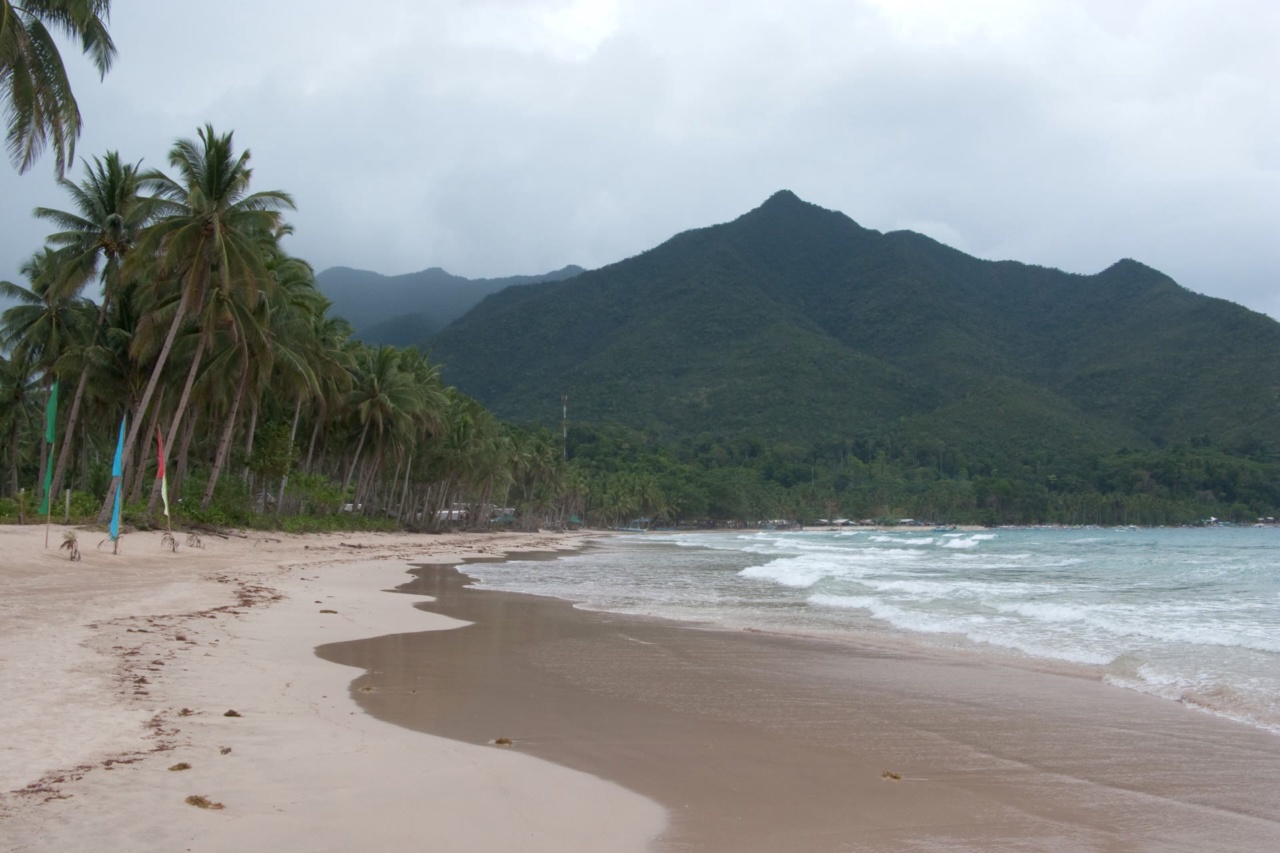
About 45 minutes west of the city on a partly unpaved road, Nagtabon is the best beach easily accessible from Puerto Princesa. It is long, uncrowded, backed by jungle, and has decent surf during the wet season months. Bring your own food and water, as facilities are minimal. A tricycle or motorbike is the easiest way to get there; expect to pay around $10 to $15 for a round-trip tricycle with waiting time.
Mangrove Paddle Boat Tour (Sabang)
If you are already at Sabang for the Underground River, add a mangrove tour. Small paddle boats glide through dense mangrove channels where you can spot monitor lizards, kingfishers, and macaques. It costs around $3 to $5 per person and takes 30 to 45 minutes. Far more intimate than the main cave tour.
Iwahig Firefly Watching
An evening boat ride along the Iwahig River reveals thousands of fireflies lighting up the mangrove trees like natural Christmas lights. Tours depart around 7 PM and cost roughly $10 to $15 per person. The experience is magical on a clear, moonless night but underwhelming if the moon is bright, so check the lunar calendar before booking.
Overrated Attractions
Baker's Hill: Frequently listed as a top attraction, this is essentially a bakery and garden complex on a hill south of town. The pastries (especially the hopia) are good, but the gardens feel like a theme park without rides. Worth a quick stop if you are passing by, but not worth a dedicated trip.
Mitra's Ranch: A viewpoint and small recreational area nearby Baker's Hill. The view is pleasant but unremarkable, and the horse rides and zip line are overpriced for what they are. Skip it unless you have children who need to burn energy.
City Baywalk at midday: The Baywalk is lovely at sunset and in the evening, but visiting during the heat of the day offers nothing but sweat. Time it right.
Food and Drink
Puerto Princesa's food scene punches above its weight, driven by extraordinarily fresh seafood and low prices. The city is not a culinary destination in the same way as Manila or Cebu, but for seafood lovers, it is arguably better value than either.
Signature Dishes
| Dish | Description | Where to Try | Typical Price |
|---|---|---|---|
| Chaolong | Vietnamese-influenced rice noodle soup with beef or pork, a Palawan breakfast staple | Small eateries along Rizal Avenue, especially near the market | Around $1 to $2 |
| Tamilok | Woodworm harvested from mangroves, served raw as ceviche with vinegar and chili - surprisingly delicious | Seafood restaurants along Rizal Avenue | Around $2 to $4 |
| Crocodile Sisig | The classic Filipino sizzling plate made with crocodile meat instead of pork | Restaurant at the Crocodile Farm, select restaurants in town | Around $3 to $5 |
| Grilled Seafood Platter | Whole grilled fish, prawns, squid, and shellfish, often with rice and dipping sauces | Open-air seafood restaurants where you pick your fish and have it cooked to order | Around $5 to $15 per person |
| Lato (Sea Grapes) | Small, bead-like seaweed that pops in your mouth, served as a salad with vinegar and tomato | Any seafood restaurant | Around $1 to $2 |
Where to Eat
The stretch of Rizal Avenue between the airport and the Baywalk has the highest concentration of restaurants. Open-air seafood places where you pick your fish from an ice display and have it cooked to order are the quintessential Puerto Princesa dining experience. Expect to pay around $5 to $10 per person for a generous seafood meal with rice and drinks.
The Baywalk comes alive in the evening with barbecue stalls selling skewers of pork, chicken, and seafood for less than $1 each. This is the best casual dinner setting in the city. Grab a few sticks, a bottle of San Miguel beer (around $1), and watch the sunset.
For budget eating, look for carinderias (local canteen-style eateries) near the public market. A plate of rice with two viands costs around $1 to $1.50. The food is simple, honest, and filling.
Mid-range restaurants with air conditioning and broader menus (Filipino, Western, Korean) line Rizal Avenue and typically charge $4 to $8 per main course. Upscale dining barely exists in Puerto Princesa; the nicest resort restaurants top out around $15 to $20 per person for a full meal.
Where to Stay
Budget (Under $20 per night)
Puerto Princesa has a strong selection of budget guesthouses and hostels along Rizal Avenue. Expect a clean private room with air conditioning and a private bathroom for around $12 to $18 per night. Dorm beds in hostels run $5 to $8. The quality is generally good; Palawan's tourism standards have pushed even budget places to maintain cleanliness. Look for places within walking distance of the Rizal Avenue restaurant strip.
Mid-Range ($20 to $60 per night)
This tier gets you a proper hotel room with reliable hot water, Wi-Fi, and often a pool. Several well-reviewed hotels sit along or just off Rizal Avenue, offering breakfast and airport transfers. Rooms in the $30 to $50 range represent the best value in the city, with amenities that would cost twice as much in Manila.
Upscale ($60 to $150 per night)
A handful of resorts on the outskirts of the city, particularly along the coast south toward Iwahig, offer beachfront or garden settings with pools, spas, and restaurant service. These are pleasant but not luxurious by international standards. If you want true resort luxury in Palawan, El Nido and its offshore resorts are the better bet. In Puerto Princesa, the upscale tier is more about comfort and space than opulence.
There are no major international hotel chains in Puerto Princesa. Accommodation is dominated by locally owned hotels and small resorts, which adds character but means service standards can vary.
Practical Tips
- Safety: Puerto Princesa is one of the safest cities in the Philippines. Petty theft is uncommon but use normal precautions. The biggest safety risk is actually road travel, as the highway to Sabang and El Nido is winding and drivers can be aggressive. Wear a helmet if you rent a motorbike.
- Scams: The most common issue is tricycle drivers quoting inflated fares to tourists. Ask your hotel for typical rates and agree on the price before riding. Some tour operators overcharge or bundle unnecessary add-ons; compare prices at two or three agencies before booking.
- Money: Cash is king. ATMs are available along Rizal Avenue (BDO, BPI, Landbank), but they occasionally run out of cash on weekends. Bring enough pesos for your first day or two. Credit cards are accepted at larger hotels and some restaurants but not at most small eateries, tour operators, or tricycles. Tipping is appreciated but not mandatory; rounding up or leaving 5-10% at restaurants is generous.
- SIM cards and internet: Buy a Globe or Smart SIM card at the airport or any convenience store for around $2 to $3, then load data packages. A week of data costs roughly $3 to $5. Wi-Fi in hotels ranges from decent to painfully slow. Cell signal drops out on the road to Sabang and in remote areas.
- Language: English is widely understood in Puerto Princesa, more so than in many Philippine cities outside Manila. Tour guides, hotel staff, and restaurant workers all speak functional English. Learning a few Tagalog phrases (salamat for thank you, magkano for how much) earns goodwill.
- Cultural notes: Palawan is generally conservative. Dress modestly when not at the beach. Remove shoes when entering someone's home. Filipinos are exceptionally hospitable; accepting food or drink when offered is polite. Do not litter, ever. Puerto Princesa takes its clean-city reputation seriously, and locals will call you out.
- Eco-tourism fees: Expect to pay small environmental fees at most natural attractions (typically $1 to $3). These are legitimate and fund conservation efforts. Keep your receipts.
Day Trips
Sabang and the Underground River
Distance: 80 km northwest, roughly 2 hours by van. This is the most popular day trip and covered in detail above. If you want to linger, stay overnight in Sabang to enjoy the mangrove tour and beach without the day-tripper rush.
Port Barton
Distance: 140 km north, roughly 3 to 4 hours by van. A sleepy fishing village with beautiful beaches, affordable island hopping, and a backpacker vibe. It makes a great overnight stop between Puerto Princesa and El Nido rather than a pure day trip, as the travel time is significant. The snorkeling around the nearby islands is excellent.
Estrella Falls
Distance: about 40 km south, roughly 1.5 hours including a short hike. A multi-tiered waterfall in the jungle near the town of Narra. It is not heavily touristed and requires a short trek through rice paddies and forest. Best visited during or just after the rainy season when water flow is strongest. Hiring a tricycle for the round trip costs around $15 to $20.
Balabac Islands
Distance: roughly 6 to 8 hours south by land and boat. This is Palawan's final frontier, with blindingly white sandbars, crystal-clear water, and almost no tourists. It requires serious commitment (multi-day trip, basic facilities, advance planning) and is not a casual day trip, but for adventurous travelers with time, it is among the most beautiful places in the Philippines.
Tabon Caves (Quezon, Palawan)
Distance: about 155 km south, roughly 3 hours by van plus a boat ride. Known as the "Cradle of Philippine Civilization" where 22,000-year-old human remains were discovered. The caves themselves are interesting but the journey is long. Worth it for history enthusiasts but most travelers will find the Underground River more rewarding.
Sample 3-Day Itinerary
Day 1: Underground River and Sabang
Morning: Depart Puerto Princesa at 6:00 to 7:00 AM with your tour operator for the drive to Sabang. Enjoy the scenic ride through Palawan's interior. Arrive and take the boat to the Underground River entrance. Complete the cave tour by late morning.
Afternoon: After the cave tour, do the mangrove paddle boat tour in Sabang (30 to 45 minutes). Have a late lunch at one of the simple beachfront restaurants. If your tour includes Ugong Rock, squeeze it in on the return drive.
Evening: Return to Puerto Princesa by 5:00 to 6:00 PM. Head to the Baywalk for sunset barbecue and cold beer. Walk along the waterfront and pick up skewers from the stalls.
Day 2: Honda Bay Island Hopping
Morning: Depart your hotel by 7:30 AM for Sta. Lourdes Wharf. Board your island-hopping boat by 8:30 AM. Visit Starfish Island first while it is still quiet. Snorkel and wade through the shallow sandbar.
Afternoon: Continue to Cowrie Island for lunch (usually included in the tour). Snorkel around the coral areas. Visit one more island before heading back to the wharf by 3:00 to 4:00 PM.
Evening: Visit the Crocodile Farm on the way back to town (it closes at 5:00 PM, so time it carefully). Try crocodile sisig at the on-site restaurant. Dinner at one of the seafood restaurants on Rizal Avenue - order a whole grilled fish, lato salad, and tamilok if you are feeling brave.
Day 3: Beaches, Culture, and Departure Prep
Morning: Rent a motorbike or hire a tricycle to Nagtabon Beach. Spend the morning swimming and relaxing on this uncrowded stretch of sand. Bring snacks and water as facilities are minimal.
Afternoon: Return to the city center. Browse the public market for souvenirs: cashew nuts (Palawan's best product), local honey, and dried seafood. Walk through the Immaculate Conception Cathedral if it is open.
Evening: If you have a late flight or are staying another night, book the Iwahig Firefly Watching tour for an enchanting end to your trip. Otherwise, enjoy a final seafood dinner and prepare for onward travel to El Nido or your flight home.
Budget Overview
| Category | Budget | Mid-Range | Comfort |
|---|---|---|---|
| Accommodation | $8 - $15 | $25 - $45 | $60 - $120 |
| Food | $5 - $8 | $10 - $18 | $20 - $35 |
| Transport | $2 - $4 | $5 - $10 | $10 - $20 |
| Activities | $10 - $15 | $20 - $35 | $35 - $60 |
| Daily Total | $25 - $42 | $60 - $108 | $125 - $235 |
Puerto Princesa is one of the most affordable destinations in Southeast Asia for the quality of experience it delivers. The biggest expenses are organized tours (Underground River, Honda Bay), which are still remarkably cheap by global standards. Eating and accommodation costs are low, and transport within the city is negligible. Budget travelers who eat at carinderias and share group tours can comfortably manage on $30 per day. Mid-range travelers spending $70 to $80 per day will want for nothing.
Frequently Asked Questions
Yes, especially if you appreciate nature-based attractions. The Underground River is a UNESCO World Heritage Site and genuinely impressive, Honda Bay offers easy island hopping, and the seafood dining scene is excellent. Even if you are just passing through to El Nido, spending two days here is well worth it.
Two full days is the sweet spot for most travelers: one for the Underground River and one for Honda Bay island hopping or city exploration. Three days lets you add a mangrove tour, firefly watching, or a day trip to Nagtabon Beach without rushing.
Puerto Princesa is one of the safest cities in the Philippines. Violent crime targeting tourists is extremely rare. The main concerns are minor ones like overcharging by tricycle drivers and the usual caution around belongings in crowded areas. Solo travelers, including women, generally feel comfortable here.
The city is famous for fresh seafood, particularly at the open-air restaurants along Rizal Avenue and the Baywalk. Crocodile sisig is a quirky local specialty. Tamilok, a woodworm harvested from mangroves and eaten as ceviche, is the most adventurous dish you can try in Palawan.
The airport is right in the city center, roughly one to two kilometers from most hotels. A tricycle ride costs around $1 to $2, and many hotels offer free airport pickup. There is no need for a taxi or shuttle unless your accommodation is far from town.
The dry season from November to May offers the best weather, with January to April being the driest months. The Underground River can close during heavy monsoon rains from July to September, so plan accordingly. December through February sees peak tourist crowds.
No, do not drink tap water. Stick to bottled or purified water, which is cheap and available everywhere. Most restaurants use purified water for cooking and ice, but confirm at smaller eateries if you are concerned.
It is very affordable by international standards. Budget travelers can get by on roughly $25 to $35 per day including accommodation, food, and transport. Mid-range travelers spending $50 to $80 per day will eat well and enjoy comfortable hotels. Tours are the biggest single expense.
Vans and buses run daily, taking roughly five to six hours on a winding but scenic road. Vans are faster and more frequent, costing around $8 to $12. There are also direct flights on small aircraft that take about an hour but cost significantly more and have limited schedules.
Yes, permits are limited daily and you must have one to enter. Most visitors book through a tour operator that handles the permit, transport, and boat ride as a package. During peak season, booking at least a few days ahead is strongly recommended as permits sell out.