Iloilo is the gracious old capital of the Western Visayas, a walkable river city where Spanish-era mansions sit alongside art-deco cinemas and some of the Philippines' most exciting regional cooking.
The first thing that strikes you about Iloilo is the food. Before you even check into your hotel, someone will tell you to try La Paz batchoy, the city's signature noodle soup built on a pork-organ broth so rich it borders on decadent. Iloilo's identity is wrapped up in eating, and the city backs up its reputation with a street-food scene, heritage restaurants, and seafood markets that rival anywhere in the Philippines.
But Iloilo is far more than a food stop. Straddling the Iloilo River on the southeastern coast of Panay Island, this is one of the oldest Spanish colonial cities in the archipelago, and its historic core still holds dozens of heritage buildings, from the baroque Jaro Cathedral to crumbling sugar-baron mansions in Molo. A recent wave of urban renewal has added riverside esplanades, bike lanes, and a growing cafe culture without bulldozing the old character.
Iloilo works beautifully as a base. Guimaras Island, famous for its mangoes and quiet beaches, is a 15-minute boat ride away. The beaches of northern Panay and the rice terraces of the interior are within day-trip range. And because Iloilo is a university city with a large student population, the nightlife and dining punch well above what you would expect for a city of its size.
Travelers who skip Iloilo in favor of Boracay miss one of the most genuinely Filipino urban experiences in the Visayas. It is affordable, easy to navigate, and full of the kind of discoveries that make independent travel rewarding.
Orientation and Neighborhoods
Iloilo City is compact enough that you can cover its main districts in a day by taxi or tricycle, but each neighborhood has a distinct personality worth understanding before you book accommodation.
Iloilo City Proper and the Calle Real Heritage Zone
The commercial and historic heart sits along the southern bank of the Iloilo River. Calle Real (J.M. Basa Street) is a photogenic strip of early-20th-century commercial buildings, many undergoing careful restoration. This is where you will find the old markets, churches, and the densest cluster of heritage architecture. It is walkable but can be hot by midday.
La Paz
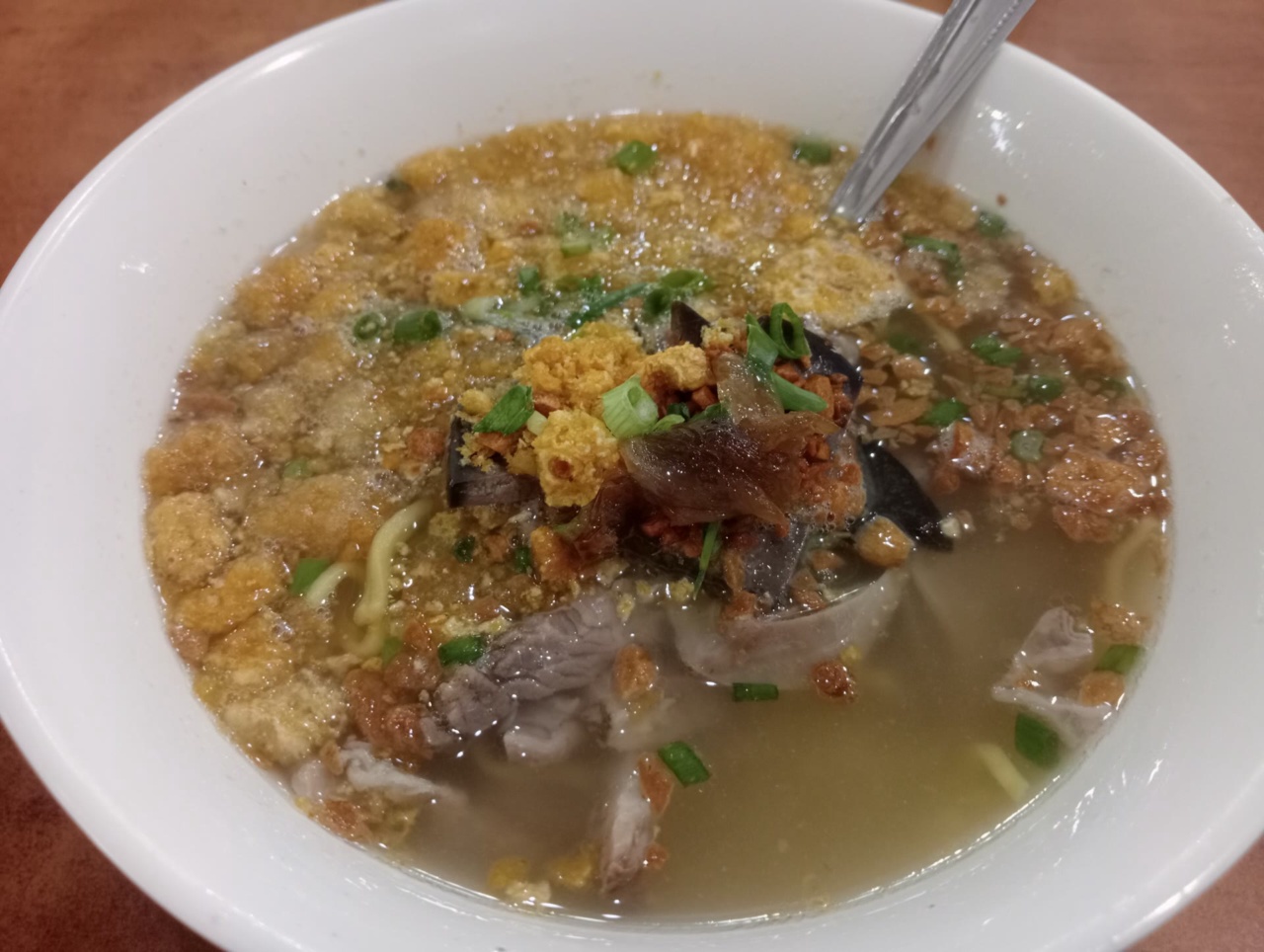
North of the city center, La Paz is the birthplace of batchoy and home to the sprawling La Paz Public Market, the single best place in the city for street food. It is a working-class district with authentic energy but limited accommodation options.
Molo
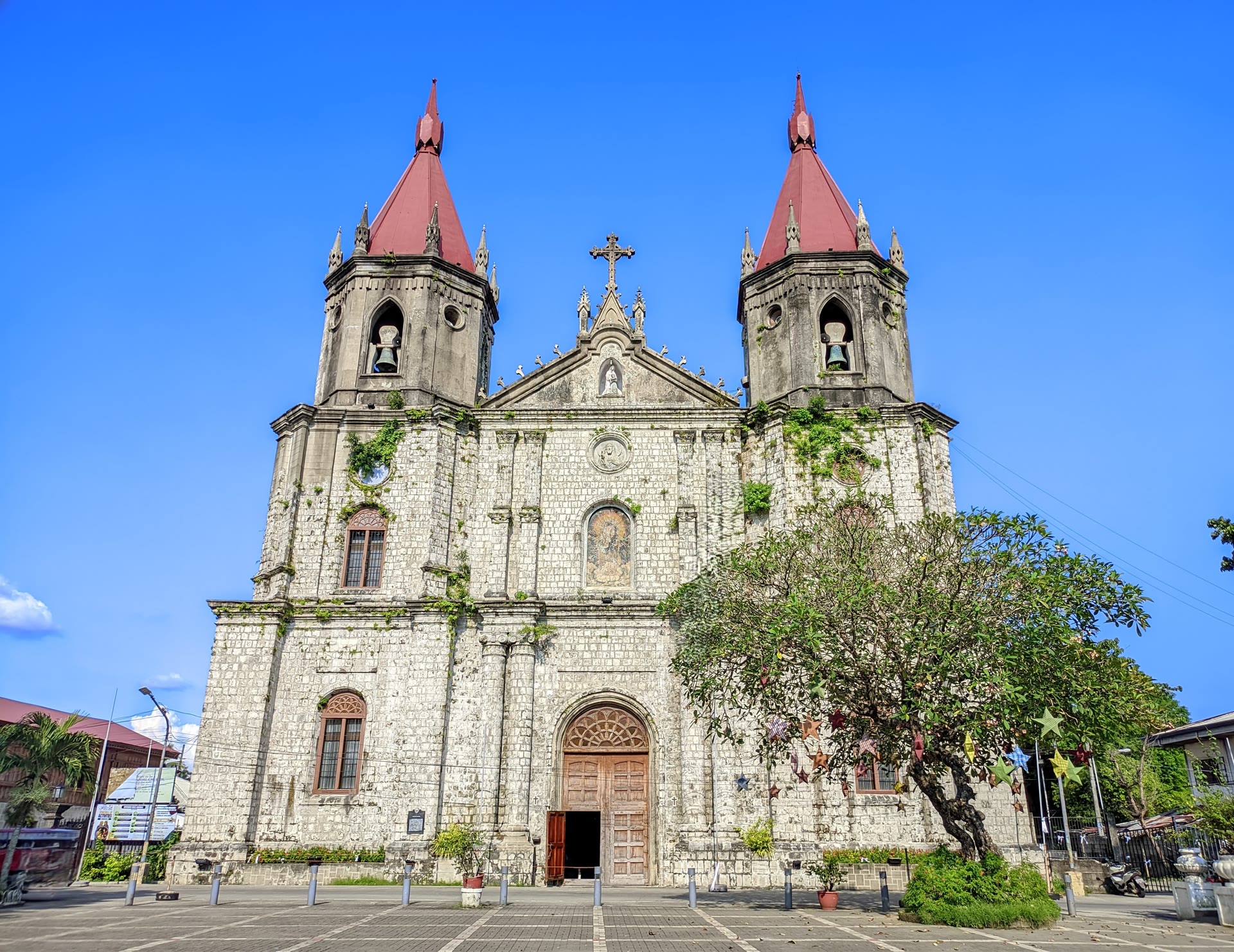
West of City Proper, Molo was historically the Chinese-mestizo quarter and retains a cluster of ancestral houses and the striking coral-stone Molo Church. The neighborhood is quieter and more residential, good for a half-day heritage walk.
Jaro
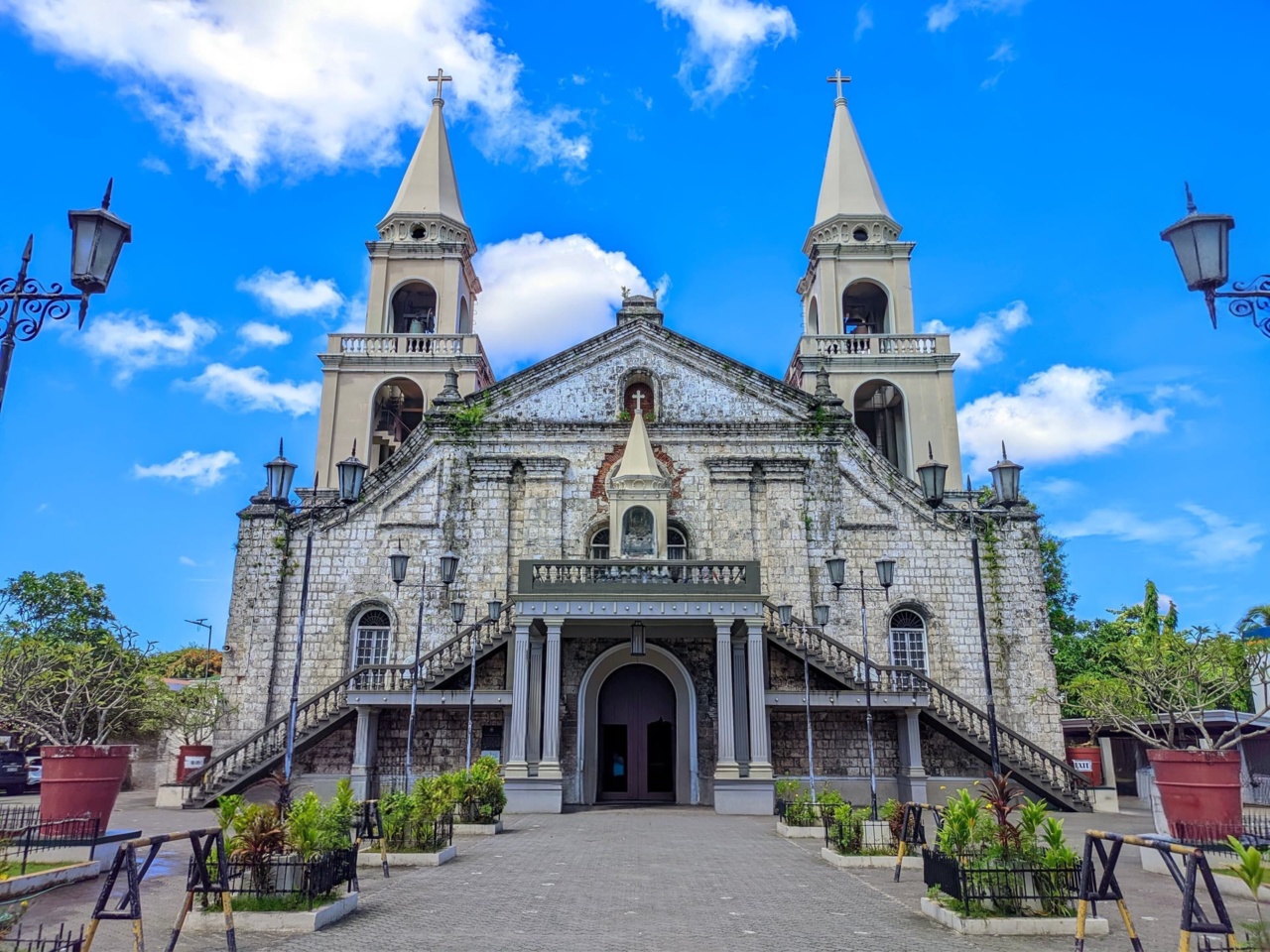
The old ecclesiastical capital lies north of the river and is anchored by the Jaro Cathedral with its distinctive belfry standing across the plaza. Jaro has a more suburban feel and is home to several universities.
Mandurriao and the Business District
The modern commercial strip runs along Diversion Road in Mandurriao, where you will find SM City Iloilo, Festive Walk Mall, and most of the mid-range and upscale hotels. If you want air-conditioned comfort and easy access to restaurants and malls, stay here. It is about 10 to 15 minutes by taxi from the heritage core.
Smallville Complex
Iloilo's nightlife hub is a compact area of bars, restaurants, and clubs along Lopez Jaena Street in Mandurriao. This is where university students and young professionals go out, and it is the most convenient area for travelers who want dining and drinks within walking distance of their hotel.
Where to Stay by Priority
Heritage and culture: City Proper, within walking distance of Calle Real
Nightlife and dining: Near Smallville Complex or along Diversion Road
Budget: City Proper or near the transport terminals
Comfort and families: Mandurriao business district near the malls
Things to Do
Offers are only loaded from GetYourGuide after you click. GetYourGuide can then process your IP address and set cookies. Privacy Policy
GetYourGuide partner offers. GoAsia may earn a commission if you book through these offers. Check whether tickets or transfers are included, and follow the attraction's official booking and admission rules.
Best Time to Visit
Iloilo has a tropical climate with two broad seasons: dry and wet. The distinction matters because heavy rains can cause localized flooding in the city center.
Period
Weather
Crowds
Prices
November to May (dry season)
Hot, minimal rain, March to May extremely hot (34-36C)
Moderate, peak around festivals
Standard to slightly higher during Dinagyang
June to October (wet season)
Frequent heavy rain, occasional typhoons, cooler
Low
Lower, good deals on hotels
The absolute highlight of the Iloilo calendar is the Dinagyang Festival, held on the fourth weekend of January. This is one of the Philippines' most spectacular tribal dance festivals, with competing groups performing elaborate choreography in the streets. Hotels fill up weeks in advance, so book early if you want to attend. It is loud, colorful, and genuinely thrilling.
The Paraw Regatta, usually held in February, features traditional double-outrigger sailboats racing in the Iloilo Strait and is a more relaxed event worth catching. For comfortable sightseeing weather without extreme heat, December through February is ideal.
Getting There and Getting Around
Arriving by Air
Iloilo International Airport (ILO), located in Santa Barbara about 19 kilometers north of the city center, receives direct flights from Manila. Philippine Airlines flies the route several times a day, and the morning flight takes 1 hour 15 minutes.[1]Cebu Pacific also serves Iloilo.[2]
From the airport, Grab is the most convenient way to reach the Mandurriao hotel district,[3] and metered taxis run there too. Vans and jeepneys also run to the city but are slower and less convenient with luggage.
Arriving by Sea
Iloilo has a major port with fast craft to Bacolod on Negros Island[4] and 2GO ferries on longer routes to Manila and other ports.[5] The Iloilo Ferry Terminal is centrally located. For schedules and booking details for ferries across the region, GoAsia.cc is a useful resource for comparing transport options.
Getting Around the City
Jeepneys are the backbone of local transport, with fixed routes and fares of around $0.20 per ride. They are an experience in themselves but can be confusing for first-timers since routes are not well-marked. Ask locals or your hotel for the right jeepney code.
Tricycles (motorcycle with sidecar) are everywhere and useful for short hops. A ride within a district should cost around $0.40 to $0.80, but always agree on the fare before boarding.
Grab works reliably in Iloilo and is the most comfortable option. A cross-city ride typically runs $1.50 to $3. Regular taxis are also available but less common than in Manila or Cebu.
The heritage districts of City Proper, Molo, and Jaro are walkable in the cooler morning hours, but the heat and lack of continuous sidewalks make walking uncomfortable by midday. The Iloilo River Esplanade is a pleasant exception, offering a shaded waterfront path in the city center.
Top Sights and Experiences
Must-See Attractions
Calle Real Heritage Zone: Walk the length of J.M. Basa Street to admire the best-preserved collection of early-20th-century commercial architecture in the Visayas. Look for the Elizalde Building, the old Iloilo customs house, and several restored shophouses. Free to explore, best in the morning light. Allow 1 to 2 hours including detours into side streets.
Molo Church (St. Anne Parish Church): A striking Gothic-Renaissance coral-stone church built in the 1800s, notable for its all-female saints lining the nave. The surrounding Molo Plaza is pleasant and quiet. Free entry, 30 minutes is enough unless you linger in the neighborhood's ancestral houses.
Jaro Cathedral and Belfry: The belfry stands apart from the church across the plaza, a design that suits an earthquake-prone country. The cathedral houses the image of the Nuestra Senora de la Candelaria, the patroness of the Western Visayas. Free entry, combine with a walk through the nearby Jaro heritage houses. Allow 1 hour for the area.
La Paz Public Market: Come hungry. The market is a sprawling, slightly chaotic food destination where you can eat original La Paz batchoy at the stalls that invented it, along with pancit molo, fresh seafood, and local sweets. Best visited for a late breakfast or early lunch. Budget around $1 to $3 for a full meal.
Iloilo Museum of Contemporary Art (ILOMOCA): Housed in a beautifully restored heritage building on Iznart Street, this is one of the best small contemporary art museums in the Philippines. Rotating exhibitions feature Ilonggo and national artists. Entry is free. Allow 45 minutes to 1 hour.
Iloilo River Esplanade: A revitalized waterfront promenade that is Iloilo's answer to Manila's Baywalk, but more pleasant and less crowded. Best enjoyed in the late afternoon or after dark when the lights come on and food vendors set up. Free.
Lesser-Known Gems
Museo Iloilo: The provincial museum holds an interesting collection of pre-colonial gold artifacts, trade ceramics, and relics from the British occupation. Entry is around $1. Often overlooked by visitors, it provides excellent context for understanding the region's deep trading history. Allow 45 minutes.
Nelly Garden: A beautifully maintained ancestral home in Jaro that offers guided tours showcasing the lifestyle of wealthy Ilonggo families during the sugar boom era. Entry is around $2 to $3. Call ahead as visits are sometimes by appointment.
Iloilo Bike Lane Network: Iloilo has invested in bike infrastructure more than most Philippine cities. Renting a bicycle from a local shop and riding the lanes along the esplanade and through the heritage districts is a genuinely enjoyable way to sightsee. Rentals run around $3 to $5 per day.
Overrated Attractions
Garin Farm Pilgrimage Resort: Often promoted as a must-visit, this hilltop attraction in San Joaquin (about 1.5 hours from the city) features a long stairway with religious statues and a zipline. It is kitschy, overpriced for what it offers (around $5 to $8 entry), and the travel time is hard to justify unless you are already heading to the southern coast.
Miagao Church: While it is a UNESCO World Heritage Site[6] and architecturally significant, the church itself can be seen in 15 to 20 minutes, and the surrounding town offers little else. It is worth a stop only if you are already driving south along the coast, not as a standalone day trip.
City malls: SM City Iloilo and Festive Walk are fine for air-conditioned relief and practical shopping, but some guides list them as attractions. They are generic Philippine malls. Skip them unless you need something specific.
Food and Drink
Iloilo's food scene is arguably the best in the Visayas and one of the strongest in the entire Philippines. The city takes its eating seriously, and the local specialties are genuinely distinctive rather than slight variations on dishes you will find elsewhere.
Signature Dishes
Dish
Description
Where to Try
Typical Price
La Paz Batchoy
Egg noodle soup with pork organs, crushed chicharron, and a deep bone-marrow broth
La Paz Public Market stalls (the originals)
$0.80 to $1.50
Pancit Molo
Wonton soup with pork-filled dumplings in a savory broth, named after the Molo district
Heritage restaurants in Molo, or any local carinderia
$0.80 to $2
KBL (Kadios, Baboy, Langka)
A hearty stew of pigeon peas, pork, and unripe jackfruit, distinctly Ilonggo
Local carinderias and Ilonggo restaurants
$1 to $2
Iloilo Baked Scallops
Scallops baked in their shells with cheese, garlic butter, and breadcrumbs
Seafood restaurants along Villa Beach or in Mandurriao
$0.30 to $0.50 per piece
Kansi
A sour beef-shank soup with batwan fruit, similar to sinigang but distinctly Ilonggo
La Paz Market is the essential food pilgrimage. Go between 8 and 11 AM when the stalls are busiest and the broth is freshest. Point-and-eat ordering works fine here.
Smallville and Mandurriao have the highest concentration of sit-down restaurants, from Korean barbecue to upscale Filipino dining. A mid-range dinner for two with drinks runs around $15 to $25.
The Esplanade area comes alive at night with food stalls selling grilled seafood, barbecue skewers, and local snacks. Budget around $2 to $5 for a full meal.
Street food is safe to eat at busy stalls with high turnover. Look for isaw (grilled chicken intestines), kwek-kwek (deep-fried quail eggs in orange batter), and fresh lumpia. A street food feast costs well under $2.
For seafood, the experience of buying fresh catch at a wet market and having a nearby restaurant cook it for a small fee (locally called a paluto arrangement) is common and highly recommended. Villa Beach area and some restaurants near the fish port offer this setup. Expect to pay around $5 to $10 total for a generous seafood spread.
Price Ranges
Budget meal (carinderia or market): $0.80 to $2
Mid-range restaurant: $4 to $8 per person
Upscale dining: $10 to $20 per person
Local beer (San Miguel): $0.60 to $1.20
Specialty coffee: $1.50 to $3
Where to Stay
Budget (Under $20 per night)
Iloilo has a growing number of hostels and budget hotels, especially in City Proper and along the main roads near the transport terminals. Expect basic air-conditioned rooms with private bathrooms. Some pension houses near Jaro and La Paz offer clean doubles for $10 to $15. Quality varies, so check recent reviews.
Mid-Range ($20 to $60 per night)
The sweet spot for most travelers. Hotels along Diversion Road and near Smallville Complex offer modern rooms, reliable Wi-Fi, and sometimes pools. Several well-known Philippine hotel chains have properties here. A good mid-range room typically runs $30 to $45 and puts you within walking distance of restaurants and nightlife.
Upscale ($60 to $120 per night)
Iloilo's top-tier hotels are concentrated in Mandurriao near the business district and Megaworld's Iloilo Business Park. Expect international-standard rooms, fitness centers, and on-site dining. A handful of boutique options in restored heritage buildings have appeared in the City Proper area, offering character that the chain hotels cannot match. These fill up during Dinagyang, so book well ahead if visiting in January.
Unique Stays
A few ancestral homes in Jaro and Molo have been converted into guesthouses, offering a chance to sleep in century-old wooden houses with capiz-shell windows. Availability is limited and booking often requires direct contact, but the experience is memorable and distinctly Ilonggo.
Practical Tips
Safety: Iloilo is one of the safest cities in the Philippines. Violent crime against tourists is extremely rare. Exercise normal precautions with valuables in crowded markets and on jeepneys. The city center is generally safe to walk at night, especially around the esplanade and Smallville area, though poorly lit side streets should be avoided.
Common scams: Tricycle overcharging is the most frequent issue. Always agree on a fare before riding. Some drivers near tourist spots quote three to five times the normal rate. Ask your hotel for typical fare ranges to calibrate your expectations.
Currency and payment: Cash is king in Iloilo. Most markets, small restaurants, and tricycles are cash-only. ATMs are widely available in malls and along main roads. Credit cards are accepted at hotels, malls, and upscale restaurants. Bring enough cash for a day of exploring heritage areas and markets.
Tipping: Not expected but appreciated. Rounding up or leaving 5 to 10 percent at sit-down restaurants is a kind gesture. No need to tip tricycle drivers or market vendors.
SIM cards and internet: Buy a local SIM (Globe or Smart) at the airport or any mall for around $2 to $3 with data. Mobile data coverage is good throughout the city. Wi-Fi in hotels and cafes is generally reliable but not blazing fast.
Language: The local language is Hiligaynon (Ilonggo). Filipino (Tagalog) is widely understood. English is spoken well by most people in hotels, restaurants, and shops. You will have no trouble communicating in English, though learning a few Ilonggo phrases (like salamat gid for thank you) earns genuine smiles.
Electricity: 220V with Type A and Type B plugs (same as US flat-pin style). Power is generally reliable, though brief outages can occur during heavy storms.
Cultural notes: Ilonggos are famously soft-spoken and polite. Raising your voice or showing visible frustration is considered very rude and will get you nowhere. Dress modestly when entering churches (cover shoulders and knees). Remove shoes when entering homes.
Water: Do not drink tap water. Bottled water is cheap and available everywhere (around $0.25 for 500ml). Ice in restaurants and cafes is generally safe as it is made from purified water.
Day Trips
Guimaras Island
Distance: 15 minutes by pump boat from the Ortiz Wharf or Parola Wharf. Boats leave frequently throughout the day and cost around $0.50 to $1 each way. Guimaras is famous for its mangoes (widely considered the sweetest in the Philippines), quiet beaches, and the Trappist Monastery that sells local products. Hire a tricycle or motorcycle on the island for a full-day tour (around $10 to $15 for the whole vehicle). The Alubihod and Nagarao beaches are pleasant but basic. Go for the mangoes, the rural atmosphere, and the escape from city noise. This is the single best day trip from Iloilo and should not be missed.
Miagao Church (UNESCO World Heritage Site)
Distance: About 40 kilometers south, roughly 1 to 1.5 hours by bus or van. Take a Miagao-bound jeepney or bus from the Mohon terminal. The church facade is a remarkable example of Filipino baroque, with a carved relief of Saint Christopher set against a tropical landscape of coconut and papaya trees.[6] The visit itself is quick (20 to 30 minutes), so combine it with a stop at the nearby San Joaquin Cemetery and Campo Santo for a more complete half-day trip.
Tigbauan and the Beaches of Southern Panay
Distance: 25 to 50 kilometers south. The coast road south of Iloilo passes through Tigbauan and on to Guimbal and Miagao, with occasional beaches and seafood stops along the way. None of the beaches are world-class, but the drive itself is scenic and the fresh seafood at roadside eateries is excellent. Rent a motorbike or hire a driver for the day (around $20 to $30).
Bacolod (Negros Occidental)
Distance: A short crossing by fast craft from Iloilo. Bacolod is the capital of Negros Occidental and has its own impressive food scene (try the chicken inasal) and the atmospheric Ruins of a sugar-baron mansion. If the MassKara Festival (October) coincides with your visit, it is absolutely worth the trip.
Islas de Gigantes
Distance: About 4 to 5 hours from Iloilo City by land and boat, via the town of Carles in northern Panay. This island group offers stunning karst formations, white-sand beaches, and incredibly cheap fresh seafood (scallops and sea urchin feasts for a few dollars). It requires an overnight stay or a very early start. Tour packages from Iloilo typically run $30 to $50 per person including transport, boat, food, and island-hopping. This is the best beach destination accessible from Iloilo if you have the time.
Sample 3-Day Itinerary
Day 1: Heritage and Food
Morning: Start at La Paz Public Market for a batchoy breakfast at one of the original stalls. Walk off the meal by exploring the market's produce and dry goods sections. Head to Jaro Cathedral and the belfry, then stroll through the nearby heritage houses.
Afternoon: Taxi or Grab to City Proper. Walk the Calle Real Heritage Zone along J.M. Basa Street, ducking into ILOMOCA for the current exhibition. Continue to the Iloilo River Esplanade for a late-afternoon walk.
Evening: Dinner at a restaurant near Smallville Complex. Try KBL or kansi for an authentic Ilonggo meal. Explore the bars and cafes in the area if the energy is right.
Day 2: Guimaras Island
Morning: Head to Ortiz Wharf or Parola Wharf early (by 8 AM) and catch a pump boat to Jordan, Guimaras. Hire a tricycle for the day. Visit the Trappist Monastery, buy mango products, and head to the mango farm for tastings (seasonal, best from March to May).
Afternoon: Beach time at Alubihod or Raymen Beach Resort. Have a seafood lunch at one of the island's simple restaurants. Visit the Guimaras Heritage Park or simply enjoy the quiet pace.
Evening: Catch a late-afternoon boat back to Iloilo. Freshen up and head to the Esplanade for grilled seafood from the night stalls.
Day 3: Molo, Museo, and Southern Coast
Morning: Visit Molo Church and walk through the surrounding ancestral houses. Try pancit molo for breakfast or brunch at a local eatery in the district. Head to Museo Iloilo to see the pre-colonial gold and trade-ceramic collections.
Afternoon: If you have the energy, take a bus or hired vehicle south to Miagao Church (UNESCO site) and back, stopping for fresh seafood along the coast road. Alternatively, spend the afternoon cafe-hopping in the Iloilo Business Park area, which has a growing specialty coffee scene.
Evening: Final dinner at a well-regarded Ilonggo restaurant. Pick up biscocho and barquillos as pasalubong (gifts) from one of the shops on Bañadero Street before packing up.
Budget Overview
Category
Budget
Mid-Range
Comfort
Accommodation
$10 to $15
$30 to $45
$60 to $100
Food
$5 to $8
$12 to $18
$20 to $35
Transport
$2 to $3
$5 to $8
$10 to $15
Activities
$2 to $3
$5 to $10
$10 to $20
Daily Total
$19 to $29
$52 to $81
$100 to $170
Iloilo is one of the most affordable cities in the Philippines for travelers. Budget backpackers can live well on under $30 a day, eating at markets and taking jeepneys. Mid-range travelers will find excellent value, with comfortable hotels and generous restaurant meals for a fraction of what they would cost in Manila or Cebu. Even at the comfort level, Iloilo feels like a bargain compared to other Southeast Asian cities.
Frequently Asked Questions
Is Iloilo worth visiting?
Absolutely. Iloilo offers one of the Philippines' best food scenes, well-preserved Spanish-era heritage architecture, and easy access to Guimaras Island and the Gigantes Islands. It is less crowded and more affordable than Cebu or Manila while delivering a more authentic Filipino experience. If you enjoy eating, history, and using a city as a base for island exploration, Iloilo is a rewarding destination.
How many days do you need in Iloilo?
Three days is ideal for covering the city's heritage districts, food scene, and a day trip to Guimaras Island. If you want to add the Gigantes Islands or a trip to Miagao and the southern coast, plan for four to five days. The city itself can be explored in two days, but the surrounding area deserves extra time.
Is Iloilo safe for tourists?
Iloilo is considered one of the safest cities in the Philippines. Violent crime against tourists is very rare. The main concern is petty issues like tricycle fare overcharging. Exercise standard precautions in crowded markets, avoid poorly lit areas at night, and you should have no problems.
What food is Iloilo famous for?
Iloilo is best known for La Paz batchoy, a rich pork-organ noodle soup, and pancit molo, a wonton-style dumpling soup. Other specialties include KBL (a stew of pigeon peas, pork, and jackfruit), kansi (sour beef soup), baked scallops, and sweet pasalubong like biscocho and barquillos. The La Paz Public Market is the essential food destination.
What is the best time to visit Iloilo?
The dry season from November to May is best, with December to February offering the most comfortable temperatures. January is peak time due to the Dinagyang Festival, one of the Philippines' most spectacular celebrations. Avoid June through October if possible, as heavy rains can cause flooding and disrupt travel plans.
How do I get from Iloilo airport to the city center?
Iloilo International Airport is about 19 kilometers north of the city. Grab is usually the most convenient way to reach the hotel district in Mandurriao, and metered taxis run there too. Shared vans and jeepneys are cheaper but slower and less practical with luggage.
Is Iloilo expensive?
Iloilo is very affordable, even by Philippine standards. Budget travelers can get by on $20 to $30 per day, and mid-range travelers will find excellent value at $50 to $80 daily. Market meals cost under $2, Grab rides are a few dollars, and hotel rooms are significantly cheaper than in Manila or Cebu.
Can you drink tap water in Iloilo?
No, do not drink tap water in Iloilo. Stick to bottled water, which is cheap and widely available at around $0.25 for a 500ml bottle. Ice in restaurants and cafes is generally safe as it is produced from purified water.
How do I get to Guimaras Island from Iloilo?
Head to Ortiz Wharf or Parola Wharf in Iloilo City and catch a small pump boat to Jordan, Guimaras. Boats leave frequently throughout the day, the crossing takes about 15 minutes, and the fare is roughly $0.50 to $1 each way. On Guimaras, hire a tricycle for around $10 to $15 for a full-day island tour.
Is English widely spoken in Iloilo?
Yes, English is widely spoken and understood in Iloilo, especially in hotels, restaurants, malls, and among younger Ilonggos. The local language is Hiligaynon (Ilonggo), and learning a few phrases will be warmly received, but you can navigate the city comfortably in English without any issues.
Sources and background
Numbers in the text such as [1] refer to these sources.