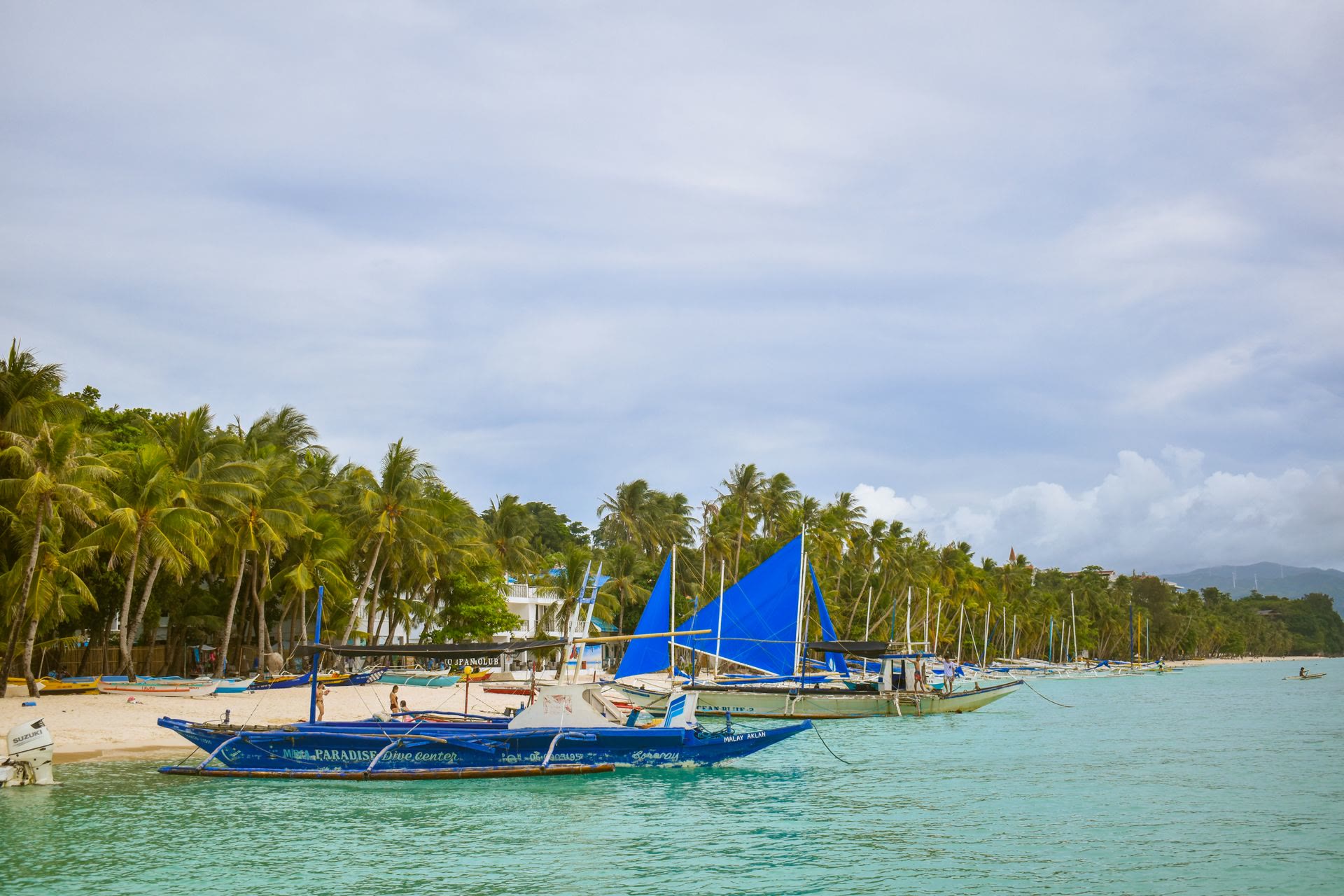
Boracay White Beach: The Philippines' Most Famous Stretch of Sand
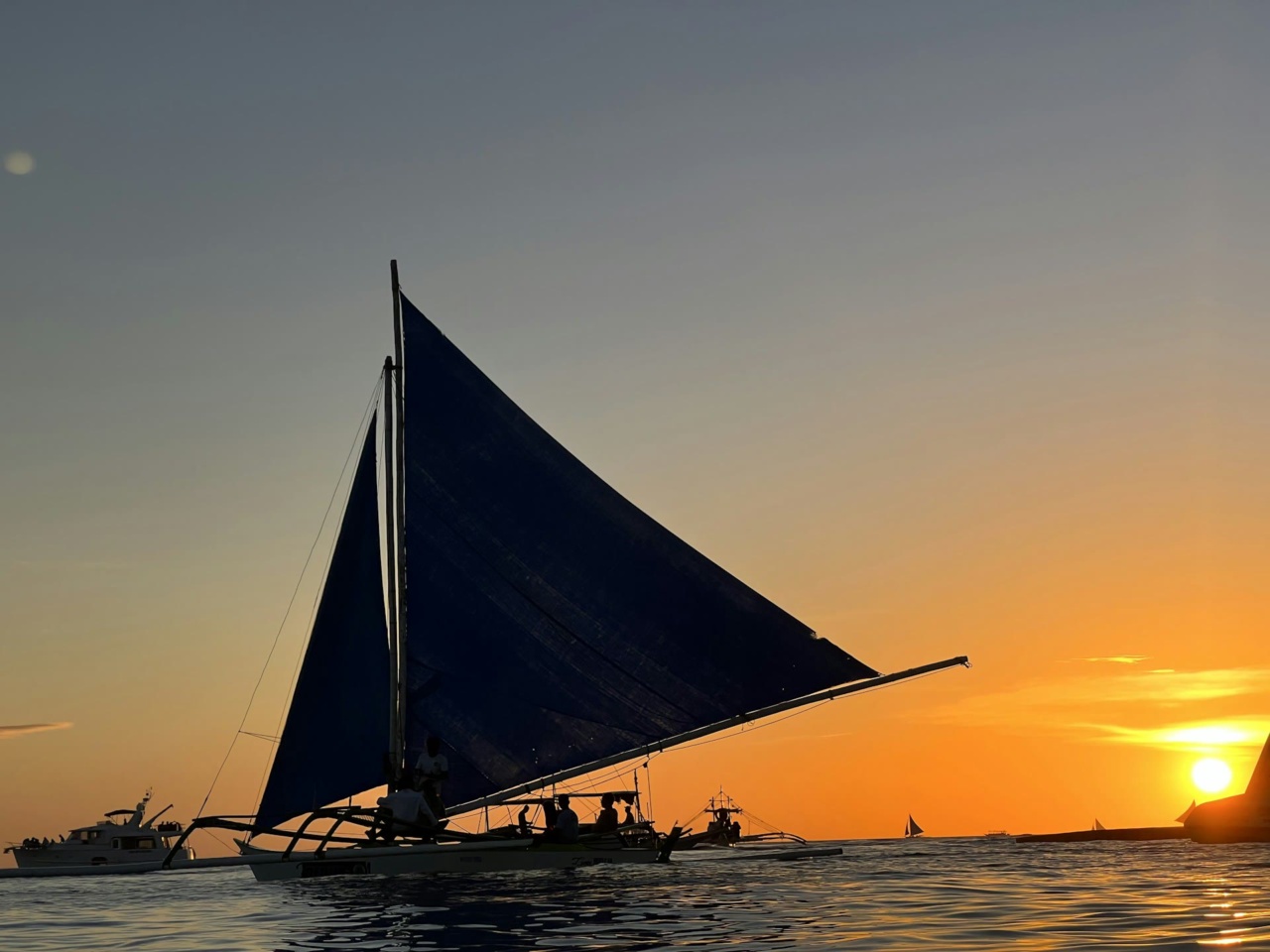
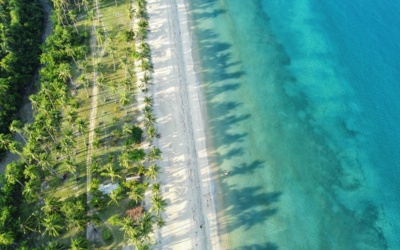
Four kilometers of powder-fine white sand so soft it feels like flour between your toes, lapped by shallow turquoise water that stays warm year-round. Boracay's White Beach has earned its reputation as one of the best beaches in Asia through sheer natural beauty - the sand is genuinely, almost impossibly white, and the sunsets that blaze across the western horizon every evening are the kind that make people put down their phones and just watch.
The island itself is tiny - just 10 square kilometers - but packs an outsized amount of energy into that space. White Beach runs along the entire western coast, divided into three distinct stations that range from upscale and serene to buzzing with bars and restaurants. After a six-month closure for environmental rehabilitation, Boracay reopened cleaner and better managed than before, with stricter building regulations and improved water quality. The result is an island that balances its party-beach reputation with genuinely beautiful natural surroundings.
Understanding the Three Stations
White Beach is divided into three sections, numbered from north to south. Each has a distinct character, and choosing the right station for your base makes a real difference to your experience.
| Station | Character | Budget (per night) | Best For |
|---|---|---|---|
| Station 1 (north) | Widest beach, quieter, upscale resorts | PHP 4,000-15,000+ | Couples, relaxation, luxury |
| Station 2 (center) | Busiest section, restaurants, shops, nightlife | PHP 1,500-6,000 | Socializing, convenience, first-timers |
| Station 3 (south) | Narrower beach, local feel, budget-friendly | PHP 800-3,000 | Budget travelers, longer stays |
Station 1
The widest and most photogenic stretch of White Beach. The sand here is broadest, the water calmest, and the atmosphere most relaxed. Premium resorts line the beachfront, and the crowds thin out compared to Station 2. This is where you come for long, uninterrupted walks along the waterline and quiet mornings on the sand. The northern end near Willy's Rock - a small volcanic formation topped with a shrine - is one of the most photographed spots on the island.
Station 2
The beating heart of Boracay. D'Mall, the island's main shopping and dining strip, sits right behind the beach here. Restaurants, bars, tour booking offices, souvenir shops, and massage parlors crowd together along the beachfront path. At night, this section comes alive with fire dancers, live music, and bars serving cocktails in the sand. If you want to be in the middle of everything, Station 2 is where to stay - but expect noise and crowds, especially on weekends and holidays.
Station 3
The budget traveler's pick. The beach is narrower here and the water slightly rockier in places, but the accommodation prices drop significantly. The atmosphere is more local, with small guesthouses and Filipino-run restaurants. Station 3 is only a 10-minute walk from Station 2's action, making it a good compromise between affordability and access.
Things to Do
Getting to Boracay
Via Caticlan Airport (MPH)
Godofredo P. Ramos Airport in Caticlan is the closest airport to Boracay, just minutes from the jetty port. Flights from Manila take about one hour, with Philippine Airlines, Cebu Pacific, and AirAsia operating multiple daily services. One-way fares start around PHP 2,000-4,000 depending on season and booking time.
From Caticlan Airport to the island:
- Take a tricycle or e-tricycle from the airport to Caticlan Jetty Port (5 minutes, PHP 75-100)
- Pay the terminal fee (PHP 150) and environmental fee (PHP 300 for foreign tourists)
- Board a pump boat ferry to Boracay (10-15 minutes, PHP 50)
- From Cagban Port on Boracay, take a tricycle to your hotel (PHP 100-150)
Via Kalibo Airport (KLO)
Kalibo International Airport is larger and sometimes offers cheaper flights, but it is 1.5 to 2 hours from the Caticlan jetty by van or bus. Flights connect Kalibo to Manila, Cebu, and some international destinations including Seoul and Taipei. One-way van transfers from Kalibo to Caticlan jetty cost PHP 200-300 per person.
Unless the price difference is significant, fly into Caticlan for convenience. The time saved is substantial, and the total cost difference shrinks once you factor in the van transfer from Kalibo.
By Ferry from Other Islands
Ferries connect Caticlan port to other Visayan islands. Routes from Cebu and Iloilo run regularly, though travel times are long (8-12 hours). The ferry is mainly useful for budget travelers combining Boracay with other Visayas destinations.
Things to Do
Water Activities
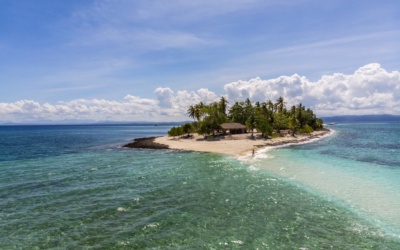
- Island hopping: Half-day or full-day tours visit Crystal Cove, Crocodile Island, Magic Island (with cliff jumping platforms), and snorkeling spots around the island. Tours cost PHP 1,500-2,500 per person including lunch and snorkeling gear.
- Sunset paraw sailing: Traditional outrigger sailboats (paraws) take passengers along White Beach at sunset. The sails catch the orange light and the experience is quintessentially Boracay. Around PHP 500-800 per person for 30-60 minutes.
- Helmet diving: Walk on the ocean floor wearing an air-supplied helmet, surrounded by tropical fish. No diving experience needed. Popular with non-swimmers and families. About PHP 800-1,200 per person.
- Parasailing: Soar above the beach and see the entire island from the air. About PHP 2,500-3,500 per person.
- Kitesurfing and windsurfing: Bulabog Beach on the island's eastern side catches consistent winds from November to April. Lessons start at PHP 3,000-4,000 for a beginner session. This is one of the best kitesurfing spots in Southeast Asia.
- Snorkeling and diving: Coral gardens surround the island, with good sites accessible from shore or by boat. Discover Scuba dives for beginners cost PHP 3,000-4,000. Open Water certification runs PHP 15,000-18,000.
On Land
- D'Mall: Boracay's main commercial strip behind Station 2. A maze of restaurants, cafes, shops, and services. Not a traditional mall but an open-air market street. Good for an evening stroll and dinner.
- Mount Luho: The highest point on the island (100 meters) with a viewing deck offering panoramic views of the island, beaches, and surrounding sea. A short tricycle ride from the main beach area plus a few minutes of stairs. Entrance PHP 100.
- Puka Shell Beach: On the island's northern tip, this quieter beach is named for the puka shells that wash ashore. Less developed than White Beach with a wilder, more natural atmosphere. Good for a half-day escape from the main strip.
- Spa and wellness: Boracay has dozens of massage and spa places ranging from PHP 300 beachfront massages to full-service resort spas. The quality is generally high and the prices are a fraction of what you would pay at home.
Nightlife
Boracay's nightlife centers on Station 2 and the southern end of Station 1. Beach bars serve cocktails in the sand until late, fire dancers perform nightly along the beachfront, and a few clubs keep the party going past midnight. Happy hour deals are common from sunset until around 9 PM. The atmosphere is fun and social without being overwhelming - this is not a Koh Phangan-style party scene but a lively beach town with good energy.
Where to Eat
Boracay's food scene covers everything from beachfront barbecue to international fine dining.
- Filipino food: Do not miss fresh seafood - grilled fish, kinilaw (Filipino ceviche), sinigang, and adobo are staples at local restaurants. Meals at Filipino eateries cost PHP 150-300.
- Seafood market: The D'Talipapa wet market lets you choose fresh fish, prawns, crabs, and shellfish, then have them cooked at an adjacent restaurant for a small fee. A seafood feast for two can cost PHP 500-1,000 total.
- International options: Korean, Japanese, Italian, and Mexican restaurants are well-represented, reflecting Boracay's international visitor mix. Mid-range restaurant mains cost PHP 300-600.
- Beachfront dining: Restaurants along White Beach offer tables in the sand with sunset views. Prices are higher than inland options but the setting is worth the premium for a special evening.
When to Visit
| Season | Weather | Notes |
|---|---|---|
| November to May (Amihan/dry) | Sunny, calm seas on White Beach side | Peak season. Best beach weather. Highest prices and crowds December-January and Easter. |
| June to October (Habagat/wet) | Rain, stronger winds, rougher seas on White Beach | Low season. Lower prices, fewer crowds. Bulabog Beach side is calmer. Rain comes in bursts, not all day. |
The sweet spot is November, February, or March - dry weather with more moderate crowds than the Christmas and Easter peaks. January is excellent weather-wise but busy with international visitors. During Habagat season, the kitesurfing at Bulabog Beach actually improves, and hotel prices drop by 30-50%.
Tips for Visiting Boracay
- Fly into Caticlan, not Kalibo: Unless flights to Kalibo are dramatically cheaper, the convenience of Caticlan Airport saves you 1.5-2 hours of van travel. The total cost difference after adding the Kalibo van transfer is often minimal.
- Choose your station wisely: Station 1 for peace and the widest beach. Station 2 for restaurants, nightlife, and convenience. Station 3 for budget accommodation with easy access to everything. Moving between stations on foot takes 10-20 minutes along the beachfront path.
- Walk the full beach at sunset: The entire 4-kilometer length of White Beach is walkable along the sand. An evening walk from Station 3 to Station 1 during sunset is one of the best free experiences on the island.
- Buy seafood at D'Talipapa: Choose your own fresh fish at the wet market and have it grilled at a neighboring restaurant. This is how locals eat and it costs a fraction of beachfront restaurant prices for the same (or better) quality.
- Visit Puka Shell Beach: Most visitors never leave White Beach. A tricycle ride to Puka Beach on the northern tip gives you a completely different, quieter beach experience with almost no development. Worth a half-day trip.
- Book water activities from the beach: Tour operators line the beachfront and prices are competitive. You rarely need to book in advance except during peak holiday periods. Shop around - prices for the same activity vary between operators.
- Respect the environmental rules: Boracay's rehabilitation imposed strict rules: no smoking on the beach, no sandcastles (to protect the sand composition), no drinking alcohol on the beach, and no beach vendors. These rules are enforced and have made the beach significantly cleaner and more enjoyable.
- Bring cash: While more establishments now accept cards, many smaller restaurants, tricycle drivers, and tour operators are cash-only. ATMs are available near D'Mall but can have queues and withdrawal limits. Bring enough pesos from Manila for at least your first few days.
For more Philippines beach guides and island-hopping itineraries, explore other articles on GoAsia.cc.
Frequently Asked Questions
White Beach stands out for its exceptionally fine, powder-white sand that stays cool underfoot even in midday heat, and its 4-kilometer length along a calm, shallow turquoise waterfront. The three-station layout offers everything from luxury resorts to budget guesthouses on the same beach. The consistent sunset views over the western horizon and the vibrant beachfront dining and nightlife scene add to its appeal.
A comfortable 4-day trip costs roughly PHP 10,000-20,000 ($180-360) per person excluding flights. This covers mid-range accommodation (PHP 1,500-4,000/night), island hopping (PHP 1,500-2,500), meals, and local transport. Flights from Manila to Caticlan add PHP 2,000-4,000 one way. Budget travelers staying in Station 3 can spend significantly less. The environmental fee is PHP 300 for foreign tourists plus PHP 150 terminal fee and PHP 50 boat fare.
Fly from Manila to Caticlan Airport (1 hour, from PHP 2,000 one way with budget airlines). From Caticlan, take a tricycle to the jetty port, pay fees, and board a pump boat to the island (total transfer about 30 minutes, under PHP 600 in fees and fares). Alternatively, fly to Kalibo Airport (sometimes cheaper) and take a 1.5-2 hour van to Caticlan jetty before the same boat crossing.
The dry season from November to May offers the best beach weather with calm seas on the White Beach side. November, February, and March provide the best balance of good weather and moderate crowds. December-January and Easter are peak periods with highest prices. June to October is the wet season with lower prices and fewer tourists, though rain usually comes in short bursts rather than all-day downpours.
Station 1 has the widest beach and most upscale atmosphere, ideal for couples and relaxation. Station 2 is the social hub with the most restaurants, shops, and nightlife, best for first-time visitors who want convenience. Station 3 offers the lowest prices and a quieter, more local feel, perfect for budget travelers. All three stations are connected by a beachfront walking path, so nothing is more than 20 minutes away on foot.
Yes, the calm, shallow waters along White Beach are safe for children, especially at Station 1 where the water is gentlest. Helmet diving is popular with kids who cannot swim. Island hopping tours are family-friendly, and the beachfront path is flat and walkable. Station 1 offers the quietest environment for families. Avoid Station 2 at night if you want to keep things calm.
Island hopping tours (PHP 1,500-2,500) visit surrounding islands with snorkeling stops. Sunset paraw sailing on traditional outriggers costs PHP 500-800. Helmet diving lets non-swimmers walk the ocean floor (PHP 800-1,200). Parasailing costs PHP 2,500-3,500. Kitesurfing at Bulabog Beach is excellent from November to April with lessons from PHP 3,000. Scuba diving ranges from introductory dives (PHP 3,000-4,000) to full certification courses.