Known as the Culinary Capital of the Philippines, Pampanga is a province north of Manila where food is treated as high art and heritage churches stand as monuments to centuries of Spanish colonial influence.
The first thing you notice about Pampanga is the food. Not just the quantity of it, but the reverence with which it is prepared, discussed and consumed. This is a province where home cooks guard family recipes with the seriousness of state secrets, and where a debate about the best sisig can last an entire evening. Pampanga sits in the heart of Central Luzon, north of Manila, and it has earned its reputation as the Culinary Capital of the Philippines through inventive cooking that blends indigenous, Spanish, Mexican and Chinese influences.
Beyond the food, Pampanga is a province of contrasts. The flat sugarcane fields and fishponds of its lowland towns give way to the gray lahar fields left by Mount Pinatubo's 1991 eruption. Grand Spanish-era churches anchor town plazas, while large modern malls serve the province's growing middle class. The capital, San Fernando, is known as the Christmas Capital of the Philippines for its Giant Lantern Festival every December.[1]
Pampanga suits travelers who want to go deeper into Filipino culture without the polished tourism infrastructure of places like Boracay or Palawan. It is not a beach destination. A weekend trip from Manila works well, but three to four days lets you cover the highlights without rushing.
Orientation and Neighborhoods
Pampanga is a province, not a single city, so understanding its layout helps with planning. The key towns and cities are spread across a flat alluvial plain, connected by highways and local roads, and each has its own personality.
San Fernando
The provincial capital and commercial center, where the Giant Lantern Festival is held every December. It has the heritage district around the Metropolitan Cathedral and a good selection of restaurants and hotels. It is a practical base for first-time visitors, centrally located and well connected to other towns.
Angeles City
The largest city in Pampanga and the gateway to Clark Freeport Zone. Angeles has the widest range of accommodation, from budget hostels to international-brand hotels inside Clark. The city is known for Fields Avenue, a nightlife strip, but it also has excellent Kapampangan restaurants, the Holy Rosary Parish Church and easy access to Mount Pinatubo treks.
Clark Freeport Zone
A former US Air Force base converted into a special economic zone, with wider roads, international hotels, duty-free shops, casinos and theme parks. It is the most comfortable and westernized area, suitable for families and business travelers, but it has less of the Kapampangan character found elsewhere. Clark International Airport is here.
Guagua and Betis
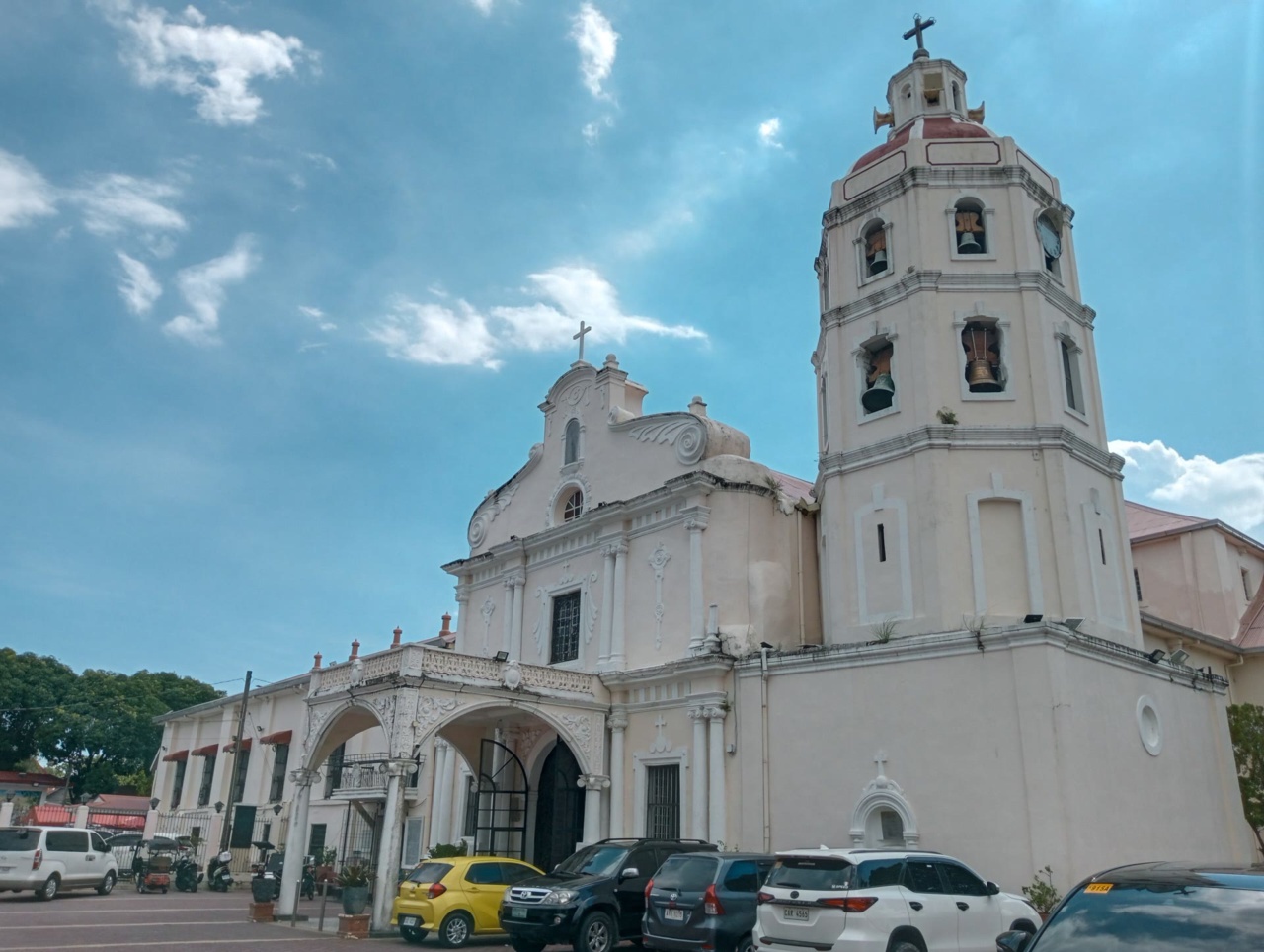
Guagua is a historic town known for its old houses and food heritage. The nearby barangay of Betis is home to the Saint James the Apostle Parish Church, known for its painted ceiling. This area is a must for heritage enthusiasts.
Mexico town is known for its sweets and delicacies, particularly pastillas de leche. Mount Arayat, a dormant volcano rising from the flat plains, anchors Arayat town and offers hiking trails.
Masantol and Macabebe
The southern fishing towns along the Pampanga River delta, where aquaculture dominates. These are places to try fresh seafood, including milkfish (bangus).
Things to Do
Offers are only loaded from GetYourGuide after you click. GetYourGuide can then process your IP address and set cookies. Privacy Policy
GetYourGuide partner offers. GoAsia may earn a commission if you book through these offers. Check whether tickets or transfers are included, and follow the attraction's official booking and admission rules.
Best Time to Visit
The Philippine climate has two main seasons: the rainy season from June to November and the dry season from December to May. The dry season splits into a cool dry period from December to February and a hot dry period from March to May.[2] The same pattern applies to Pampanga and affects your comfort and any Mount Pinatubo trek.
Season
Months
Weather
Notes
Cool Dry
December to February
Cooler, lower humidity
Best overall period; Giant Lantern Festival in December
Hot Dry
March to May
Hot and humid
Holy Week traditions are spectacular but the heat is intense
Rainy
June to November
Heavy rain, typhoons possible, flooding risk
Pinatubo treks may be suspended; some roads may flood
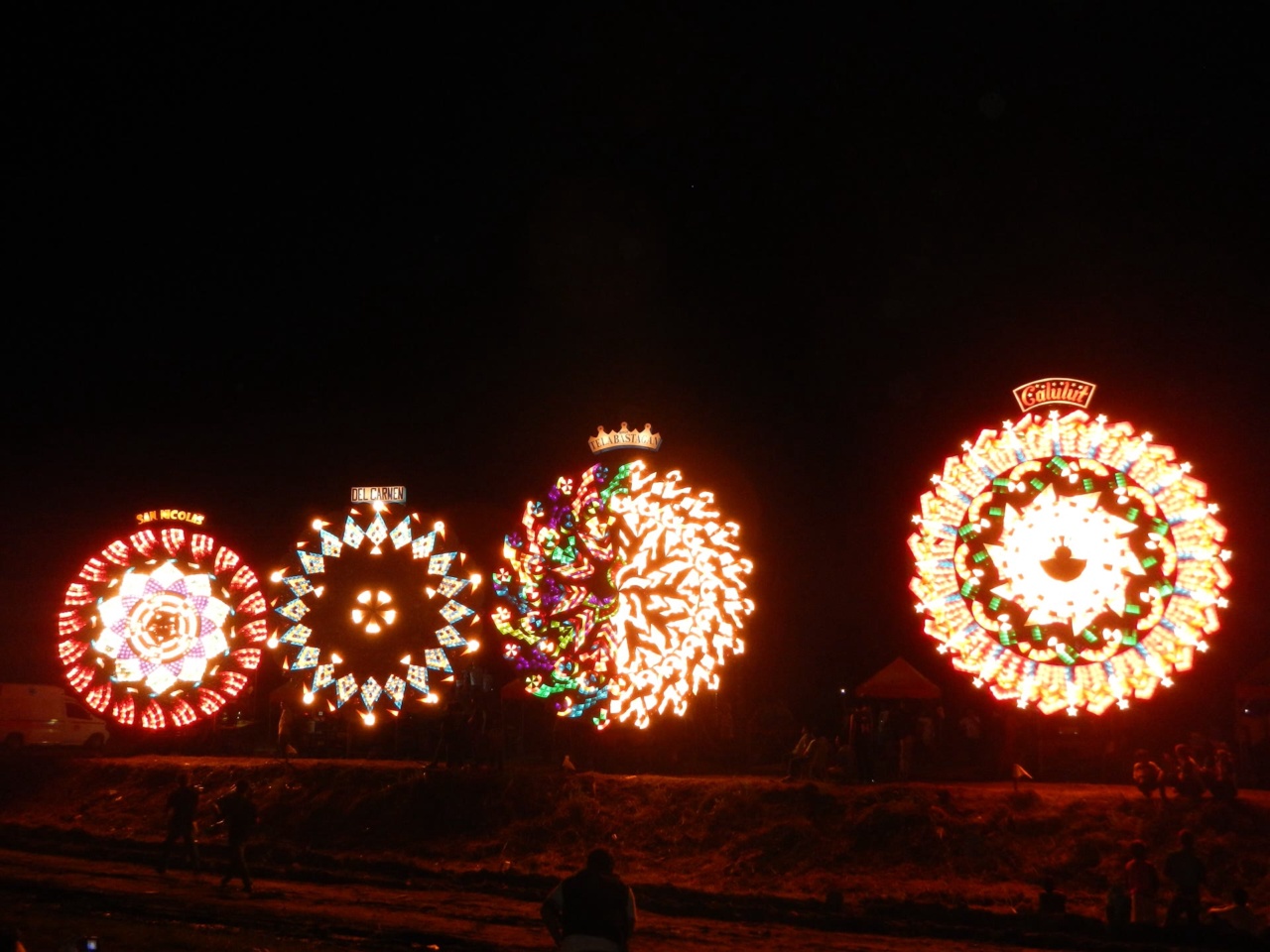
The cool dry season is the most comfortable time. December stands out thanks to the Giant Lantern Festival in San Fernando, where barangays compete with giant lanterns. In 2025, ten barangays took part, and the lanterns stayed on display at Robinsons Starmills until 1 January 2026.[1]
Holy Week (March or April) brings dramatic Lenten traditions, including the real-life crucifixion reenactments in San Fernando's barangay of San Pedro Cutud. These draw international media attention and large crowds. The heat is punishing, so bring sun protection and stay hydrated.
Avoid the rainy season if you can. Pampanga's flat terrain and its lahar channels make it vulnerable to flooding during heavy rains and typhoons.
Getting There and Getting Around
Getting There
Clark International Airport (CRK) is in Pampanga, inside the Clark Freeport Zone. Cebu Pacific lists Clark (Terminal 2) among its airports.[3] Since 29 March 2026, all Cebgo and AirSWIFT flights have operated from Clark instead of NAIA, including flights to Coron, El Nido and Siargao.[4] Taxis wait at Bays 6 and 7 at the airport, and Grab pick-up is at Bay 8. The Clark Loop bus runs from SM City Clark around Clark to the airport for PHP 15 to 50.[5]
Most travelers from Manila come by bus. Genesis Transport runs premium point-to-point buses without stops from NAIA, TriNoma and PITX to Clark and SM City Clark.[6] The Clark airport guide lists Genesis fares of PHP 450 between NAIA Terminal 3 and Clark Airport and PHP 310 from TriNoma to Clark Airport.[5] For other towns in Pampanga, regular buses leave from Manila's bus terminals; ask the operator for the current schedule. GoAsia.cc maintains updated transport information for Philippine destinations.
Driving from Manila is straightforward via the North Luzon Expressway (NLEX), which connects to the Subic-Clark-Tarlac Expressway (SCTEX). Toll fees apply on both.
Getting Around
Getting around Pampanga requires some patience and flexibility. There is no metro or unified public transit system. Your options include:
Jeepneys and tricycles: The backbone of local transport. Jeepneys connect major towns but can be confusing for first-timers. Tricycles (motorcycles with sidecars) handle short hops within towns.
Grab: Available around Clark, with a pick-up bay at the airport,[5] but less reliable in smaller towns.
Renting a car with a driver: The most convenient option for exploring several towns, and recommended because local driving conditions can be chaotic.
Buses: Provincial buses and mini-buses connect larger towns along main highways.
Walking is practical within individual town centers but not between towns. For a multi-town food tour or heritage circuit, a hired car with driver is the most efficient choice.
Top Sights and Experiences
Must-See Attractions
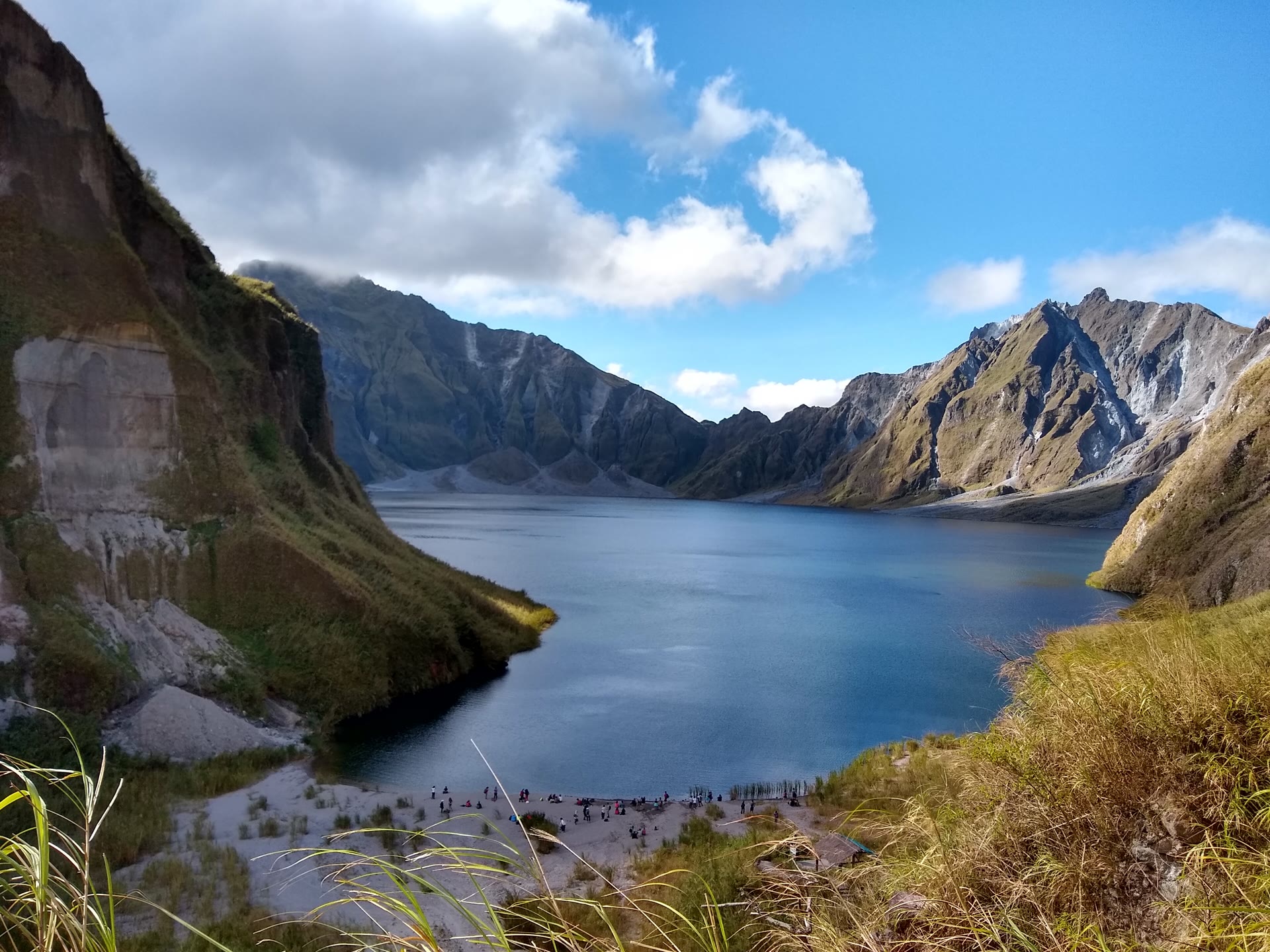
Mount Pinatubo Crater Lake: The best-known natural attraction in the area. The trek starts from a jump-off point in Capas, Tarlac, just across the provincial border, with a 4x4 ride across lahar fields followed by a hike to the crater lake. Book through registered tour operators, start early to avoid the afternoon heat, and expect river crossings and uneven terrain. The trek is best attempted in the dry season.
Saint James the Apostle Parish Church (Betis Church): A church in Guagua, famous for the painted ceiling inside, often compared to a chapel ceiling in Europe. The church is typically open during the day, and a visit does not take long.
Giant Lantern Festival (San Fernando): Held every December, this is Pampanga's signature cultural event. Barangays compete with giant lanterns, which are then displayed at a central venue and at several malls over the holidays.[1]
San Fernando Heritage District: The area around the Metropolitan Cathedral and the old town center has colonial-era buildings, the Pampanga Provincial Capitol and a pleasant walking route.
Nayong Pilipino (Clark): A cultural theme park inside Clark with miniature landmarks from across the Philippines, a good primer on Filipino culture, especially for families.
Hidden Gems
Mount Arayat National Park: This dormant volcano offers hiking trails with panoramic views of Central Luzon. It is less crowded than Pinatubo.
Sindalan and San Fernando Food Streets: Pampanga's culinary treasures are scattered across neighborhoods rather than on one famous food street. The stretch along Sindalan in San Fernando and the roadside eateries along MacArthur Highway have many authentic Kapampangan restaurants that cater to locals.
Food and Drink
This is the section that matters most in a Pampanga guide. The Kapampangan culinary tradition is one of the richest regional cuisines in the Philippines, and eating here is the main reason many food lovers visit.
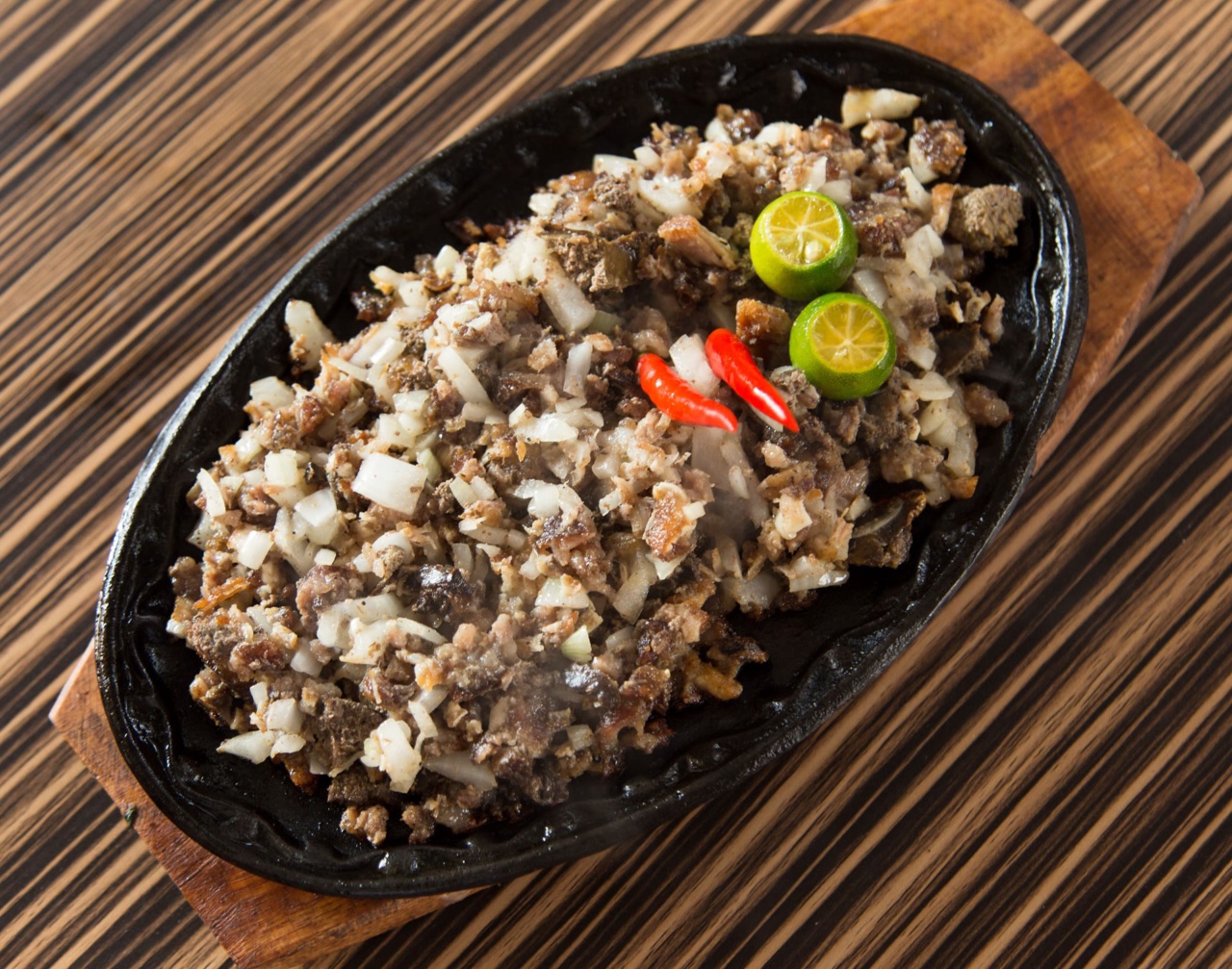
Sizzling chopped pork face and ears with calamansi, chili and egg. Crispy and tangy.
Angeles City, widely regarded as its birthplace
Bringhe
Sticky rice cooked in coconut milk with turmeric, chicken and vegetables, a Kapampangan paella.
Home-style restaurants in San Fernando and Guagua
Tocino
Sweet cured pork, fried until caramelized.
Local carinderia (eatery) or market
Morcon
Beef roll stuffed with sausage, egg and pickles, braised in tomato sauce. A fiesta centerpiece.
Traditional restaurants in San Fernando and Guagua
Tibuk-tibuk
A carabao milk pudding topped with latik (coconut curds).
Dessert shops in San Fernando and Candaba
Betute
Stuffed fried frog, for adventurous eaters.
Specialty restaurants in Angeles City and Mexico
Camaru
Deep-fried mole crickets seasoned with garlic and vinegar.
Eateries in Angeles City and San Fernando
Kalderetang Kambing
Goat stew in a rich tomato-liver sauce. A fiesta staple.
Roadside eateries along MacArthur Highway
Where and How to Eat
Pampanga's best food is often in unassuming carinderias (local eateries), roadside stalls and family-run restaurants. Do not judge by appearance, as the humblest-looking place can serve the best food.
Angeles City has the highest concentration of restaurants, from traditional Kapampangan to Korean, Japanese and Western cuisines. San Fernando offers a more local dining scene. For the most authentic experience, visit during a town fiesta, when families prepare elaborate spreads.
Street food is everywhere and generally fine if you follow the usual precautions (eat where turnover is high, choose freshly cooked items). Look for turon (banana spring rolls), kwek-kwek (deep-fried quail eggs in orange batter) and isaw (grilled chicken intestines).
Kapampangan cooking classes are offered by some restaurants and cultural organizations in San Fernando and Angeles City, and are worth it for food enthusiasts.
Where to Stay
Angeles City has the widest selection of budget accommodation, including guesthouses and basic hotels around the main commercial streets. San Fernando has fewer options but some clean, locally run hotels. Comfortable business-style hotels with pools and restaurants can be found in both cities and along the MacArthur Highway corridor.
Clark Freeport Zone is where the international-standard hotels are concentrated, with resort amenities, casinos, pools and several dining outlets. For a more characterful stay, look for boutique heritage stays in San Fernando, though options are limited. Renting a private villa or apartment in the residential areas of Angeles or San Fernando can offer good value for groups and families. Prices vary by season, so compare current rates when you book.
Practical Tips
Safety: Pampanga is generally safe. Petty theft can occur in crowded areas like markets and bus terminals, so keep valuables secure. The biggest practical risk is road safety, as traffic rules are loosely observed. During the rainy season, monitor weather advisories, as flooding can develop quickly.
Payment: Cash is the norm in most of Pampanga. Small eateries, tricycles and markets accept only cash. ATMs are available in San Fernando, Angeles City and Clark, and credit cards work in malls, hotels and upscale restaurants. GCash, a local mobile payment app, is increasingly accepted.
Tipping: Not mandatory but appreciated. Rounding up the bill is common at sit-down restaurants, and tipping tricycle drivers is not expected.
SIM cards and internet: Buy a local SIM card (Globe or Smart) at a convenience store or mall. Coverage is reliable in urban areas but can be spotty in rural zones and on mountain treks.
Language: Kapampangan is the local language, but Filipino (Tagalog) is widely understood and English is widely spoken, especially in commercial areas.
Cultural tips: Kapampangans are proud of their heritage and cuisine, so showing genuine interest goes a long way. Remove shoes when entering homes, use po and opo (polite Filipino terms) with elders, and dress modestly when visiting churches.
Flooding awareness: In the rainy season, some areas, particularly those near lahar channels and river systems, are flood-prone. The town of Bacolor was partly buried by lahar flows after the Pinatubo eruption, and its half-buried San Guillermo Church is worth a visit.
Day Trips
Subic Bay Freeport Zone
West of Clark via the SCTEX expressway. This former US Naval base offers duty-free shopping, water activities such as island hopping and diving, and a more beach-oriented atmosphere than Clark. Victory Liner runs buses between Clark and Olongapo.[5]
Tarlac and the Pinatubo Trek
The Mount Pinatubo jump-off point is in Capas, Tarlac, a short drive from Angeles City. Most Pinatubo treks are organized as day trips from Pampanga. Capas also has the Capas National Shrine, a memorial to the soldiers who died during the Bataan Death March.
Bataan
South of Pampanga, Bataan province has World War II historical sites, including the Mount Samat National Shrine, the Zero Kilometer Death March Marker in Mariveles, and Las Casas Filipinas de Acuzar, a heritage resort with relocated colonial-era houses.
Bulacan
The neighboring province to the southeast. Bulacan is known for its own food traditions, the Barasoain Church (site of the First Philippine Republic) and the historic town of Malolos. It makes a pleasant half-day excursion for history enthusiasts.
Manila
If you are based in Pampanga, a day trip to Intramuros, Rizal Park and the National Museum is feasible, though Manila traffic can eat into your time. Start early or consider staying overnight.
Sample 3-Day Itinerary
Day 1: Angeles City and Clark
Morning: Arrive via Clark Airport or bus from Manila. Check into your hotel and head to a local carinderia for a brunch of tocino, garlic rice and egg. Visit the Holy Rosary Parish Church and walk through the old Kapampangan neighborhood nearby.
Afternoon: Explore Clark Freeport Zone, visit Nayong Pilipino for a cultural overview, or enjoy the wide boulevards and parks.
Evening: Dinner at one of Angeles City's Kapampangan restaurants. Order sisig, bringhe and morcon to start your culinary education.
Day 2: Mount Pinatubo Trek
Pre-dawn: Leave early for the jump-off point in Capas. Your tour operator will arrange pickup.
Morning: Ride a 4x4 across the lahar fields, then hike to the crater lake. Spend time at the lake swimming, taking photos and taking in the volcanic landscape.
Afternoon: Hike back, ride the 4x4 out and return to your hotel. You will be tired and dusty, so rest and shower.
Evening: Reward yourself with a feast. Try betute or camaru if you feel adventurous, or stick with kalderetang kambing at a local favorite.
Day 3: San Fernando, Betis and Heritage Circuit
Morning: Drive to Betis to see the Saint James the Apostle Parish Church and its ceiling murals. Continue to Guagua to see the old houses and pick up local delicacies.
Late Morning: Head to San Fernando. Visit the Metropolitan Cathedral and walk the heritage district.
Afternoon: Lunch at a traditional Kapampangan restaurant in San Fernando. Afterward, drive to Bacolor to see the half-buried San Guillermo Church, a reminder of the Pinatubo eruption's aftermath. If time permits, stop in Mexico town for pastillas and other sweets.
Evening: Final dinner featuring dishes you have not yet tried. Pick up tibuk-tibuk and other pasalubong (take-home treats) from local shops.
Frequently Asked Questions
Is Pampanga worth visiting?
Yes, especially if food and culture matter to you more than beaches. Pampanga offers some of the best regional cuisine in the Philippines, volcanic landscapes around Mount Pinatubo and heritage churches.
How many days do you need in Pampanga?
Two to three days is a good length for most visitors, enough for a Mount Pinatubo trek, a food tour across several towns and the main heritage sites. Stretch it to four days if you want to explore more deeply.
Is Pampanga safe for tourists?
Pampanga is generally safe for tourists. The main risks are traffic, as roads can be chaotic, and flooding in the rainy season, which runs from June to November. Take normal precautions with your belongings in crowded markets.
What food is Pampanga famous for?
Pampanga is known as the birthplace of sisig, the sizzling pork dish. Other specialties include tocino (sweet cured pork), morcon (stuffed beef roll), bringhe (a Filipino paella-like dish cooked in coconut milk) and tibuk-tibuk (a carabao milk pudding).
How do I get from Manila to Pampanga?
Most travelers go by bus from Manila. Genesis Transport runs non-stop point-to-point buses between NAIA, TriNoma, PITX and Clark. You can also drive via the North Luzon Expressway and the Subic-Clark-Tarlac Expressway, or fly to Clark International Airport, which is inside Pampanga.
What is the best time to visit Pampanga?
The cool dry season from December to February is the most comfortable. December is especially rewarding because of the Giant Lantern Festival in San Fernando. The rainy season from June to November brings heavy rain and flooding risk, and can make the Pinatubo trek more difficult.
Can I do the Mount Pinatubo trek as a day trip?
Yes, most visitors do the Pinatubo trek as a day trip. You start very early from the jump-off point in Capas, Tarlac, which borders Pampanga, with a 4x4 ride through lahar fields followed by a hike to the crater lake.
Is English widely spoken in Pampanga?
English is widely understood, especially in Angeles City, Clark and San Fernando. In smaller towns and among older residents, Kapampangan is the main language, but you can usually find someone who speaks English or Filipino.
What should I avoid in Pampanga?
Avoid driving in the province if you are not used to Philippine road conditions, as traffic discipline is loose. Skip the Fields Avenue bar strip in Angeles City if you are not interested in that scene. During the rainy season, avoid low-lying areas prone to lahar-related flooding.
Sources and background
Numbers in the text such as [1] refer to these sources.