Intramuros: Manila’s Walled City and Historic Sites
Contents
Intramuros is Manila's historic walled district, packed with forts, churches and museums that each keep their own hours and fees. Pick the sites you want to enter, then leave time for the streets and heritage buildings between them.
Start with Fort Santiago’s layered history
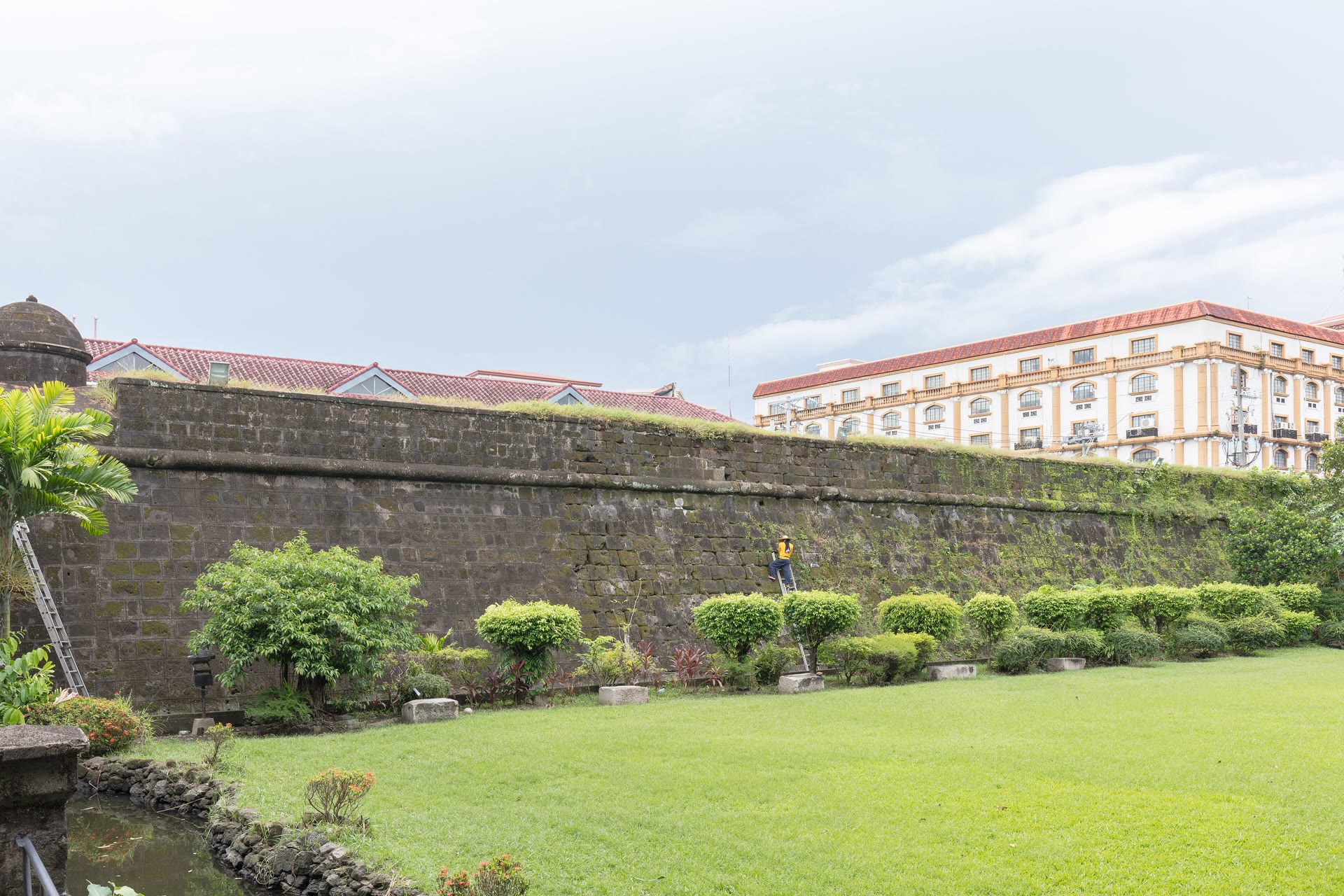
The first Spanish fort here dates to 1571, built over a palisaded structure of logs and earth associated with Rajah Soliman. A Chinese attack led by Limahong destroyed it in 1574, and the stone fort went up between 1589 and 1592. Spanish, British, American and Japanese forces later used it as a headquarters or prison. After its destruction during the Battle of Manila in 1945 it was declared a Shrine of Freedom in 1950, and today it stands as a memorial to the victims of World War II and the sacrifices of the Filipino people.[1]
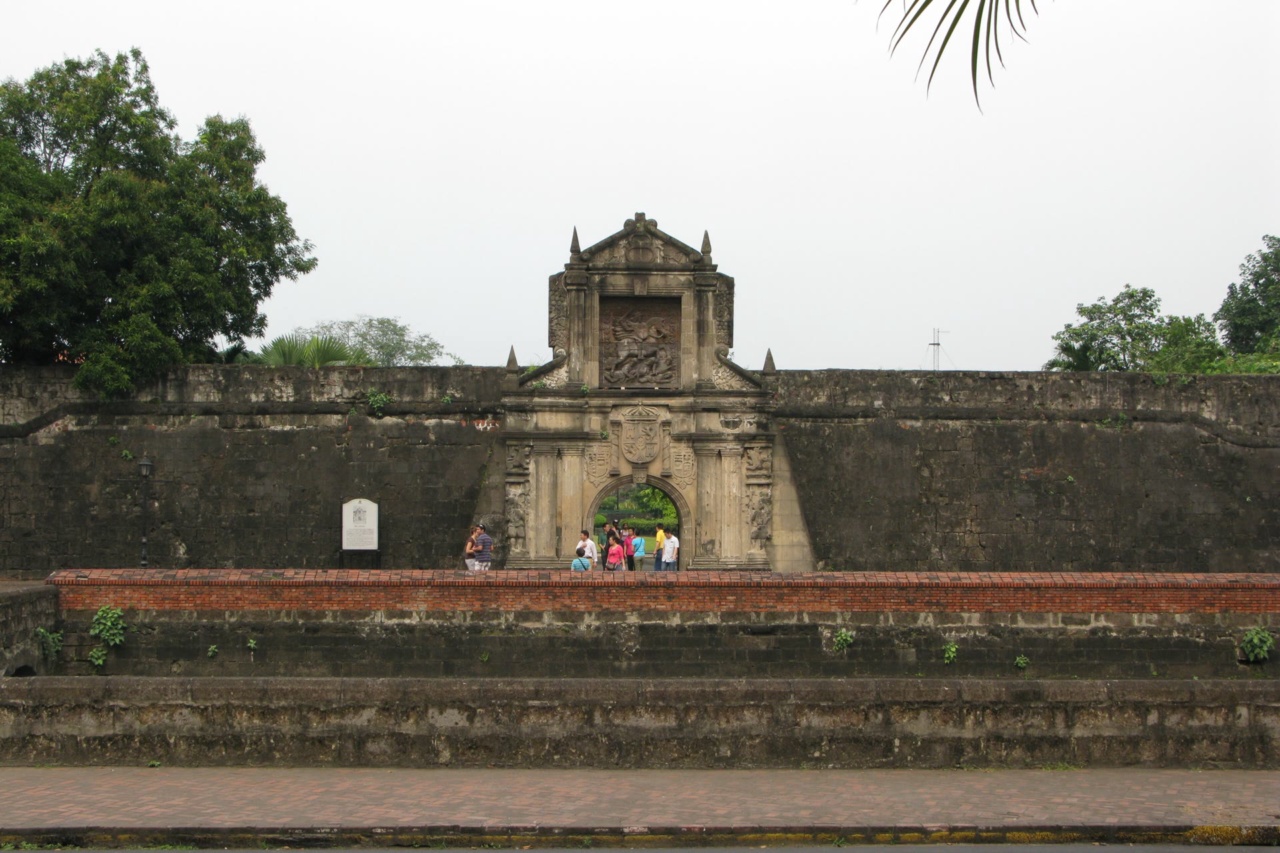
Fort Santiago is the natural starting point for history and has the longest opening hours of the district's sites. Admission is PHP 75 regular or PHP 50 for students, senior citizens and persons with disabilities.[2]
Things to Do
Offers are only loaded from GetYourGuide after you click. GetYourGuide can then process your IP address and set cookies. Privacy Policy
GetYourGuide partner offers. GoAsia may earn a commission if you book through these offers. Check whether tickets or transfers are included, and follow the attraction's official booking and admission rules.
Choose your museum by what you want to see
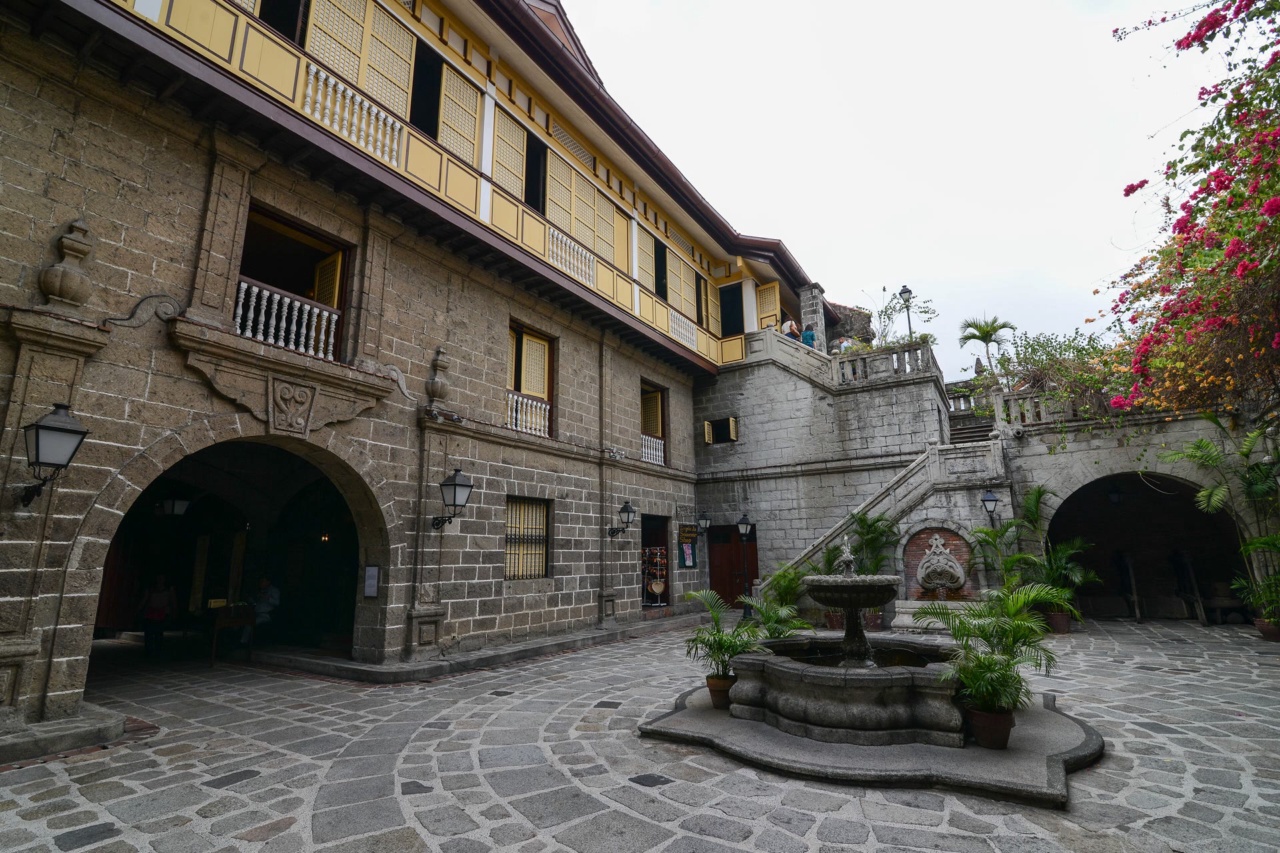
Casa Manila is a living museum showing the lifestyle of an affluent Filipino family in the late Spanish colonial period, with furniture and furnishings sourced from Europe and China.[3] Choose it for domestic life and interiors rather than military history. Museo de Intramuros consists of reconstructions of San Ignacio Church and the Mission House of the Society of Jesus and houses the administration’s ecclesiastical collection, which makes it the place for religious art and heritage.[4]
Use the site-specific entry cutoffs
Each site has its own opening hours and last entry, and last entry comes before closing time.[2]
| Site | Hours and last entry | Admission |
|---|---|---|
| Fort Santiago | Monday to Friday, 08:00 to 22:00, last entry 20:00. Saturday and Sunday, 06:00 to 22:00, last entry 20:30.[2] | PHP 75 regular; PHP 50 for students, senior citizens and persons with disabilities.[2] |
| Baluarte de San Diego | Daily, 08:00 to 17:00, last entry 16:00.[2] | No fee listed.[2] |
| Casa Manila Museum | Closed Monday. Open on Saturday and Sunday, 09:00 to 17:00; Tuesday to Friday by appointment for groups (see below).[5] | PHP 75 regular; PHP 50 discounted.[3] |
| Museo de Intramuros | Closed Monday. Open on Saturday and Sunday, 09:00 to 17:00; Tuesday to Friday by appointment for groups (see below).[4] | PHP 75 to PHP 200 regular, depending on the page (see below).[5][2][4] |
The two museums are easiest on a weekend. From Tuesday to Friday they open by appointment only, for groups with 10 paid participants who reserve at least two working days ahead. For a booking or questions, call 09157174115, 09368403225 or 09155994483, or write to [email protected].[5] The museum guide and Museo's own page give the same rule.[4]
Museo de Intramuros is priced at PHP 200 regular or PHP 160 discounted in the museum guide, PHP 150 or PHP 120 on the hours page (where the Visitor Center and Centro de Turismo Intramuros share the paid access), and PHP 75 or PHP 50 on Museo's own page.[5][2][4] Budget for the higher figure and confirm at the ticket desk. The discounted rate is for children under 18, senior citizens aged 60 and over, students, persons with disabilities and government employees, so bring a valid ID.[5]
Current hours and fees are on the administration’s hours and fees page, which the Fort Santiago page links to as well.
Add San Agustin Church for the heritage context
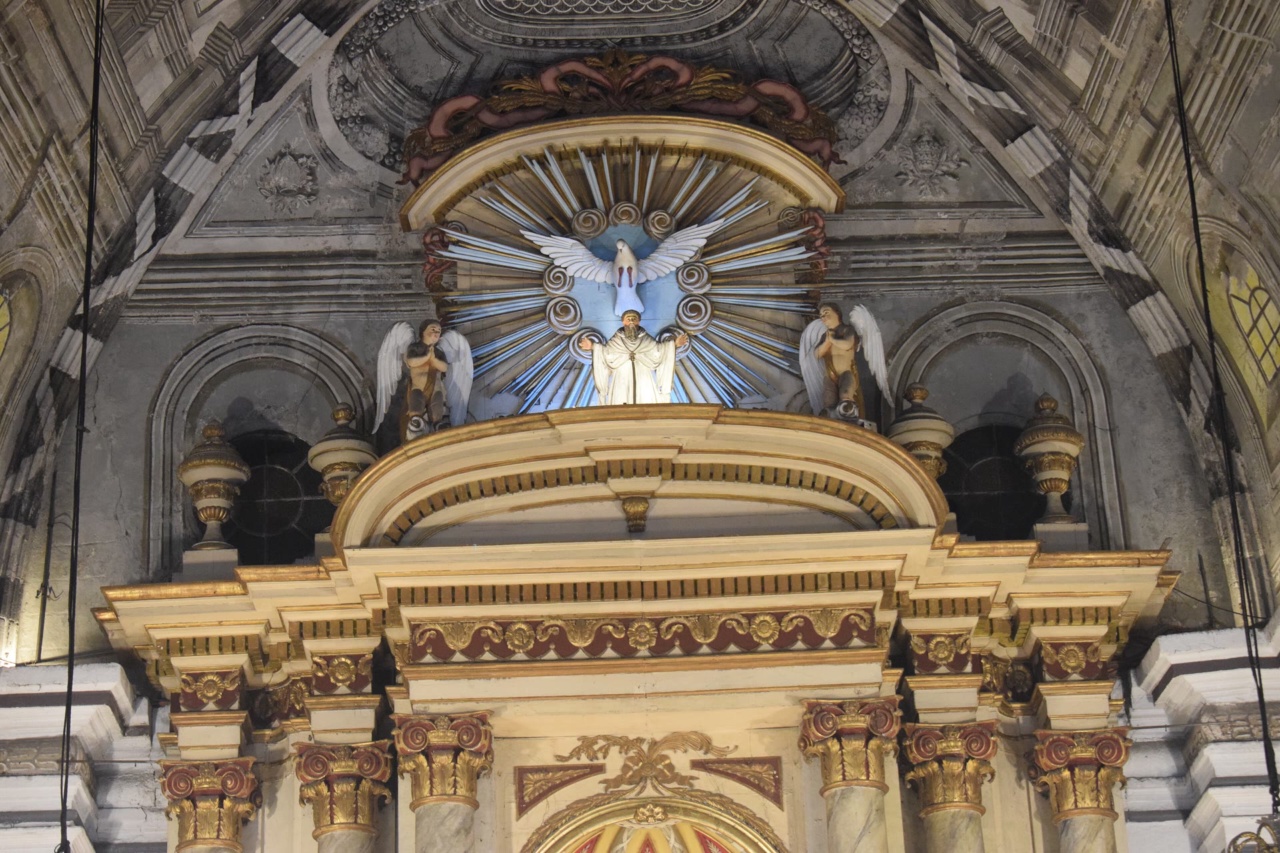
UNESCO’s Baroque Churches of the Philippines is a World Heritage listing of four churches built between the 16th and 18th centuries, one of them in the heart of Intramuros.[6] UNESCO describes them as a Philippine interpretation of the Baroque style that fused European church design with local materials and decorative motifs, and names San Agustin Church for its high Baroque altars and its trompe l’oeil ceiling paintings.[6] The Augustinian Order owns and manages San Agustin, not the Intramuros Administration, so it keeps its own visiting hours.[6]
Prioritize the earlier entry cutoffs
If you want both Baluarte de San Diego and a museum, go earlier in the day: last entry is 16:00 for Baluarte de San Diego, 16:30 for Museo de Intramuros and 17:00 for Casa Manila. Fort Santiago admits visitors until 20:00 on weekdays and 20:30 at weekends, so it suits the end of the day.[2] Choose a few sites rather than racing between every stop, and leave time for the walk between entrances. For history and site details, see the Fort Santiago history and UNESCO’s Baroque Churches of the Philippines entry.
Sources and background
Numbers in the text such as [1] refer to these sources.
- [1] Intramuros Administration: Welcome to Fort Santiago!. Retrieved October 15, 2026.
- [2] Intramuros Administration: Intramuros Sites: Hours and Fees. Retrieved October 20, 2026.
- [3] Intramuros Administration: Welcome to Casa Manila!. Retrieved October 15, 2026.
- [4] Intramuros Administration: Welcome to Museo de Intramuros!. Retrieved October 20, 2026.
- [5] Intramuros Administration: Guide for Casa Manila and Museo de Intramuros. Retrieved October 20, 2026.
- [6] UNESCO World Heritage Centre: Baroque Churches of the Philippines. Retrieved October 15, 2026.
Frequently Asked Questions
Intramuros is Manila’s historic walled district. A visit can combine Fort Santiago’s military history with churches and museums, and each attraction has its own hours and admission.
The Spaniards built a fort here in 1571 over a palisaded structure associated with Rajah Soliman. A Chinese attack destroyed it in 1574, and the stone fort was built from 1589 to 1592. It was destroyed in the Battle of Manila in 1945 and declared a Shrine of Freedom in 1950.
Yes. UNESCO’s Baroque Churches of the Philippines listing includes four churches, one of them in Intramuros, Manila. UNESCO highlights San Agustin’s high Baroque altars as a distinctive feature of the group.
Fort Santiago is open Monday to Friday from 08:00 to 22:00 (last entry 20:00) and Saturday and Sunday from 06:00 to 22:00 (last entry 20:30), at PHP 75 regular or PHP 50 for students, senior citizens and persons with disabilities. Baluarte de San Diego is open daily from 08:00 to 17:00 (last entry 16:00). Casa Manila costs PHP 75 or PHP 50. Museo de Intramuros costs PHP 75 to PHP 200 regular depending on the administration page, so confirm the price at the ticket desk.
No, both museums are closed on Mondays. They are open on Saturday and Sunday from 09:00 to 17:00. From Tuesday to Friday they open by appointment only, for groups with 10 paid participants. Plan a museum visit for a weekend.
Choose Fort Santiago for military history, Casa Manila for furnished domestic interiors or Museo de Intramuros for religious art. Visit Baluarte de San Diego and the museums earlier in the day because their last entries are between 16:00 and 17:00, and keep Fort Santiago for later, as it admits visitors until 20:00 or 20:30.