
Panglao
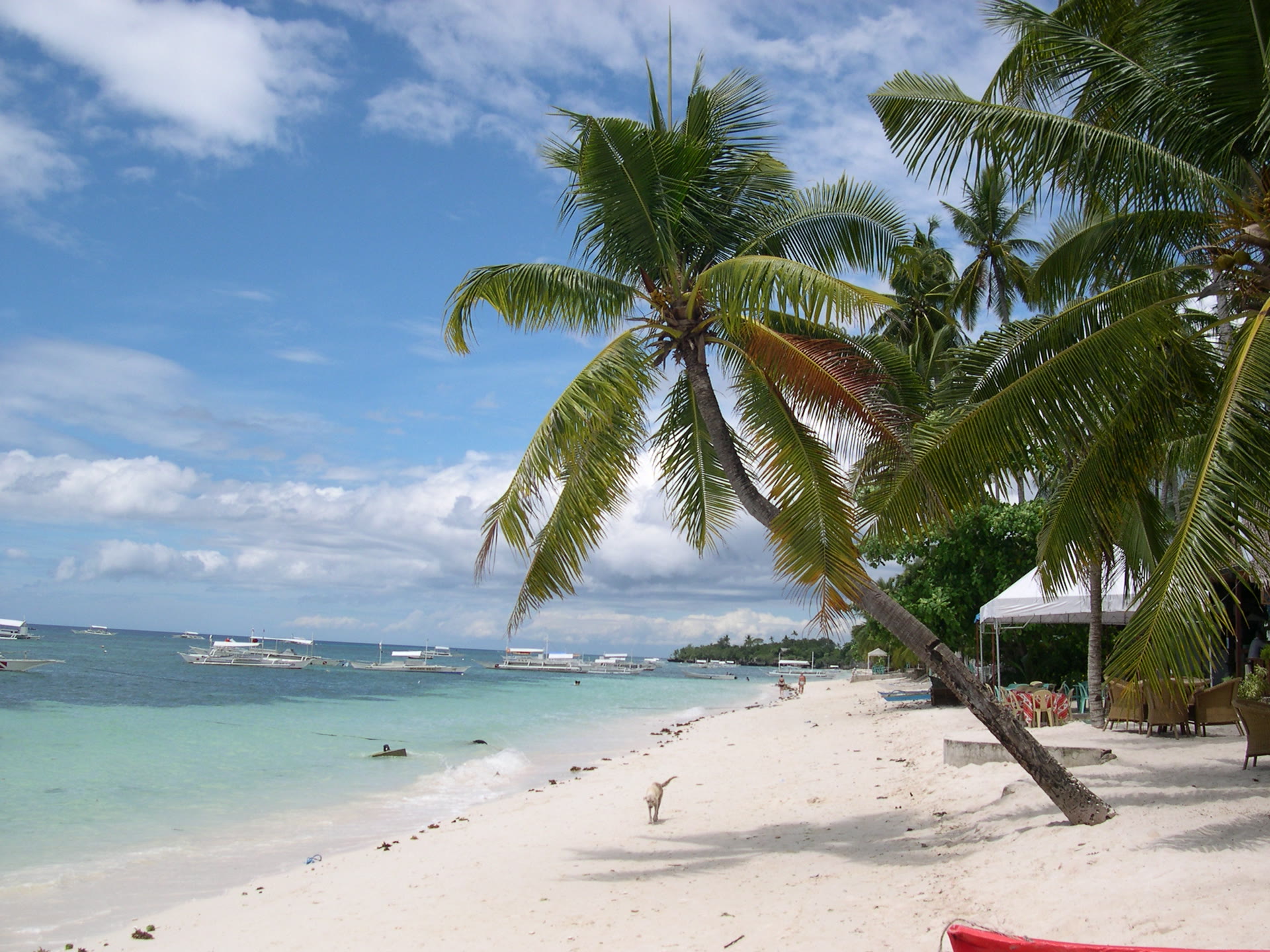
A coral-fringed island off the southwestern tip of Bohol, Panglao draws travelers with some of the finest white-sand beaches in the Visayas, world-class diving at Balicasag Island, and a laid-back rhythm that makes it hard to leave.
Last updated: October 15, 2026
Contents
- 1. Orientation and Neighborhoods
- 1.1 Alona Beach
- 1.2 Dumaluan Beach
- 1.3 Danao and Doljo
- 1.4 Panglao Town Proper and Dauis
- 2. Best Time to Visit
- 3. Getting There and Getting Around
- 3.1 Arriving by Air
- 3.2 Arriving by Sea
- 3.3 Getting Around the Island
- 4. Top Sights and Experiences
- 4.1 Must-See Highlights
- 4.2 Lesser-Known Gems
- 4.3 Overrated Attractions
- 5. Food and Drink
- 5.1 Signature Dishes
- 5.2 Where and How to Eat
- 6. Where to Stay
- 6.1 Budget (Under $25 per night)
- 6.2 Mid-Range ($25 - $80 per night)
- 6.3 Upscale ($80 - $250+ per night)
- 7. Practical Tips
- 8. Day Trips
- 8.1 Chocolate Hills and Countryside Tour
- 8.2 Pamilacan Island
- 8.3 Anda
- 8.4 Loboc River Paddleboarding
- 8.5 Tagbilaran City
- 9. Sample 3-Day Itinerary
- 9.1 Day 1: Beach and Alona Exploration
- 9.2 Day 2: Island Hopping
- 9.3 Day 3: Bohol Countryside
- 10. Budget Overview
- 11. Frequently Asked Questions
The first thing you notice on Panglao is the water. Standing ankle-deep on Alona Beach, you can count the grains of sand beneath your feet, and a few steps further out a house reef begins, alive with parrotfish and the occasional sea turtle gliding past snorkelers. This tiny island, connected to mainland Bohol by two bridges, punches far above its weight as a beach and dive destination. It has the international airport, the resorts, and the reef systems, yet somehow it still feels more village than resort town once you wander beyond the main tourist strip.
Panglao works for a wide range of travelers. Couples settle into boutique resorts on Dumaluan Beach, backpackers share cheap rooms steps from Alona, and families appreciate the calm, shallow water and the easy day trip to the Chocolate Hills. Divers come specifically for Balicasag Island and its sheer walls, while freedivers train in the deep blue holes off the coast. If your idea of a Philippine holiday involves white sand, reliable sunshine, affordable seafood, and underwater life that rivals the best in the country, Panglao delivers without the crowds or price tags of more famous islands.
The island has changed fast since the Bohol-Panglao International Airport opened, bringing direct flights from Manila, Cebu, and a growing list of Asian cities. Development is creeping inland, but the coastline outside the main tourist zones remains quiet, dotted with fishing boats and mangrove patches. Timing matters: visit between March and June for flat seas and maximum visibility, or come during the shoulder months to score lower prices with only slightly less predictable weather.
Orientation and Neighborhoods
Panglao Island is compact, roughly 10 kilometers across at its widest. Two bridges connect it to Tagbilaran, the provincial capital of Bohol on the neighboring island. Almost everything tourist-facing clusters along the southern coast, and you can cross the entire island by motorbike in about 20 minutes.
Alona Beach
This 1.5-kilometer crescent is the social and commercial heart of Panglao tourism. Dive shops, restaurants, bars, budget guesthouses, and mid-range resorts line the beachfront. It gets busy, especially around sunset, but the atmosphere is friendly rather than overwhelming. Stay here if you want walkable nightlife, easy access to island-hopping boats, and the widest choice of food.
Dumaluan Beach
About two kilometers east of Alona, Dumaluan is wider, quieter, and favored by families and couples. Resorts here tend to be mid-range to upscale, with larger pools and more space. The beach itself charges a small entrance fee for day visitors (around $1), which keeps foot traffic lower. A tricycle ride to Alona takes five minutes.
Danao and Doljo
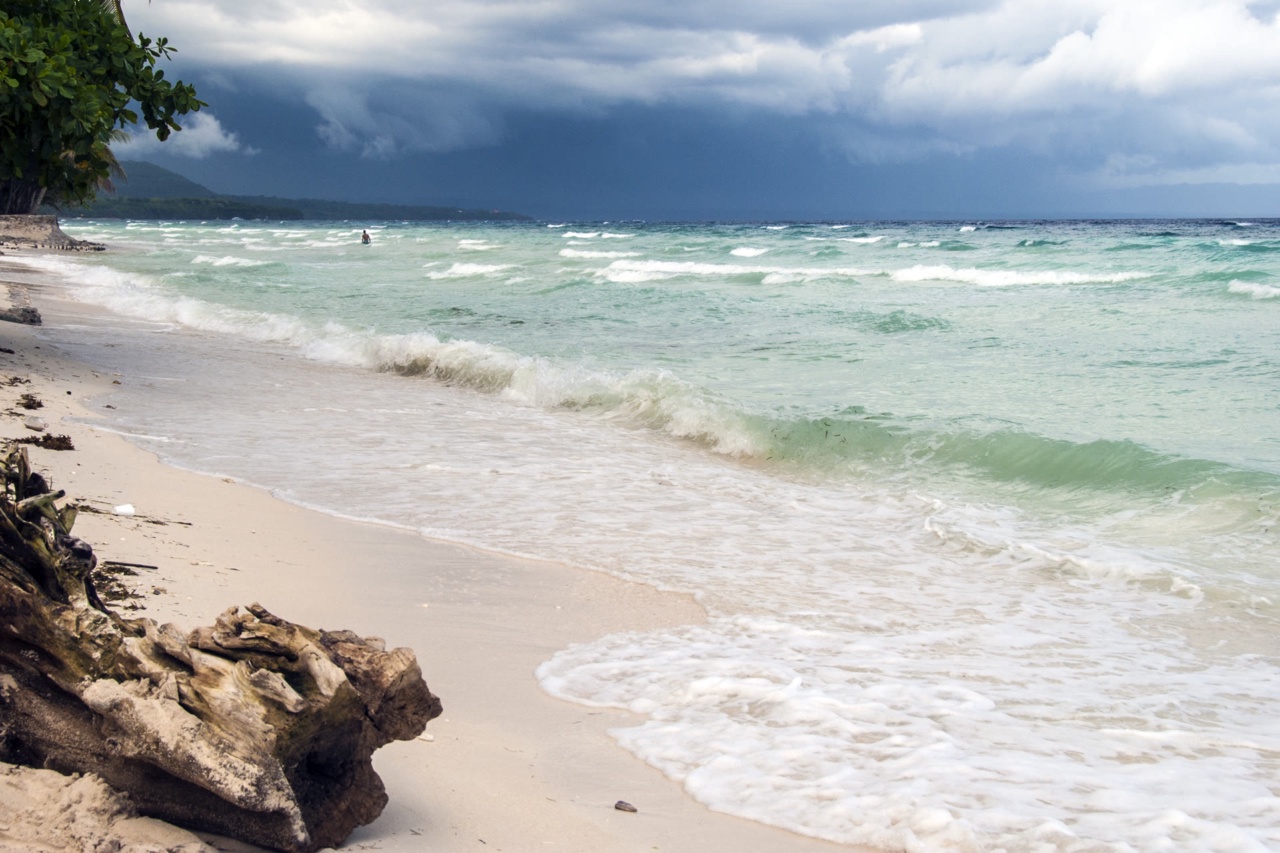
The northern coast of Panglao faces the Bohol mainland and has a completely different character: mangrove-lined shores, fishing villages, and a handful of eco-resorts. Doljo Beach is a long, quiet stretch of sand with almost no commercial development. Choose this area if you want solitude and do not mind riding a motorbike to reach restaurants.
Panglao Town Proper and Dauis
Two municipalities share the island: Panglao and Dauis. Their town centers have local markets, churches (the Dauis Church with its miraculous well is worth a quick visit), and cheap eateries. These are not tourist zones, but they offer a glimpse of everyday island life and are useful for picking up supplies at lower prices than beachfront shops.
Things to Do
Offers are only loaded from GetYourGuide after you click. GetYourGuide can then process your IP address and set cookies. Privacy Policy
GetYourGuide partner offers. GoAsia may earn a commission if you book through these offers. Check whether tickets or transfers are included, and follow the attraction's official booking and admission rules.
Best Time to Visit
Panglao enjoys a tropical climate with temperatures hovering between 26 and 33 degrees Celsius year-round. The key variable is rain, which dictates sea conditions and diving visibility.
| Season | Months | Weather | Crowds | Prices |
|---|---|---|---|---|
| Dry / Peak | March - May | Hot, sunny, calm seas, best visibility | High | Highest |
| Shoulder | June, December - February | Mostly dry with occasional showers | Moderate | Moderate |
| Wet / Low | July - November | Afternoon rains, occasional typhoons, rougher seas | Low | Lowest |
The Sandugo Festival in July celebrates the blood compact between Spanish explorer Legazpi and chieftain Sikatuna, with street parades and cultural shows in Tagbilaran. Holy Week (March or April) brings Filipino domestic tourists in large numbers, so book accommodation well ahead if your trip falls over Easter.
Getting There and Getting Around
Arriving by Air
Bohol-Panglao International Airport (TAG) sits on the island itself, making transfers short. Airlines including Cebu Pacific, Philippine Airlines, and AirAsia fly from Manila (roughly 1.5 hours), Cebu (25 minutes), and Clark. From the airport to Alona Beach, expect a 15 to 20 minute ride costing around $3 to $6 by taxi, Grab, or airport shuttle van.
Arriving by Sea
Fast ferries from Cebu City dock at Tagbilaran port, about 30 minutes from Alona Beach by tricycle or van. The ferry crossing takes roughly two hours and costs around $10 to $20 depending on the operator and seat class. You can check ferry schedules and book transport connections on GoAsia.cc for updated route details.
Getting Around the Island
Motorbike rental is the most popular way to explore, costing around $5 to $8 per day. Make sure you have a valid license and always wear a helmet, as police checkpoints are common. Tricycles (motorbikes with sidecars) handle short hops for $1 to $2. Grab is available but coverage can be spotty outside Alona. For mainland Bohol day trips, hiring a car with driver for the day costs roughly $30 to $50 and is the most efficient option.
Walking works fine within Alona Beach and the immediate surroundings, but the distances between beaches and attractions make some form of wheels essential for any real exploration.
Top Sights and Experiences
Must-See Highlights
Balicasag Island diving and snorkeling: A marine sanctuary about 30 minutes by boat from Alona, Balicasag is the crown jewel of Panglao diving. Sheer walls drop into deep blue, covered in soft corals and patrolled by sea turtles, jacks, and barracuda. Even snorkelers see turtles regularly in the shallows. Island-hopping tours cost around $15 to $25 per person including snorkel gear, or book a dedicated dive trip for roughly $30 to $45 per dive with equipment. Go early in the morning to beat the crowds; the island limits daily visitors.
Alona Beach house reef: You do not need a boat to see marine life. The reef starting at the eastern end of Alona Beach is accessible by swimming out about 50 meters. Bring your own mask and snorkel to avoid rental fees and go during morning high tide for the best visibility.
Virgin Island (Pungtud Island): A stunning sandbar that emerges at low tide between Panglao and Balicasag. Most island-hopping tours include a stop here. The shallow turquoise water and white sand make for iconic photos, but check the tide schedule before booking, as the sandbar disappears at high tide.
Hinagdanan Cave: A natural cave with a freshwater pool inside, lit by sunlight filtering through a hole in the ceiling. Entry costs around $1 and swimming is allowed. It gets crowded midday, so arrive when it opens in the morning. The cave is small, so 30 minutes is enough.
Lesser-Known Gems
Panglao Island Nature Resort and Bee Farm: Beyond the famous restaurant, the grounds include an organic garden, a small museum, and a quiet stretch of rocky coastline. The homemade ice cream in flavors like malunggay (moringa) and lemongrass is worth the visit alone.
Bohol Habitat Butterfly Conservation Center: A small but well-maintained butterfly enclosure near Dauis. It is more educational than flashy, with knowledgeable guides explaining the life cycle of native species. Allow 45 minutes.
Sunset kayaking off Doljo Beach: Rent a kayak from one of the few resorts on the north coast and paddle through the mangroves as the sun drops behind mainland Bohol. It is free if you are a guest, or around $5 to $10 for non-guests.
Overrated Attractions
Dolphin watching tours: Early morning boat trips to spot spinner dolphins are heavily promoted, but sightings are hit or miss, the boats crowd the animals, and you lose half a morning of sleep. If ethical wildlife encounters matter to you, skip this or research operators carefully.
Danao Adventure Park (mainland Bohol): The zipline and rope courses are fine but overpriced for what you get, and the drive from Panglao is long. Your time is better spent at the Chocolate Hills or on the water.
Shell Museum in Panglao Town: A small private collection that feels dated and overpriced at around $2 entry. Unless you are deeply passionate about shells, the 15 minutes inside will feel like enough.
Food and Drink
Panglao's food scene revolves around seafood, and the quality is excellent. Restaurants along Alona Beach grill the day's catch right on the sand, and the prices, while higher than mainland Philippines, remain very reasonable by international standards.
Signature Dishes
| Dish | Description | Where to Try | Typical Price |
|---|---|---|---|
| Kinilaw | Raw fish cured in vinegar and calamansi, similar to ceviche, often with ginger and chili | Any beachfront restaurant on Alona | Around $2 - $4 |
| Grilled squid (inihaw na pusit) | Whole squid stuffed with tomato and onion, charcoal-grilled | Open-air grills along Alona Beach | Around $3 - $5 |
| Sinigang na isda | Sour tamarind-based fish soup with vegetables | Local eateries (carinderias) in Panglao Town | Around $1.50 - $3 |
| Kalamay | Sticky rice and coconut milk sweet, a Bohol specialty, served in coconut shell | Market stalls and souvenir shops | Around $1 - $2 |
| Garlic butter shrimp | Large prawns sauteed in garlic butter, a Visayan staple | Mid-range restaurants on Alona and Dumaluan | Around $5 - $8 |
Where and How to Eat
Alona Beach has the highest concentration of restaurants, ranging from basic Filipino eateries to Italian, Korean, and Mediterranean options. For the best value seafood, walk to the eastern end of the beach where smaller, locally run grills let you choose your fish from the cooler and pay by weight. A full grilled fish meal with rice and a beer runs around $4 to $7.
For cheap local food, head to the public markets in Panglao Town or Dauis, where carinderias (canteen-style eateries) serve rice with two viands for around $1 to $2. The Bee Farm restaurant is a splurge-worthy lunch spot with organic dishes and ocean views; expect to pay around $8 to $15 per person.
Street food is less prominent on Panglao than in Manila or Cebu, but you will find vendors selling barbecue skewers, banana cue (caramelized banana on a stick), and balut near the town centers in the evening.
Drinking is centered on Alona Beach, where happy hour deals on local beers (San Miguel, Red Horse) start around $1 per bottle. Cocktails at beachfront bars run $3 to $5. A few spots host live acoustic music in the evenings.
Where to Stay
Budget (Under $25 per night)
Alona Beach has a cluster of guesthouses and hostels on the lanes just behind the beachfront. Expect a basic fan or air-conditioned room with shared or private bathroom. Some include breakfast. The quality varies, so check recent reviews. Backpacker dorm beds start around $8 to $12.
Mid-Range ($25 - $80 per night)
This is Panglao's sweet spot. Boutique hotels and small resorts on or near Alona and Dumaluan beaches offer air-conditioned rooms, pools, and sometimes dive shop partnerships. Rooms at this level typically include breakfast, Wi-Fi, and hot water. Several properties along Dumaluan Beach offer more space and quiet at this price point.
Upscale ($80 - $250+ per night)
A handful of international-standard resorts line Dumaluan and the southern coast, with private beach access, spas, multiple restaurants, and manicured grounds. There are also a few luxury eco-resorts on the quieter north coast that emphasize sustainability and seclusion. At the top end, overwater and beachfront villas are available.
A unique option is staying in one of the smaller dive resorts near Alona that cater specifically to divers, bundling accommodation with multi-day dive packages at a discount.
Practical Tips
Safety: Panglao is one of the safer destinations in the Philippines. Petty theft on the beach is the main concern; use your hotel safe for valuables. Motorbike accidents are the biggest actual risk for tourists, so ride carefully, especially at night when roads are poorly lit.
- Cash vs. card: Bring enough pesos in cash. ATMs exist near Alona Beach and in Tagbilaran, but they run out of cash during peak periods. Many smaller restaurants and dive shops are cash only. Mid-range and upscale resorts accept cards but sometimes add a surcharge.
- Tipping: Not mandatory but appreciated. Rounding up the bill or leaving 10% at restaurants is generous by local standards. Tip dive guides and boat crews around $2 to $5 per trip.
- SIM cards and internet: Buy a local SIM (Globe or Smart) at the airport or in Tagbilaran for around $2 to $5 with data. Globe generally has better coverage on Panglao. Wi-Fi in hotels ranges from decent to frustratingly slow.
- Language: English is widely spoken in tourist areas. Locals speak Cebuano (Bisaya) among themselves. Learning a few Bisaya phrases (like "salamat" for thank you) earns smiles.
- Sun protection: The sun is intense. Reef-safe sunscreen is strongly encouraged, as the marine sanctuaries are directly impacted by chemical sunscreens. Bring it from home, as reef-safe options are hard to find locally.
- Cultural notes: Boholanos are conservative and Catholic. Cover up when visiting churches. Avoid loud behavior in residential areas. When swimming, Filipinos often wear shirts in the water; topless sunbathing is not acceptable.
Day Trips
Chocolate Hills and Countryside Tour
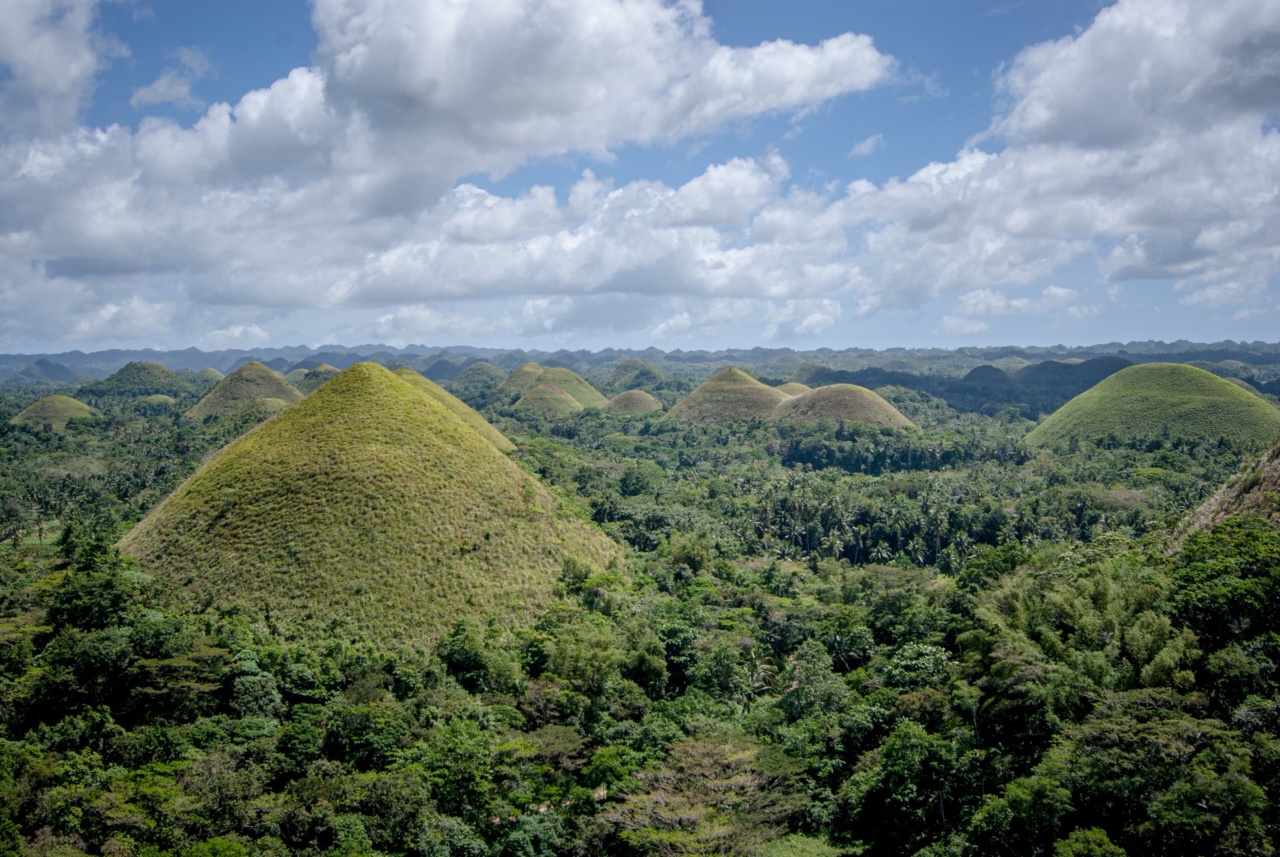
The most popular day trip from Panglao, covering the iconic Chocolate Hills (1,268 conical limestone mounds), the Philippine Tarsier Sanctuary, Loboc River cruise with buffet lunch, and sometimes Baclayon Church or man-made forests. Distance is about 50 to 60 kilometers one way. Organized tours cost around $20 to $35 per person, or hire a private car with driver for roughly $30 to $50 for the whole day. Leave early to avoid midday heat at the viewing deck. The tarsier sanctuary is worth the stop; the tiny primates are fascinating, and the sanctuary is ethically managed compared to roadside tarsier exhibits, which you should avoid.
Pamilacan Island
A quieter alternative to Balicasag, Pamilacan is a small fishing island about 45 minutes by boat. The snorkeling is excellent, with healthy coral and frequent turtle sightings. Fewer boats visit here, so you often have the reef to yourself. Some tours combine Pamilacan with whale and dolphin watching, though sightings are seasonal and not guaranteed.
Anda
About two to three hours east of Panglao by road, Anda is a sleepy coastal town with white-sand beaches, caves, and barely any tourists. Cabagnow Cave Pool is a stunning turquoise swimming hole. It is a long day trip but rewarding if you want to escape the tourist circuit entirely. Best done with a private vehicle.
Loboc River Paddleboarding
Instead of the tourist lunch cruise, rent a stand-up paddleboard or kayak upstream from Loboc town and paddle through the jungle-lined river at your own pace. Several local operators offer this for around $5 to $10. It is a far more immersive experience than the floating restaurants.
Tagbilaran City
The provincial capital is not a tourist destination per se, but it has the best shopping (Island City Mall), a lively public market for cheap produce and dried fish, and a few historical sites including the Blood Compact Shrine. Useful for errands, ATM runs, or a change of scenery. Reachable in 20 to 30 minutes by tricycle or motorbike.
Sample 3-Day Itinerary
Day 1: Beach and Alona Exploration
Morning: Arrive and settle into your accommodation. Walk Alona Beach end to end, picking your favorite spot. Snorkel the house reef at the eastern end during high tide.
Afternoon: Rent a motorbike and ride to Dumaluan Beach for a quieter swim. Stop at Hinagdanan Cave on the way back (30 minutes is plenty).
Evening: Seafood dinner at one of the beachfront grills on Alona. Choose your fish from the display, pair it with garlic rice and a cold San Miguel. Catch the sunset from the beach.
Day 2: Island Hopping
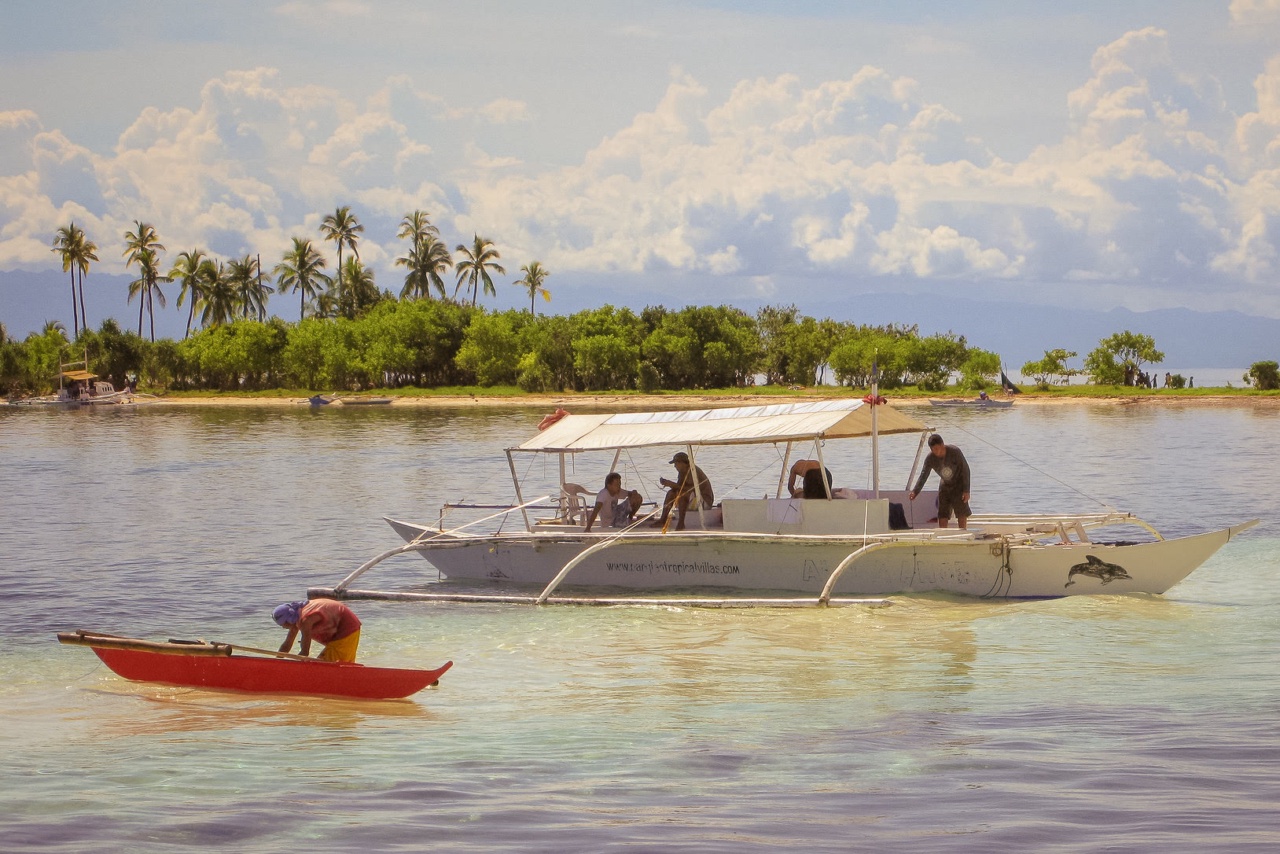
Morning: Join an island-hopping tour departing from Alona Beach around 8:00 AM. First stop: Balicasag Island for snorkeling with sea turtles and exploring the marine sanctuary wall. If you are a certified diver, book a dive here instead.
Midday: Cruise to Virgin Island (Pungtud sandbar) for photos and wading in the shallows. Some tours include a basic lunch; otherwise, bring snacks.
Afternoon: Return to Panglao by early afternoon. Rest, swim, or get a cheap beachside massage (around $5 to $8 for an hour).
Evening: Try kinilaw and grilled squid at a different restaurant. Explore the bars along Alona for live music and happy hour beers.
Day 3: Bohol Countryside
Morning: Depart by 7:30 AM with a hired driver for the countryside tour. Visit the Philippine Tarsier Sanctuary first (it opens early and the animals are more active). Continue to the Chocolate Hills viewing deck in Carmen.
Midday: Paddleboard or kayak on the Loboc River, or opt for the floating lunch cruise if you prefer a relaxed meal. Drive through the man-made mahogany forest for a quick photo stop.
Afternoon: Return to Panglao via Baclayon Church, one of the oldest stone churches in the Philippines. Arrive back by mid-afternoon for a final beach session.
Evening: Splurge on dinner at the Bee Farm restaurant or a beachfront resort restaurant. Pack and prepare for departure the next day.
Budget Overview
| Category | Budget | Mid-Range | Comfort |
|---|---|---|---|
| Accommodation | $10 - $20 | $30 - $60 | $80 - $200 |
| Food | $8 - $12 | $15 - $25 | $30 - $50 |
| Transport | $3 - $5 | $5 - $10 | $15 - $30 |
| Activities | $5 - $15 | $20 - $40 | $40 - $80 |
| Daily Total | $26 - $52 | $70 - $135 | $165 - $360 |
Budget travelers staying in fan rooms, eating at carinderias, and snorkeling from shore can comfortably manage on $30 to $40 per day. Mid-range visitors with air-conditioned rooms, restaurant meals, and organized tours will spend around $70 to $100. Comfort travelers in resort rooms with dive packages, private transport, and upscale dining should budget $150 to $250 or more. The Philippines remains one of the best-value destinations in Southeast Asia, and Panglao is no exception.
Frequently Asked Questions
Absolutely. Panglao offers some of the best beaches and diving in the Visayas at prices well below Boracay or Palawan resorts. The combination of Alona Beach nightlife, world-class reef diving at Balicasag, and easy access to Bohol's inland attractions like the Chocolate Hills makes it one of the most rewarding destinations in the Philippines.
Three to four days is the sweet spot. That gives you a full day on the beach, a day for diving or island hopping, and a day trip to mainland Bohol. If you are a serious diver, add two more days to explore multiple dive sites around Balicasag and Pamilacan.
Panglao is generally very safe. Petty theft can happen on busy beaches, so do not leave valuables unattended. The biggest real risks are sunburn, jellyfish stings during certain months, and rip currents at less-visited beaches. Use common sense at night and you will have no problems.
March through June offers the driest weather and calmest seas, ideal for diving and island hopping. The rainy season runs roughly July through November, though storms are usually short afternoon bursts rather than all-day downpours. December to February is pleasant but can see occasional typhoon-related weather.
Fresh seafood dominates, especially grilled fish, garlic butter shrimp, and kinilaw (Filipino ceviche). Bohol is also known for kalamay, a sticky rice and coconut sweet, and peanut kisses, a cookie-like snack sold across the province. Alona Beach has the widest restaurant selection on the island.
By Southeast Asian standards, Panglao is mid-range. Budget travelers can get by on roughly $30 to $40 per day with a basic room and local food. Mid-range visitors spending $60 to $100 per day will be very comfortable. It is significantly cheaper than Boracay or El Nido for comparable quality.
No. Stick to bottled or purified water, which is cheap and available everywhere. Most restaurants use purified water for ice, but if you are at a very basic eatery, it is worth asking. Refill stations sell purified water for a few cents per liter if you carry a reusable bottle.
Bohol-Panglao International Airport is on the island itself, roughly 20 minutes from Alona Beach by car. Metered taxis, airport shuttle vans, and Grab cars are available outside arrivals. Expect to pay around $3 to $6 for the ride depending on the vehicle type.
If your nationality is covered by the Philippines visa-waiver rules, the Philippine Bureau of Immigration says that non-visa-required tourists are initially admitted for 30 days. This is visa-free admission, not a visa on arrival. If your passport is not covered, arrange the required visa before travel. Before booking, check the Bureau of Immigration's current requirements for your nationality.
Very much so. The calm, shallow water at Alona and Dumaluan beaches is safe for children, and island-hopping trips are family-friendly. The Chocolate Hills, tarsier sanctuaries, and river cruises on mainland Bohol keep kids entertained. Many mid-range resorts offer family rooms and pools.