
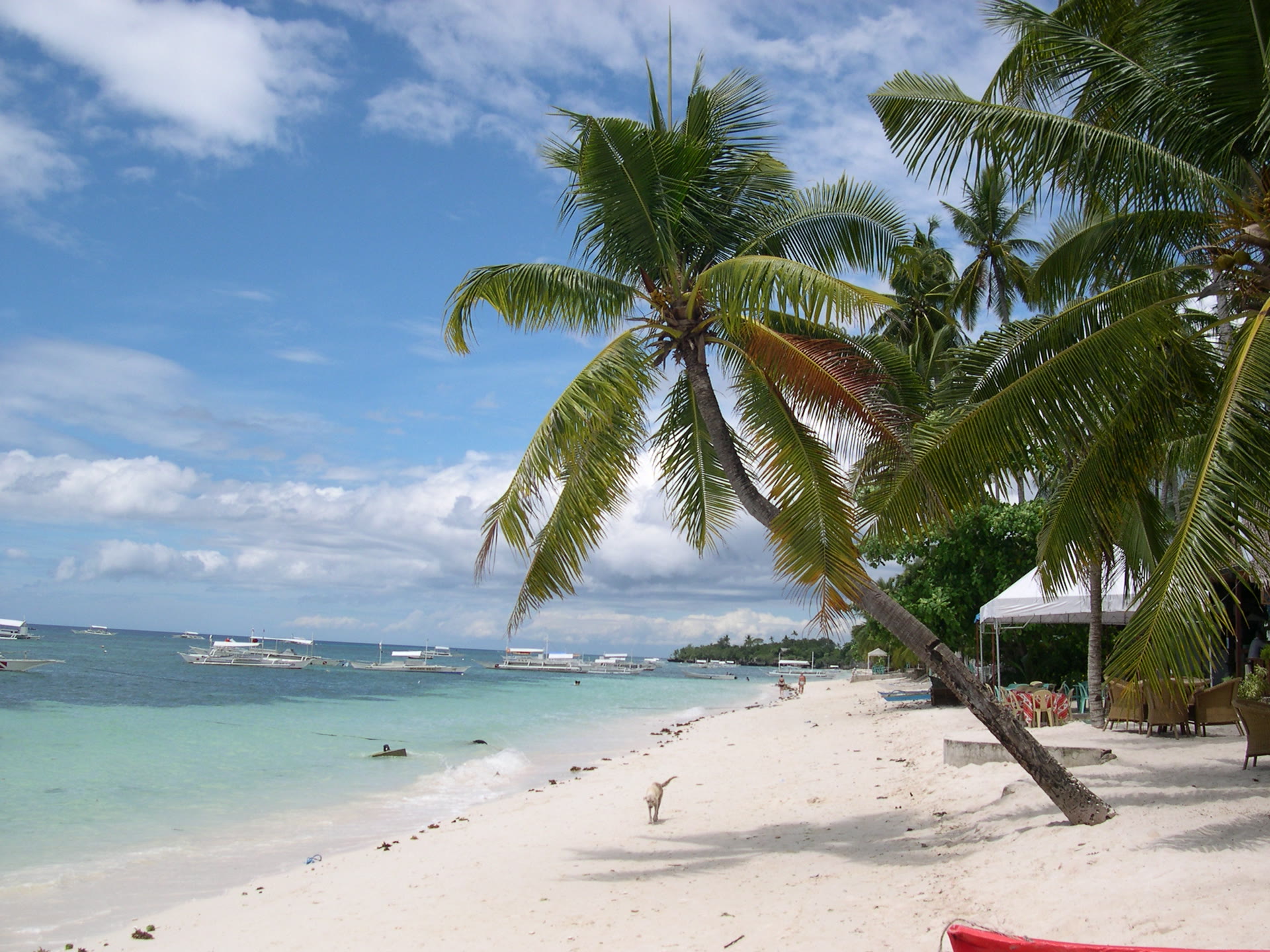
Getting Around Panglao - Local Transport Guide for Island Visitors
Contents
- 1. Getting Around Panglao by Tricycle
- 2. Getting Around Panglao by Habal-Habal (Motorcycle Taxi)
- 3. Getting Around Panglao by Motorbike Rental
- 4. Getting Around Panglao by Multicab and Jeepney
- 5. Getting Around Panglao by Private Car or Van Hire
- 6. Getting Around Panglao by Airport Transfer
- 7. Getting Around Panglao on Foot and by Bicycle
- 8. Comparing Your Options
- 9. Practical Tips for Getting Around Panglao
- 10. Popular Routes and Destinations
- 11. Frequently Asked Questions
- 12. Sources and background
Panglao Island is deceptively small on a map but surprisingly spread out on the ground. Connected to the larger island of Bohol by bridges, this coral-fringed island draws visitors with its white-sand beaches and world-class diving. Once you arrive, you quickly notice that getting around is informal: the distances between Alona Beach, Panglao town, Dauis and the resorts along the coast are too far to walk comfortably in the tropical heat, and most trips are arranged in person.
The rhythm of transport here is distinctly provincial Filipino. Motorized tricycles buzz along the main roads, habal-habal motorcycle taxis wait at junctions, and the occasional multicab rumbles past with passengers packed inside. For many travelers, renting a motorbike becomes the solution that turns a potentially frustrating transport situation into genuine freedom. Understanding your options before you land at Bohol-Panglao International Airport will save you time and money.
The island rewards those who explore beyond Alona Beach. Hidden coves, mangrove forests, centuries-old churches in Dauis and Panglao town, and local seafood markets all lie within a short ride. Here is how to reach them.
Getting Around Panglao by Tricycle
The tricycle is the backbone of local transport on Panglao. These are motorcycles with an attached passenger sidecar, and they work as both shared public transport and private hire vehicles. You will see them parked at stands near markets, the church in Panglao town, along the main road in Dauis and around the entrance to Alona Beach.
There are two ways to ride. A special trip means you hire the entire tricycle for yourself or your group, going directly to your destination. A regular trip means you share the tricycle with other passengers heading in the same general direction and pay a lower per-person fare. Most tourists end up taking special trips because regular routes do not always align with tourist destinations, and drivers will often default to quoting the special trip price.
Always agree on the fare before getting in. Tricycles do not use meters, and the tourist markup at Alona Beach can be significant. If a price feels high, politely counter-offer or walk to the main road, where you can flag down a passing tricycle at a more reasonable rate. Tricycles are best for short distances, they are slow, and the ride can be bumpy on secondary roads. Groups of three or more may need two tricycles or a larger vehicle.
Getting Around Panglao by Habal-Habal (Motorcycle Taxi)
The habal-habal is a motorcycle taxi where you ride on the back of the driver's bike. These are common across Bohol and Panglao, and they are a fast and flexible way to get around the island on a budget. Drivers wait near Alona Beach, at intersections, near the public market and outside the airport. Fares are negotiable, so agree on the price before you ride.
The trade-off is comfort and safety. You are exposed to sun, rain and road dust. Philippine law requires all motorcycle riders, including back riders, to wear a standard protective helmet at all times, with a fine of PHP 1,500 for a first offense; only tricycle drivers are exempt.[1] If you are offered a helmet, always wear it. Habal-habal suits solo travelers or couples comfortable on motorbikes and is not suitable for heavy luggage.
Getting Around Panglao by Motorbike Rental
Renting a scooter or motorbike is a very good way to explore Panglao on your own terms. The island is compact enough to ride from one end to the other in a short time, and having your own wheels opens up beaches, viewpoints and local eateries that are difficult to reach by tricycle. Rental shops and informal operators are found around Alona Beach and along the main roads, and rates depend on the shop and the bike, so compare a few before you commit.
Some operators ask to hold your passport as security. Offer a cash deposit or a photocopy instead and keep your passport with you. Before riding off, check the brakes, tires, lights and horn, and take photos of any existing damage so you are not blamed for it later. Carry a valid driver's license and ask the shop which license it requires, because police checkpoints occur on the roads between Panglao and Tagbilaran. The same helmet law applies to you as a rider.[1] Secondary roads near the coast can be rough, narrow and sandy, and street lighting is minimal at night, so ride cautiously.
Getting Around Panglao by Multicab and Jeepney
Multicabs are small, locally modified trucks that serve as shared public transport on fixed or semi-fixed routes. On Panglao they mainly run along the main road connecting Dauis to Panglao town, and some continue toward Tagbilaran City on the Bohol mainland. They are the cheapest way to travel.
The challenge for tourists is that multicabs have no posted schedules, route maps or signs in English. They run when they are full, and frequency drops in the evening. You flag them down from the roadside and tell the driver or conductor where you want to go. Jeepneys also operate between Tagbilaran and Panglao and are useful if you are heading to or from the mainland on a budget.
Getting Around Panglao by Private Car or Van Hire
For day trips that combine Panglao sightseeing with Bohol's Chocolate Hills, tarsier sanctuaries and river cruises, hiring a car with a driver is the most comfortable and practical option. Your hotel or guesthouse can almost always arrange this, and it is often the easiest way to book. Alternatively, you can negotiate directly with drivers who wait near Alona Beach or at the airport. Vans for larger groups are available as well.
Getting Around Panglao by Airport Transfer
Bohol-Panglao International Airport sits on the island itself, with Cebu Pacific among the airlines serving it.[2] It is still a drive from most tourist accommodations around Alona Beach, so a pre-arranged transfer is the most hassle-free option. Many resorts and dive shops offer free or discounted airport pickups if you book in advance, so confirm this before arrival.
Outside the arrivals hall you will find a queue of tricycles, habal-habal and vans. The airport taxi counter offers fixed-price rides that cost more than a street fare but spare you the haggling after a long flight. If you prefer to save, walk to the main road, where passing tricycles charge standard local rates.
Getting Around Panglao on Foot and by Bicycle
Walking is pleasant within specific areas but impractical as a primary way to get around the island. Alona Beach itself is a compact strip where restaurants, dive shops and bars are within walking distance, and Panglao town center is similarly walkable. Between these areas, the distances, the heat and the lack of sidewalks on many roads make walking uncomfortable. Bicycles can be rented at some guesthouses and shops near Alona Beach. The relatively flat terrain makes cycling feasible, especially in the cooler morning hours, but main roads have no bike lanes.
Comparing Your Options
| Mode | Best For | Notes |
|---|---|---|
| Tricycle (special trip) | Short to medium hops without your own wheels | Agree on the fare first; no meters |
| Habal-habal | Quick solo trips, flexibility | Helmet required by law[1] |
| Motorbike rental | Full island exploration and freedom | Carry a valid license; helmet required[1] |
| Multicab / Jeepney | Budget travel along main roads | No posted schedules |
| Private car / van hire | Day tours, groups, Bohol mainland trips | Often arranged through your hotel |
| Airport transfer | Hassle-free arrival and departure | Pre-book or ask your resort |
| Bicycle | Leisurely coastal exploration in cool hours | No bike lanes on main roads |
| Walking | Within Alona Beach or Panglao town only | Heat and few sidewalks |
Practical Tips for Getting Around Panglao
Cash is king. Tricycle, habal-habal and multicab drivers almost always want Philippine pesos in cash, and small bills are useful because drivers rarely have change for large notes. Negotiate before you ride. There are no meters on any form of transport on Panglao, so always agree on the fare before departure. If a price seems too high, smile, say "medyo mahal" (a bit expensive), and suggest a lower amount. Download offline maps. Google Maps works reasonably well on Panglao and helps you verify that a driver is taking a direct route. Download the offline map for Bohol before you arrive, because mobile data can be spotty in some areas. Ride-hailing apps are unreliable here. Coverage on Panglao is limited, so do not count on it. Arrange transport in person, through your accommodation or by flagging vehicles on the road. Watch for the afternoon lull. Many tricycle and habal-habal drivers take a break during the hottest part of the day, so finding a ride can take longer. Airport to Alona Beach. Some drivers at the airport quote inflated prices to tired arrivals. If you are quoted a lot more than a fellow traveler or your hotel suggests, counter-offer or seek another driver. Fuel up in town. If you rent a motorbike, fill your tank at a proper gas station in Dauis or Panglao town rather than buying bottled fuel from roadside vendors.
For travelers planning to combine Panglao with broader Bohol exploration, you can compare transport options and book transfers through platforms like GoAsia.cc.
Popular Routes and Destinations
Bohol-Panglao International Airport to Alona Beach: The most common route for arriving travelers. Pre-booked transfers and private vans offer air-conditioned comfort for groups, while tricycles from the main road outside the airport are the budget option.
Tagbilaran City to Panglao: If you are coming from the Bohol mainland, jeepneys and multicabs run from Tagbilaran toward Panglao, which makes them the cheapest way to cross between the mainland and the island.
Alona Beach to Panglao Town: A short tricycle ride, worth the trip for the old stone church, the local market and a glimpse of non-tourist Panglao life.
Alona Beach to Hinagdanan Cave: A popular half-day excursion reachable by tricycle or motorbike. Drivers usually ask for a round-trip fare with waiting time, so agree on it first.
Panglao to Balicasag Island: Boat trips depart from Alona Beach for this renowned snorkeling and diving destination. They are arranged through dive shops or bangka (outrigger boat) operators on the beach, not by land transport.
Frequently Asked Questions
Use this guide to compare local transport in Panglao. When bookable tickets are available, the booking tool shows current options and prices.
Renting a motorbike or scooter is the most flexible way to explore Panglao, but you need a valid license and must wear a helmet. If you are not comfortable on two wheels, tricycles are available throughout the island for short to medium trips, though you need to negotiate fares each time.
Fares are not metered and depend on distance, so agree on the price before you ride. Multicabs are the cheapest option, and motorbike rental rates vary by shop and bike.
Tricycles and multicabs are low-speed vehicles and serious incidents are rare. The main risks are on motorbikes, whether rented or as a habal-habal passenger, so always wear a helmet. Keep valuables secure and agree on fares before riding to avoid disputes.
Coverage on Panglao is limited, so do not count on it. Arrange transport in person, by flagging down tricycles, negotiating with habal-habal drivers or booking through your hotel. Offline Google Maps helps you verify routes.
Carry a valid driver's license and ask the rental shop which license it requires, because police checkpoints occur on the roads toward Tagbilaran. Philippine law requires every rider and back rider to wear a standard protective helmet, with a fine of PHP 1,500 for a first offense.
Pre-booked transfers, taxis from the airport counter, tricycles from the main road outside the airport and vans are available. Many hotels and dive resorts also offer free or discounted airport pickups if arranged in advance.
Alona Beach and Panglao town center are individually walkable, but walking between different areas of the island is not practical due to distances, heat and the lack of sidewalks on most roads. Plan on using motorized transport for anything beyond your immediate neighborhood.
Sources and background
Numbers in the text such as [1] refer to these sources.
- [1] Supreme Court E-Library (Republic Act No. 10054): Republic Act No. 10054, Motorcycle Helmet Act of 2009. Retrieved October 15, 2026.
- [2] Cebu Pacific: Cebu Pacific Destinations, Airports, and Terminal Numbers. Retrieved October 15, 2026.
Guide prices and journey times are indicative, not live quotes. A booked package may include transfers and waiting time as well as the main journey. Check the selected offer, pickup point and current conditions before booking.