Chocolate Hills Bohol: Visiting the Philippines' Geological Wonder
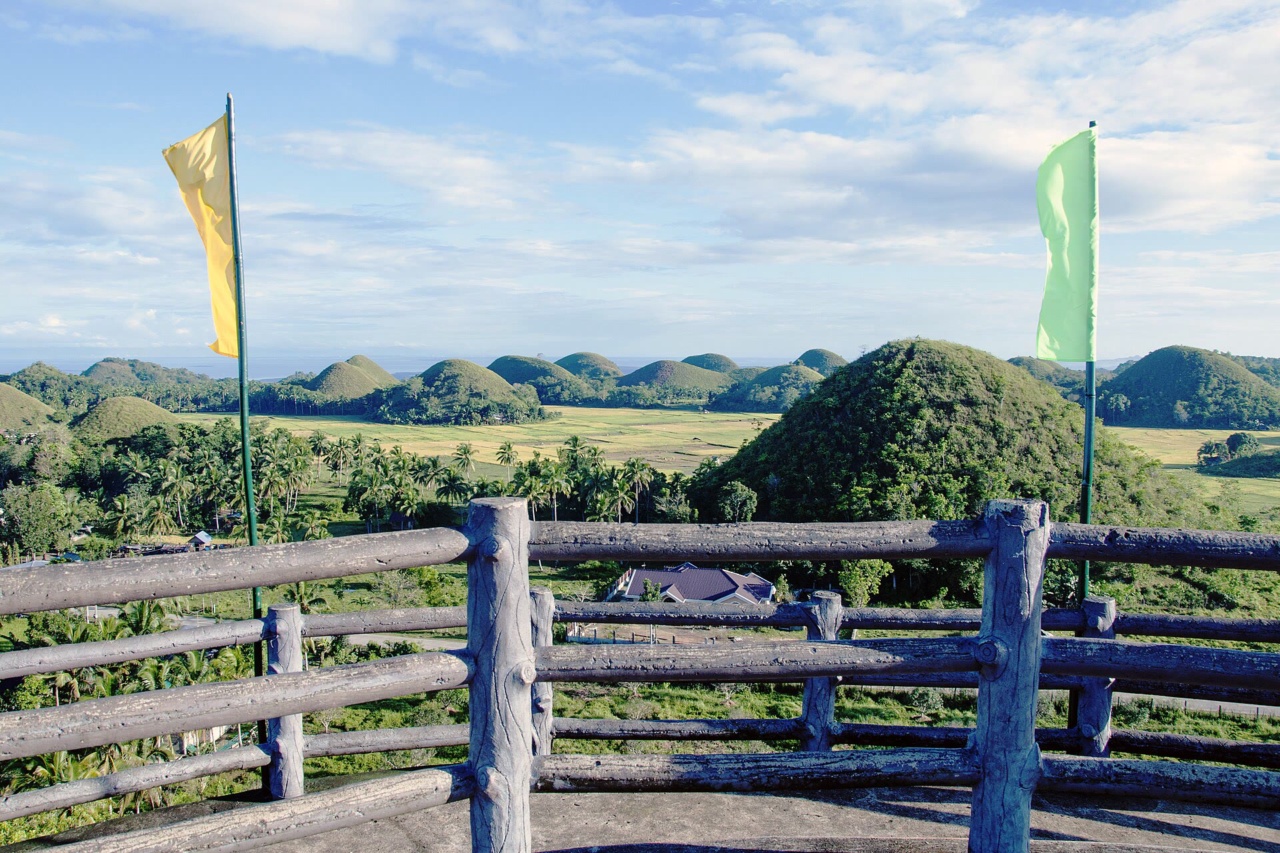
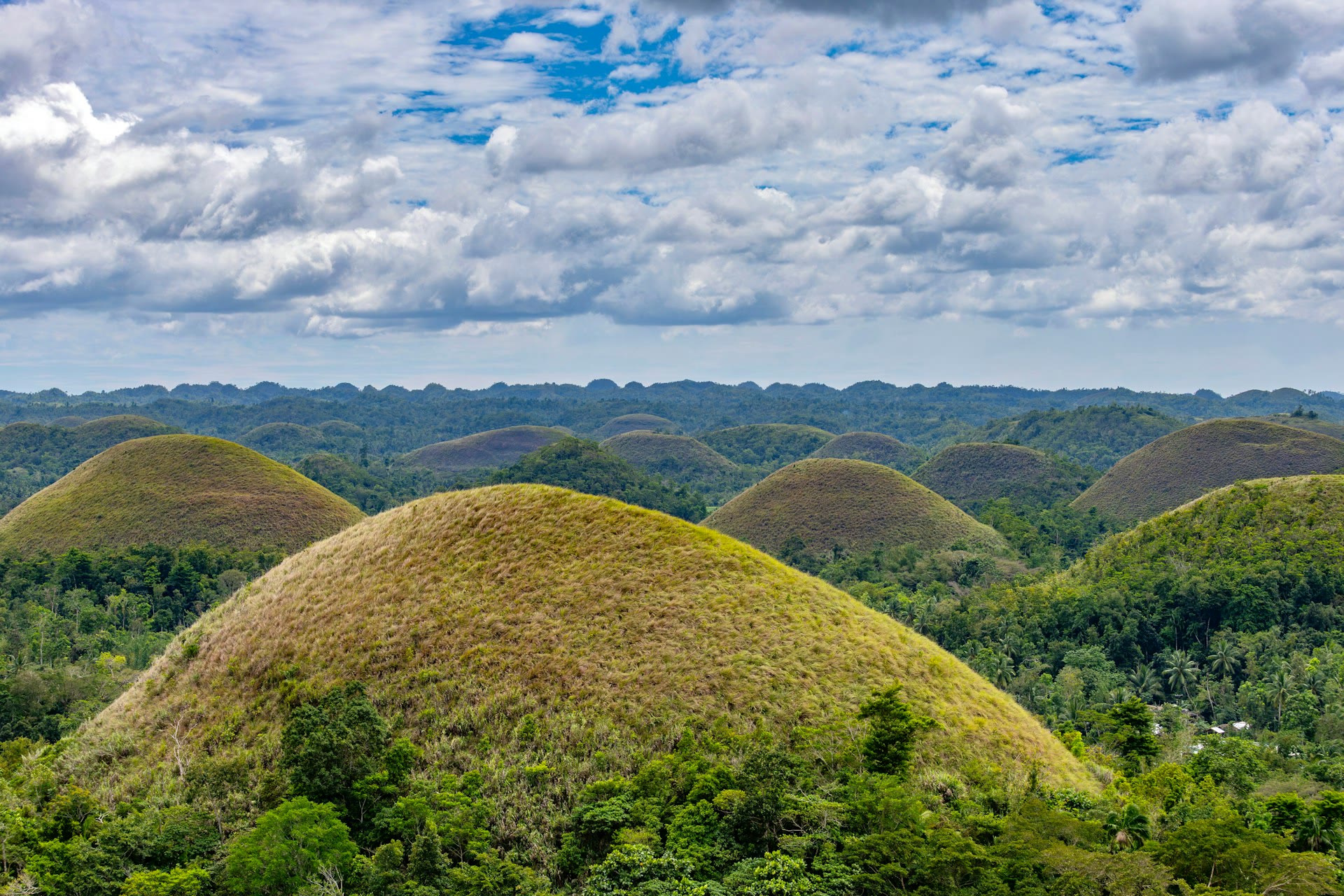
More than 1,200 perfectly cone-shaped hills spread across the interior of Bohol island, rising 30 to 50 meters above the flat surrounding farmland in a pattern so uniform it looks engineered. During the dry season, the grass covering these limestone mounds turns from green to a deep brown - the color of chocolate - giving them the name that has made this landscape one of the most recognizable natural landmarks in the Philippines.
The Chocolate Hills are a geological oddity with no definitive explanation. The leading theory suggests they are the weathered remains of ancient coral limestone, sculpted by erosion over millions of years into the symmetrical domes visible today. Whatever their origin, the visual impact is extraordinary. Standing at a viewpoint and looking out over hundreds of identical brown hills stretching to the horizon is one of those rare travel experiences that looks exactly like the photographs - and somehow even more surreal in person.
Where Are the Chocolate Hills
The hills are spread across the towns of Carmen, Batuan, and Sagbayan in the interior of Bohol, about 55 kilometers northeast of Tagbilaran City (the provincial capital) and roughly 60 kilometers from Panglao Island where most tourists stay. The main viewing complex is in Carmen, the most developed and popular access point.
Things to Do
The Viewing Complexes
Chocolate Hills Complex (Carmen)
This is the primary and most visited viewpoint. A shuttle tuk-tuk takes visitors from the parking area up the hill, followed by a climb of 214 steps to the observation deck on top of one of the hills. From the top, the panoramic view extends across hundreds of hills in every direction - the signature postcard image of Bohol.
| Detail | Information |
|---|---|
| Entrance fee | PHP 100-150 per adult, PHP 50 for children (4-12) |
| Opening hours | 6:00 AM - 6:00 PM daily |
| Time needed | 30-60 minutes |
The 214 steps are manageable for most fitness levels but can be tiring in the midday heat. Early morning visits (before 9:00 AM) offer cooler temperatures, better light for photography, and far fewer crowds.
Sagbayan Peak
An alternative viewpoint in the town of Sagbayan, less crowded than Carmen. The viewing area here includes a small park with gardens, butterfly exhibits, and sculptures alongside the hilltop panorama. The view is slightly different from Carmen - you see the hills from a different angle and the setting is more landscaped. Entrance is about PHP 50-75. Worth visiting if you want a quieter experience or are approaching from a different direction.
Getting to the Chocolate Hills
From Panglao Island or Tagbilaran
Most visitors base themselves on Panglao Island (home to Alona Beach) or in Tagbilaran City. The Chocolate Hills are an interior attraction, so getting there requires road travel.
| Transport | Duration | Cost |
|---|---|---|
| Organized countryside tour | Full day | PHP 2,000-3,000 per person (all-inclusive) |
| Private car/driver hire | 1.5 hours each way | PHP 2,500-3,500 for the day |
| Motorbike rental (self-drive) | 1.5 hours each way | PHP 300-350 per day rental |
| Public bus/van to Carmen | 2 hours each way | PHP 50-100 one way |
Organized Countryside Tour
The most popular option. Bohol's classic countryside tour combines the Chocolate Hills with several other attractions in a single full-day loop. A typical itinerary includes:
- Tarsier Sanctuary in Corella or Loboc - see the world's smallest primates in a protected forest habitat
- Loboc River Cruise - a floating lunch on a calm river through jungle scenery
- Man-Made Forest - a dense mahogany plantation creating a dramatic green tunnel over the road
- Chocolate Hills Complex in Carmen - the main viewpoint
Tours include hotel pickup and drop-off, entrance fees, and usually lunch. They run from about 8:00 AM to 4:00 PM. Book through your hotel or any tour operator in Panglao or Tagbilaran.
Self-Drive by Motorbike
Renting a scooter and driving yourself is the most flexible option. The road from Panglao to Carmen is paved and scenic, passing through small towns, rice fields, and the Man-Made Forest. You can stop wherever you like and avoid the tour group schedule. Motorbike rentals in Panglao cost PHP 300-350 per day. An international driving permit is technically required but rarely checked at rental shops.
Public Transport
From the Dao Integrated Bus Terminal in Tagbilaran, buses and vans run to Carmen throughout the day. Ask to be dropped at the Chocolate Hills Complex junction. From there, a habal-habal (motorcycle taxi) covers the last stretch to the viewpoint. This is the cheapest option but the slowest and least convenient for combining multiple stops.
When the Hills Turn Brown
The famous chocolate color only appears during the dry season, roughly from late February through June, when the grass dries out and turns brown. During the wet season (July to November), the hills are covered in bright green grass - still beautiful and dramatic, but without the signature brown color that gives them their name.
The transition period around March and April often produces the most photogenic conditions, when the hills are a rich, even brown against clear blue skies. By late dry season (May-June), the brown can become quite pale and washed out.
The hills are worth visiting in any season. The green version has its own appeal - the contrast between vivid green mounds and the surrounding landscape is striking. But if the chocolate color is important to you, aim for March or April.
Other Things to Do in Bohol
- Philippine Tarsier Sanctuary: Bohol is one of the few places in the world to see tarsiers - tiny primates with enormous eyes that fit in the palm of your hand. The sanctuary in Corella provides a responsible viewing experience in their natural forest habitat. Entrance PHP 100. Always visit a sanctuary rather than roadside tarsier exhibits, which stress the animals.
- Loboc River Cruise: A floating buffet lunch on a wooden barge that drifts slowly along the Loboc River through lush jungle. Touristy but genuinely enjoyable, with live music on board and scenic surroundings. About PHP 600-800 per person including the buffet.
- Man-Made Forest: A 2-kilometer stretch of densely planted mahogany trees forming a green tunnel over the road between Loboc and Bilar. A popular photo stop that is most atmospheric in the early morning when light filters through the canopy.
- Panglao Island beaches: Alona Beach is the main tourist beach, lined with dive shops, restaurants, and hotels. For quieter sand, try Dumaluan Beach (wider, less crowded) or Doljo Beach (remote and undeveloped).
- Diving and snorkeling: Bohol has excellent diving, particularly around Balicasag Island where steep coral walls drop into deep blue water with sea turtles, jacks, and barracuda. Balicasag is accessible by boat from Panglao. Day trips with snorkeling cost PHP 1,500-2,500.
- Baclayon Church: One of the oldest stone churches in the Philippines, built in the late 16th century by Spanish Augustinian friars. The adjacent museum holds religious artifacts and colonial-era relics. A short stop on the way to or from Tagbilaran.
Getting to Bohol
Bohol's main entry points are Tagbilaran Airport and Tagbilaran Seaport.
- Flights: Philippine Airlines and Cebu Pacific operate direct flights from Manila to Tagbilaran (1.5 hours, from PHP 2,000-4,000 one way). The new Panglao International Airport handles all flights and is closer to the beach resorts than the old Tagbilaran airport.
- Ferry from Cebu: Fast ferries from Cebu City to Tagbilaran run multiple times daily (2 hours, PHP 800-1,000). OceanJet and Lite Ferries are the main operators. This is a popular route for travelers combining Cebu and Bohol.
For more Philippines island guides and Bohol travel tips, explore other articles on GoAsia.cc.
Tips for Visiting the Chocolate Hills
- Visit early morning: Arrive at the Carmen viewpoint before 9:00 AM for cooler temperatures, better photography light, and minimal crowds. Tour groups start arriving mid-morning and the observation deck gets packed by noon.
- Combine with the countryside tour: The Chocolate Hills alone take only 30-60 minutes. The full-day countryside tour (tarsiers, Loboc River, Man-Made Forest, Chocolate Hills) gives you a complete Bohol interior experience and is excellent value at PHP 2,000-3,000.
- Bring water and sun protection: The 214 steps to the viewpoint are exposed to direct sun, and the interior of Bohol is hotter than the coastal areas. Sunscreen, a hat, and water are essential.
- March-April for the brown color: If seeing the hills in their signature chocolate-brown is important to you, time your visit for late dry season. The green version during wet season is also beautiful but looks very different from the classic postcard image.
- Consider Sagbayan Peak as an alternative: If the Carmen complex feels too crowded, the Sagbayan Peak viewpoint offers a different angle on the hills with far fewer tourists. It is slightly further from Panglao but worth the detour for a quieter experience.
- Self-drive for flexibility: Renting a motorbike lets you stop at the Man-Made Forest, tarsier sanctuary, and viewpoints on your own schedule. The roads are good and the route is straightforward. Fill up on fuel in Tagbilaran as petrol stations become sparse in the interior.
- Do not visit roadside tarsier exhibits: Some roadside stops offer tarsier viewing for tips, keeping animals in stressful, unnatural conditions. Always visit the official Philippine Tarsier Sanctuary in Corella instead, where the animals live in protected forest habitat.
Frequently Asked Questions
During the dry season (roughly February to June), the grass covering the 1,200+ limestone hills turns from green to a rich brown color resembling chocolate. The name comes from this seasonal transformation. During the wet season, the hills are covered in bright green grass. The most photogenic chocolate-brown conditions typically occur in March and April.
The entrance fee at the Carmen Chocolate Hills Complex is PHP 100-150 for adults and PHP 50 for children aged 4-12. A full-day countryside tour from Panglao that includes the Chocolate Hills, tarsier sanctuary, Loboc River cruise, and Man-Made Forest costs PHP 2,000-3,000 per person including transport and lunch. Self-driving by motorbike costs only the PHP 300-350 daily rental plus entrance fees.
The most popular option is an organized countryside day tour (PHP 2,000-3,000) with hotel pickup. You can also hire a private driver (PHP 2,500-3,500 for the day), rent a motorbike and self-drive (1.5 hours each way, PHP 300-350/day rental), or take a public bus from Dao Bus Terminal in Tagbilaran to Carmen (2 hours, PHP 50-100). The road is fully paved and scenic.
The viewpoint itself takes 30-60 minutes including the 214-step climb and time for photos. Most visitors combine it with a full-day countryside tour that also includes the tarsier sanctuary, Loboc River cruise, and Man-Made Forest, making a 6-8 hour day. The Chocolate Hills alone are not a full-day activity.
No, the chocolate-brown color is seasonal. The hills turn brown during the dry season (late February to June) when the grass dries out. During the wet season (July to November), they are covered in bright green grass. Both versions are visually impressive, but the classic brown appearance is best seen in March or April. The hills are worth visiting in any season.
For the brown color, visit between March and April. For the best viewing experience regardless of color, arrive at the Carmen viewpoint before 9:00 AM when temperatures are cooler and crowds are minimal. Tour groups arrive mid-morning and the deck gets crowded by noon. The dry season (December to May) overall offers the best weather for the full countryside tour.
Yes, the standard countryside tour combines them with the Philippine Tarsier Sanctuary, Loboc River cruise, and Man-Made Forest in a single day. This is the most popular way to see Bohol's interior highlights. Panglao Island's beaches and diving around Balicasag Island are separate activities best done on different days. Most visitors spend 3-4 days in Bohol to cover both interior and coastal attractions.