
Getting Around Dumaguete - Local Transport Guide for the City of Gentle People
Contents
- 1. Getting Around Dumaguete by Tricycle
- 2. Getting Around Dumaguete by Multicab and Jeepney
- 3. Getting Around Dumaguete by Pedicab
- 4. Getting Around Dumaguete on Foot
- 5. Getting Around Dumaguete by Motorcycle Rental
- 6. Getting Around Dumaguete by Ride-Hailing Apps
- 7. Getting Around Dumaguete by Habal-Habal (Motorcycle Taxi)
- 8. Getting Around Dumaguete by Private Van or Car Hire
- 9. Comparing Your Options
- 10. Practical Tips for Getting Around Dumaguete
- 11. Popular Routes and Destinations
- 11.1 Dumaguete Airport to City Center
- 11.2 Dumaguete to Negros Oriental Destinations (Dauin, Valencia, Bais, etc.)
- 11.3 Dumaguete to Apo Island
- 12. Frequently Asked Questions
Dumaguete has earned its nickname as the "City of Gentle People," and that warmth extends to how you move through it. This compact university town on the southeastern coast of Negros Island runs at a slower, friendlier pace than Manila or Cebu. There are no rail lines, no Grab cars circling every corner, and no towering overpasses. Instead, the streets hum with motorized tricycles, colorful multicabs, and the occasional horse-drawn calesa clattering down the boulevard.
The good news for travelers is that Dumaguete's small size makes it genuinely easy to navigate. The city center, anchored by Rizal Boulevard along the waterfront and Silliman University's leafy campus, is walkable on foot in under 30 minutes from end to end. Most of the places you will want to visit, from the public market to the cathedral to the dumpling shops along Perdices Street, sit within a tight radius. For anything beyond that walkable core, tricycles are everywhere, cheap, and willing to take you door to door. It is the kind of city where getting lost is hard and getting help is easy.
That said, if you plan to explore the broader Negros Oriental province, including destinations like Twin Lakes, Casaroro Falls, or the famous Apo Island, you will need to understand a few more transport options. Here is everything you need to know about moving around Dumaguete and its surroundings.
Getting Around Dumaguete by Tricycle
The tricycle is the undisputed king of Dumaguete transport. These are motorcycles fitted with a covered sidecar that seats two passengers (sometimes three if you are all slim and friendly). They line up on nearly every corner, cruise the main roads looking for fares, and will take you virtually anywhere within the city limits.
For trips within the city center, expect to pay around 10 to 20 pesos per person for a shared ride along a common route. If you want a "special" trip, meaning the tricycle goes directly to your destination without picking up other passengers, the fare rises to roughly 50 to 100 pesos depending on distance. Longer trips to areas on the city outskirts, like Valencia or Bacong, can cost 150 to 300 pesos for a special hire.
Payment is always in cash, and drivers rarely have change for large bills. Keep a stash of 20-peso and 50-peso notes handy. There is no meter. For common routes, fares are loosely standardized, but as a foreigner you may be quoted slightly higher prices. A polite "Tagpila?" (How much?) before hopping on sets expectations. Most drivers are honest, and a friendly smile goes a long way.
Tricycles operate from early morning until around 9 or 10 PM. After that, finding one becomes hit-or-miss, especially outside the boulevard area. During heavy rain, tricycles become scarce as drivers pull off the road, so plan accordingly during typhoon season.
Getting Around Dumaguete by Multicab and Jeepney
Multicabs are Dumaguete's version of a mini-bus. These small, boxy vehicles run fixed routes through the city and out to nearby towns, picking up and dropping off passengers along the way. They are essentially shrunken jeepneys, painted in various colors with route numbers or destination names displayed on the windshield or side panels.
The fare for a multicab ride within the city is typically 8 to 12 pesos, making them the cheapest way to cover ground. You flag them down from the roadside, hop in through the rear, and pay the driver or a fellow passenger who passes your fare forward. To signal your stop, knock on the ceiling or call out "para" (stop). Routes run along major roads like the national highway, connecting the city center to outlying barangays and neighboring municipalities like Sibulan, Bacong, and Valencia.
Traditional jeepneys also operate on some routes, particularly longer hauls heading north or south along the coast. They function identically to multicabs but are larger and can feel more crowded. Both multicabs and jeepneys run frequently during daylight hours but thin out significantly after sunset. There are no published schedules; you simply wait at the roadside and one will come along within a few minutes during peak times.
For travelers, multicabs are most useful for reaching the Dumaguete port area, the public market, or making the short trip to Sibulan (where ferries depart for Cebu). They are less practical if you are carrying large luggage or need door-to-door service.
Getting Around Dumaguete by Pedicab
Pedicabs, bicycle-powered rickshaws with a covered passenger sidecar, are common in the quieter residential areas and around the public market. They are slower than tricycles but perfectly suited for very short hops, especially when you are carrying market goods or just want a leisurely ride through the side streets.
Fares are negotiable and generally run around 10 to 30 pesos for short distances. Pedicab drivers tend to be older men earning modest incomes, so tipping a little extra is a kind gesture that is always appreciated. These are not ideal for longer distances or uphill routes, but for a trip from your hotel to Rizal Boulevard or from the market back to a nearby guesthouse, they do the job.
Getting Around Dumaguete on Foot
Walking is genuinely one of the best ways to experience Dumaguete. The city center is flat, compact, and largely safe for pedestrians. A stroll from Silliman University's main gate down to Rizal Boulevard takes about 10 minutes. From there, the cathedral, belfry tower, public market, and the cluster of restaurants and cafes along Perdices and San Jose Streets are all within easy walking distance.
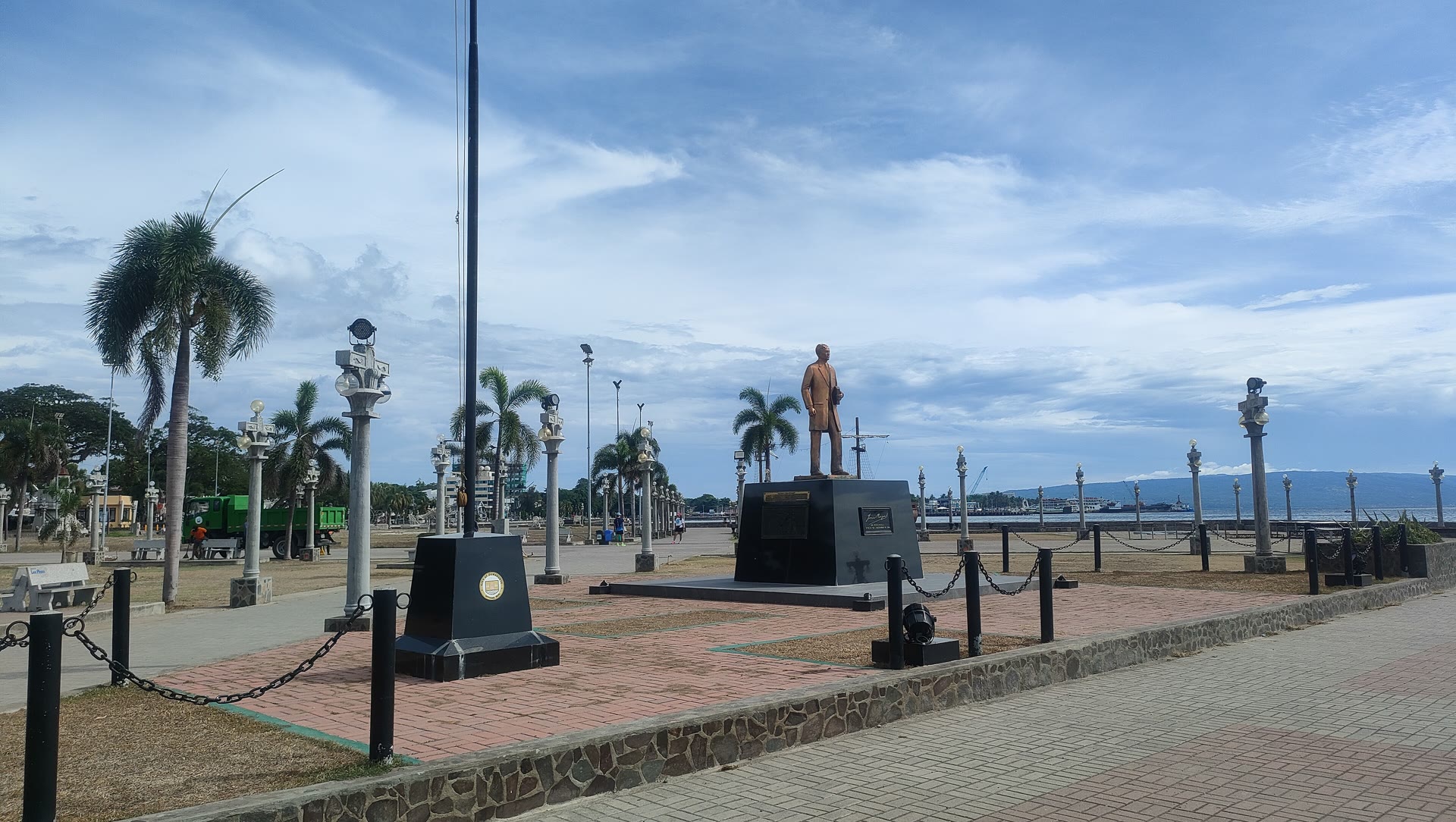
Rizal Boulevard itself is a highlight, a seaside promenade lined with restaurants, food stalls, and benches where locals gather in the evenings. Walking here at sunset is one of Dumaguete's simple pleasures. The boulevard connects to Quezon Park and the old town area, making it a natural spine for exploring on foot.
Sidewalks can be uneven or narrow in some areas, and you will occasionally share the road with tricycles and multicabs. Crosswalks exist but are not always respected by drivers, so cross with caution. The heat and humidity can be intense midday, so carry water and consider timing your walks for early morning or late afternoon.
Getting Around Dumaguete by Motorcycle Rental
Renting a scooter or motorcycle is an excellent option if you want to explore beyond the city center at your own pace. Several rental shops operate near the university area and along the boulevard, offering 110cc to 125cc scooters for around 350 to 500 pesos per day. Weekly rates bring the daily cost down further.
You will typically need to leave a valid ID or passport as a deposit. An international driving permit with a motorcycle endorsement is technically required by Philippine law, though enforcement in Dumaguete is relaxed. Helmets are mandatory and usually provided with the rental.
A scooter opens up day trips to Valencia (famous for its forest camp and Casaroro Falls), the coastal road south toward Zamboanguita and Dauin (a world-class diving area), and the scenic route to Twin Lakes in Balinsasayao. Roads in Negros Oriental are generally in decent condition on the main highways, though mountain roads can be steep, winding, and slippery after rain. Fill up at gas stations in town before heading into rural areas where fuel stops are sparse.
Getting Around Dumaguete by Ride-Hailing Apps
Unlike Manila or Cebu, Dumaguete does not have a robust Grab presence. The app technically works here, but available drivers are very limited, and you may wait a long time or find no cars at all. Some locals use Maxim or other smaller ride-hailing platforms, but coverage is inconsistent.
For most in-city trips, you are better off simply flagging a tricycle. If you need a car for a longer journey, such as a trip to a dive resort in Dauin or to the airport, your best bet is to arrange transport through your hotel or guesthouse. Many accommodations have partnerships with local drivers and can arrange reliable, reasonably priced private transfers.
Getting Around Dumaguete by Habal-Habal (Motorcycle Taxi)
For trips into the mountains or to destinations not well served by tricycles and multicabs, the habal-habal is your go-to option. These are ordinary motorcycles that take paying passengers on the back. They are particularly common for reaching Casaroro Falls, the mountain barangays above Valencia, and other off-the-beaten-path spots.
Habal-habals congregate at designated waiting areas, often near markets or transport terminals. Fares are negotiated in advance and typically range from 50 to 200 pesos depending on distance and terrain. The rides can be thrilling, winding up narrow mountain roads with lush jungle on either side. Hold on tight, wear a helmet if one is offered, and avoid riding during heavy rain when mountain roads become dangerously slick.
Getting Around Dumaguete by Private Van or Car Hire
For day trips around Negros Oriental or transfers to more distant destinations, hiring a private van or car with a driver is a comfortable and surprisingly affordable option. Hotels, tour agencies along the boulevard, and local Facebook groups can connect you with reliable drivers. A full-day car hire with driver typically costs around 2,000 to 3,500 pesos, depending on the itinerary and distance.
This is the most practical option for groups or families who want to visit multiple stops in a day, such as combining Twin Lakes, a waterfall, and a hot spring. The driver handles the navigation, parking, and local knowledge, freeing you to enjoy the scenery. You can also compare transport options on GoAsia.cc to find suitable transfers for specific routes.
Comparing Your Options
| Mode | Typical Cost | Duration | Best For |
|---|---|---|---|
| Tricycle | 10-100 pesos per trip | 5-20 min within city | Door-to-door trips anywhere in the city |
| Multicab/Jeepney | 8-12 pesos | 10-30 min | Budget travel along main roads and to nearby towns |
| Pedicab | 10-30 pesos | 5-10 min | Very short hops in quiet residential areas |
| Walking | Free | Varies | Exploring the compact city center and Rizal Boulevard |
| Motorcycle Rental | 350-500 pesos per day | Self-paced | Day trips to waterfalls, dive sites, and mountain areas |
| Habal-Habal | 50-200 pesos | 15-45 min | Mountain destinations and off-road spots |
| Private Car/Van Hire | 2,000-3,500 pesos per day | Full day | Groups, families, and multi-stop day trips |
Practical Tips for Getting Around Dumaguete
Dumaguete is forgiving for first-time visitors, but a few local insights will make your experience smoother.
- Carry small bills and coins. Tricycle and multicab drivers rarely have change for 500- or 1,000-peso notes. Break large bills at convenience stores, restaurants, or the public market before you start your day.
- Download offline maps. Google Maps works reasonably well in Dumaguete, and downloading the Negros Oriental area for offline use is smart insurance for mountain trips where mobile signal drops out.
- Learn a few Bisaya phrases. While many Dumaguetenos speak English (it is a university town, after all), tricycle drivers and multicab operators often prefer Bisaya. "Tagpila?" (How much?), "Para" (Stop), and "Salamat" (Thank you) will cover most situations.
- Agree on fares before you ride. This applies to tricycles, habal-habals, and private hires. A quick "How much to [destination]?" before boarding prevents misunderstandings later.
- Rush hour is mild but real. Traffic picks up around 7 to 8 AM and 5 to 6 PM, particularly along the national highway near the public market and the Silliman area. By Manila standards it is nothing, but it can double your tricycle travel time on short trips.
- Be cautious at night. Dumaguete is generally safe, but poorly lit side streets warrant attention after dark. Stick to the boulevard and main roads if walking at night, and arrange your tricycle ride before it gets too late.
- Watch for the Sibulan connection. If you are heading to or from Cebu by fast ferry, the port is in Sibulan, about 15 minutes north of the city center. Multicabs run this route frequently, or a tricycle special trip costs around 100 to 150 pesos.
- Sunscreen and hydration matter. This sounds like generic advice, but Dumaguete's tropical heat is relentless. If you plan to walk or ride a scooter for any length of time, prepare accordingly. Many travelers underestimate the midday sun.
Popular Routes and Destinations
Here are some common routes travelers take in and around Dumaguete, with practical transport advice for each.
Dumaguete Airport to City Center
Sibulan Airport (also called Dumaguete Airport) is just a few kilometers north of the city. A private transfer typically costs $10 to $14 and takes around 20 minutes. Tricycles are also available outside the terminal for a lower price, though fitting large luggage into the sidecar can be a squeeze. If you are traveling light, a tricycle special trip to the boulevard area should cost around 100 to 150 pesos.
Dumaguete to Negros Oriental Destinations (Dauin, Valencia, Bais, etc.)
Heading out to explore the wider province, whether to the diving areas of Dauin, the waterfalls near Valencia, or the dolphin-watching town of Bais, a private transfer runs approximately $20 to $24 and takes around 45 minutes depending on the specific destination. For budget travelers, multicabs and jeepneys serve many of these routes at a fraction of the cost, though travel times will be longer due to stops along the way. The return trip from Negros Oriental destinations back to Dumaguete costs the same, around $20 to $24 by private transfer with a 45-minute journey.
Dumaguete to Apo Island
Apo Island, one of the Philippines' best snorkeling and diving spots, is reached via a short boat ride from Malatapay, about 30 minutes south of Dumaguete. Take a multicab or jeepney heading south to Zamboanguita and get off at Malatapay, then hire a bangka (outrigger boat) to the island. The boat ride takes about 30 to 45 minutes. Alternatively, most dive shops and hotels arrange all-inclusive day trips that handle the logistics for you.
Frequently Asked Questions
Use this guide to compare local transport in Dumaguete. When bookable tickets are available, the booking tool shows current options and prices.
For trips within the compact city center, walking is easy and enjoyable, especially along Rizal Boulevard and around Silliman University. For anything beyond walking distance, tricycles are the most convenient and widely available option, offering cheap door-to-door service throughout the city. Renting a scooter is ideal if you plan to explore the surrounding province.
Local transport in Dumaguete is very affordable. Multicab rides cost 8 to 12 pesos, shared tricycle rides run 10 to 20 pesos, and a special (private) tricycle trip within the city is typically 50 to 100 pesos. Motorcycle rentals cost around 350 to 500 pesos per day, and a full-day car hire with driver ranges from 2,000 to 3,500 pesos.
Yes, public transport in Dumaguete is generally safe. The city has a well-deserved reputation for friendliness, and violent crime targeting tourists is rare. Exercise normal precautions like keeping valuables secure on multicabs and avoiding poorly lit areas late at night. Tricycle drivers are overwhelmingly honest, though always agree on fares before boarding.
Grab and other ride-hailing apps have very limited availability in Dumaguete. You may find occasional drivers on the Maxim app, but coverage is unreliable. For most trips, flagging a tricycle on the street or arranging transport through your hotel is far more practical than relying on an app.
The city center is very walkable. Key areas like Rizal Boulevard, Silliman University, the cathedral, and the public market are all within a 10 to 15 minute walk of each other on flat terrain. Sidewalks can be narrow or uneven in places, and the tropical heat makes midday walks tiring, so carry water and time longer walks for cooler hours.
Sibulan Airport is a short ride north of the city. A private transfer costs approximately $10 to $14 and takes around 20 minutes. Tricycles are available outside the terminal for a lower fare, typically 100 to 150 pesos for a special trip, though fitting large bags can be tight.
Tricycles remain available until around 9 to 10 PM in most areas. After that, your options become limited. The Rizal Boulevard area stays lively into the evening and is safe for walking. For late-night trips, ask your hotel or restaurant to call a tricycle for you, or arrange a pickup time with a driver you have used during the day.
Philippine law requires a valid driver's license with a motorcycle endorsement, and an international driving permit is recommended for foreign visitors. In practice, many rental shops in Dumaguete are relaxed about enforcement, but riding without proper documentation means you are uninsured and could face fines at police checkpoints. Always wear a helmet, which is both legally required and provided with most rentals.
Guide prices and journey times are indicative, not live quotes. A booked package may include transfers and waiting time as well as the main journey. Check the selected offer, pickup point and current conditions before booking.