

Contents
Leaving the Chocolate Hills and tarsiers of Bohol for the whale sharks of Oslob in southern Cebu is a trip across the strait that skips the long detour through Cebu City. Whether you are staying near Tagbilaran or on Panglao Island, the crossing starts on Panglao.
Bohol to Oslob by Boat
Apekoptravel runs a daily boat from Momo Beach on Panglao Island to Quartel Beach in Oslob.[1] It sails beach to beach instead of using official ports, which cuts the travel time.[1]
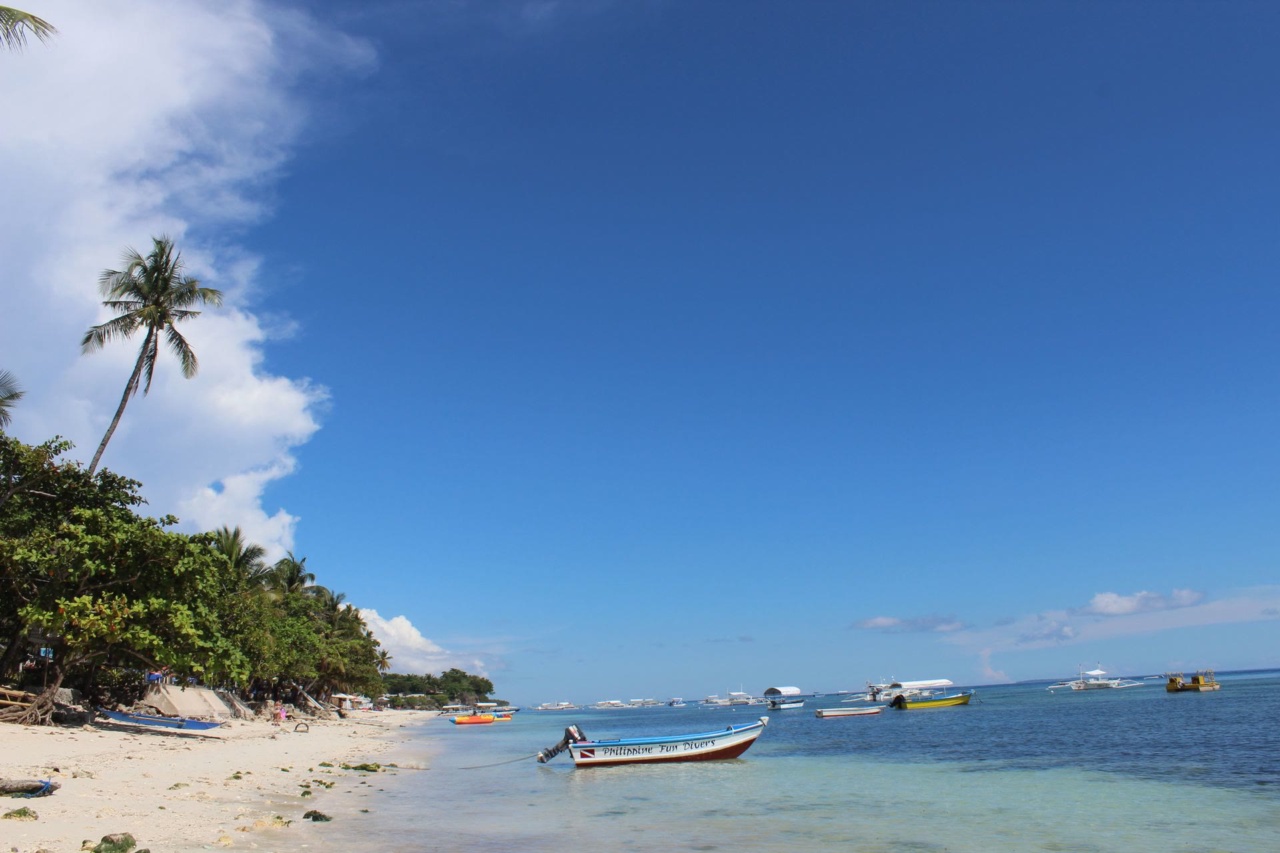
The Daily Crossing
The boat leaves Momo Beach at 06:30, with boarding at 05:00 and a local landing fee of ₱20 paid on the spot.[1] Momo Beach is reached through the entrance marked "LOOC Elementary School / Momo Beach" on the Panglao Circumferential Road, then straight on for about 1,300 m to the beach.[1] The crossing takes no longer than one and a half hours.[1] You can also book this crossing through GoAsia.cc.
This is not a ferry line: passengers get on and off through small boats at the beaches, so expect to get your feet wet.[1]
Fare and Baggage
The one-way fare booked online is ₱1,000.[1] Tickets bought at the departure point cost ₱1,000 one way or ₱1,200 for a day return, but the boat can already be full.[1] Baggage under 10 kg is free; heavier baggage costs ₱100 to ₱150 extra.[1]
Comparing Your Options
The Apekoptravel boat is the only direct crossing on this route:
| Mode | Price | Duration | Comfort |
|---|---|---|---|
| Apekoptravel boat from Panglao | ₱1,000 one way | 1h 30min | Basic |
Tips for Traveling from Bohol to Oslob
- Book Ahead: There is one departure per day from Panglao, and the boat can be fully booked when you buy at the beach.[1] Reserve your seat before you travel.
- Arrive Early: Plan for the 05:00 boarding and allow time to reach Momo Beach before it.[1]
- Check the Weather: Trips can be changed, interrupted or cancelled when sea or weather conditions require it; the ticket is then refunded in full or in part.[1]
- Luggage: Keep valuables and electronics in waterproof bags, because passengers board through small boats and may get wet.[1]
Frequently Asked Questions
Use the booking tool on this page to compare the transport options currently available from Bohol to Oslob, including current prices and schedules.
The direct Apekoptravel boat from Panglao is the only direct crossing on this route. Its one-way fare is ₱1,000.
The direct boat from Panglao to Oslob, which takes no longer than about 1 hour and 30 minutes, is faster than going through Cebu City.
The crossing takes about 1 hour and 30 minutes. Boarding is at 05:00 and the boat leaves Momo Beach at 06:30.
It leaves from Momo Beach on Panglao Island, not from Tagbilaran port. The entrance is marked "LOOC Elementary School / Momo Beach" on the Panglao Circumferential Road.
A local landing fee of ₱20 is paid at Momo Beach, and baggage over 10 kg costs ₱100 to ₱150 extra.
Baggage under 10 kg is free of charge. Heavier baggage costs ₱100 to ₱150.
Sources and background
Numbers in the text such as [1] refer to these sources.
- [1] Apekoptravel.com: Apekoptravel.com: schedule, fares and notes for Panglao-Oslob. Retrieved October 18, 2026.
Guide prices and journey times are indicative, not live quotes. A booked package may include transfers and waiting time as well as the main journey. Check the selected offer, pickup point and current conditions before booking.