
Contents
Olongapo to Manila is one of those Luzon routes where the distance looks manageable, but the final approach into Metro Manila decides how the journey feels. Leaving the Subic Bay and Zambales area is usually straightforward; entering the capital can be quick on a good day or slow when city traffic builds.
The bus is the practical way to make this trip, and Victory Liner is the operator that links Olongapo with Manila terminals. GoAsia.cc can be used to compare and book the route before you travel.
Olongapo to Manila by Bus
Victory Liner runs Regular Aircon buses from its Olongapo Terminal to Cubao in Quezon City five times a day, at 03:10, 04:10, 09:40, 13:30 and 15:45, and lists the trip at 3 to 4 hours.[1] In the other direction, three daily buses leave Pasay Terminal for Olongapo (01:30, 12:00 and 17:00), also listed at 3 to 4 hours.[1] The company warns that trip schedules may change without prior notice, so confirm at the terminal or on its Facebook page.[1]
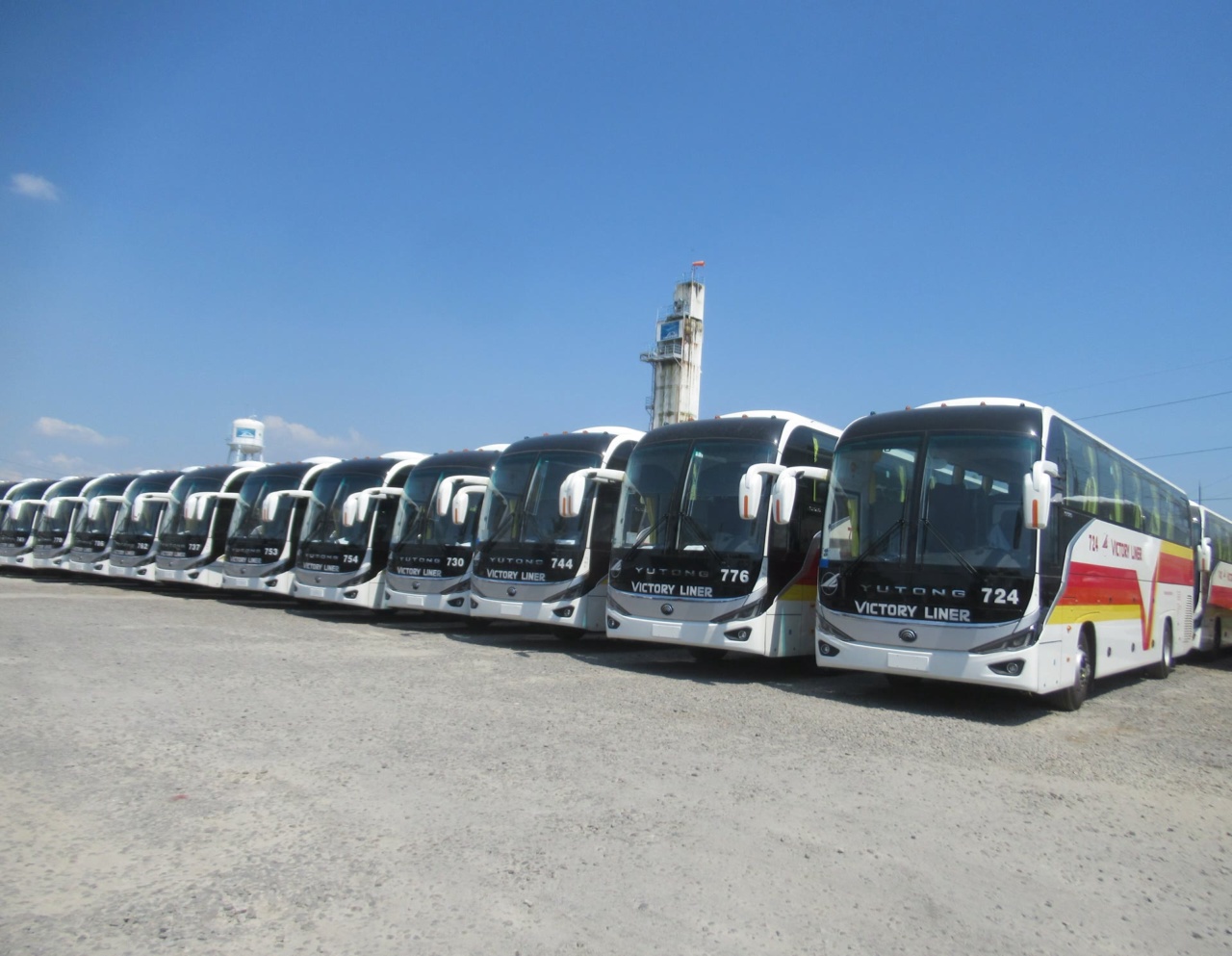
The published Regular Aircon fare between Cubao and Olongapo is PHP 250.[2] Regular Aircon buses are 2x2 seaters with air-conditioning and an on-board TV.[2] Bring a light layer, because air-conditioned buses in the Philippines can feel cold even when the weather outside is hot.
Manila is not a single bus stop. Victory Liner's Olongapo timetable lists Cubao as the Manila terminal for departures from Olongapo, while Pasay appears only for the Pasay to Olongapo direction.[1] Check where your ticket ends and choose the arrival point based on your next move, not just the word Manila. Cubao is useful for Quezon City and onward connections along EDSA, while Pasay works better for airport access and the south side of Metro Manila.
Olongapo departures are convenient for travelers coming from Subic Bay, Barrio Barretto, or central Olongapo. If you are starting inside the Subic Bay Freeport Zone, allow time to reach the Olongapo bus terminal first. Jeepneys, taxis, and local transport can bridge the short local gap.
The fastest trips are possible when traffic is light and the bus has a direct run. Slower trips happen on Friday evenings, Sunday returns, holiday periods, heavy rain, or when there are incidents near Manila. If you have a flight, visa appointment, ferry, or same-day long-distance connection, build a generous buffer into your plan.
Keep valuables with you rather than in checked luggage. Use a small day bag for wallet, phone, passport, medication, and electronics. At Manila terminals, identify your ride-hailing pickup point, taxi queue, LRT or MRT connection, or hotel transfer before leaving the terminal area.
Comparing Your Options
| Mode | Price | Duration | Comfort |
|---|---|---|---|
| Bus (Victory Liner, Regular Aircon) | PHP 250 Cubao to Olongapo[2] | 3 to 4 hours[1] | 2x2 air-conditioned seats, comfort mostly depends on Manila traffic |
Tips for Traveling from Olongapo to Manila
- Choose your Manila terminal carefully. Check where your ticket ends: Cubao and Pasay serve different parts of the city.
- Expect traffic near the capital. The listed duration is a range, and city conditions can push you to the long end.
- Bring a light layer. Regular Aircon buses can be chilly during the ride.
- Keep valuables in your day bag. Do not place passports, cash, medication, or electronics in luggage stored under the bus.
- Check the day's departures. Victory Liner may change trip schedules without notice.[1]
- Plan local transport from Subic separately. If you start in Subic Bay Freeport, you still need to reach the Olongapo bus departure point.
Timetable
| Bus Olongapo - Manila $ 6.81–10.03 2h 20m – 3h 35m | |
|
Frequently Asked Questions
Use the booking tool on this page to compare the transport options currently available from Olongapo to Manila, including current prices and schedules.
The bus is the usual choice. Victory Liner lists a Regular Aircon fare of PHP 250 between Cubao and Olongapo.
Victory Liner lists 3 to 4 hours for its Olongapo to Cubao service. Traffic near Metro Manila can push the trip toward the longer end.
Victory Liner lists five daily departures from Olongapo Terminal to Cubao (03:10, 04:10, 09:40, 13:30 and 15:45). Schedules can change without notice, so confirm before you travel.
Choose based on your onward destination. Victory Liner's departures from Olongapo are listed to Cubao, which suits Quezon City and EDSA connections. Pasay works better for the airport and the south of Metro Manila, so check where your ticket ends.
Yes. The listed duration is a range, and congestion near Metro Manila terminals can make the final approach slower.
Yes. Victory Liner's Regular Aircon buses are 2x2 seaters with air-conditioning and an on-board TV.
Sources and background
Numbers in the text such as [1] refer to these sources.
- [1] Victory Liner: Bus Schedules. Retrieved October 15, 2026.
- [2] Victory Liner: Victory Liner Online Booking: Popular Routes and Fares. Retrieved October 15, 2026.
Guide prices and journey times are indicative, not live quotes. A booked package may include transfers and waiting time as well as the main journey. Check the selected offer, pickup point and current conditions before booking.