Whale Shark Watching in Oslob: What to Know Before You Go
Swimming alongside the largest fish in the ocean - a whale shark that can grow up to 12 meters long - in warm, shallow water just meters from the beach is an experience that draws over 250,000 visitors a year to the small town of Oslob on the southern tip of Cebu Island. The encounter is almost guaranteed: whale sharks gather here daily, drawn by local fishermen who feed them small shrimp from paddle boats in a practice that has turned Oslob into one of the most visited wildlife tourism sites in the world.
This is also one of the most debated tourist activities in the Philippines. Unlike whale shark encounters in places like Donsol (where sharks appear naturally during migration), Oslob's sharks are provisioned - hand-fed daily to keep them in the area. Marine biologists and conservation groups have raised serious concerns about how this affects the animals' natural behavior, migration patterns, and long-term health. Understanding both sides of this debate is important before deciding whether to visit. This guide covers the practical details of the experience and the ethical questions so you can make an informed choice.
The Experience
The whale shark interaction operates every morning from the Tan-awan area of Oslob. Here is what happens:
- Arrival and registration: You arrive at the Whale Shark Center, pay your fee, and receive a numbered ticket with your assigned time slot.
- Briefing: A mandatory orientation covers the rules of interaction - no touching, no flash photography, maintain distance, no sunscreen in the water.
- Boat ride: Small outrigger boats take groups of 6-8 people to the interaction area, just 50-100 meters offshore.
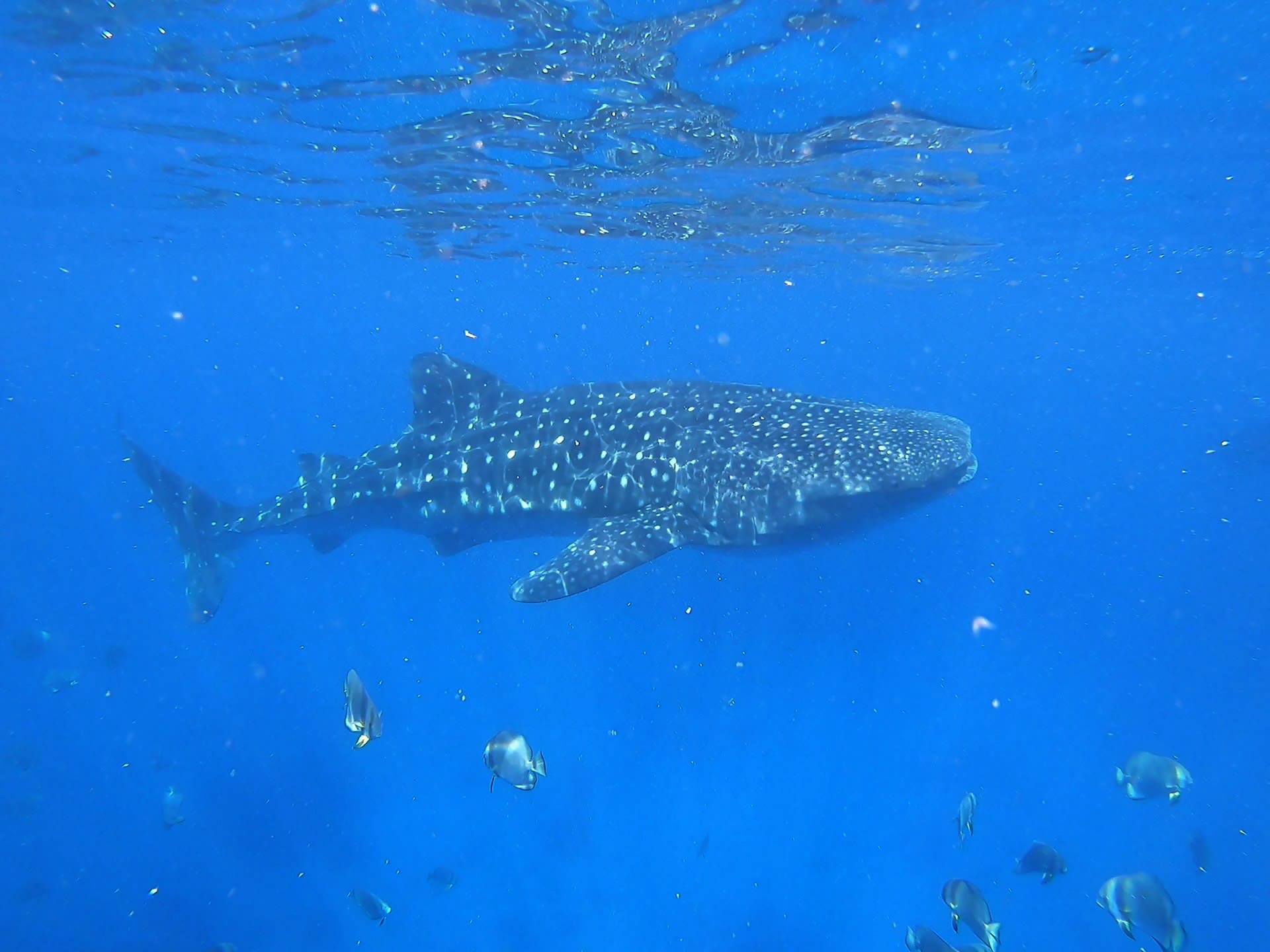
- In the water: You slip into the water with a mask and snorkel (or stay in the boat for watching only). Whale sharks glide below and beside you, mouths open as they feed on shrimp scattered by the feeder boats. The encounter lasts 30 minutes.
- Return: The boat brings you back to shore.
The sharks are enormous and gentle. Seeing a 6-10 meter whale shark drift past you at arm's length, its spotted skin catching the morning light, is genuinely awe-inspiring regardless of the circumstances that brought it there. Most visitors describe it as a once-in-a-lifetime moment.
Things to Do
Costs and Practical Details
| Activity | Cost (Foreign Visitors) |
|---|---|
| Snorkeling with whale sharks | PHP 1,500 |
| Watching from the boat (no swimming) | PHP 1,000 |
| Scuba diving with whale sharks | PHP 5,000 |
| Detail | Information |
|---|---|
| Operating hours | 6:00 AM - 12:00 PM daily (closed Good Friday) |
| Duration in water | 30 minutes per session |
| Season | Year-round (sharks are present daily) |
| Equipment provided | Mask, snorkel, life vest |
Rules and Guidelines
The following rules are mandatory and covered in the briefing:
- Maintain a distance of at least 4 meters from the whale sharks at all times
- Do not touch or attempt to ride the whale sharks
- No flash photography
- Do not wear sunscreen, sunblock, or any chemical products when entering the water (these harm the sharks and the marine environment)
- Do not splash or make sudden movements when entering the water
- Do not feed the whale sharks - only authorized feeders may do so
- Life vests are mandatory for non-swimmers
In practice, the crowded conditions make the 4-meter distance rule difficult to maintain, and compliance is low. During busy periods, multiple boats and dozens of swimmers share the water with the sharks simultaneously.
The Ethical Debate
Oslob's whale shark operation is controversial, and responsible travelers should understand the concerns before visiting.
The Concerns
- Behavioral change: Research shows that whale sharks at Oslob have altered their natural behavior. Sharks that would normally migrate across vast ocean distances now stay in the area year-round, dependent on the daily feeding. Newly arriving sharks quickly learn to associate the site with food and begin arriving earlier each day.
- Migration disruption: Whale sharks are migratory animals that travel thousands of kilometers. Keeping them in one location through feeding disrupts their natural life cycle, potentially affecting breeding patterns and genetic diversity across the wider population.
- Injury risk: The close proximity of boats and swimmers to the sharks creates physical risks. Propeller injuries and accidental contact have been documented. The high tourist volume makes enforcement of distance rules nearly impossible.
- Dependency: The sharks receive up to 150 kilograms of shrimp daily from feeders. Scientists worry about the long-term effects of this artificial diet on the health of an endangered species.
- Conservation message: Critics argue that Oslob normalizes the manipulation of wild animals for tourism, undermining conservation messaging about respecting wildlife in their natural habitat.
The Other Side
- Economic impact: The whale shark operation has transformed Oslob from a poor fishing village into a thriving community. Revenue is distributed among fishermen (60%), the municipality (30%), and the local village (10%). Hundreds of families depend on the income.
- Awareness: Supporters argue that seeing whale sharks up close creates emotional connections that motivate people to care about marine conservation more than any documentary could.
- Protection from worse fates: Before tourism, whale sharks in the Philippines were sometimes hunted. The economic value of live sharks for tourism provides a financial incentive for their protection.
There is no simple answer. Many marine biologists recommend visiting Donsol in Sorsogon province instead, where whale sharks appear naturally during their migration season (November to June) without artificial feeding. The encounter is less guaranteed but considered more ethical and sustainable.
Getting to Oslob
From Cebu City
| Transport | Duration | Cost |
|---|---|---|
| Bus from South Bus Terminal | 3-4 hours | PHP 200-300 |
| Organized tour from Cebu City | Full day | PHP 2,000-4,000 per person |
| Private car/van hire | 3 hours | PHP 4,000-6,000 for the vehicle |
Buses to Oslob depart from the South Bus Terminal on N. Bacalso Street in Cebu City. Tell the conductor you are going to the whale shark watching site in Tan-awan, Oslob. The bus drops you directly at the road above the Whale Shark Center.
From Moalboal
Oslob is about 60 kilometers south of Moalboal (1.5-2 hours by bus or motorbike). Many travelers combine Moalboal (sardine run, Kawasan Falls) with an Oslob whale shark morning, leaving Moalboal very early to arrive at Oslob by 6:00 AM.
Timing Your Visit
- Arrive before 6:00 AM: The site opens at 6:00 AM and early arrivals get the first time slots with fewer people in the water. By mid-morning, the queue can stretch to 2-3 hours.
- Weekdays are better: Weekend and holiday crowds are significantly larger. If possible, visit on a Tuesday through Thursday.
- Dry season (December to May): Calmer seas and clearer water provide better visibility. The whale sharks are present year-round regardless of season.
Combining Oslob with Nearby Attractions
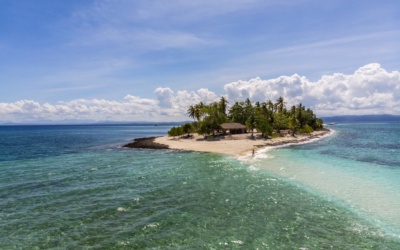
- Sumilon Island: A beautiful small island with a shifting sandbar just off the coast of Oslob. Day trips by boat (PHP 1,500-2,500) offer snorkeling and beach time. Often combined with the whale shark morning for a full day.
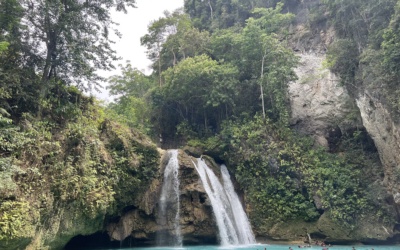
- Tumalog Falls: A gentle curtain-style waterfall about 15 minutes from the whale shark site. The multi-layered cascade flows over moss-covered rocks into a shallow pool. Entrance PHP 20. A perfect cool-down after the morning activity.
- Kawasan Falls and Moalboal: An ambitious but possible day combining an early Oslob whale shark session with Kawasan Falls canyoneering or Moalboal sardine run on the way back to Cebu City.
Tips for Visiting Oslob Whale Sharks
- Arrive as early as possible: The earlier you arrive, the smaller the crowds and the better the experience. Plan to be at the Whale Shark Center by 5:30-6:00 AM. This means leaving Cebu City around 2:00-3:00 AM by bus, or staying overnight in Oslob or nearby.
- Do not wear sunscreen: This rule exists to protect the sharks and the water. If you burn easily, wear a rash guard or UV-protective shirt instead. Chemical and mineral sunscreens are both prohibited.
- Bring a waterproof camera or phone case: Underwater photos of the whale sharks are the highlight. A sealed waterproof case for your phone works well. GoPro-style cameras are ideal.
- Consider the ethics: Read about the controversy before visiting and make your own informed decision. If ethical wildlife encounters are important to you, research Donsol in Sorsogon as an alternative where whale sharks gather naturally without feeding.
- Combine with Sumilon Island: After the whale shark session (which ends by noon at the latest), a boat trip to Sumilon Island's sandbar and snorkeling makes for a perfect afternoon complement.
- Visit Tumalog Falls after: A short tricycle ride from the whale shark site, Tumalog Falls is a beautiful, easy side trip that rounds out the morning nicely.
- Manage expectations about distance: While the 4-meter rule exists, the reality is crowded and chaotic during busy periods. The sharks are extremely close - sometimes uncomfortably so - and other swimmers will be everywhere. Early morning slots on weekdays offer the most controlled experience.
For more Cebu attractions and Philippines marine wildlife guides, explore other articles on GoAsia.cc.
Frequently Asked Questions
This is heavily debated. The whale sharks are fed daily to keep them in the area, which disrupts their natural migration, creates food dependency, and exposes them to injury from boats and swimmers. Marine conservation groups generally advise against it. However, the operation provides significant income to the local community. An alternative is Donsol in Sorsogon province, where whale sharks appear naturally during migration season without artificial feeding.
Snorkeling with the whale sharks costs PHP 1,500 for foreign visitors. Watching from the boat without swimming is PHP 1,000. Scuba diving costs PHP 5,000. These fees include equipment (mask, snorkel, life vest) and a 30-minute session in the water. Organized tours from Cebu City cost PHP 2,000-4,000 per person including transport.
Take a bus from the South Bus Terminal in Cebu City bound for Oslob (3-4 hours, PHP 200-300). Tell the conductor you want the whale shark watching site in Tan-awan. To arrive for the 6:00 AM opening, catch a bus around 2:00-3:00 AM. Alternatively, organized tours handle all transport, or you can hire a private vehicle (PHP 4,000-6,000). Staying overnight near Oslob avoids the very early departure.
The site opens at 6:00 AM and the earlier you arrive, the better. Aim for 5:30-6:00 AM to get an early time slot with fewer people in the water. By mid-morning, queues can stretch to 2-3 hours. Visit on a weekday if possible, as weekends are significantly more crowded. The operation closes at noon.
No, whale sharks are filter feeders that eat plankton and small shrimp. They have no interest in humans and are gentle despite their enormous size (6-12 meters at Oslob). The main safety concern is accidentally being bumped by a whale shark's tail or body due to close proximity. Follow the rules about maintaining distance and avoiding sudden movements.
No, all sunscreen is prohibited - both chemical and mineral types. Sunscreen chemicals harm the whale sharks and the marine environment. Wear a rash guard or long-sleeved UV-protective shirt instead to protect yourself from the sun. This rule is strictly enforced during the briefing.
Donsol in Sorsogon province (southern Luzon) offers whale shark encounters where the animals appear naturally during their migration season from November to June. No feeding is involved, and interactions are guided by WWF-trained boat spotters. Sightings are not guaranteed like Oslob, but the experience is considered more ethical and sustainable by marine conservation organizations.