Tat Kuang Si Bear Rescue Centre: Saving Moon Bears in Laos

Tat Kuang Si Bear Rescue Centre: Saving Moon Bears in Laos

Last updated: March 16, 2026

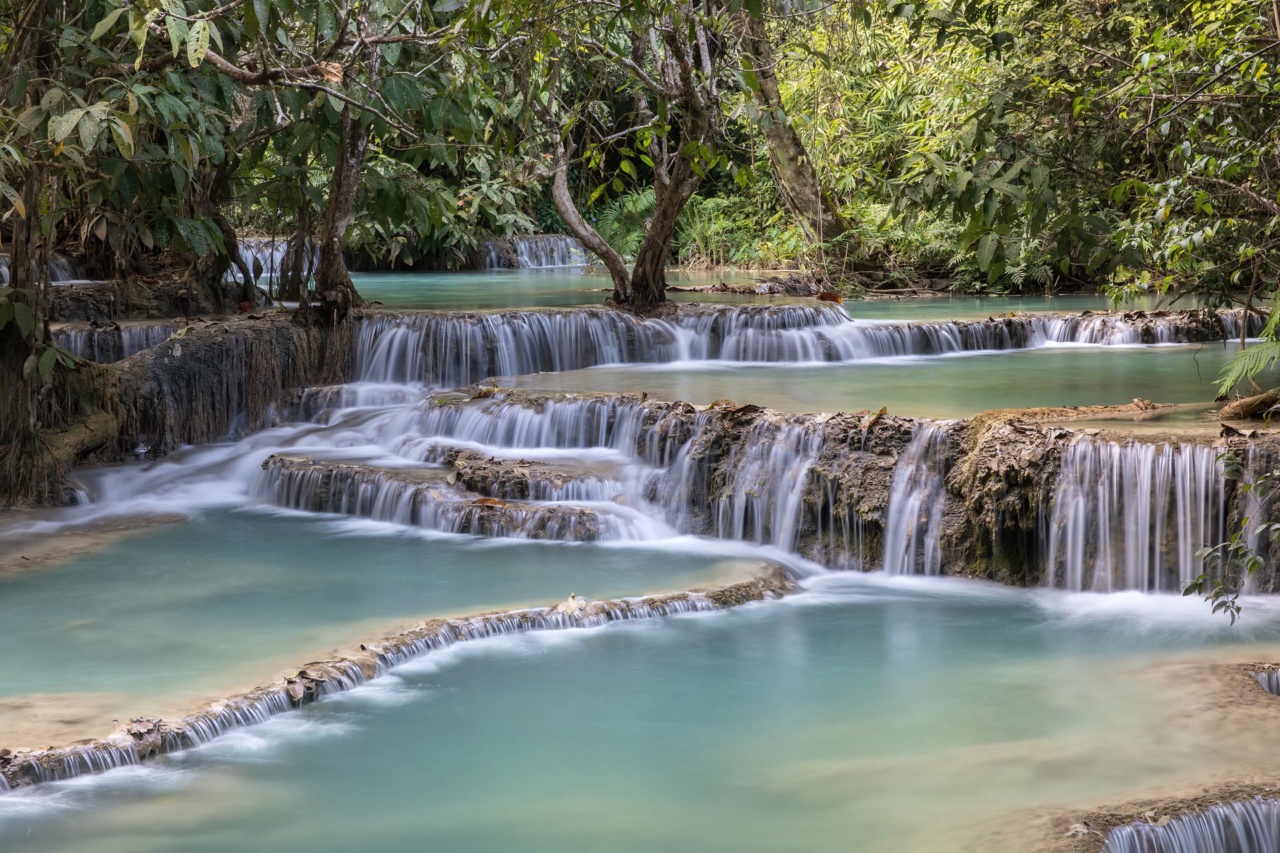
Tucked into the jungle at the base of one of Southeast Asia's most photographed waterfalls, the Tat Kuang Si Bear Rescue Centre is an unexpected highlight of any visit to Luang Prabang. Most visitors come for the turquoise pools and cascading falls, but the bear sanctuary near the entrance tells a story that is equal parts heartbreaking and hopeful - one about the illegal wildlife trade, the cruelty of bear bile farming, and what happens when a small organization decides to fight back.

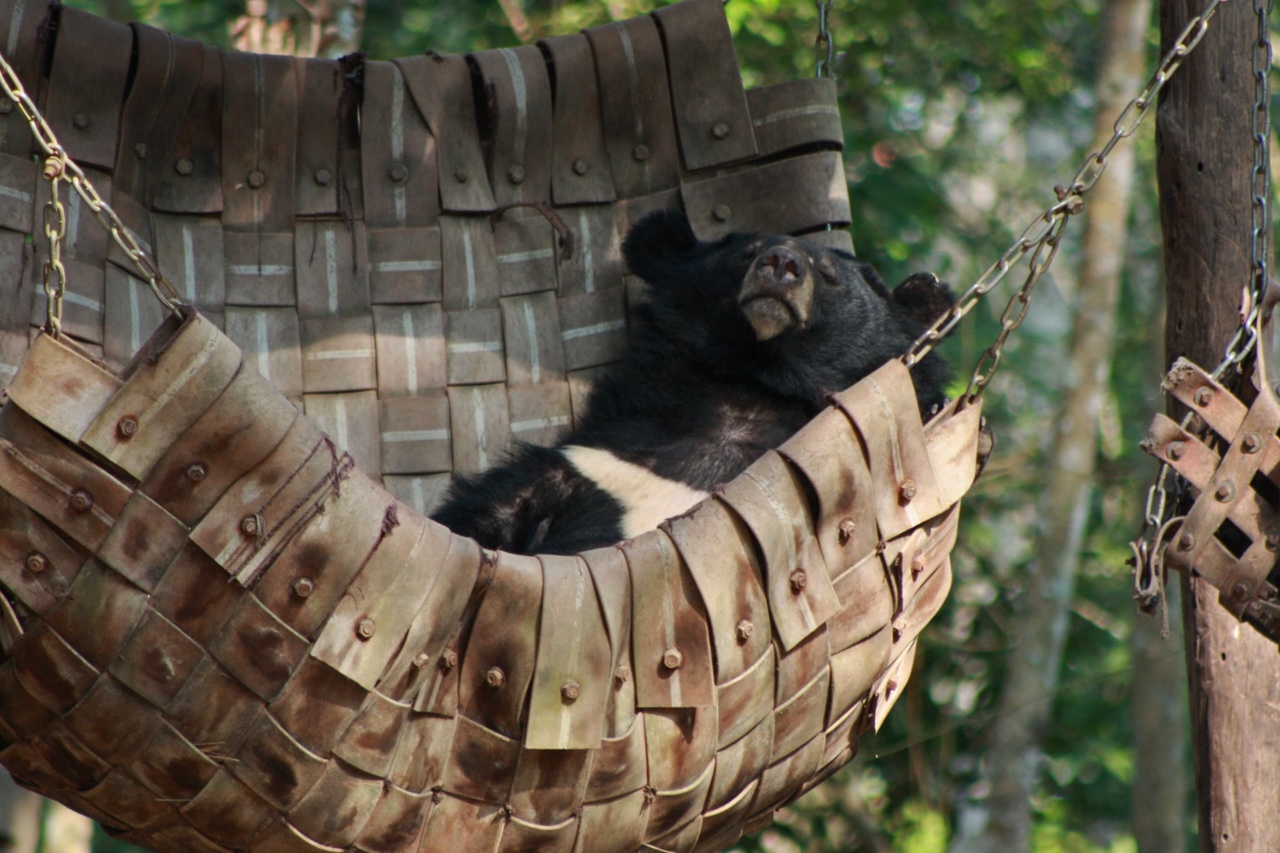
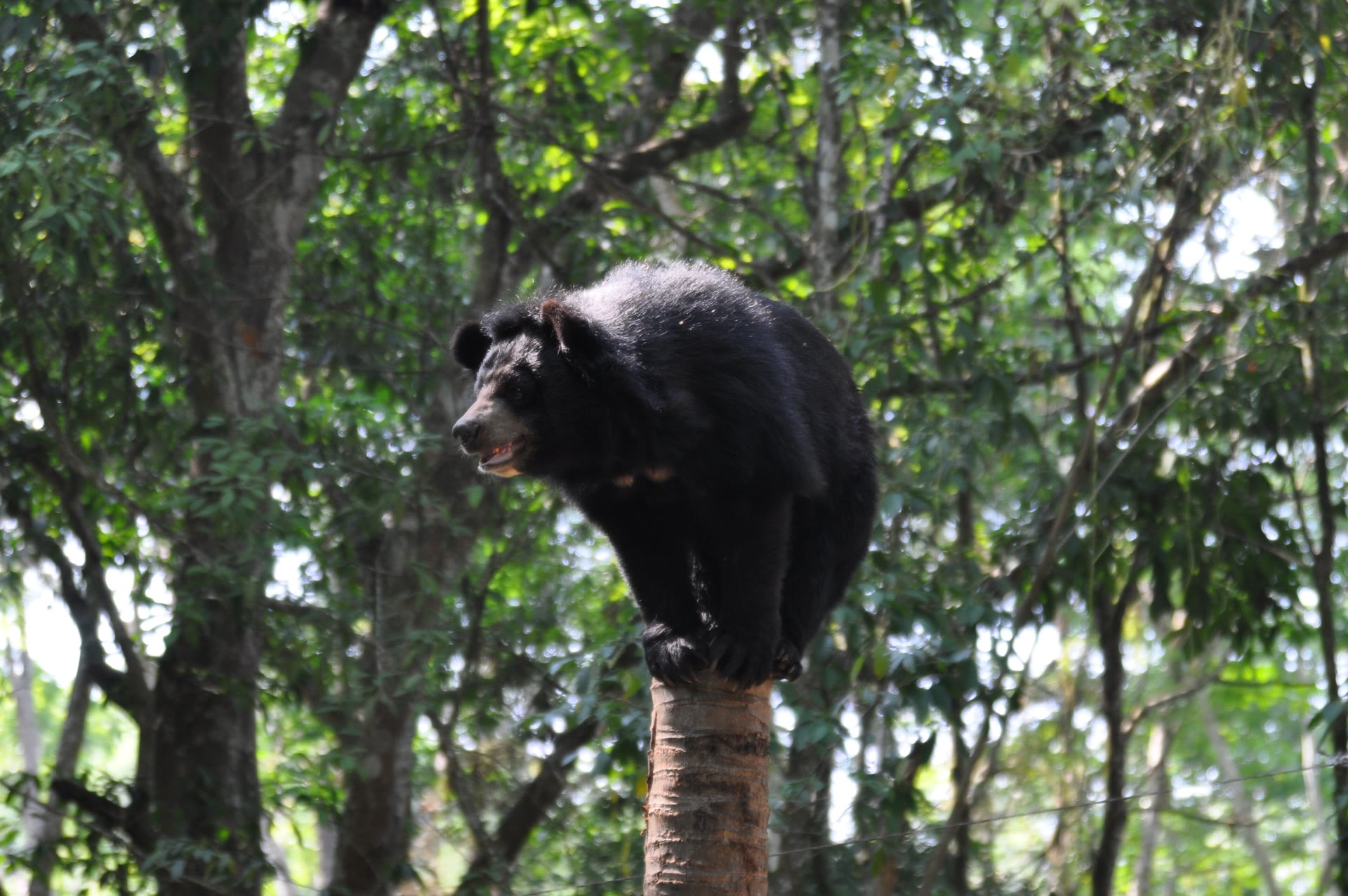
Run by the Australian nonprofit Free the Bears, the centre has been rescuing Asiatic black bears (also called moon bears for the crescent-shaped chest marking) since 2003. The bears here were confiscated from bile farms, traffickers, and illegal pet owners. They now live in forested enclosures with climbing structures, pools, and enrichment activities, a world away from the tiny cages most of them spent years confined in.

Why the Bear Rescue Centre Exists

Bear bile has been used in traditional medicine across Asia for centuries. The bile extracted from a bear's gallbladder contains ursodeoxycholic acid, a substance believed to treat liver and gallbladder conditions. While synthetic alternatives have existed for decades, demand for "real" bear bile persists, particularly in China, Vietnam, and Laos.

The reality of bile farming is grim. Bears are kept in small metal cages, often from a young age, and subjected to repeated extraction procedures. Many develop physical deformities from years of confinement, along with severe psychological trauma. When authorities intercept these bears through raids or border seizures, the animals need somewhere to go. That is where the Tat Kuang Si centre comes in.

The centre works in partnership with the Luang Prabang Provincial Agriculture and Forestry Office. When bears are confiscated in the region, they are brought here for rehabilitation. Because most have spent years in captivity, release into the wild is rarely possible. Instead, the centre provides lifetime care in conditions that allow the bears to express natural behaviors like climbing, foraging, and socializing.

Things to Do

What You Will See

The sanctuary sits just inside the entrance to the Kuang Si Waterfall Park, before you reach the main pools. A clearly marked path leads through the forested enclosures where the bears live. Information boards along the route explain each bear's story - how they were rescued, what condition they arrived in, and how they have recovered.

The Enclosures

The bears live in large, semi-natural enclosures shaded by mature trees. Each enclosure includes climbing platforms, rope swings, hammocks, and small pools. The design encourages the bears to forage, explore, and interact with enrichment items placed by caretakers. You will often see bears lounging on platforms, play-wrestling, or investigating puzzle feeders filled with fruit and honey.

Direct contact with the bears is not permitted. These are rescued wild animals, and the centre prioritizes their wellbeing over tourist interaction. Viewing is from a respectful distance along the path, which is close enough to observe behavior and take photographs without disturbing the animals.

Information and Education

The centre includes educational displays about the bear bile trade, the biology of Asiatic black bears, and Free the Bears' work across Southeast Asia. The organization also operates sanctuaries in Cambodia and Vietnam. A small gift shop near the entrance sells t-shirts, postcards, and other items, with proceeds supporting the bears' care.

Bear Care Tour

For visitors who want a deeper experience, Free the Bears offers guided Bear Care Tours. These two-hour sessions provide behind-the-scenes access to the sanctuary and a chance to prepare enrichment food for the bears.

DetailInformation
Duration2 hours
Sessions10:00-12:00 or 13:00-15:00
Minimum donation$50 per adult
Children 4-1550% discount
Children 0-3Free
Advance bookingAt least 24 hours required

The tour includes an introduction to Free the Bears' mission, a guided walk through the sanctuary with detailed stories about individual bears, and a hands-on session preparing enrichment feeds. You then watch the bears interact with the food you prepared. The donation goes directly to the bears' ongoing care and medical treatment.

Book through the Free the Bears website or through tour operators in Luang Prabang. Spaces are limited to keep the experience intimate and minimize disturbance to the animals.

Combining with Kuang Si Falls

The bear rescue centre and Kuang Si Falls share a single entrance ticket, making them a natural combination. A single entrance fee of 60,000 LAK (roughly $3) covers both the waterfall park and the bear sanctuary.

Suggested Itinerary

  1. Arrive early, ideally by 9:00, to avoid tour group crowds
  2. Visit the bear rescue centre first while it is cool and the bears are most active
  3. Walk up through the series of turquoise pools to the main waterfall
  4. Climb to the top of the falls via the trail on the left side for a different perspective
  5. Swim in the designated pools during the warmer midday hours
  6. Return to the entrance area for lunch at one of the small restaurants

The entire visit takes three to four hours if you explore both the sanctuary and the falls thoroughly. The waterfall area includes changing facilities near the swimming pools.

Getting There from Luang Prabang

Kuang Si Falls is located about 30 kilometers south of Luang Prabang. Several transport options are available:

TransportCost (approx.)DurationNotes
Shared minivan50,000-60,000 LAK45 minutesDeparts from tour offices, usually 2-3 fixed departure times
Private tuk-tuk200,000-250,000 LAK45-60 minutesPrice for entire vehicle, can split with other travelers
Motorbike rental80,000-120,000 LAK/day40 minutesScenic ride but road can be dusty
Organized tour120,000-200,000 LAKHalf dayIncludes transport, sometimes lunch, and guide

Most shared minivans depart around 11:00 and return around 15:00-16:00, which works well for a half-day visit. If you want more flexibility, a private tuk-tuk lets you set your own schedule. The road is paved but winding, passing through villages and rice paddies.

Practical Tips

  • Visit in the morning. The bears are most active in cooler temperatures, and the sanctuary is less crowded before the tour buses arrive around 11:00. Morning light is also better for photography.
  • Wear closed shoes. The paths through the sanctuary and up to the falls can be uneven and slippery. Flip-flops are fine for the swimming pools but not ideal for the full walk.
  • Bring swimwear. The turquoise pools below the main waterfall are open for swimming. Changing facilities are available on site.
  • Do not feed the bears. Feeding is strictly prohibited except through the official Bear Care Tour. The bears' diets are carefully managed by the care team.
  • Support the centre. Beyond the Bear Care Tour, you can donate directly, adopt a bear through the Free the Bears website, or simply buy something from the gift shop. Every contribution helps cover veterinary care and food costs.
  • Bring insect repellent and sunscreen. The forested setting means mosquitoes, especially in the shaded sanctuary area. The walk to the upper falls is partly exposed to sun.
  • Pack snacks and water. There are small restaurants at the entrance, but options are limited and slightly overpriced. Bringing your own supplies gives you more flexibility.

The Tat Kuang Si Bear Rescue Centre is one of those rare tourist attractions where your visit directly contributes to animal welfare. For more on Luang Prabang's attractions and how to plan your time in northern Laos, check out GoAsia.cc.

Frequently Asked Questions

What is the Tat Kuang Si Bear Rescue Centre?

It is a sanctuary for rescued Asiatic black bears (moon bears) located at the entrance to Kuang Si Falls, about 30 kilometers south of Luang Prabang. Run by the nonprofit Free the Bears since 2003, it houses bears confiscated from bile farms, traffickers, and the illegal pet trade, providing them with lifetime care in forested enclosures.

How much does it cost to visit the bear rescue centre?

The standard entrance fee of 60,000 LAK (roughly $3) covers both the bear sanctuary and Kuang Si Falls. There is no separate admission charge. For a deeper experience, the guided Bear Care Tour requires a minimum donation of $50 per adult, with 50% discount for children aged 4-15.

How do I get to the bear rescue centre from Luang Prabang?

The centre is at Kuang Si Falls, 30 kilometers south of Luang Prabang. Shared minivans cost 50,000-60,000 LAK and take about 45 minutes. Private tuk-tuks run 200,000-250,000 LAK for the vehicle. You can also rent a motorbike or join an organized half-day tour.

Can I touch or interact with the bears?

No, direct contact with the bears is not permitted under any circumstances. These are rescued wild animals and the centre prioritizes their wellbeing. You observe from a respectful distance along viewing paths. The Bear Care Tour lets you prepare enrichment food but still without direct contact.

What is the Bear Care Tour and how do I book it?

The Bear Care Tour is a two-hour guided experience running from 10:00-12:00 or 13:00-15:00. You learn about the bears' stories, prepare enrichment food, and watch the bears interact with it. Book at least 24 hours in advance through the Free the Bears website or Luang Prabang tour operators.

Why are these bears in a rescue centre instead of the wild?

Most bears at the centre were confiscated from bile farms or illegal wildlife traders where they spent years in small cages. This prolonged captivity causes physical deformities and psychological trauma that makes release into the wild unsafe. The sanctuary provides the closest thing to a natural life with climbing structures, foraging opportunities, and social interaction.

What is the best time of day to visit?

Early morning, arriving around 9:00, is ideal. The bears are most active in cooler temperatures, crowds are smaller before tour buses arrive around 11:00, and the light is better for photos. Visit the sanctuary first, then explore the waterfall pools as temperatures rise through midday.

How can I support the bear rescue centre beyond visiting?

You can donate directly through the Free the Bears website, symbolically adopt a bear for ongoing contributions, or purchase items from the on-site gift shop. All proceeds go toward veterinary care, food, enclosure maintenance, and rescue operations for new bears.