Zhangjiajie National Forest Park: Climbing China's Floating Mountains

Zhangjiajie National Forest Park: Climbing China's Floating Mountains

Last updated: June 9, 2026

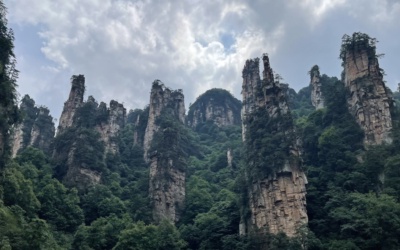
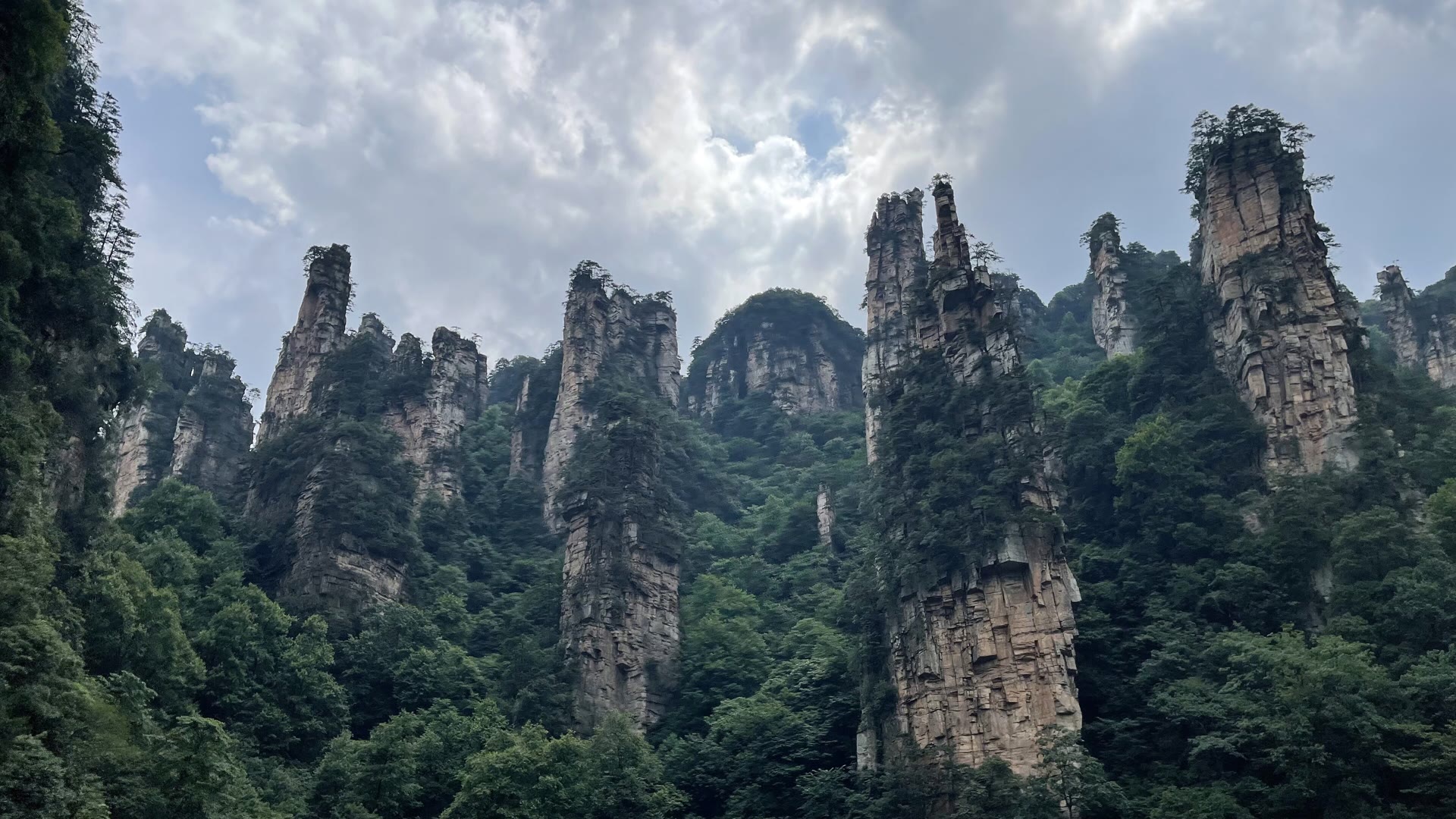
The first time you stand at the edge of Yuanjiajie and watch hundreds of quartz sandstone pillars rise out of the mist, the scale is hard to process. These columns climb hundreds of meters straight up, capped with twisted pines, separated by valleys so deep the bottoms vanish into haze. This is the landscape that helped make Zhangjiajie a global name, and it remains one of the most extraordinary natural sites in China.

Zhangjiajie National Forest Park sits inside the larger Wulingyuan Scenic Area in northwestern Hunan province, a region recognized by UNESCO for its forest of stone peaks. For independent travelers it is also a genuinely demanding place to visit: the park is enormous, the internal logistics are confusing on a first attempt, and the weather can hide the very views you came for. With a little planning, none of that needs to ruin your trip.

This guide explains how the park is laid out, what the headline viewpoints actually offer, how the shuttle and elevator system works, how many days you realistically need, and the mistakes that catch visitors out. Treat any prices, opening times, and ticket rules below as things to confirm locally before you go.

What Zhangjiajie Actually Is

It helps to separate three names that travelers often blur together. Zhangjiajie city is the transport hub where you arrive by plane or train. Wulingyuan is the larger protected scenic area and also the name of the small town at the park's eastern gateway. Zhangjiajie National Forest Park is the core attraction inside Wulingyuan, with the most famous viewpoints.

The park is defined by thousands of pillar-like sandstone peaks, formed over millions of years as water eroded a thick quartz sandstone plateau into vertical columns. The result is a vertical forest of stone, draped in subtropical greenery, threaded by streams and walking paths. The mix of dramatic geology and dense vegetation is what earned the wider area its UNESCO World Heritage status.

Most international visitors come for the high viewpoints rather than for hardcore hiking. You can absolutely walk for hours here, but the park is engineered for sightseeing, with cable cars, an outdoor elevator, paved trails, and a constant flow of shuttle buses moving people between scenic clusters.

Things to Do

The Main Areas and Viewpoints

The park is large, so it makes sense to think in terms of named scenic zones rather than individual lookouts.

Yuanjiajie

Yuanjiajie is the signature plateau and the area most people prioritize. Its viewpoints look out over a sea of pillars, including the slender peak widely promoted as the inspiration for the floating mountains in popular fantasy films. The walking here is mostly flat once you are on top, with a loop of paved paths linking several overlooks. If you only have limited time, this is the one zone not to skip.

Tianzi Mountain

Tianzi Mountain sits in the northern part of the park and offers some of the broadest panoramas, especially when low cloud sits between the peaks and creates the classic floating effect. The viewpoints here feel more open and expansive than Yuanjiajie's framed compositions. A cable car serves Tianzi Mountain, making it easy to combine with Yuanjiajie in a single day on the upper plateau.

The Golden Whip Stream

Down at valley level, the Golden Whip Stream is a gentle, mostly flat walking trail that follows a clear stream between towering rock walls. It is a complete contrast to the high viewpoints: instead of looking down on the pillars, you walk among their bases, looking up. The path is shaded and pleasant, with a good chance of seeing wild macaques. Many people walk it one way and ride transport for the return.

Other zones

Additional areas such as Yangjiajie offer quieter trails and viewpoints for travelers with more days. Yangjiajie has its own cable car and tends to draw fewer tour groups, which can be a relief at peak times.

Getting Up and Around: Elevator, Cable Cars, and Shuttles

The internal transport system is the part that confuses first-time visitors most. Understanding it before you arrive saves a lot of stress.

The Bailong Elevator

The Bailong Elevator is a glass lift bolted to the side of a sheer cliff, carrying passengers vertically hundreds of meters in a couple of minutes. It connects the valley floor near the Golden Whip Stream area to the top of the Yuanjiajie plateau. It is both a practical shortcut and an attraction in its own right, with glass walls revealing the drop as you rise. Expect queues at busy times, and note that the elevator usually carries a separate fee on top of your park ticket.

Cable cars

Cable cars serve Tianzi Mountain, Yangjiajie, and the nearby Tianmen Mountain (which is a separate attraction outside this park, not to be confused with the forest park). Within the forest park, the Tianzi Mountain cable car is the most useful for combining upper-plateau viewpoints. Cable cars also typically cost extra beyond the main entry ticket.

Shuttle buses

Free green shuttle buses run between the scenic clusters along the high plateau and to the various gates. Once you are inside the park, these buses are your main way to cover distance between Yuanjiajie, Tianzi Mountain, and other zones. They are included with your ticket. The catch is that the park is genuinely big, the bus routes take time, and signage in English is limited. Photograph the route maps at bus stops and be prepared to ask staff which bus goes where.

Tickets and Validity

The main park entry ticket covers admission and the internal shuttle buses, and it is typically valid for several consecutive days, which strongly rewards a multi-day visit. This validity is one of the most important planning facts: a single ticket can usually be reused across the days it covers, so spreading the park over two or three days does not mean buying entry again each morning.

The elevator and cable cars are generally priced separately and paid as you use them. Because rules and prices change, confirm the current entry price, the exact number of days the ticket is valid, whether your fingerprint or face is registered at entry, and which transport elements are included before you commit to a schedule. Bring your passport, as identity registration at the gate is common in Chinese scenic areas.

ElementTypical roleHow to confirm
Main park ticketEntry plus internal shuttle buses, valid multiple daysCheck current validity period at the gate
Bailong ElevatorVertical shortcut to Yuanjiajie, separate feeVerify price and queue times on arrival
Tianzi Mountain cable carAccess to northern viewpoints, separate feeConfirm operating status, weather can close it
Shuttle busesFree movement between zones inside the parkPhotograph route maps at stops

How Many Days You Need

A single rushed day is possible but not recommended. The park is too large and the transport too time-consuming to do justice to it in one visit, and you would be gambling everything on the weather cooperating on that one day.

Two days is the realistic minimum for a satisfying trip: one day for the upper plateau (Yuanjiajie plus Tianzi Mountain via cable car and elevator), and one day for valley walking along the Golden Whip Stream plus a quieter zone like Yangjiajie. Three days gives you breathing room, a buffer against fog, and time to slow down rather than chase buses.

Because the main ticket is valid for multiple consecutive days, multi-day visits are good value. Spreading the highlights across mornings, when light is often better and tour groups are still arriving, makes a noticeable difference to both photos and crowds.

Where to Base Yourself

You have three broad options, each with tradeoffs.

  • Wulingyuan town sits right at the park's eastern gate and is the most convenient base for early entry and a multi-day visit. It has plenty of accommodation and restaurants aimed at visitors.
  • Inside the park, small villages such as the area around Yuanjiajie offer simple guesthouses on the plateau. Staying up top lets you catch sunrise and sunset views without the daily commute, though comfort levels vary and you carry your luggage less easily.
  • Zhangjiajie city is better if you are also visiting Tianmen Mountain or relying on the train station and airport, but it is too far to make daily forest park trips efficient.

For most independent travelers focused on the forest park itself, Wulingyuan town is the practical default.

Getting to Zhangjiajie

Zhangjiajie is well connected within China by air and rail. The city has its own airport with domestic flights from major hubs, and high-speed and conventional trains link it to cities across the country. From the city, buses and taxis run to Wulingyuan town and the park gates; the transfer takes roughly an hour depending on traffic and your exact destination.

If you are arriving from elsewhere in Asia, you will generally route through a larger Chinese city first. For broader China and Asia trip planning, GoAsia.cc is a useful place to map out how Zhangjiajie fits with the rest of your route.

The Weather Problem Nobody Warns You About

This deserves its own section because it is the single biggest variable in a Zhangjiajie trip. The region is humid and prone to fog and low cloud, particularly in the cooler and wetter months. On a clear day the pillars stretch to the horizon. On a foggy day you may stand at a famous viewpoint and see almost nothing but white.

There is a frustrating irony here: a thin layer of mist drifting between the peaks creates the dreamlike floating effect that defines Zhangjiajie's reputation, while thick fog erases the view entirely. You cannot control which you get. The practical defenses are to allow more than one day, start early before cloud builds, and be flexible about which zone you visit on which morning. If one plateau is socked in, valley walks like the Golden Whip Stream are far less weather-dependent and make a good backup.

Best Time to Visit

Spring and autumn are generally the most comfortable seasons, with milder temperatures and a reasonable balance of clear and atmospheric days. Autumn in particular tends to be drier, which improves your odds of clear viewpoints. Summer is lush and green but hot, humid, busy, and more prone to rain. Winter is cold and quieter, and occasional snow on the pillars is striking, though some facilities may operate on reduced schedules and high paths can be slippery.

Whenever you visit, avoid Chinese public holiday periods if you possibly can. During major national holidays the park fills with domestic tourists, queues for the elevator and cable cars stretch dramatically, and the experience changes from awe-inspiring to crowd management.

What the Visit Is Really Like

It is worth setting expectations honestly. Zhangjiajie is spectacular, but it is not a wilderness experience. The famous areas are heavily developed, with paved paths, railings, vendors, and large numbers of other visitors. Lines form at the elevator and cable cars. Loudspeakers and tour groups are part of the soundscape at peak viewpoints.

The flip side is that the development makes the scenery extraordinarily accessible. You do not need to be a serious hiker to reach world-class viewpoints, and elderly travelers and families can experience the highlights thanks to the lifts and shuttles. If you want solitude, the quieter zones and early mornings deliver it; if you arrive mid-morning at the most famous lookouts in peak season, you will be sharing them.

Practical Tips for Visiting Zhangjiajie

  • Start early. Catch the first shuttles and lifts. Light is better, crowds are thinner, and you beat the worst of the cloud build-up on many days.
  • Carry your passport. Identity registration at the gate is standard, and you may need it for ticketing and accommodation.
  • Photograph the maps. Bus routes, lift locations, and zone connections are easy to lose track of. Snap the signboards as you go.
  • Wear proper footwear. Even on paved paths there are stairs, slopes, and slippery sections in damp weather.
  • Bring layers and rain protection. The plateau is cooler and windier than the valley, and weather shifts fast.
  • Budget for the extras. The elevator and cable cars are separate from the main ticket, so account for them in your planning.
  • Keep your ticket safe. With multi-day validity, you may need it to re-enter on subsequent days.
  • Use a mobile payment or carry some cash. Many vendors expect local mobile payment apps, so set one up in advance or keep cash for snacks and water.
  • Mind the macaques. Wild monkeys near the trails can be bold around food. Keep snacks zipped away and do not feed them.
  • Have a fog plan. If the high viewpoints are clouded out, switch to the Golden Whip Stream or another valley walk rather than waiting in vain.

Combining Zhangjiajie With Nearby Sights

Many travelers pair the forest park with two other attractions in the area. Tianmen Mountain, near Zhangjiajie city, is a separate ticketed attraction famous for its long cable car, a natural rock arch, and cliff-edge glass walkways; it is reached from the city rather than from inside the forest park. The Zhangjiajie Grand Canyon, with its high glass-bottomed bridge, is another popular add-on located outside the forest park. If you want to see all three, plan at least three to four days in the region in total and base your nights according to which attraction you are tackling next.

Whatever combination you choose, build in slack. Between large distances, transport queues, and unpredictable weather, the travelers who enjoy Zhangjiajie most are the ones who give it enough time to reveal its best face.

Frequently Asked Questions

How many days do I need at Zhangjiajie National Forest Park?

Two days is the realistic minimum: one for the upper plateau viewpoints like Yuanjiajie and Tianzi Mountain, and one for valley walks such as the Golden Whip Stream. Three days adds a weather buffer, since fog can hide the views on any given day. The main ticket is usually valid for multiple consecutive days, so a multi-day visit is good value.

What do tickets cost and what do they include?

The main park ticket covers entry and the free internal shuttle buses, and it is typically valid for several consecutive days. The Bailong Elevator and the cable cars are charged separately and paid as you use them. Confirm the current price, exact validity period, and which transport is included at the gate before planning, as rules change.

How do I get to Zhangjiajie National Forest Park?

Reach Zhangjiajie city by domestic flight or train, then transfer by bus or taxi to Wulingyuan town and the park gates, which takes roughly an hour. International visitors usually connect through a larger Chinese city first. Wulingyuan town is the most convenient base for accessing the park early each day.

Will fog ruin my view at Zhangjiajie?

It can. The region is humid and prone to low cloud, and thick fog can erase the famous pillar views entirely, while a thin mist creates the floating effect people come for. Defend against it by allowing more than one day, starting early, and keeping weather-resistant options like valley walks as a backup.

When is the best time to visit?

Spring and autumn are generally the most comfortable, with autumn often the driest and best for clear views. Summer is green but hot, humid, and crowded, while winter is cold and quieter with occasional snow. Avoid major Chinese public holidays, when queues for the lifts and cable cars become extreme.

Is the park suitable for travelers who are not keen hikers?

Yes. The most famous viewpoints are reached using the Bailong Elevator, cable cars, and free shuttle buses, with mostly paved paths on top. You can experience the headline scenery without serious hiking, which makes it accessible for families and older travelers, though there are still stairs and slopes.

Is Tianmen Mountain part of the forest park?

No. Tianmen Mountain is a separate attraction near Zhangjiajie city, with its own ticket, cable car, rock arch, and glass walkways. It is reached from the city rather than from inside the forest park. Travelers often combine both, plus the Zhangjiajie Grand Canyon, over three to four days in the region.