
Contents
- 1. Getting Around Harbin by Metro
- 2. Getting Around Harbin by Taxi
- 3. Getting Around Harbin by Didi (Ride-Hailing)
- 4. Getting Around Harbin by Bus
- 5. Getting Around Harbin on Foot
- 6. Getting Around Harbin by Sightseeing Boat and Cable Car
- 7. Comparing Your Options
- 8. Practical Tips for Getting Around Harbin
- 9. Popular Routes and Destinations
- 10. Frequently Asked Questions
- 11. Sources and background
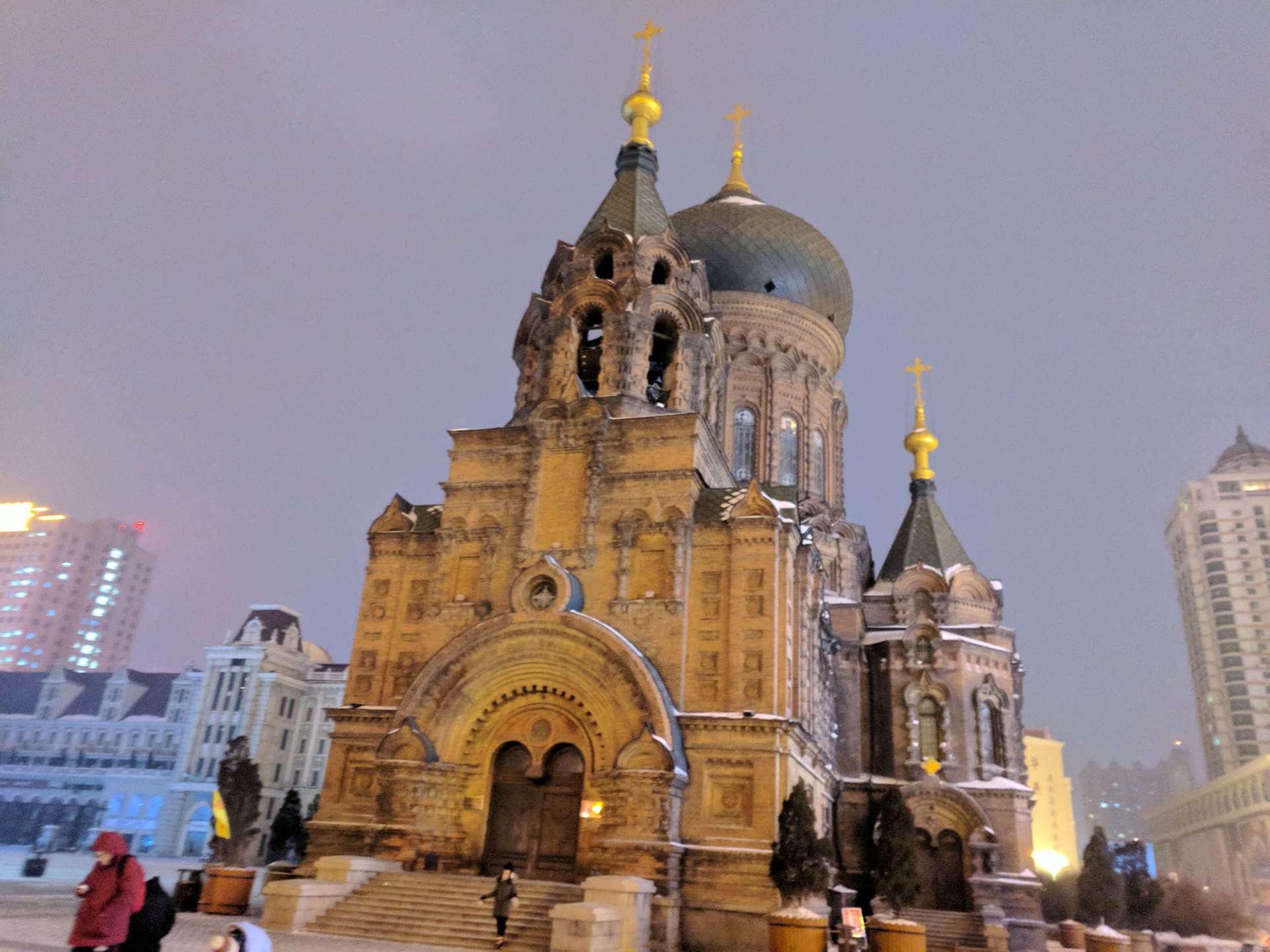
Harbin wears its history on every street corner. The cobblestones of Central Avenue echo with a Russian past, the green-domed Orthodox church stands sentinel over a sea of Chinese commerce, and in winter the entire city transforms into a frozen wonderland where the air bites at any exposed skin. Moving around here means contending with broad, sprawling boulevards laid out in a grid that feels distinctly European, then plunging into dense neighborhoods where the streets narrow and tangle.
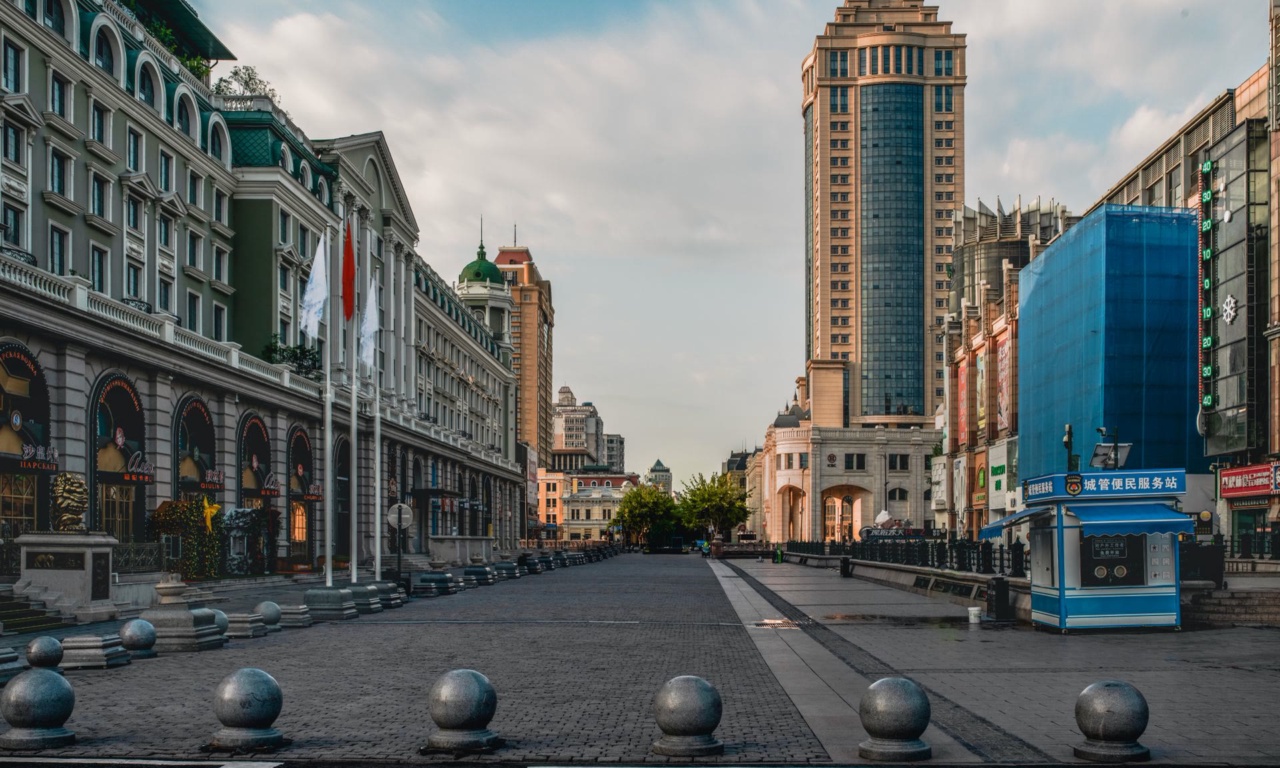
The good news is that Harbin has modern infrastructure. A metro system runs beneath the city, taxis are plentiful, and the ride-hailing app Didi works once you have it set up. The challenge for most foreign visitors is the language: English is rare outside major hotels, signage on buses is almost entirely in Chinese, and few drivers will understand a word you say. With a little preparation, though, getting from one end of this Manchurian capital to the other is straightforward.
One thing to plan around is the weather. Winters in Harbin are long and severe, with temperatures far below freezing. That single fact reshapes how you travel: walking long distances becomes a test of endurance, and the heated comfort of a taxi or metro car is worth every yuan. Whatever the season, this guide walks through every realistic way to move around the city.
Getting Around Harbin by Metro
The Harbin Metro is the cleanest and most stress-free way to cross the city. It has three lines (1, 2 and 3). Line 2 runs directly to the Ice and Snow World, and you can reach it from Harbin East Station by taking Line 1 to Museum station and changing to Line 2, or from Harbin West Station by taking Line 3 to Zhujiang Road station and changing to Line 2. From Harbin Railway Station, Central Avenue and Harbin North Station you can ride Line 2 without changing.[1]
Stations are modern, well-lit and heated, making the metro a lifeline in the depths of winter when you want to avoid the cold between sights. First and last train times are set by the operator and can change with the season, so check the times posted in the station before you plan a late return. Fares are distance-based, and you can pay with a token, a transit card or a mobile payment app. Station names appear in both Chinese and pinyin on platform signage and inside the trains, so it is easy to follow your progress. Security screening of bags is standard at every entrance, so factor in a minute or two during busy periods.
Getting Around Harbin by Taxi
Taxis are the workhorse of Harbin transport. Since 1 January 2025 the metered fare is 8 yuan for the first 3 kilometers and 1.90 yuan per kilometer after that; a 1 yuan fuel surcharge is included in the meter display, and battery-electric taxis do not charge it.[2] Between 22:30 and 06:00 a 20 percent surcharge applies to the part of a single trip beyond the base distance, and waiting or slow traffic is charged by time once speed drops below 12 km/h, after the first 5 minutes.[2]
Insist on the meter, especially near tourist hotspots, the railway stations and Central Avenue, and simply wait for the next cab if a driver wants to negotiate a flat fare. Be prepared for empty taxis to drive straight past during rush hour or snowfall, when demand far outstrips supply.
The biggest hurdle is communication. Carry the name and address of your destination written in Chinese characters, ideally with a map screenshot, since handing the driver a printed address or showing it on your phone solves the problem instantly. Hotel business cards are gold for getting back.
Getting Around Harbin by Didi (Ride-Hailing)
Didi is China's equivalent of Uber and works well in Harbin. It removes the language barrier: you set pickup and drop-off points on the map, the fare is shown before you ride, and payment goes through the app, so there is no haggling and no fumbling for cash. For foreign visitors, this is often the single most convenient way to get around.
To use Didi smoothly you will need the app set up with an international phone number and a linked payment method such as a foreign credit card or a local mobile wallet. The English-language interface is decent though not perfect. Prices can rise during surge periods, but the certainty and ease are well worth it.
During heavy snow or extreme cold, wait times can stretch and prices climb, so book a few minutes ahead. The app also lets you message the driver with pre-translated phrases, which helps when explaining exactly where you are standing at a busy curb.
Getting Around Harbin by Bus
Harbin has an extensive bus network with low fares. Buses reach corners of the city the metro does not yet serve and run frequently along the main arteries. For budget travelers willing to navigate a little, they are unbeatable value.
The catch is accessibility for non-Chinese speakers. Route information, stop names and onboard announcements are almost entirely in Chinese, with no English. Bring a transit card or a Chinese mobile payment app, as you may not be able to pay with cash. Mapping apps that show real-time bus routing make this far more usable, but unless you are comfortable reading some Chinese or following GPS closely, buses can be daunting on your first days.
If you do ride them, avoid the morning and evening rush, when buses pack to capacity and you will be standing shoulder to shoulder. Outside peak hours they are comfortable enough, and watching the city roll by from the window is a fine way to get your bearings.
Getting Around Harbin on Foot
The heart of historic Harbin is walkable and best explored on foot. Central Avenue, the famous pedestrianized cobblestone street, runs past restored European-style facades, cafes and shops towards the riverfront. From here you can stroll to the Saint Sophia Cathedral and the banks of the Songhua River without ever needing transport.
Beyond this central pocket, however, Harbin is a large city of long blocks and wide roads, and walking between neighborhoods quickly becomes impractical. In winter the cold is the real limiter: even a short walk demands serious layering, and exposed skin freezes fast. Pavements can be icy and uneven, so wear shoes with grip. In the warmer months, evening walks along the river are a local pleasure, with crowds gathering as the heat of the day fades.
Getting Around Harbin by Sightseeing Boat and Cable Car
In winter, even when the Songhua River freezes, do not treat the ice as a general walking or driving route. Use only clearly marked, officially operated ice activities, and otherwise cross by the bridge, cable car, or another approved transport option. Ice conditions and access can change.
Comparing Your Options
| Mode | Typical Cost | Duration | Best For |
|---|---|---|---|
| Metro | Distance-based fares | Fast, predictable | Crossing the city quickly and staying warm |
| Taxi | 8 yuan for the first 3 km, then 1.90 yuan per km[2] | Door to door | Direct trips and cold-weather comfort |
| Didi | Fare shown in the app before you ride | Door to door | Avoiding the language barrier |
| Bus | Low fares | Slow, frequent stops | Budget travel and reaching outer areas |
| Walking | Free | Short distances | Exploring Central Avenue and the riverfront |
Practical Tips for Getting Around Harbin
A little preparation transforms your experience of the city. The single most valuable step is sorting out your apps and payments before you arrive.
- Download Didi for ride-hailing and a Chinese-friendly maps app such as Amap or Baidu Maps, which handle local routing far better than Western alternatives.
- Set up a mobile payment method such as Alipay or WeChat Pay and link your international card before you arrive. Carry some cash as a backup.
- Keep a translation app handy and save your hotel name and key destinations in Chinese characters. Showing a driver the characters on your screen sidesteps almost every communication problem.
- Avoid the morning and evening rush hours, when buses overflow and taxis vanish.
- In winter, never underestimate the cold. Plan routes that minimize time outdoors, dress in serious layers, and treat the heated metro as your friend.
As for scams, the main thing to watch is the occasional taxi driver near the railway station or Central Avenue who refuses the meter or quotes an inflated flat rate to obvious tourists. Politely decline and find another car. Check the last metro train before a late night out, after which a Didi or taxi is your best bet for getting home.
Popular Routes and Destinations
For getting between the airport and the city, you can choose between an airport shuttle bus, a taxi or Didi. Taxis and Didi cost more but deliver you straight to your hotel door without lugging bags through the cold. Check the current options on arrival.
Within the center, most travelers gravitate toward Central Avenue, Saint Sophia Cathedral and the Songhua River, all of which sit close together and are easily linked on foot once you reach the area by metro or taxi. For the Ice and Snow World, take Metro Line 2: its Ice and Snow World station has an exit about 50 meters from the ticket hall.[1]
Frequently Asked Questions
Use this guide to compare local transport in Harbin. When bookable tickets are available, the booking tool shows current options and prices.
For most visitors, a combination of the metro and ride-hailing via Didi works best. The metro is heated and ideal for longer crossings, while Didi removes the language barrier for door-to-door trips. Taxis are an excellent backup.
Taxi fares are regulated: since 1 January 2025 a metered ride costs 8 yuan for the first 3 kilometers and 1.90 yuan per kilometer after that, with a night surcharge between 22:30 and 06:00. Metro fares depend on distance, and buses have low fares.
Public transport is generally safe to use. The main concern is the occasional taxi driver near tourist areas who refuses to use the meter, so insist on it or choose another car.
Yes, Didi is available in Harbin. Set it up with an international phone number and a linked payment method before you travel. It is often the easiest option for foreigners since it avoids any spoken communication with the driver.
It helps a great deal, as English is rare. Save your destinations in Chinese characters to show drivers, use a translation app, and rely on Didi and the metro, which both have some English support, to minimize spoken communication.
The central area around Central Avenue, Saint Sophia Cathedral and the riverfront is walkable and best explored on foot. Beyond that, the city is large with long blocks, and the extreme winter cold makes long walks impractical, so use the metro or taxis between districts.
Mobile payment through Alipay or WeChat Pay works for many services, and you can link a foreign card. Carry some cash as a backup, especially for taxis.
Sources and background
Numbers in the text such as [1] refer to these sources.
- [1] Heilongjiang Provincial Department of Culture and Tourism: Practical transport guide to Harbin Ice and Snow World. Retrieved October 15, 2026.
- [2] People's Government of Heilongjiang Province (Harbin Municipal Government release): Harbin taxi fare rules take effect on 1 January 2025. Retrieved October 15, 2026.
Guide prices and journey times are indicative, not live quotes. A booked package may include transfers and waiting time as well as the main journey. Check the selected offer, pickup point and current conditions before booking.