Harbin is a captivating fusion of Russian architectural elegance and Chinese spirit, famous for its world-class winter festival and sub-zero temperatures. It is the ultimate destination for travelers seeking monumental ice sculptures, Siberian tigers, and a unique history shaped by the Trans-Siberian Railway.
Harbin exists as a frozen frontier where Chinese tradition meets Russian imperial legacy. Known as the Ice City, it is defined by its brutal winters and the ethereal beauty of its seasonal architecture. Walking down Central Street, the smell of roasted red sausages and Russian bread mingles with the crisp, dry air of Heilongjiang province. This is a city built on the tracks of the Chinese Eastern Railway, a place where onion-domed churches stand alongside bustling Chinese markets.
For the traveler, Harbin offers a sensory experience unlike any other in East Asia. It is a city of extremes, where the Songhua River turns into a massive playground of ice and the nights are illuminated by neon-lit frozen palaces. While the winter is the primary draw, Harbin's summer offers a cool escape with lush parks and a lingering European charm that feels more like St. Petersburg than Northeast China.
Harbin is best suited for adventurous souls who do not mind the cold and history buffs interested in the complex geopolitical tug-of-war between China, Russia, and Japan. It is a place of resilience and surprising warmth, where locals huddle around boiling hot pots and frozen treats are sold on the street without the need for a freezer.
Orientation and Neighborhoods
Harbin is bisected by the Songhua River, with the historic core located on the southern bank and the newer, sprawling developments to the north. The city is relatively easy to navigate once you understand the primary hubs of activity.
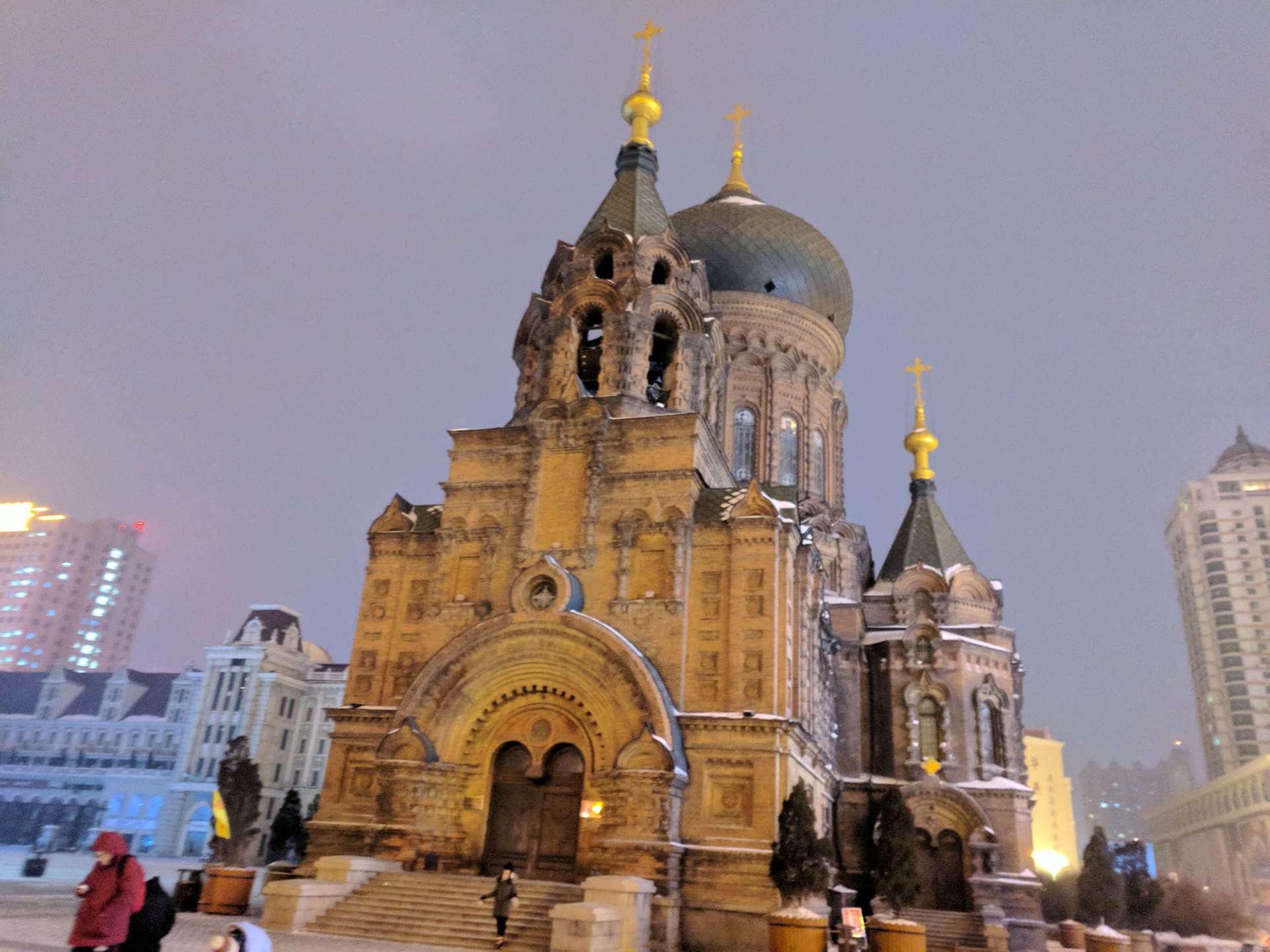
Daoli District: This is the cultural and commercial heart of Harbin. It contains Central Street (Zhongyang Dajie) and Saint Sophia Cathedral. This is the best area for first-time visitors to stay, offering the highest concentration of restaurants, shops, and historical sites.
Nangang District: The administrative and transport hub. It houses the Harbin Railway Station and major shopping malls. It is a bustling, modern area with a mix of high-end hotels and student-friendly eateries near the universities.
Daowai District: The old Chinese quarter. This area is famous for its Lao Daowai (Old Daowai) architecture, a style known as Chinese Baroque. It is the best place to find traditional Harbin snacks and see a grittier, more authentic side of the city's history.
Songbei District: Located north of the river, this is a rapidly developing area. It is home to the Ice and Snow World, the Siberian Tiger Park, and the Harbin Opera House. Stay here if you want quick access to the winter festival sites, though it is further from the historic center.
Things to Do
Offers are only loaded from GetYourGuide after you click. GetYourGuide can then process your IP address and set cookies. Privacy Policy
GetYourGuide partner offers. GoAsia may earn a commission if you book through these offers. Check whether tickets or transfers are included, and follow the attraction's official booking and admission rules.
Best Time to Visit
The timing of your visit to Harbin will fundamentally change your experience. While winter is the peak season, it requires significant physical preparation.
Season
Months
Weather
Crowds/Prices
Winter
December to February
Extremely cold
Peak crowds, highest prices
Spring
March to May
Windy, thawing, dusty
Low season, budget prices
Summer
June to August
Mild and pleasant
Moderate crowds, mid-range prices
Autumn
September to November
Crisp, clear, fast cooling
Low crowds, good value
The Harbin International Ice and Snow Sculpture Festival opens in winter, and the main attractions usually open in December and run into February; the dates are announced each year. This is when the city is at its most vibrant but also its most expensive. Summer is the secondary peak, popular with domestic tourists escaping the heat of southern China. The shoulder seasons of spring and autumn are often overlooked due to unpredictable winds and the lack of ice attractions.
Harbin Taiping International Airport (HRB) serves as the primary gateway, located southwest of the city center. Harbin is also a major rail hub; the fastest high-speed trains connect it to Beijing in about 4.5 hours (4 hours 33 minutes).[1] Taxis from the airport or station should use the meter: since 1 January 2025 cruising taxis charge 8 yuan for the first 3 km and 1.90 yuan per kilometer after that, with a 1 yuan fuel surcharge per trip (not for battery-electric cars) and 20 percent extra on the per-kilometer rate between 22:30 and 06:00.[2]
Within the city, the Harbin Metro is the most reliable way to avoid traffic, and Line 2 runs directly to the Ice and Snow World station.[3] For areas not served by the metro, the public bus system is extensive but can be difficult for non-Chinese speakers to navigate. Taxis and ride-hailing apps like Didi are plentiful. During the Ice Festival, traffic near the Songhua River bridges can be severe, so plan for extra travel time. Walking is pleasant in the Daoli district, but in winter, the icy sidewalks require shoes with excellent grip.
Top Sights and Experiences
Must-See Attractions
Harbin Ice and Snow World: The crown jewel of the winter festival. This massive park features full-scale buildings, towers, and slides made entirely of ice blocks harvested from the Songhua River. Tip: Arrive around 3:30 PM to see the ice in daylight, then watch the sunset and the neon lights turn on. Wear more layers than you think you need; standing still to take photos in -30C is brutal.
Saint Sophia Cathedral: A former Russian Orthodox church that serves as the most iconic symbol of Harbin's Russian heritage. While the interior is now a photo museum, the exterior architecture is stunning, especially when illuminated at night.
Central Street (Zhongyang Dajie): A long pedestrian cobblestone street lined with European-style buildings. It is the social heart of the city. Be sure to try a Madieer (Modern) ice cream bar here, a Harbin tradition regardless of the temperature.
Siberian Tiger Park: A breeding center for these endangered cats. Visitors ride in armored buses through large enclosures. Tip: Go early in the morning when the tigers are most active.
Lesser-Known Gems
Lao Daowai (Chinese Baroque): A neighborhood where 20th-century merchants built European-style facades with traditional Chinese courtyards behind them. It is far less polished than Central Street and offers a glimpse into old Harbin life.
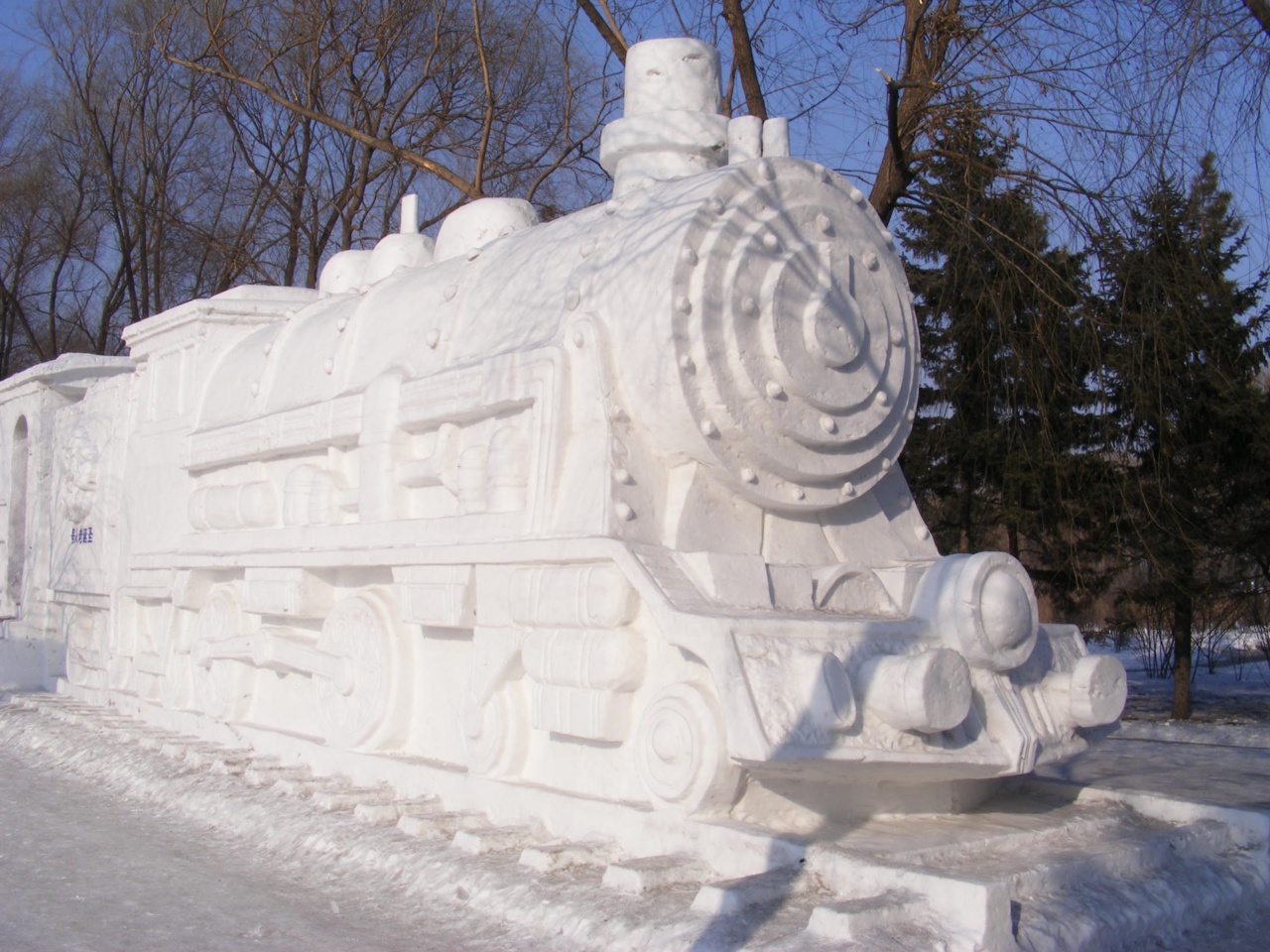
Sun Island Scenic Area: In winter, it hosts the Snow Sculpture Art Expo (massive, intricate carvings in white snow). In summer, it is a beautiful park for cycling and escaping the urban noise.
Unit 731 Museum: Located in the Pingfang suburb, this somber museum documents the biological warfare experiments conducted by the Japanese army during WWII. It is a harrowing but essential visit for history enthusiasts. Admission is free but needs a real-name reservation made 7 days ahead through the museum's official WeChat account or the "Chang You Ha'erbin" mini-program, and the museum is reached by Metro Line 1 to Xinjiang Street station (rules as announced for the 2025 to 2026 ice season, so check the current notice).[4]
Overrated Spots
Harbin Polarland: While popular with families, the enclosures are relatively small, and the experience can feel overly commercial compared to the unique outdoor ice attractions.
Stalin Park: In the summer, it is just a standard riverside park. In winter, the real action is on the frozen river itself, making the park's walkways less interesting by comparison.
Food and Drink
Harbin's cuisine, known as Lu Cai or Dongbei (Northeast) style, is hearty, salty, and designed to sustain people through long winters. Portions are famously large.
Don't miss the street food culture in Daowai. Look for roast lamb skewers (chuan'er) and baked cold noodles (kao leng mian). For drinks, Harbin Beer is the local brew; it is light, crisp, and best enjoyed with spicy BBQ. You can find detailed transport routes to these food districts on GoAsia.cc.
Where to Stay
Accommodation in Harbin is generally affordable, though prices rise sharply during the Ice Festival.
Budget: Look for guesthouses and hostels in the Daoli District near the river.
Mid-Range: International chains or local boutique hotels near Central Street offer comfort and warmth.
Upscale: For luxury, international five-star hotels offer views of the Songhua River.
Practical Tips
Extreme Cold Gear: This is not a typical winter. You need thermal base layers, a heavy down parka, windproof trousers, wool socks, and heat packs (available at every convenience store).
Electronics: Smartphone batteries die instantly in the cold. Keep your phone in an inner pocket near your body heat and carry a power bank.
Payment: Alipay and WeChat Pay are the primary methods of payment. While major hotels take international credit cards, most restaurants and shops do not. Carry some cash as a backup.
Language: English is not widely spoken outside of major hotels. Download a translation app that works offline.
Safety: Harbin is very safe for tourists. The biggest danger is slipping on ice. Walk like a penguin (lean slightly forward, flat-footed).
Day Trips
Volga Manor: A Russian-themed park and hotel complex outside the city. It features replicas of destroyed Russian buildings and offers cross-country skiing. Worth it for the photography.
Yabuli Ski Resort: One of China's best-known ski destinations, reached by train from Harbin. It is a serious mountain but can be extremely windy and icy. Best for experienced skiers.
China Snow Town (Zhongguo Xuexiang): Several hours away. While picturesque with its mushroom-shaped snow drifts, it is highly commercialized and can be very expensive. Only worth it if you have 5 or more days in the region.
Sample 3-Day Itinerary
Day 1: The Russian Heritage
Morning: Visit Saint Sophia Cathedral and the surrounding square. Walk down Central Street to see the architecture. Afternoon: Explore the Lao Daowai district for a traditional lunch and photography. Evening: Walk along the Songhua River flood control monument and try the famous Madieer ice cream bar in the cold.
Day 2: The Ice and Snow Experience
Morning: Take a taxi to the Siberian Tiger Park to see the cats in the snow. Afternoon: Head to Sun Island for the Snow Sculpture Art Expo. Evening: Cross over to the Ice and Snow World just before sunset and spend the night exploring the illuminated ice palaces.
Day 3: History and Culture
Morning: Visit the Unit 731 Museum for a sobering look at regional history. Afternoon: Return to the city for a massive Dongbei Iron Pot Stew lunch. Spend the afternoon souvenir shopping at the Qiulin Department Store for Russian chocolate and Harbin sausage. Evening: Catch a performance at the futuristic Harbin Opera House.
Frequently Asked Questions
Is Harbin worth visiting?
Yes, Harbin is absolutely worth visiting, especially in winter for the Ice and Snow Sculpture Festival. The city offers a unique blend of Russian and Chinese culture that you won't find anywhere else in China.
How many days do you need in Harbin?
Three days is the ideal amount of time to see the major sights, including the Ice and Snow World, Saint Sophia Cathedral, and the Siberian Tiger Park. If you plan to visit the Yabuli Ski Resort or China Snow Town, add at least two more days.
Is Harbin safe for tourists?
Harbin is exceptionally safe with very low crime rates against tourists. The primary safety concern is the extreme cold and slippery ice; travelers must wear appropriate winter gear and be cautious when walking on frozen sidewalks.
What is the best time to visit Harbin?
The best time is from late December to mid-February for the winter festival. If you prefer mild weather, visit in June or July when the city serves as a cool retreat from the summer heat.
How cold does it actually get in Harbin?
In January, temperatures regularly fall far below -20C (-4F), especially at night. The air is very dry, but the wind can make it feel significantly colder.
Can you drink tap water in Harbin?
No, you should not drink tap water in Harbin. Bottled water is cheap and widely available at every convenience store, and most hotels provide complimentary bottles daily.
Is English widely spoken in Harbin?
English is not widely spoken except in high-end hotels and by some staff at major tourist attractions. It is highly recommended to have a translation app and your hotel's address written in Chinese characters.
What should I avoid in Harbin?
Avoid taking unmetered 'black taxis' at the airport or train station; always use the official taxi queue or a ride-hailing app. Also, avoid visiting the Ice and Snow World without multiple layers of thermal clothing, as frostbite is a real risk.
Sources and background
Numbers in the text such as [1] refer to these sources.