Harbin Ice and Snow World: Inside China's Frozen City of Light

Harbin Ice and Snow World: Inside China's Frozen City of Light

Last updated: June 9, 2026

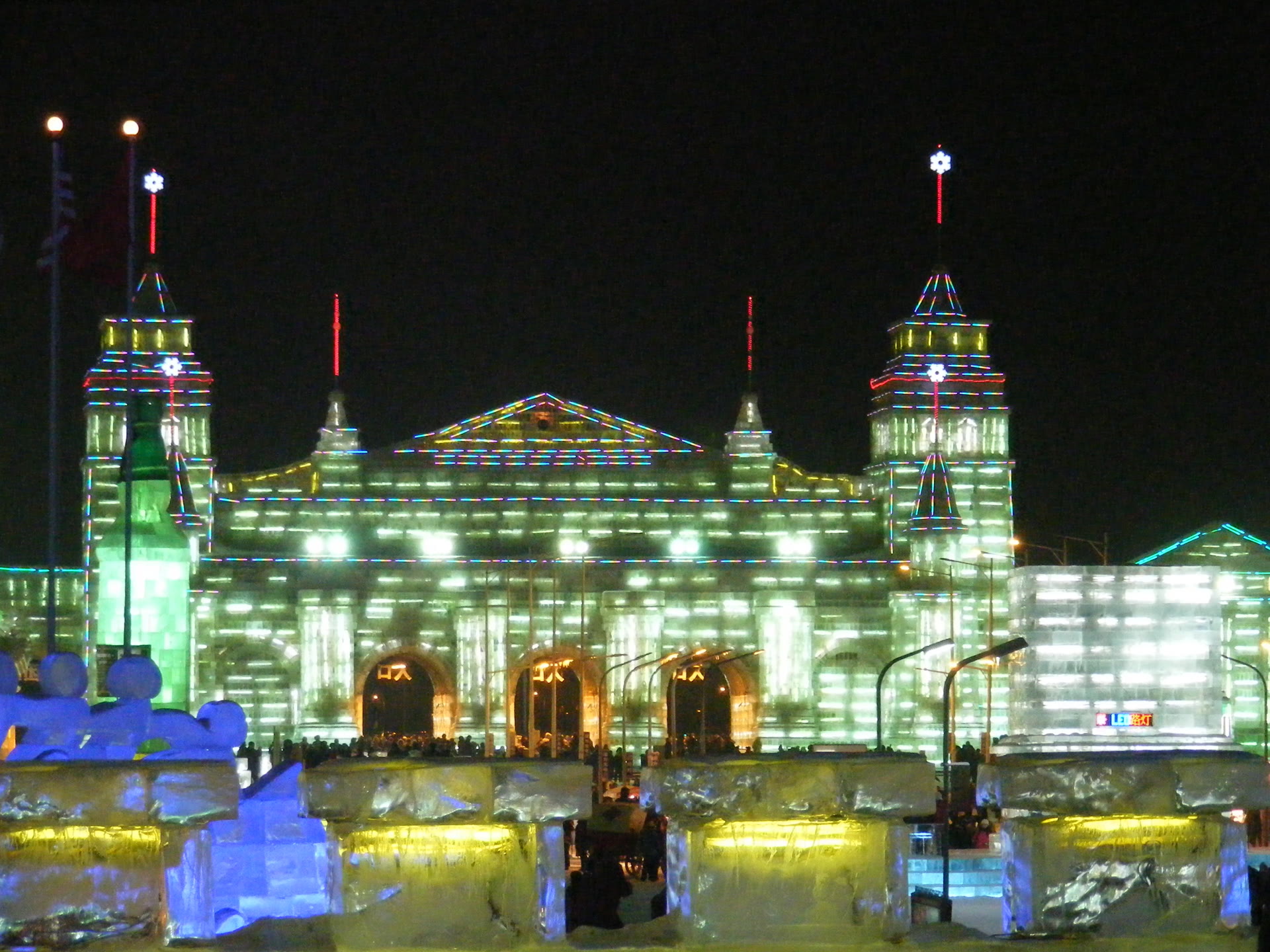
Every winter, on the frozen floodplains beside the Songhua River, workers carve enormous blocks of river ice into castles, pagodas, and towering walls, then thread them with colored LEDs. After dark, the whole site glows like a neon city built from glass. This is Harbin Ice and Snow World, the largest event of its kind on earth, and the reason travelers brave temperatures that routinely sit below minus 20 degrees Celsius to reach far northeastern China.

The park exists for only a few weeks each season. The ice is harvested when the river freezes solid, construction happens in deep cold, and the entire spectacle melts away once spring arrives. That short window, combined with Harbin's distance from China's main tourist circuit, makes a visit feel genuinely seasonal in a way few attractions do. You are not visiting a permanent monument. You are catching a city that is rebuilt and demolished within a single winter.

For independent travelers willing to dress for serious cold and time their evening right, the payoff is one of Asia's most photogenic experiences. This guide covers what the park is, when it opens, how to handle the temperatures, how tickets and timing work, and how to combine it with Harbin's other winter sights so you do not waste your limited daylight or your patience.

What Harbin Ice and Snow World Actually Is

Harbin Ice and Snow World is a large outdoor theme park made almost entirely of ice and packed snow. It is part of a broader winter tradition in Harbin that includes the Sun Island snow sculpture exhibition and the older ice lantern displays in Zhaolin Park, but Ice and Snow World is the flagship, the one with the scale that makes international headlines.

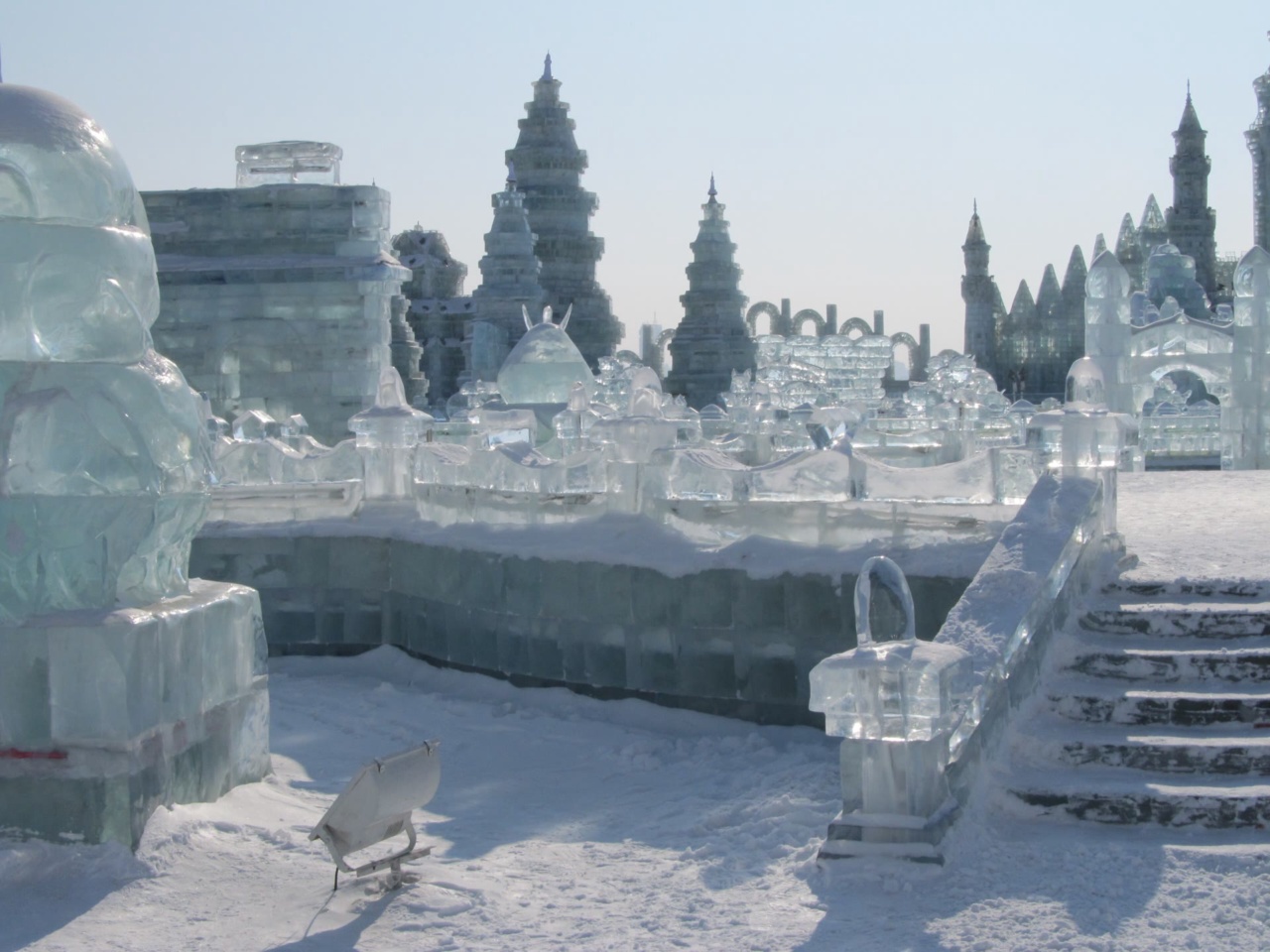
The ice comes from the Songhua River, cut into massive transparent blocks once the river freezes thick enough to harvest. Crews stack and sculpt these blocks into full-size buildings: replicas of pagodas, European cathedrals, fortress walls, and fantasy towers, some rising many stories high. The interiors and edges are embedded with colored lights, so the structures shift through blues, pinks, and greens after sunset. Snow sculptures, ice slides you can actually ride, skating areas, and themed performance zones fill out the rest of the grounds.

The site sits on the river's north side, in the Songbei district, away from Harbin's old city center. It is genuinely vast, and walking the full layout takes hours. Because the ice is real and the lights are real, the experience is best understood as a giant illuminated sculpture park rather than a ride-focused amusement park, although the long ice slides are a popular highlight.

Things to Do

Why It Is Worth the Trip

Plenty of cities build ice sculptures. Few build an entire temporary city of them at this scale, and almost none do it with Harbin's combination of history and craft. Harbin has a strong Russian and Northeast Chinese winter culture, and ice carving here is a refined local skill rather than a gimmick. The structures are large enough to walk through and climb, not just admire from a distance.

The other reason is atmosphere. The deep cold is part of the experience. Your breath freezes, the snow squeaks underfoot, and the contrast between the brutal temperature and the warm-colored lights is what makes the place memorable. It is sensory in a way photos only partly capture. That said, the cold is also the single biggest reason people cut their visit short, so respecting it is essential.

When to Go: The Season and the Hour

This is a winter-only attraction. The park typically opens in the heart of winter, often around late December once the ice is thick enough to harvest and build with, and runs into late February. Exact opening and closing dates shift each year depending on temperatures, so confirm the current season's schedule before you lock in flights. A warm spell can delay opening or shorten the run.

The single most important timing decision is when to enter. The ice architecture is impressive in daylight, but it is built for night. The colored lights only come alive after dark, and Harbin's winter sun sets early, often by mid to late afternoon. The classic strategy is to arrive in the late afternoon while there is still some light, watch the transition as the lights switch on at dusk, then explore the fully illuminated park into the evening.

The tradeoff is temperature. The coldest hours are after sunset, exactly when the park looks best. This is why your clothing strategy matters more than almost anything else. Plan to be outside in the worst cold of the day, by choice, for the best views.

How Tickets and Entry Work

Harbin Ice and Snow World charges a single admission ticket that covers entry to the grounds and most attractions inside, including the ice slides. Prices vary by season and sometimes by day, and there are usually reduced rates for children, students, and seniors, along with possible differences between daytime and evening entry in some years.

Because operational details change every season, treat the following as things to verify rather than fixed facts:

  • Current ticket prices and whether day and evening tickets are priced differently.
  • Whether tickets must be booked online in advance or can be bought at the gate.
  • The exact opening and closing dates for the current winter.
  • Daily opening hours and the latest entry time.
  • Whether your passport is required at entry, since some Chinese attractions tie tickets to ID.

Buy or reserve tickets before you arrive if possible. On peak nights around Chinese public holidays, gates and slides can get crowded, and standing in an outdoor queue in extreme cold is unpleasant. Having your entry sorted in advance reduces time spent waiting outside.

The Clothing Strategy That Actually Works

Most visitors underestimate Harbin's winter. Temperatures of minus 20 to minus 30 degrees Celsius are normal, and wind makes it feel worse. Standard ski wear from a milder climate is often not enough for standing still outdoors for hours after dark. Treat this as expedition-level cold, not a normal cold-weather day.

Layering from the inside out

  • Base layer: Thermal underwear, top and bottom. Merino wool or synthetic, not cotton. Cotton holds sweat and chills you fast.
  • Mid layer: Fleece or down on top, plus an insulating layer over thermal leggings.
  • Outer layer: A windproof, insulated down jacket and insulated or windproof trousers. Wind protection matters as much as warmth.

The parts people forget

  • Feet: Thick wool socks and proper insulated, waterproof boots with grippy soles. Cold feet end visits early. Many visitors add adhesive toe warmers.
  • Hands: Mittens are warmer than gloves. Consider liner gloves under mittens so you can briefly handle a phone without exposing bare skin.
  • Head and face: A warm hat that covers the ears, plus a neck gaiter or balaclava to protect your face. Exposed skin can get uncomfortable quickly.
  • Hand and body warmers: Disposable chemical warmers are sold widely and are genuinely useful. Bring some or buy them locally.

Protect your gear, not just yourself

Phone and camera batteries drain dramatically in extreme cold. Keep your phone in an inside pocket close to your body and only take it out to shoot. Carry a spare battery or power bank kept warm. Bringing a hot drink in an insulated bottle helps. Many visitors buy cheap warm boots, coats, or accessories on arrival in Harbin if their own gear falls short, since local shops are well stocked for the season.

What to See and Do Inside

The park is large, and trying to see everything carefully in one freezing evening is unrealistic. Prioritize.

  • The main ice architecture: The signature towers, walls, and replica buildings are the core. Walk among them and ride the elevators or stairs where allowed for elevated views.
  • The giant ice slides: Long slides carved into the structures are a highlight and usually included with admission. Lines can be long on busy nights, so do these earlier in your visit before queues build and before you are too cold to enjoy waiting.
  • Snow sculptures: Large white snow carvings complement the colored ice and photograph beautifully.
  • Performances and themed zones: The park often includes stage shows, winter activities, and seasonal theming. These vary year to year.
  • Photo angles: The most dramatic shots come at the moment of blue twilight just after sunset, when the sky still holds color and the lights are on. Arriving in time to catch that window is worth the effort.

Plan roughly two to four hours inside, more if you are well dressed and want to linger. Build in warm-up breaks. There are indoor or heated spots and vendors selling hot food and drinks, and using them strategically lets you stay longer overall.

Getting There from Harbin

Harbin Ice and Snow World is in the Songbei district on the north bank of the Songhua River, separate from the central old town where most visitors stay. You have a few practical options:

  • Taxi or ride-hailing: The simplest door-to-door choice, especially in the cold. Have your hotel write the destination in Chinese, or use a map app, and confirm the return situation since getting a taxi back at closing time can be competitive.
  • Metro plus walk or short taxi: Harbin's metro can get you toward Songbei; check the current network for the closest station and plan the last stretch.
  • Public buses and seasonal shuttles: Seasonal tourist buses sometimes run to the site during the festival. Verify current routes locally.

Whatever you choose, plan your exit before you arrive. Crowds leaving a freezing park at closing time create a transport crunch, and standing outside waiting for a ride is exactly when the cold becomes dangerous rather than merely uncomfortable.

Pairing It with Harbin's Other Winter Sights

Ice and Snow World is an evening experience, which leaves your daylight hours free for the rest of Harbin's winter offerings. Two pairings make the most sense.

Sun Island Snow Sculpture Park

Sun Island, also in the Songbei area near Ice and Snow World, hosts a major snow sculpture exhibition during the same season. Where Ice and Snow World is about illuminated ice at night, Sun Island is about enormous white snow carvings best seen by day. Because the two are relatively close, many travelers do Sun Island in the afternoon, warm up, then move to Ice and Snow World for the evening. This is an efficient single-day plan if you can handle a long day in the cold, though it is intense. Splitting them across two days is gentler.

Central Street and the old town

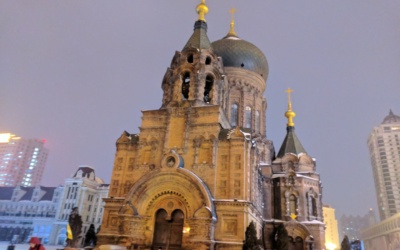
Central Street, known locally as Zhongyang Dajie, is Harbin's historic pedestrian boulevard, lined with European-style architecture left from the city's Russian-influenced past. It is a good daytime or early-evening base: you can walk the cobblestones, see the St. Sophia Cathedral nearby, eat, and warm up indoors between sights. It is also where many visitors stay. Treat Central Street as your warm anchor and Ice and Snow World as the cold evening expedition you launch from it.

A Realistic Sample Plan

TimeActivityNotes
Late morningSun Island snow sculpturesDaylight viewing of large snow carvings
Early afternoonWarm lunch, indoor breakRest and recover before the cold evening
Late afternoonArrive at Ice and Snow WorldCatch some daylight, do ice slides before queues
DuskStay for the lights switching onThe best photo window is blue twilight
EveningExplore the illuminated parkUse warm-up breaks, watch your transport timing

Honest Downsides and Tradeoffs

This is a spectacular attraction, but it is not for everyone, and pretending otherwise sets travelers up for disappointment.

  • The cold is no joke. Visitors regularly cut visits short because they are not dressed for it. Frostbite risk is real if you ignore exposed skin. If you dislike extreme cold, this experience may genuinely not be worth it for you.
  • It is remote. Harbin is far from Beijing, Shanghai, and most international gateways. Reaching it is a deliberate detour, usually by domestic flight or long train, not a casual side trip.
  • It is crowded on peak nights. Around Chinese holidays, the park and its slides get busy, and queues in the cold are draining.
  • Short season, weather-dependent. The whole thing depends on the ice. A warm year can change opening dates, and you cannot visit outside winter at all.
  • Costs add up. Between admission, cold-weather gear, transport, and the travel to reach Harbin in the first place, it is not a budget outing.

None of this should stop a prepared traveler. The point is to go in knowing the experience is built around enduring extreme cold for a genuinely rare reward, and to plan accordingly.

Practical Tips for a Smoother Visit

  • Eat before you go and bring snacks. Calories help you stay warm. A hot meal beforehand makes a big difference.
  • Carry a thermos of hot drink. Sipping something warm outside is both a morale and warmth boost.
  • Keep electronics warm. Inside pockets, spare warm batteries, and minimal screen time outdoors.
  • Do the slides early. Lines grow through the evening, and standing in a queue when you are already frozen is miserable.
  • Plan your return transport. Decide how you will leave before you arrive so you are not stranded in the cold at closing.
  • Confirm this season's dates and hours. Opening, closing, and ticket rules shift annually, so verify them close to your trip.
  • Build in warm-up breaks. Cycling between cold viewing and brief indoor warmth lets you stay out longer overall.
  • Bring or buy local cold gear. Harbin's shops are stocked for winter, and topping up your kit on arrival is easy and worthwhile.

For more on planning a northern China winter itinerary and combining Harbin with the rest of the country, GoAsia.cc has further destination guides to help you map out the trip.

Final Word

Harbin Ice and Snow World is one of those rare attractions where the difficulty is part of the point. The remoteness, the brutal cold, and the short season are exactly what keep it special and limit it to travelers who really want it. Come prepared with serious clothing, time your visit for the dusk transition into night, sort your tickets and transport in advance, and pair it with Sun Island and Central Street to fill your daylight hours. Do that, and you will see a glowing, sculpted city that exists for only a few weeks before melting back into the river it came from.

Frequently Asked Questions

When is the best time to visit Harbin Ice and Snow World?

The park is open only in deep winter, typically from around late December into late February, with exact dates shifting each year based on temperatures. The best hour to visit is late afternoon into evening, so you arrive in some daylight and stay to see the colored lights switch on at dusk. Confirm the current season's opening dates before booking flights, since a warm year can change them.

How much do tickets cost and do I need to book in advance?

Admission is a single ticket that covers the grounds and most attractions inside, including the ice slides, with reduced rates often available for children, students, and seniors. Prices change each season and may differ between daytime and evening entry. Book or reserve online before you go if possible, since buying at the gate can mean queuing outdoors in extreme cold.

How do I get to Harbin Ice and Snow World from the city center?

The park is in the Songbei district on the north side of the Songhua River, separate from the old town. A taxi or ride-hailing app is the simplest option, especially in the cold; have the destination written in Chinese. Plan your return trip before you arrive, because getting a ride back at closing time can be difficult and waiting outside in the cold is risky.

How cold does it get and what should I wear?

Temperatures commonly sit between minus 20 and minus 30 degrees Celsius, and wind makes it feel colder, especially at night when the park looks its best. Wear thermal base layers, an insulated mid layer, a windproof down jacket, insulated waterproof boots, mittens, a warm hat, and a face covering. Bring disposable hand and toe warmers and keep your phone warm, as batteries drain fast.

How long should I plan to spend inside?

Most visitors spend two to four hours, more if they are well dressed and want to linger. Do the popular ice slides early before queues build, then explore the illuminated structures. Build in warm-up breaks at heated spots and food vendors so you can stay longer without getting dangerously cold.

Can I combine it with other Harbin attractions in one trip?

Yes. Sun Island Snow Sculpture Park is nearby and is best in daylight, making it a natural afternoon pairing before an evening at Ice and Snow World. Central Street, the historic pedestrian boulevard with European architecture, works as a warm daytime base in the old town. Spreading these across two days is more comfortable than cramming them into one long cold day.

Is Harbin Ice and Snow World suitable for families with children?

It can be, and the ice slides are popular with kids, but the extreme cold is the main concern. Children get cold faster than adults, so dress them in full thermal layers, mittens, and insulated boots, and plan frequent indoor warm-up breaks. Keep visits shorter and watch closely for signs they are getting too cold.