
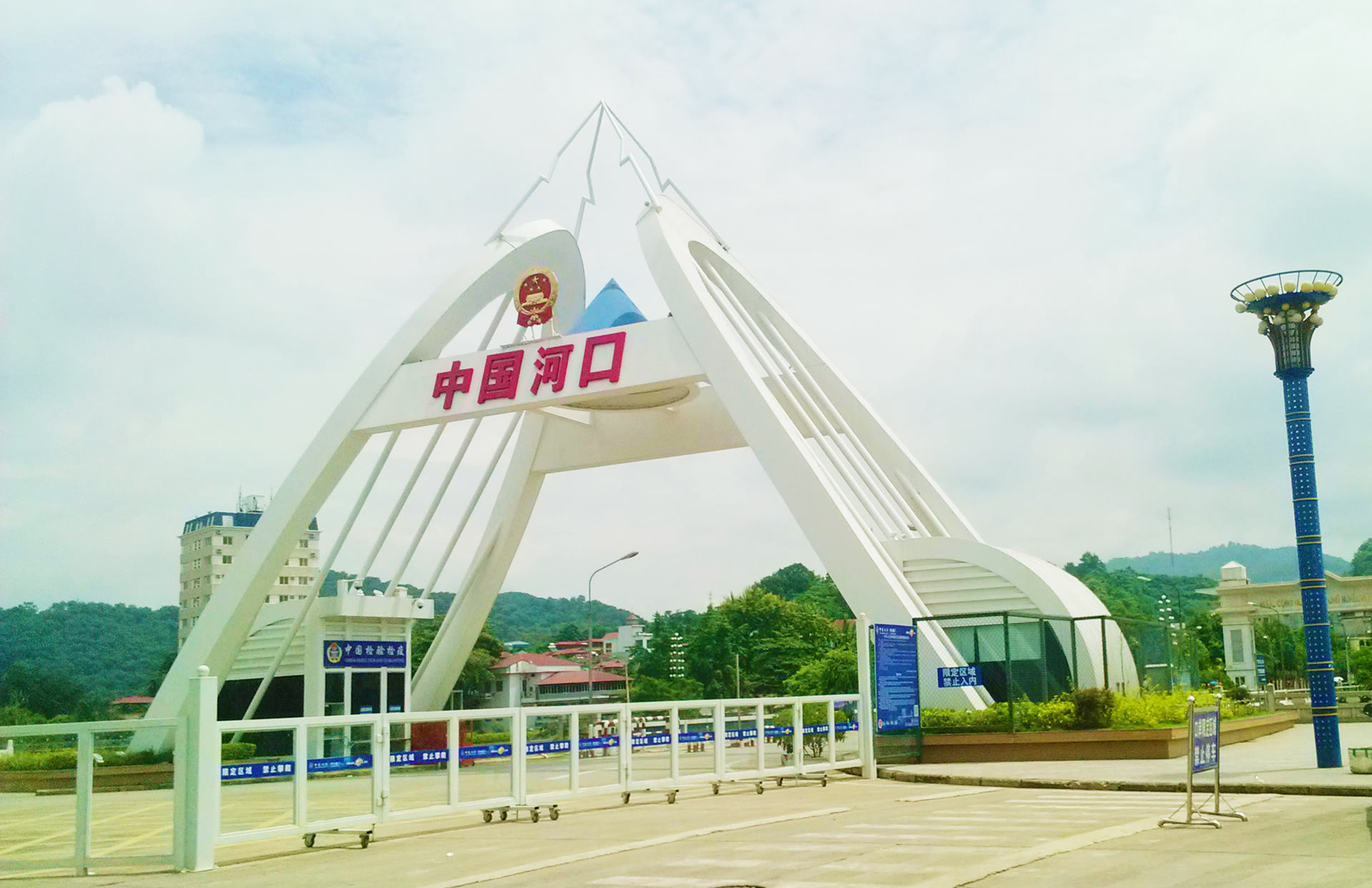
Hekou
Hekou is a bustling border town in Yunnan province where Chinese infrastructure meets Vietnamese commerce. It is the primary gateway for travelers moving between Kunming and Hanoi, offering a unique blend of cross-border trade, colonial history, and vibrant night markets.
Last updated: October 15, 2026
Contents
- 1. Orientation and Neighborhoods
- 2. Best Time to Visit
- 3. Getting There and Getting Around
- 4. Top Sights and Experiences
- 4.1 The China-Vietnam Railway Bridge
- 4.2 Vietnam Street (Beishan Market)
- 4.3 The Riverside Promenade
- 4.4 Overrated: The Border Gate Museum
- 5. Food and Drink
- 6. Where to Stay
- 7. Practical Tips
- 8. Day Trips
- 8.1 Gezhen Village
- 8.2 Lao Cai (Vietnam)
- 9. Sample 3-Day Itinerary
- 9.1 Day 1: The Frontier Experience
- 9.2 Day 2: Culture and Commerce
- 9.3 Day 3: Rural Exploration or Departure
- 10. Budget Overview
- 11. Frequently Asked Questions
Hekou sits at the confluence of the Red River and the Nanxi River, serving as the southernmost point of Yunnan province. It is a place defined by its proximity to Vietnam, with the town of Lao Cai visible just across a narrow bridge. The atmosphere here is a high-energy mix of Chinese efficiency and Southeast Asian chaos, where the smell of Vietnamese coffee mingles with spicy Yunnanese street food.
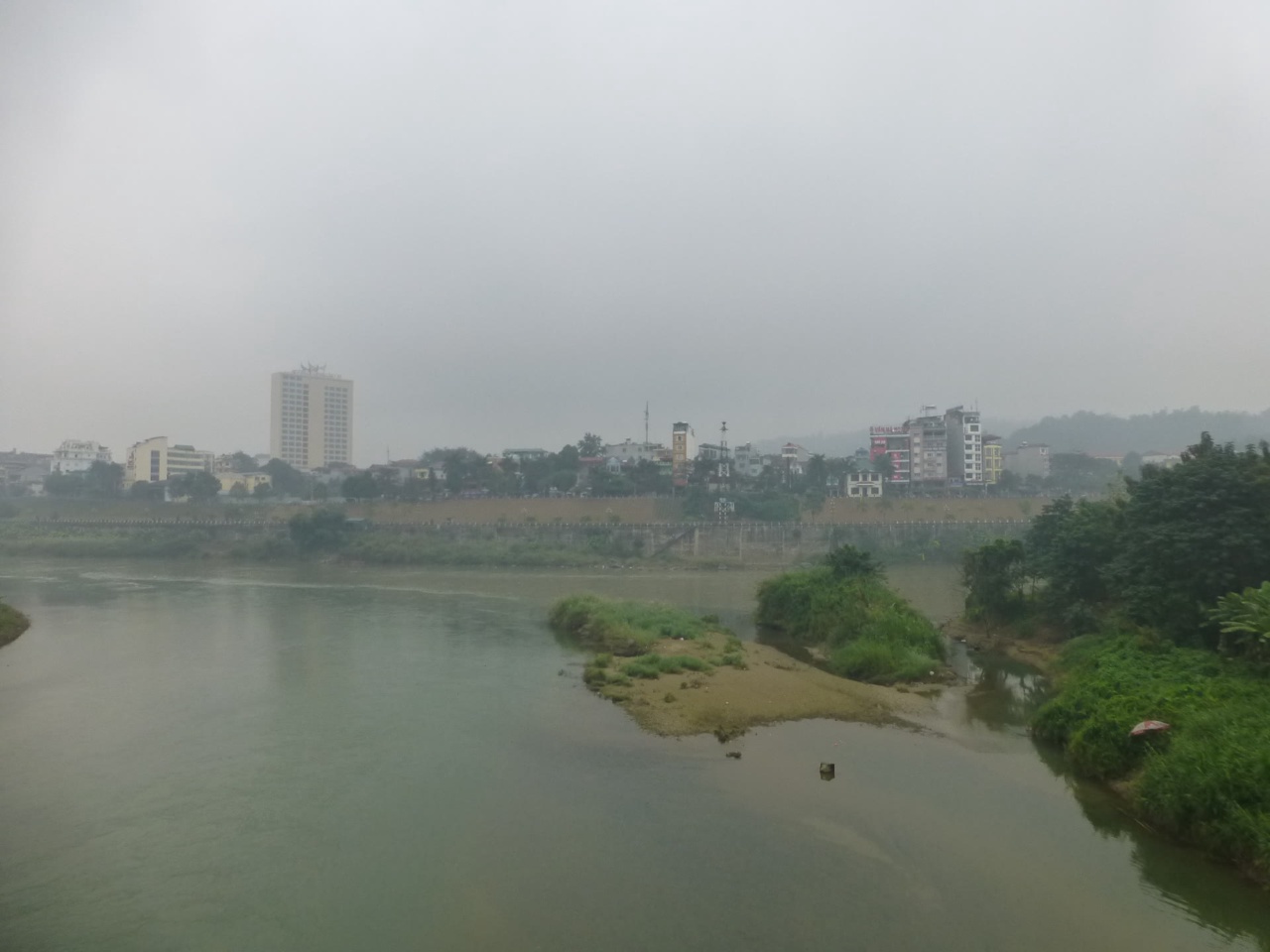
For most travelers, Hekou is a transit hub rather than a final destination, but those who linger find a fascinating frontier culture. The town operates on two clocks: the official Beijing time and the informal rhythm of the border trade. In the early morning, hundreds of Vietnamese traders cross the bridge with laden bicycles, and by night, the riverfront glows with neon lights and outdoor barbecue stalls.
The town is small enough to navigate on foot, yet it feels surprisingly urban due to its role as a major rail and road link. Whether you are waiting for a train to Kunming or preparing to cross into Vietnam, Hekou offers a sensory introduction to the complexities of modern China at its edges.
Orientation and Neighborhoods
Hekou is geographically constrained by the rivers and steep hills, making it long and narrow. The heart of the town is the Border Crossing Area, centered around the Hekou Port of Entry. This is where you will find the most hotels, currency exchange shops, and the famous Vietnam Street. Most tourist activity happens within a ten-block radius of the border bridge.
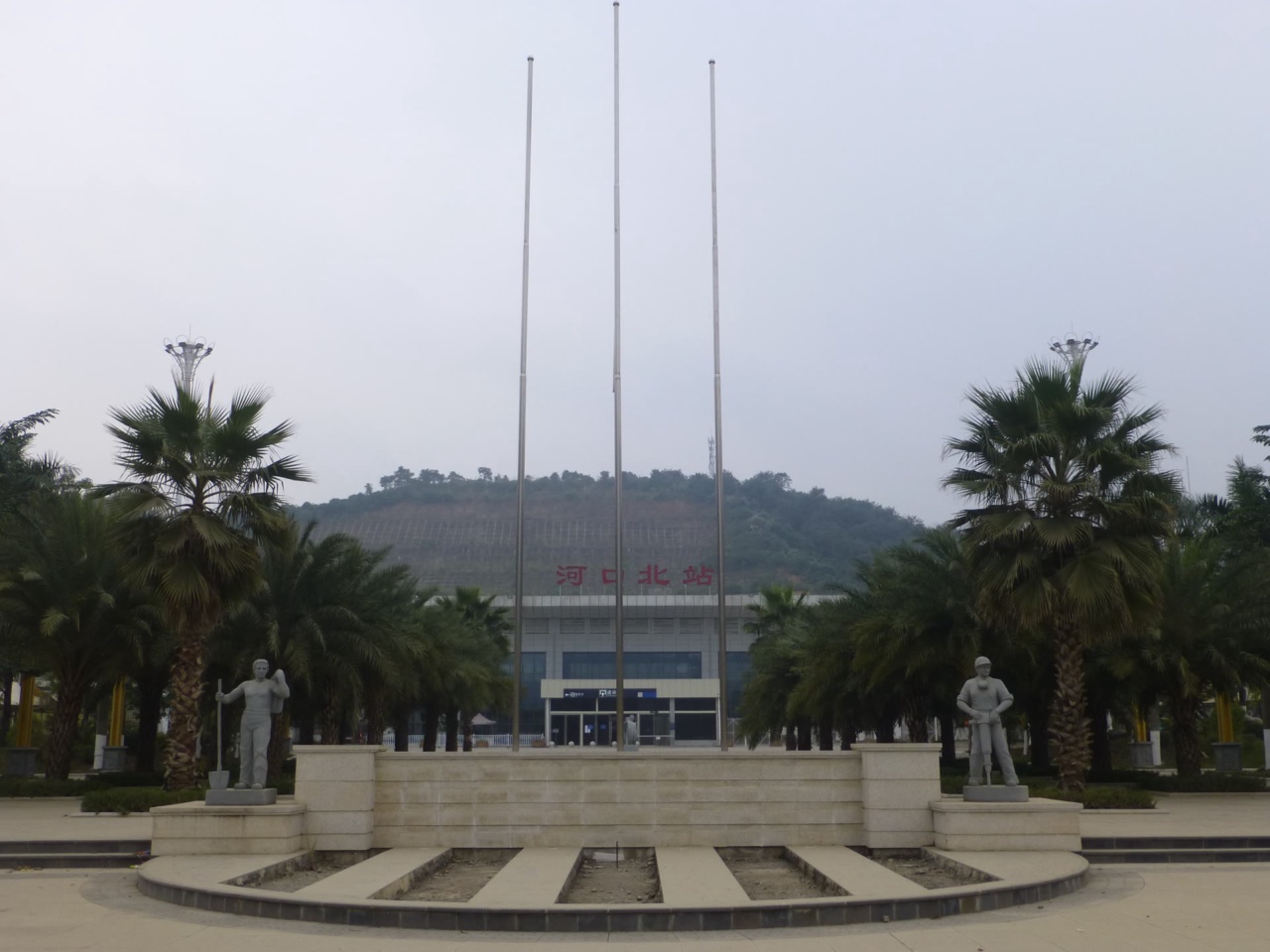
To the north lies the New Town and Railway District. This area is more residential and spacious, housing the Hekou North Railway Station. While it lacks the character of the riverfront, it offers modern hotel chains and quieter streets. Staying near the border is recommended for first-time visitors who want easy access to the markets and the immigration office. The Riverside Promenade runs along the Red River, providing a scenic walkway that connects the old and new parts of town.
Things to Do
Offers are only loaded from GetYourGuide after you click. GetYourGuide can then process your IP address and set cookies. Privacy Policy
GetYourGuide partner offers. GoAsia may earn a commission if you book through these offers. Check whether tickets or transfers are included, and follow the attraction's official booking and admission rules.
Best Time to Visit
Hekou has a tropical monsoon climate, meaning it is significantly hotter and more humid than Kunming or other high-altitude Yunnan cities. Heat exhaustion is a real risk during the peak of summer.
| Month Range | Weather | Crowds | Prices |
|---|---|---|---|
| November to February | Cool and dry | Moderate | Average |
| March to May | Warm and pleasant | Low | Low |
| June to August | Hot and rainy | Low | Low |
| September to October | Warm and humid | High | High |
The best time to visit is from November to February, when temperatures are mild (around 65-75 degrees Fahrenheit). Avoid the first week of October (Golden Week) and the Chinese New Year period, as transport becomes difficult to book and prices for accommodation can triple.
Getting There and Getting Around
Hekou is well-connected to the rest of Yunnan by the high-speed rail network. Hekou North Railway Station receives several trains daily from Kunming, with the journey taking roughly 3 to 4 hours and costing around $15 to $25 depending on the seat class. From the station, a taxi to the border area costs approximately $3 to $5, or you can take a local bus for less than $0.50.
There is no airport in Hekou; the nearest major airport is in Kunming. For those coming from Vietnam, you simply walk across the bridge from Lao Cai after clearing Vietnamese immigration. Within Hekou, walking is the best way to explore the riverfront. For longer distances, small green electric taxis are ubiquitous and cheap, usually charging a flat rate of about $1.50 for trips within the town center. Ride-hailing via the Didi app works well here if you have a Chinese SIM card.
Top Sights and Experiences
The China-Vietnam Railway Bridge
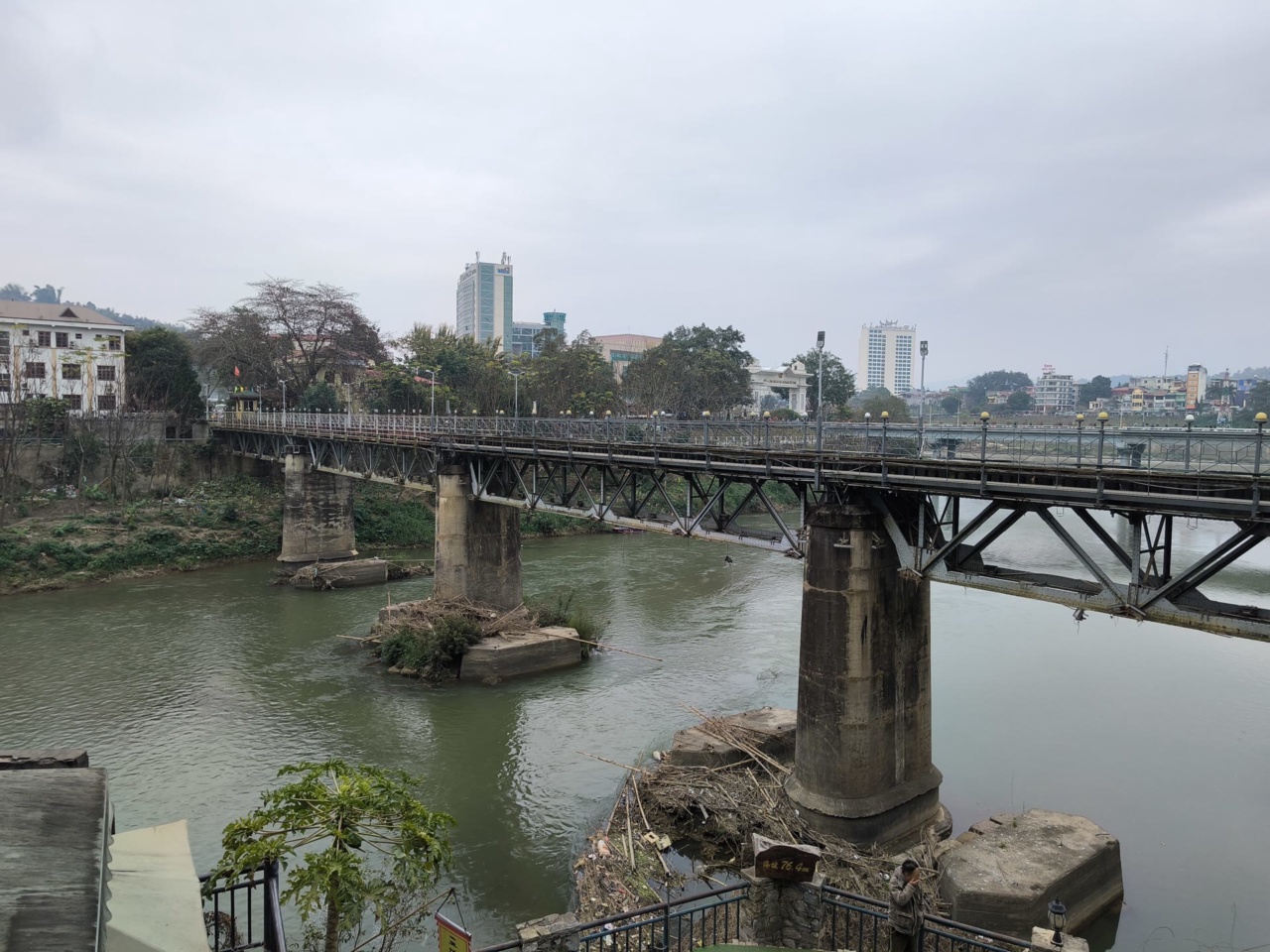
This historic bridge is the symbol of Hekou. Built by the French in the early 20th century, it still carries freight trains between the two countries. You can walk along the riverbank to get a clear view of the tracks disappearing into the Vietnamese side. It is a prime spot for photography, especially when a train slowly rumbles across.
Vietnam Street (Beishan Market)
Located near the border, this area is a maze of shops selling Vietnamese goods: coffee, rubber sandals, tropical fruits, and perfumes. It is a great place to observe the cross-border trade culture. Tip: Haggling is expected here, but prices are generally lower than in Kunming. Visit in the late afternoon when the market is most active.
The Riverside Promenade
As the sun sets, the promenade along the Red River comes alive. You can look across the water into Vietnam and see the lights of Lao Cai. The Chinese side is often illuminated with elaborate LED displays on the buildings. This is the best place for a relaxed evening walk and to join locals in public square dancing.
Overrated: The Border Gate Museum
While it sounds educational, this small museum is often closed or poorly maintained. The real history is better experienced by walking the streets and seeing the colonial-era architecture that still stands in various states of repair near the old railway station.
Food and Drink
Hekou's cuisine is a spicy, sour fusion of Yunnanese flavors and Vietnamese ingredients. The use of fresh herbs like mint and cilantro is more prevalent here than in northern China. Street food is king, particularly at the night markets near the river.
| Dish | Description | Where to Try | Typical Price |
|---|---|---|---|
| Vietnamese Rice Rolls | Steamed rice batter filled with pork and mushrooms. | Morning markets | $1.50 |
| Hekou Barbecue | Skewers of meat and vegetables with heavy spice. | Riverside stalls | $5 - $10 |
| Vietnam Coffee | Strong drip coffee with condensed milk. | Vietnam Street | $2.00 |
| Cross-Bridge Rice Noodles | A Yunnan staple with a local spicy twist. | Local noodle shops | $3.00 |
Don't miss the tropical fruits. Because of the climate, you can find fresh durian, jackfruit, and mangosteens at prices much lower than in inland China. Mid-range restaurants along the main road offer set meals for around $8 to $12 per person.
Where to Stay
Accommodation in Hekou ranges from basic guesthouses to mid-range business hotels. There are no international five-star luxury brands here. Budget: Small guesthouses near the border crossing offer rooms for $15 to $25 per night. Mid-range: Modern hotels near the Riverside or the New Town cost between $35 and $60. Upscale: The best hotels in town are usually located near the government buildings or the railway station, offering better amenities for around $70 per night. Always check if a hotel is licensed to host foreigners, as some smaller guesthouses are not.
Practical Tips
- Payment: Alipay and WeChat Pay are used for everything. Cash is accepted but change is often hard to find. International credit cards are rarely accepted except in the most expensive hotels.
- Internet: You will need a VPN to access Google, Facebook, or Instagram. Local SIM cards can be bought near the border, but you must show your passport.
- Language: Mandarin is the official language. Some traders speak basic Vietnamese or English, but a translation app is essential for most interactions.
- Border Hours: The border typically opens at 8:00 AM and closes at 11:00 PM (Beijing time). Always confirm current hours before planning a crossing.
- Customs: Be aware of what you can bring across the border. Fruit and meat products are generally prohibited and will be confiscated by customs.
Day Trips
Gezhen Village
Located about an hour from Hekou, this is a traditional village inhabited by the Yao ethnic minority. It offers a glimpse into rural Yunnan life away from the border commerce. You can hire a local driver for the day for approximately $40.
Lao Cai (Vietnam)
Technically a different country, but for many, it is a day trip. If your visa allows, you can cross the bridge in the morning, explore the Lao Cai markets, eat a bowl of Pho, and return to China by evening. Ensure your Chinese visa is a multiple-entry type if you plan to return.
Sample 3-Day Itinerary
Day 1: The Frontier Experience
Arrive via high-speed train in the morning. Check into a hotel near the border. Spend the afternoon exploring Vietnam Street and the historic railway bridge. In the evening, walk the Riverside Promenade and have a dinner of charcoal-grilled barbecue at a street-side stall.
Day 2: Culture and Commerce
Visit the local morning market to try Vietnamese-style rice rolls for breakfast. Spend the midday heat in a cafe overlooking the Red River. In the afternoon, take a taxi to the older parts of town to see the French colonial architecture. End the day at the night market for fruit shakes and spicy noodles.
Day 3: Rural Exploration or Departure
Hire a driver for a morning trip to a nearby ethnic minority village or spend the morning picking up last-minute snacks and coffee at the Beishan Market. Head to Hekou North Station for your train to Kunming or prepare for your border crossing into Vietnam. Transport details for the onward journey can be found on GoAsia.cc.
Budget Overview
| Category | Budget | Mid-Range | Comfort |
|---|---|---|---|
| Accommodation | $20 | $45 | $75 |
| Food | $10 | $25 | $50 |
| Transport | $3 | $10 | $20 |
| Activities | $5 | $15 | $30 |
| Daily Total | $38 | $95 | $175 |
Frequently Asked Questions
Hekou is worth a visit for 1-2 days if you are interested in border culture, colonial history, and the unique fusion of Chinese and Vietnamese influences. While not a primary tourist destination, its vibrant markets and riverside atmosphere make it a fascinating stop on a Yunnan itinerary.
One full day is sufficient to see the main sights, including the border bridge and the markets. If you want to explore nearby ethnic villages or relax by the river, two days is plenty.
Hekou is very safe for tourists, with low rates of violent crime. Like any border town, stay alert for petty scams or overcharging in markets, and ensure you keep your passport secure as you will need it for frequent checks near the border.
Yes, Hekou is a major international border crossing into Lao Cai, Vietnam. You must have a valid Vietnamese visa in advance (or an e-visa if eligible) and ensure your Chinese visa allows for re-entry if you plan to return.
The high-speed train from Kunming South or Kunming Railway Station is the fastest and most comfortable option, taking about 3.5 hours. Buses are available but take significantly longer and are less comfortable.
English is not widely spoken. Most signage is in Chinese and Vietnamese. It is highly recommended to have a translation app and a map app that works in China, such as Gaode or Baidu Maps.
You must try the Vietnamese-style steamed rice rolls (Banh Cuon), local Hekou barbecue skewers, and fresh tropical fruits. The town is also famous for its strong Vietnamese drip coffee.
While most vendors prefer Alipay or WeChat Pay, having some cash is useful for small purchases at street stalls or if your digital payment fails. There are several banks near the border with ATMs that accept foreign cards.