
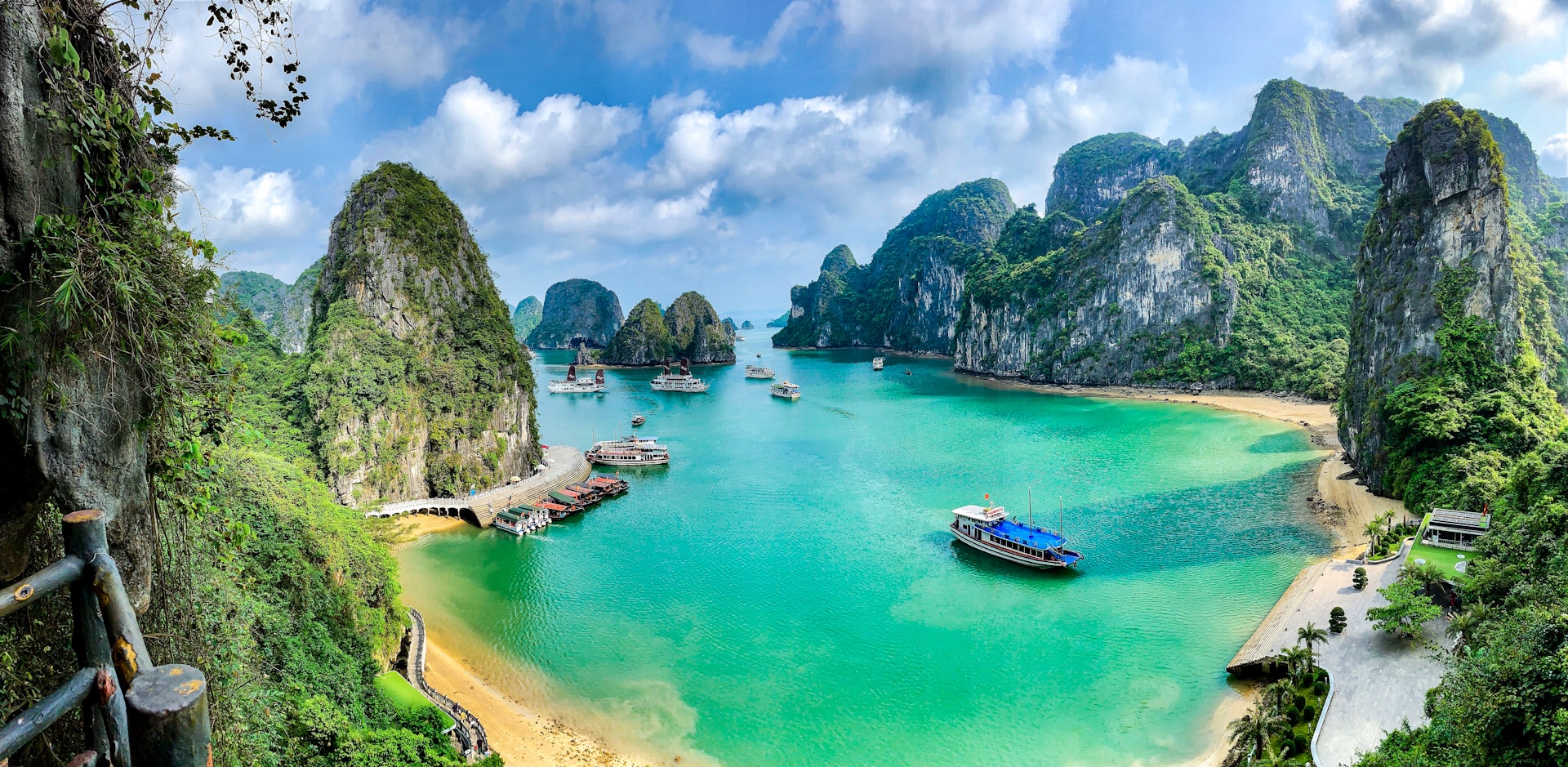
Leaving behind the mist-shrouded rice terraces of Sapa for the rugged karst landscapes of Cao Bang is a journey through the very heart of northern Vietnam's highland soul. While Sapa offers the iconic peaks of the Hoang Lien Son range, Cao Bang serves as the gateway to the breathtaking Ban Gioc Waterfall and some of the most dramatic limestone scenery in Southeast Asia. This route cuts across the northern frontier, transitioning from the Hmong and Dao heartlands toward the Tay and Nung territories near the Chinese border.
The road between these two northern hubs is notoriously winding, hugging mountainsides and dipping into lush valleys. It is a trip for those who appreciate the journey as much as the destination, as the changing topography provides a constant cinematic backdrop. Whether you are looking for the social atmosphere of a shared sleeper bus or the door-to-door convenience of a private van, navigating this mountainous corridor requires a bit of planning to ensure a smooth transition between these two iconic provinces.
Sapa to Cao Bang by Bus
For most independent travelers, the bus is the standard way to traverse the northern highlands. This is not a short hop; the journey takes between 13 and 14 hours depending on the specific service and road conditions. Because of the distance and the nature of the terrain, operators utilize specialized VIP buses designed for comfort over long hauls. These are typically sleeper-style vehicles where you can recline significantly, which is a blessing given the winding roads of the Ha Giang and Cao Bang provinces.
VIP Cabin Services
The most common options on this route are the VIP 24 and VIP 22 cabins, or a combination involving VIP 11 seating. These buses are a significant step up from standard local transport. Each passenger usually gets a semi-private berth or a very wide reclining seat, often equipped with charging ports and curtains for privacy. The price for this long-distance trek is remarkably affordable at around $40.
Taking the bus allows you to save on a night of accommodation if you choose a later departure, though day trips are also available for those who want to watch the mountains roll by. The buses make several stops for meals and restroom breaks at local rest areas where you can stretch your legs and grab a bowl of pho. You can easily secure your spot on these popular northern routes by booking through GoAsia.cc, which helps ensure you get a preferred cabin type before they sell out.
Sapa to Cao Bang by Private Transfer
If you are traveling in a group or simply want to avoid the long hours and fixed schedules of the bus network, a private transfer is the premium alternative. This option utilizes a 9-pax van, often referred to as a "Limousine Van" in Vietnam. These vehicles are modified with plush leather seats, air conditioning, and much better suspension than larger coaches, making the mountain hairpin turns far more bearable.
The primary advantage here is speed and flexibility. A private transfer can complete the journey in approximately 6 hours and 5 minutes, which is less than half the time a bus takes. At a flat rate of $387, it is a significant investment, but when split between a group of five to nine people, the cost per person becomes more reasonable considering the massive time savings and the convenience of being picked up directly from your Sapa hotel and dropped off at your accommodation in Cao Bang.
Comparing Your Options
| Mode | Price (USD) | Duration | Comfort |
|---|---|---|---|
| Bus (VIP Cabin) | $40 | 13-14 hours | Medium |
| Private Transfer (9-pax Van) | $387 | 6 hours | High |
Tips for Traveling from Sapa to Cao Bang
- Prepare for Motion Sickness: The roads in Northern Vietnam are incredibly curvy. Even if you don't usually get car sick, it is wise to have motion sickness medication on hand for this specific leg of your trip.
- Pack Snacks and Water: While buses do stop at rest areas, the options can be limited to basic local snacks. Bring some fruit, nuts, and plenty of water to keep you going through the long mountain passes.
- Keep Valuables Close: On sleeper buses, keep your passport, wallet, and electronics in a small daypack that stays with you in your cabin or seat, rather than in the luggage hold underneath.
- Dress in Layers: The temperature can drop significantly in the mountains, and bus air conditioning can sometimes be quite strong. A light jacket or a pashmina will keep you comfortable regardless of the setting.
- Book in Advance: During peak trekking seasons or Vietnamese national holidays, transport between these major hubs can fill up days in advance. Secure your tickets early to avoid being stranded in Sapa.
Timetable
| Bus Sapa - Cao Bang $ 37.56 12h 50m – 13h 50m | |
|
|
| Taxi Sapa - Cao Bang $ 366.24 6h 5m | |
|
Frequently Asked Questions
Use the booking tool on this page to compare the transport options currently available from Sapa to Cao Bang, including current prices and schedules.
The cheapest way to travel this route is by bus. Tickets for the VIP cabin services cost approximately $40 per person, providing a budget-friendly way to cover the long distance between these two northern provinces.
The fastest way to reach Cao Bang from Sapa is by private transfer. A private 9-pax van can complete the journey in about 6 hours and 5 minutes, which is significantly faster than the 13 to 14 hours required by bus.
The duration depends on your choice of transport. A private transfer takes roughly 6 hours, while the bus journey typically lasts between 12 hours and 50 minutes to 13 hours and 50 minutes.
Yes, there are bus departures in the afternoon that travel through the night, as well as morning departures. The VIP sleeper cabins are designed to allow passengers to rest during the long haul across the mountains.
The roads are paved but very winding and mountainous. Drivers on this route are experienced with the terrain, but travelers should be prepared for slow speeds and many turns. It is best to travel with reputable operators.
It is recommended to bring motion sickness tablets, a warm layer for the air conditioning, snacks, and a power bank. Most VIP buses have charging ports, but having your own backup power is always a good idea in remote areas.