Batanes Islands: A Guide to the Philippines' Windswept Northern Frontier

Batanes Islands: A Guide to the Philippines' Windswept Northern Frontier

Last updated: March 19, 2026

Batanes sits closer to Taiwan than to Manila. The northernmost province of the Philippines, this archipelago of ten small islands floats in the channel between the Philippine Sea and the South China Sea, battered by typhoons for half the year and blessed with some of the most dramatic, untouched scenery in all of Southeast Asia for the rest.

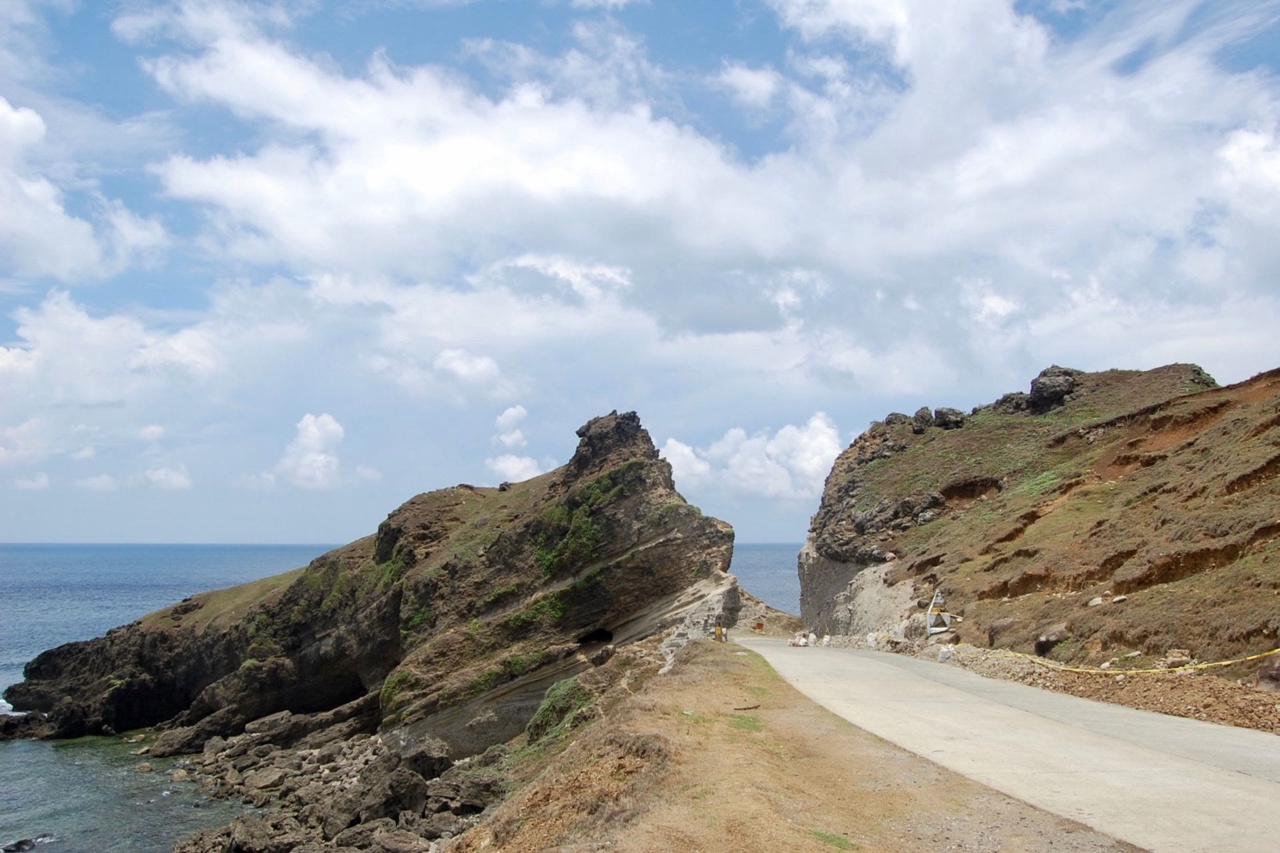
Only three of Batanes' islands are inhabited - Batan, Sabtang, and Itbayat - and their combined population barely exceeds 18,000. The Ivatan people who live here have developed a culture and architecture unlike anything else in the Philippines, building thick-walled stone houses with heavy cogon grass roofs designed to survive the relentless Pacific typhoons. The result is a landscape that looks more like the Scottish Highlands or rural Ireland than a tropical island, with rolling green hills, dramatic cliffs, and stone villages perched above crashing waves.

Getting to Batanes requires effort and flexibility, but travelers who make the journey discover a place where the concept of an "honesty store" - shops with no attendant where you leave your payment in a box - still defines daily commerce, and where the pace of life moves at the rhythm of weather and tide.

The Three Inhabited Islands

Batan Island

Batan is the main island and home to Basco, the provincial capital. Most visitors base themselves here, and the island's compact size means you can see its major attractions in two days. The landscape alternates between rolling green hills, rugged coastline, and quiet farming villages.

Key sights on Batan include:

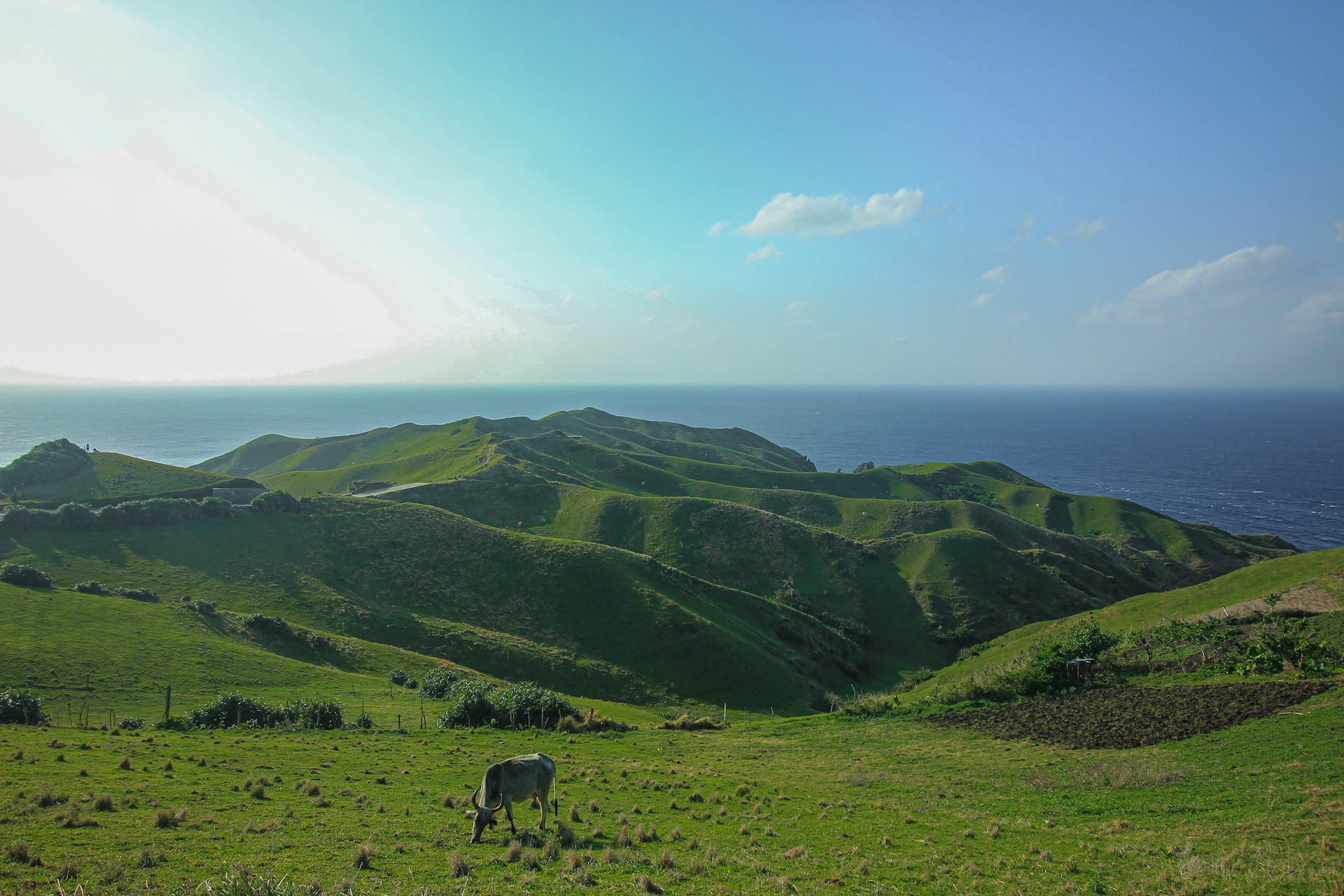
  • Vayang Rolling Hills: Wide-open grasslands overlooking the Pacific Ocean. The hills roll gently toward steep cliffs, and on clear days you can see the outline of Itbayat Island to the north. This is the quintessential Batanes landscape photo.
  • Basco Lighthouse (Naidi Hills): A hilltop lighthouse offering panoramic views of Basco town, the harbor, and Mount Iraya volcano. The surrounding hills are ideal for sunset watching.
  • Marlboro Hills (Rakuh a Payaman): Named by locals who thought the rolling green pastures resembled the landscapes from old cigarette advertisements. Cows graze freely on these hills above the sea, and the viewpoint is one of Batanes' most photographed spots.
  • Chawa View Deck: A dramatic clifftop platform overlooking crashing waves and rocky coastline. The surf below is powerful, and the deck gives you a vertigo-inducing perspective of the Pacific.
  • Valugan Boulder Beach: A shoreline covered entirely in smooth, massive boulders rather than sand, formed by centuries of volcanic eruptions from Mount Iraya. Walking on the boulders while waves crash against them is a visceral experience.

Sabtang Island

Sabtang is the cultural heart of Batanes and home to the best-preserved Ivatan stone house villages. The island is reached by a one-hour boat ride from Ivana Port on Batan. Boats typically depart early morning and return in the early afternoon, making it a full day trip.

The island's highlights include:

  • Savidug Stone Houses: A village of traditional Ivatan houses with walls over a meter thick, built from limestone and coral. Some houses are over a century old and still inhabited. The narrow stone-lined streets feel frozen in time.
  • Chavayan Village: Another well-preserved stone village, Chavayan sits on the coast and is even more atmospheric than Savidug. The combination of stone houses, fishing boats, and the sea creates an incredibly photogenic setting.
  • Chamantad-Tinyan Viewpoint: A clifftop viewpoint overlooking a hidden cove with turquoise water. The trail to the viewpoint passes through farmland and grasslands.
  • Morong Beach: A white sand beach backed by a dramatic natural arch formed by wave erosion. Swimming can be dangerous due to strong currents, but the scenery is spectacular.

Itbayat Island

The largest but least visited island, Itbayat is for travelers seeking true remoteness. The island has no beaches - its entire coastline is ringed by steep cliffs, with access only through a single harbor carved into the rock. Boat crossings from Batan take about 2 to 4 hours and are frequently cancelled due to rough seas.

Itbayat offers vast, empty grasslands, ancient Ivatan burial sites, and a community so small that every visitor is noticed and welcomed. Accommodation is limited to a handful of homestays. Most visitors come for 1 to 2 nights, though getting stranded for longer due to weather is a real possibility.

Things to Do

Getting to Batanes

By Air

The only practical way to reach Batanes is by flying to Basco Airport from Manila. Philippine Airlines and Skyjet operate flights, though schedules change seasonally. Flight time is about 1.5 to 2 hours from Manila.

AirlineRouteFrequencyFare Range
Philippine AirlinesManila - BascoDaily (peak), 3-4x/week (off-peak)PHP 4,000 - 12,000 one way
SkyjetManila - BascoSeveral times weeklyPHP 3,500 - 10,000 one way

Flights are frequently delayed or cancelled due to weather, especially during typhoon season. Book flexible tickets if possible, and always build buffer days into your itinerary. Overbooking is common during peak season (March to May), so book well in advance.

Getting Around the Islands

On Batan, the main way to explore is by renting a motorcycle (PHP 500 to 800 per day) or hiring a tricycle with driver for a guided tour (PHP 1,500 to 2,500 for a full day). Bicycle rentals are also available for PHP 200 to 300 per day, though the hilly terrain makes cycling challenging. For travel route options to Manila and connections across the Philippines, GoAsia.cc has useful guides.

For Sabtang, boats depart from Ivana Port (southern tip of Batan) between 7:00 AM and 8:00 AM, returning between 1:00 PM and 2:00 PM. The fare is about PHP 200 to 300 per person each way. On Sabtang, tricycles are the main transport, and a full island tour costs about PHP 800 to 1,200.

Ivatan Culture and Traditions

The Ivatan people have a distinct identity shaped by centuries of isolation and the extreme weather of their islands. Their language, Ivatan, is unique in the Philippines and shares some roots with Formosan languages of Taiwan - a reminder that these islands sit on a cultural bridge between two nations.

The most visible cultural expression is the architecture. Ivatan stone houses were built to withstand category-5 typhoons, with walls up to 1.5 meters thick, small windows to reduce wind exposure, and thick cogon grass roofs that flex rather than break in storms. The oldest surviving house, the House of Dakay in Ivana, dates back over two centuries.

The traditional Ivatan vakul (headgear made from palm leaves) is still worn by women working in fields and fishing areas, providing protection from both sun and rain. You will see vakul for sale as souvenirs in Basco.

Batanes is also famous for the "honesty store" concept. Several small shops operate without staff - goods are displayed with prices, and customers leave their payment in a box. The system works because Ivatan communities are tight-knit and trust is deeply embedded in local culture.

Where to Stay

Accommodation in Batanes is concentrated in Basco on Batan Island. Options are limited compared to other Philippine destinations, and prices are higher due to the remote location and limited supply.

  • Budget (PHP 800 - 1,500/night): Homestays and guesthouses in Basco with basic rooms, shared bathrooms, and fan cooling. Fundacion Pacita's budget rooms and various family-run homestays are popular options.
  • Mid-range (PHP 2,000 - 5,000/night): Small hotels and inns with private bathrooms and breakfast. Some offer motorcycle rental and tour arrangements as part of the stay.
  • Premium (PHP 5,000 - 10,000/night): Fundacion Pacita, a hilltop heritage house turned boutique hotel, is the most upscale option on the island with stunning views and artist-curated interiors.

On Sabtang and Itbayat, only homestays are available (PHP 500 to 1,200/night including meals). Book in advance, especially for Itbayat where options number in single digits.

What to Eat

Ivatan cuisine is distinct and worth seeking out:

  • Uvud balls: Meatball-like patties made from banana pith (the inner stem of the plant), ground pork, and spices. A signature Ivatan dish you will not find anywhere else in the Philippines.
  • Turmeric rice: Yellow-tinted rice flavored with local turmeric, served with most meals.
  • Lunis: Salt-cured flying fish, dried in the strong Batanes winds. A staple protein that appears in many local dishes.
  • Dibang: A coconut crab that is a local delicacy, though availability depends on the season.
  • Vunes: A root crop similar to sweet potato, boiled and served as a side dish or snack.

Restaurant options in Basco are limited. Octagon Bed and Dine and Cafe du Tukon are reliable choices. Many homestays include meals, which is often the best way to experience authentic Ivatan cooking.

Best Time to Visit

March to May is the ideal window, with the calmest weather, clearest skies, and most reliable flight schedules. June through November is typhoon season, with frequent flight cancellations and rough seas that can prevent island-hopping to Sabtang and Itbayat.

December to February offers cooler weather and fewer tourists, but strong northeast monsoon winds (locally called amihan) can still disrupt flights and boat schedules. The winds create dramatic waves along the coastline, making it a beautiful but unpredictable time to visit.

Practical Tips for Visiting Batanes

  • Build buffer days into your trip. Weather-related flight cancellations are common. Plan for at least one extra day beyond your intended stay. Getting stranded for an additional night is not unusual, especially outside peak season.
  • Bring enough cash. Batanes has very limited ATM access, and the machines frequently run out. Credit cards are accepted almost nowhere. Withdraw enough pesos in Manila to cover your entire trip including accommodation, food, transport, and emergencies.
  • Pack layers and rain gear. Even in the dry season, Batanes is windier and cooler than the rest of the Philippines. Temperatures range from 20 to 30 degrees Celsius, and sudden rain showers are common. A light windbreaker is essential.
  • Book flights early. Seat capacity to Batanes is limited, and flights fill up months in advance for the March to May peak season. Book as far ahead as possible and opt for refundable or rebookable tickets.
  • Rent a motorcycle for Batan. A motorcycle gives you the freedom to stop at viewpoints, explore at your own pace, and access remote spots that tricycles skip. The roads are well-paved and traffic is virtually nonexistent. An international driving permit is technically required.
  • Respect the stone houses. The heritage villages on Sabtang are living communities, not museums. Ask before photographing people, do not enter homes without invitation, and keep noise levels down.
  • Try the honesty stores. Leave the correct payment. These stores operate on trust, and maintaining that tradition is important to the local community.
  • Prepare for limited connectivity. Mobile signal is available but weak in many areas. WiFi is slow where available. Embrace the disconnection - it is part of the Batanes experience.

Frequently Asked Questions

What makes Batanes Islands worth the long journey?

Batanes offers a landscape and culture found nowhere else in the Philippines. The rolling green hills, dramatic cliffs, and centuries-old stone villages create scenery more reminiscent of Ireland or Scotland than tropical Asia. The Ivatan people maintain unique traditions, architecture, and cuisine that have no equivalent elsewhere. The remoteness itself is part of the appeal - this is one of the last truly uncrowded destinations in the country.

How much does a trip to Batanes cost?

Flights from Manila range from PHP 3,500 to 12,000 one way depending on the airline and booking timing. Budget accommodation costs PHP 800 to 1,500 per night, mid-range PHP 2,000 to 5,000. Daily transport (motorcycle rental or tricycle tour) runs PHP 500 to 2,500. Food costs about PHP 300 to 500 per day. A 4-day trip typically costs PHP 15,000 to 25,000 all-inclusive, excluding flights.

How do I get to Batanes from Manila?

Philippine Airlines and Skyjet operate flights from Manila to Basco Airport, taking about 1.5 to 2 hours. There is no ferry service for passengers. Flights operate daily during peak season and several times weekly otherwise. Book well in advance as seats are limited, and always have buffer days for potential weather cancellations.

How many days do I need in Batanes?

Three to four days is ideal for seeing the main attractions on Batan and Sabtang Islands. This allows a full day exploring Batan (north and south tours), a day trip to Sabtang, and a buffer day for weather delays or relaxation. Add two extra days if you want to visit Itbayat Island, though boat schedules are unpredictable.

When is the best time to visit Batanes?

March to May offers the best weather with calm seas and reliable flights. This is peak season so book flights and accommodation early. December to February is cooler with strong winds but fewer tourists. Avoid June to November when typhoons frequently cancel flights and make boat crossings to Sabtang and Itbayat impossible.

Is it safe to visit Batanes during typhoon season?

Visiting during typhoon season (June to November) is possible but risky. Flights are frequently cancelled, sometimes for several days in a row. Boat trips to Sabtang and Itbayat may be suspended entirely. If you do visit during this period, be prepared to extend your stay involuntarily and carry extra cash for additional nights of accommodation.

Can I visit Sabtang and Itbayat Islands from Batan?

Sabtang is a straightforward day trip with boats departing Ivana Port around 7:00-8:00 AM and returning by 1:00-2:00 PM (PHP 200-300 per person each way). Itbayat is more challenging - boats take 2 to 4 hours and run irregularly depending on sea conditions. Plan to stay overnight on Itbayat as same-day returns are not possible.

Do I need a guide in Batanes?

Guides are not mandatory on Batan Island, where renting a motorcycle and exploring independently works well. For Sabtang, hiring a tricycle driver who doubles as a guide is recommended to navigate the villages and learn about Ivatan culture. For Itbayat, a local contact is essential as there is minimal tourist infrastructure and trails can be hard to find.