Batu Caves: Kuala Lumpur's Limestone Temple Complex

Batu Caves: Kuala Lumpur's Limestone Temple Complex

Last updated: March 16, 2026

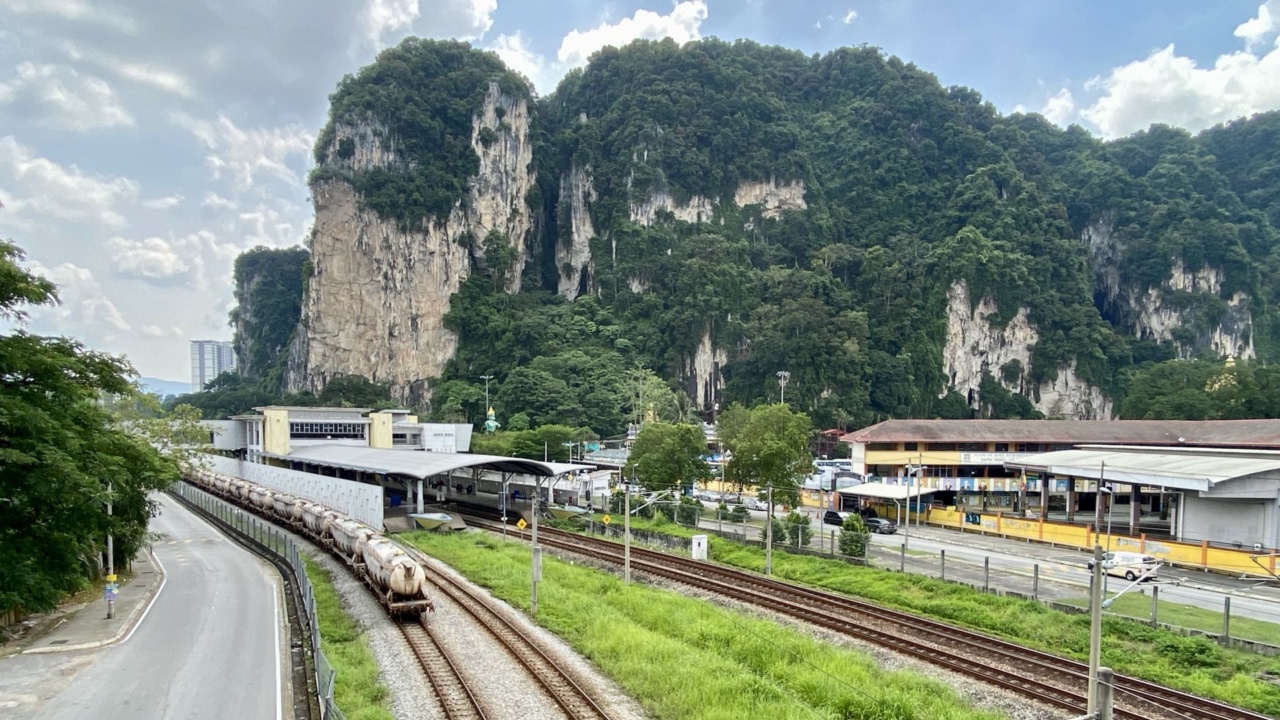
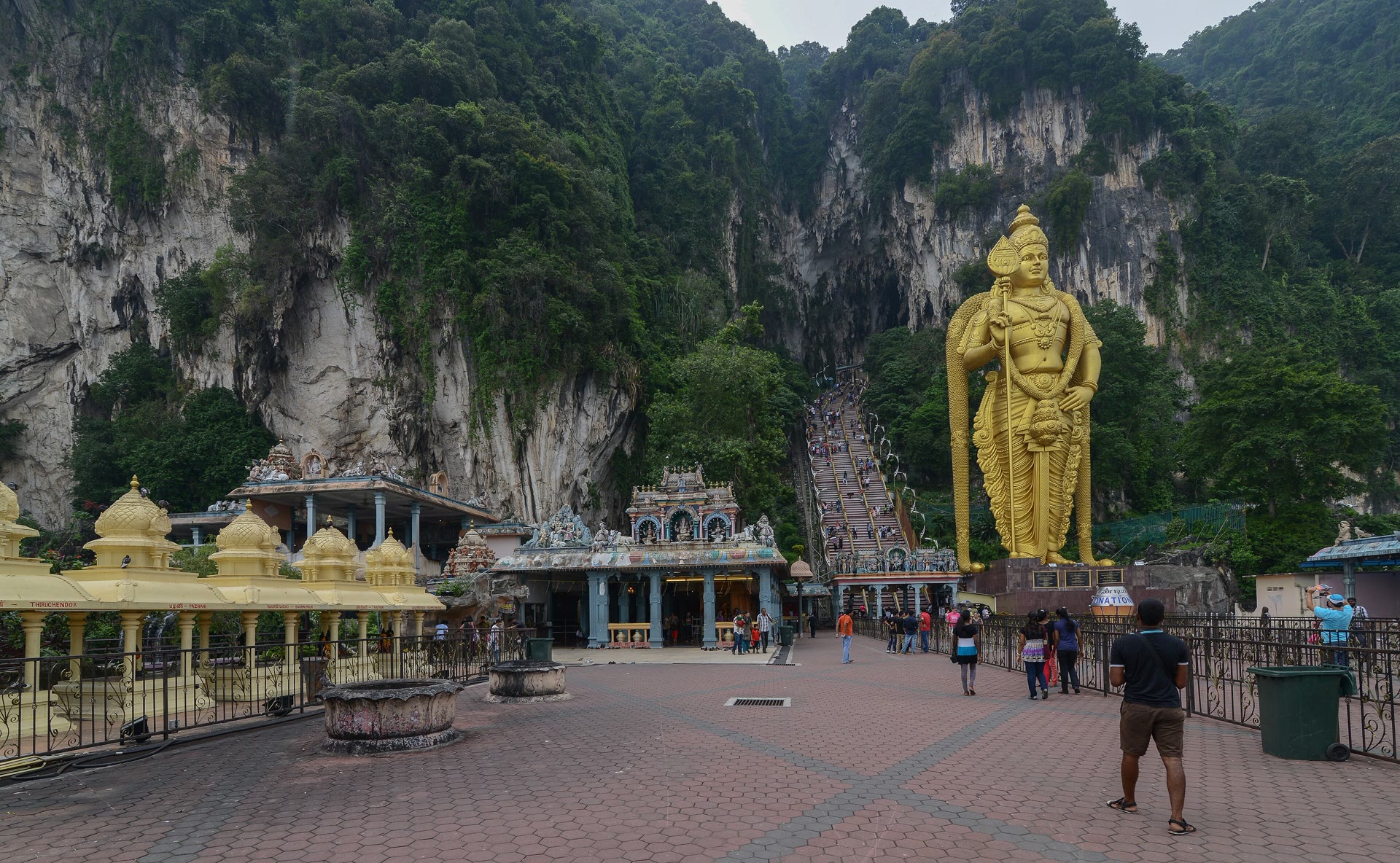
A 42.7-meter golden statue of Lord Murugan stands at the base of a rainbow-painted staircase, backed by a sheer limestone cliff riddled with cathedral-sized caverns. Batu Caves is not subtle. Located 13 km north of central Kuala Lumpur, this Hindu temple complex built into 400-million-year-old limestone formations is one of Malaysia's most visited attractions and the most important Hindu shrine outside of India. During the annual Thaipusam festival, over a million devotees and spectators pack the site in one of the most intense religious spectacles in Southeast Asia.

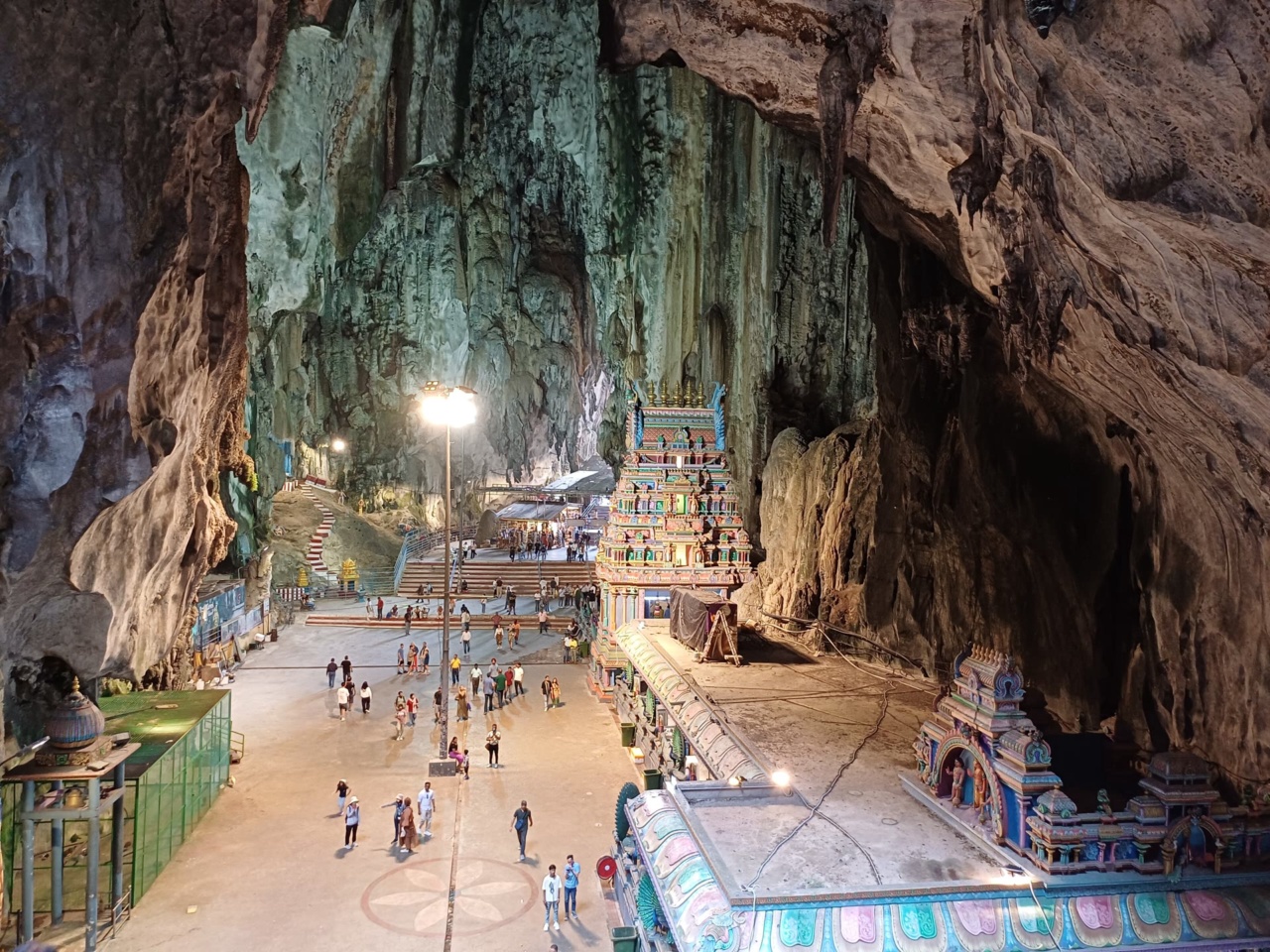
On a regular day, the experience is more manageable but no less impressive. The main Temple Cave sits at the top of 272 steps, opening into an enormous natural cavern where Hindu shrines nestle beneath stalactites and shafts of sunlight pierce the rock ceiling. The whole visit takes one to two hours, and the KTM commuter train delivers you from KL Sentral to the cave entrance in 30 minutes for a couple of ringgit. It is one of the easiest and most rewarding half-day trips from Kuala Lumpur.

The Caves and Temples

Temple Cave (Cathedral Cave)

The main attraction. After climbing the 272 steps of the famous rainbow staircase, you enter a vast limestone cavern roughly 100 meters high. Inside, Hindu shrines and statues are arranged around the cave floor, with natural light streaming through openings in the rock above. The atmosphere is a striking mix of sacred and geological: incense smoke drifts past ancient stalactites, devotees pray at ornate altars, and pigeons circle in the upper reaches of the cavern. A second, smaller chamber at the rear of the cave requires a further short climb and contains additional shrines.

The Temple Cave is free to enter and open daily from 7:00 AM to 9:00 PM. The 272 steps are steep but manageable for most visitors. There are no handrails on some sections, and the steps can be slippery after rain.

Ramayana Cave

Located at the base of the cliff to the left of the main staircase, Ramayana Cave tells the story of the Hindu epic Ramayana through life-sized dioramas and painted statues arranged inside a smaller limestone cavern. The displays are colorful, detailed, and well-lit, making this cave more accessible than the main one for visitors who cannot manage the stairs. Entrance costs 5 MYR for all visitors.

Cave Villa

Also at ground level, Cave Villa is a privately managed attraction combining two caves: one filled with Hindu and Buddhist statues and dioramas, the other a nature cave with stalactites and stalagmites illuminated by colored lights. The reptile section houses pythons, iguanas, and other animals. Entrance is 15 MYR for foreign visitors and 7 MYR for Malaysians. It takes about 30-45 minutes and adds variety if you are visiting with children.

Dark Cave

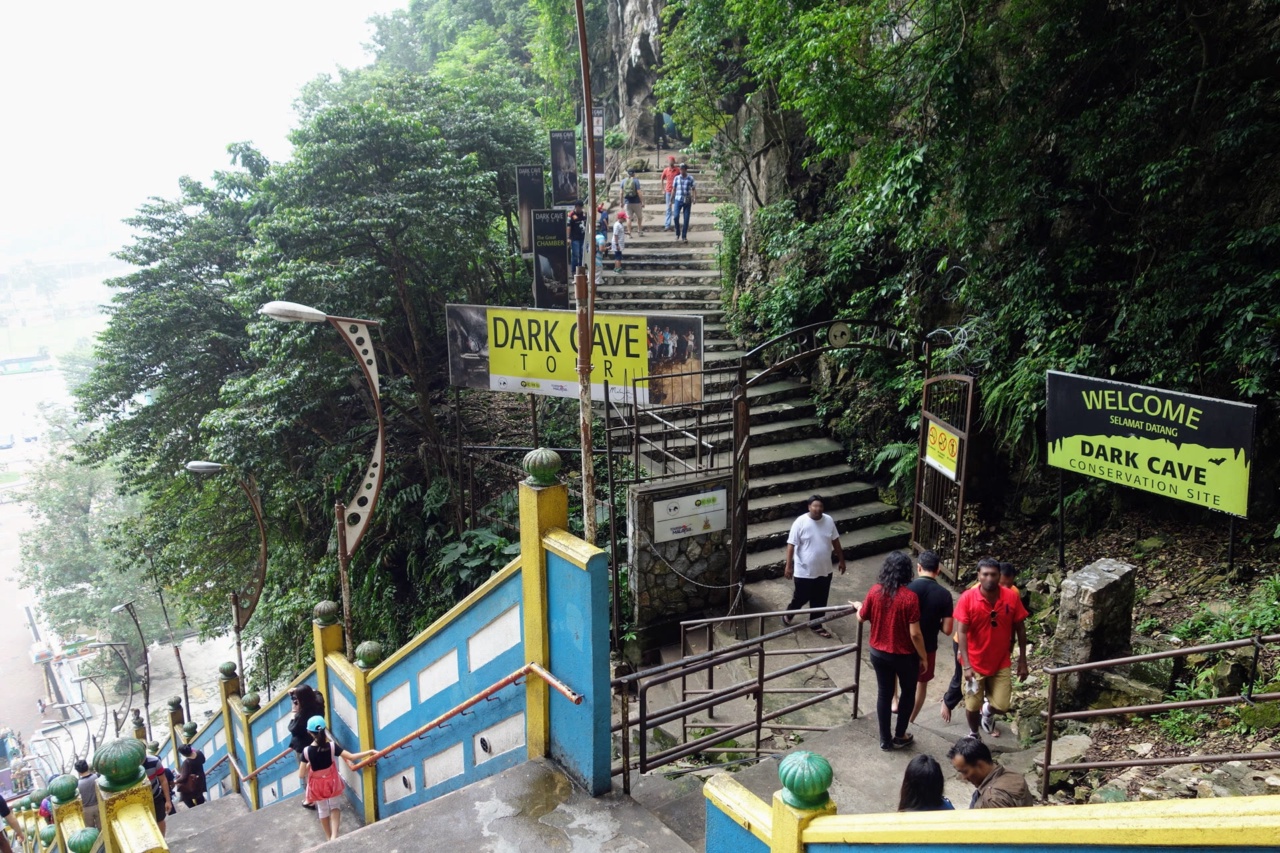
Halfway up the main staircase, a side entrance leads to the Dark Cave, a 2 km network of undeveloped limestone passages that are home to a rare species of trapdoor spider found nowhere else on Earth. Guided educational tours (45 minutes, 35 MYR for adults) take you through a section of the cave by torchlight, explaining the geology and unique ecosystem. An adventure tour (3-4 hours, 75 MYR) goes deeper and involves crawling, scrambling, and wading through underground streams. The Dark Cave is the most interesting attraction at Batu Caves for nature and geology enthusiasts.

Things to Do

The Lord Murugan Statue

The enormous golden statue at the foot of the stairs is hard to miss. Standing 42.7 meters tall, it is the tallest Murugan statue in the world outside of India and took three years to construct using 250 tons of steel, 300 liters of gold paint, and 1,550 cubic meters of concrete. Lord Murugan (also called Kartikeya or Subrahmanya) is the Hindu god of war and victory, and the statue was unveiled in 2006. It has become the defining image of Batu Caves and one of the most photographed landmarks in Malaysia.

The Rainbow Staircase

The 272 steps leading to Temple Cave were repainted in vivid rainbow colors in 2018, creating an instantly recognizable visual that has made Batu Caves one of the most Instagrammed spots in Southeast Asia. The colorful makeover was controversial at the time, with some purists preferring the original grey concrete, but it has undeniably boosted the site's popularity with younger visitors and photographers.

The staircase is steep and fully exposed to the sun, with no shade or rest areas. On a hot day, the climb takes 10-15 minutes and leaves you sweating. There is no alternative route to the Temple Cave, so the stairs are the only way up. Bring water and take it at your own pace.

Getting to Batu Caves

Batu Caves is extremely easy to reach from central Kuala Lumpur by public transport.

The KTM Komuter train runs directly from KL Sentral to Batu Caves station, which is an 80-meter walk from the foot of the staircase. The journey takes about 30 minutes on weekdays and 35 minutes on weekends. Trains run approximately every 30 minutes, with the first departure at 7:05 AM and the last at 10:53 PM on weekdays. A one-way ticket costs 2-4 MYR (under $1). Tickets are purchased at the station; no advance booking is needed.

Grab or Taxi

A Grab from KL Sentral or Bukit Bintang costs about 15-25 MYR and takes 20-30 minutes depending on traffic. This is convenient for groups or if you want to arrive early before the trains start running.

Guided Tour

Half-day tours from Kuala Lumpur (80-150 MYR) typically combine Batu Caves with other attractions like the Royal Selangor pewter factory or Batik workshops. These are convenient but not necessary, as getting there independently is so straightforward.

TransportCostTimeNotes
KTM Komuter2-4 MYR one way30 minDirect from KL Sentral, every 30 min
Grab/Taxi15-25 MYR20-30 minDoor to door, traffic dependent
Guided tour80-150 MYRHalf dayCombined with other attractions

Thaipusam Festival

Batu Caves is the focal point of Thaipusam in Malaysia, one of the most dramatic Hindu festivals in the world. Held in January or February (the exact date follows the Tamil calendar), Thaipusam draws over a million devotees and spectators to the caves over a three-day period.

The festival honors Lord Murugan, and the most striking aspect is the kavadi, elaborate structures carried by devotees as acts of devotion. Some participants pierce their skin with hooks, skewers, and spears as part of their vows, entering a trance-like state as they climb the 272 steps. The atmosphere is overwhelming: drums pound, incense billows, crowds surge, and the intensity of devotion is palpable. It is an extraordinary cultural experience but not for the faint-hearted.

If you visit during Thaipusam, prepare for massive crowds, limited transport options, and long waits. The experience is unforgettable but requires patience and stamina. For more details on planning around Malaysian festivals, check GoAsia.cc.

The Monkeys

Batu Caves has a large population of long-tailed macaques that live on and around the staircase. They are bold, intelligent, and accustomed to tourists. The monkeys will grab food, drinks, bags, sunglasses, phones, and anything shiny or interesting if given the chance. They are not aggressive unless provoked or teased, but they are persistent.

  • Do not carry visible food or drinks while climbing the stairs.
  • Secure bags and pockets. Zip closures help.
  • Do not feed the monkeys. This makes them more aggressive toward future visitors.
  • Keep a firm grip on phones and cameras. Selfie sticks are particularly attractive targets.
  • If a monkey grabs something, do not chase or fight for it. They usually lose interest quickly if you back away calmly.

Tips for Visiting Batu Caves

  • Go early in the morning. The caves open at 7:00 AM. Arriving by 8:00 AM means fewer crowds, cooler temperatures for the staircase climb, and calmer monkeys. By mid-morning, tour buses start arriving and the steps get congested.
  • Dress modestly. Batu Caves is an active Hindu temple. Cover your shoulders and knees. Sarongs are available for rent at the base if needed, but bringing your own cover-up avoids the queue. Shoes must be removed before entering the temple shrines inside the cave.
  • Wear proper footwear. The 272 steps are steep and can be wet from rain or morning dew. Closed-toe shoes or sandals with straps are better than flip-flops. You will remove shoes at the temple shrines, so something easy to take off and carry works best.
  • Bring water but drink it discreetly. The climb is hot and there is no shade. Carry water in a sealed bottle inside your bag, not in your hand where monkeys will target it. There are small shops at the top selling drinks.
  • Do the Dark Cave tour. Most visitors skip it, but the Dark Cave educational tour (35 MYR) is the most interesting single activity at Batu Caves. Seeing the undeveloped cave system with its rare spiders and underground streams provides a completely different perspective from the Temple Cave above.
  • Allow 1.5-2 hours total. The climb, Temple Cave, and descent take about 45-60 minutes. Add the Ramayana Cave (20 minutes) and Dark Cave (45 minutes) for a fuller visit. Cave Villa adds another 30-45 minutes.
  • Avoid weekends and public holidays. Weekday mornings are dramatically quieter. Weekend afternoons are the busiest, with both tourists and local families.
  • Take the KTM train. At 2-4 MYR and 30 minutes from KL Sentral, there is no reason to take a taxi unless you have mobility concerns. The station is right at the cave entrance.

Frequently Asked Questions

What makes Batu Caves worth visiting?

Batu Caves combines a dramatic natural limestone cavern with an active Hindu temple complex, a 42.7-meter golden statue, and a famous rainbow staircase. The fusion of geological spectacle and living religious tradition is unique in Southeast Asia. The Dark Cave also offers a rare look at an undeveloped cave ecosystem with species found nowhere else on Earth.

How much does it cost to visit Batu Caves?

The main Temple Cave is completely free. The Ramayana Cave costs 5 MYR, Cave Villa is 15 MYR for foreigners, and the Dark Cave educational tour is 35 MYR. The KTM train from KL Sentral costs 2-4 MYR each way. A full visit including all caves and transport runs under 70 MYR (about $15).

How do I get to Batu Caves from Kuala Lumpur?

Take the KTM Komuter train from KL Sentral directly to Batu Caves station, a 30-minute ride costing 2-4 MYR. Trains run every 30 minutes from early morning to late evening. The station is an 80-meter walk from the staircase. No advance booking needed, just buy a token at the station.

How difficult is the climb up the 272 steps?

The staircase is steep and fully exposed to the sun with no shade or rest platforms. Most reasonably fit visitors manage it in 10-15 minutes, though the heat makes it feel harder than the step count suggests. There is no alternative route to the Temple Cave. Go early when it is cooler and bring water.

What should I wear to Batu Caves?

Cover your shoulders and knees, as this is an active Hindu temple. Lightweight long pants or a knee-length skirt with a T-shirt works well. Sarongs are available for rent at the base. Wear shoes that are easy to remove since you take them off at temple shrines, but that also grip well on steep steps.

Are the monkeys at Batu Caves dangerous?

The macaques are not typically aggressive but are very bold and will snatch food, drinks, bags, sunglasses, and phones from visitors. Keep all food hidden, secure your belongings, and do not feed or tease them. If a monkey grabs something, back away calmly rather than fighting for it.

Is the Dark Cave tour worth doing?

Absolutely. The 45-minute educational tour (35 MYR) takes you through undeveloped limestone passages to see rare trapdoor spiders, bats, and cave formations by torchlight. It is the most interesting activity at Batu Caves beyond the main temple and offers a completely different experience from the tourist crowds above.

When is the best time to visit Batu Caves?

Weekday mornings before 9 AM offer the fewest crowds and coolest temperatures. The Thaipusam festival (January or February) is the most spectacular time to visit but brings over a million people. Avoid weekend afternoons when the site is most crowded with tour groups and local families.