Kek Lok Si Temple Penang: Malaysia's Largest Buddhist Temple
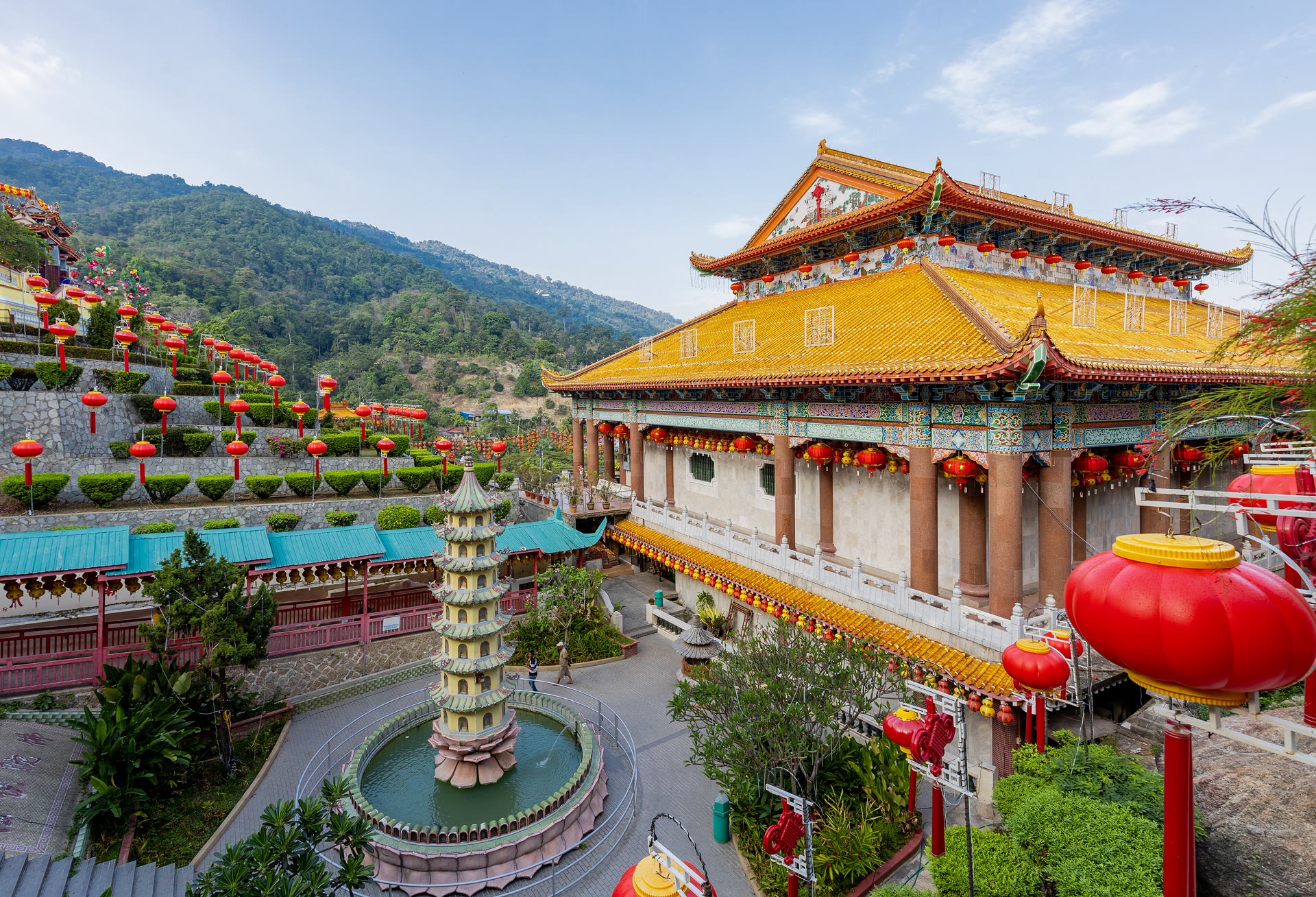
Perched on the hillside of Air Itam overlooking George Town, Kek Lok Si is a temple complex that defies expectations. It is not a single building but a sprawling collection of prayer halls, pagodas, pavilions, gardens, and a towering bronze statue of the Goddess of Mercy that can be seen from across Penang island. As the largest Buddhist temple in Malaysia and one of the most important in Southeast Asia, Kek Lok Si draws both pilgrims and travelers in equal measure, offering a blend of spiritual atmosphere, architectural variety, and panoramic hilltop views.
What makes Kek Lok Si particularly fascinating is how it brings together multiple Buddhist traditions in one place. Chinese Mahayana and Southeast Asian Theravada influences sit side by side, reflected in everything from the architectural styles of the buildings to the statues and iconography displayed throughout the complex. The temple is a visual encyclopedia of Buddhist art, and you do not need to be a scholar to appreciate the richness on display.
History of Kek Lok Si
Construction of Kek Lok Si began in 1890 under the leadership of Beow Lean, the abbot of the Goddess of Mercy Temple in George Town. He envisioned a grand temple that would serve as a center of Buddhist learning and worship for the growing Chinese community in Penang. The project took decades to complete, with the main structures finished by 1930 and additions continuing throughout the 20th century.
The temple's name translates to "Temple of Supreme Bliss," and its location on the slopes of Air Itam was chosen for the hilltop's natural beauty and auspicious feng shui. Over the decades, donations from Buddhist communities across Southeast Asia funded the ongoing expansion, adding prayer halls, gardens, and eventually the massive Kuan Yin statue that dominates the skyline today.
Things to Do
Key Highlights
The Pagoda of Ten Thousand Buddhas (Ban Po Thar)
The seven-story pagoda is the architectural centerpiece of Kek Lok Si and one of the most unusual religious structures in Malaysia. Standing 30 meters tall, it uniquely combines three distinct Buddhist architectural traditions in a single tower: a Chinese octagonal base, a middle section in Thai design, and a Burmese spiral dome crown. This deliberate fusion reflects the temple's role as a meeting point for different Buddhist traditions.
Inside, the pagoda houses thousands of Buddha images lining the walls of each level. Climbing the narrow interior staircases takes you through seven floors, each offering views through small windows over the surrounding hills and rooftops. A small admission fee of RM 2 grants access to the pagoda.
The Kuan Yin Statue
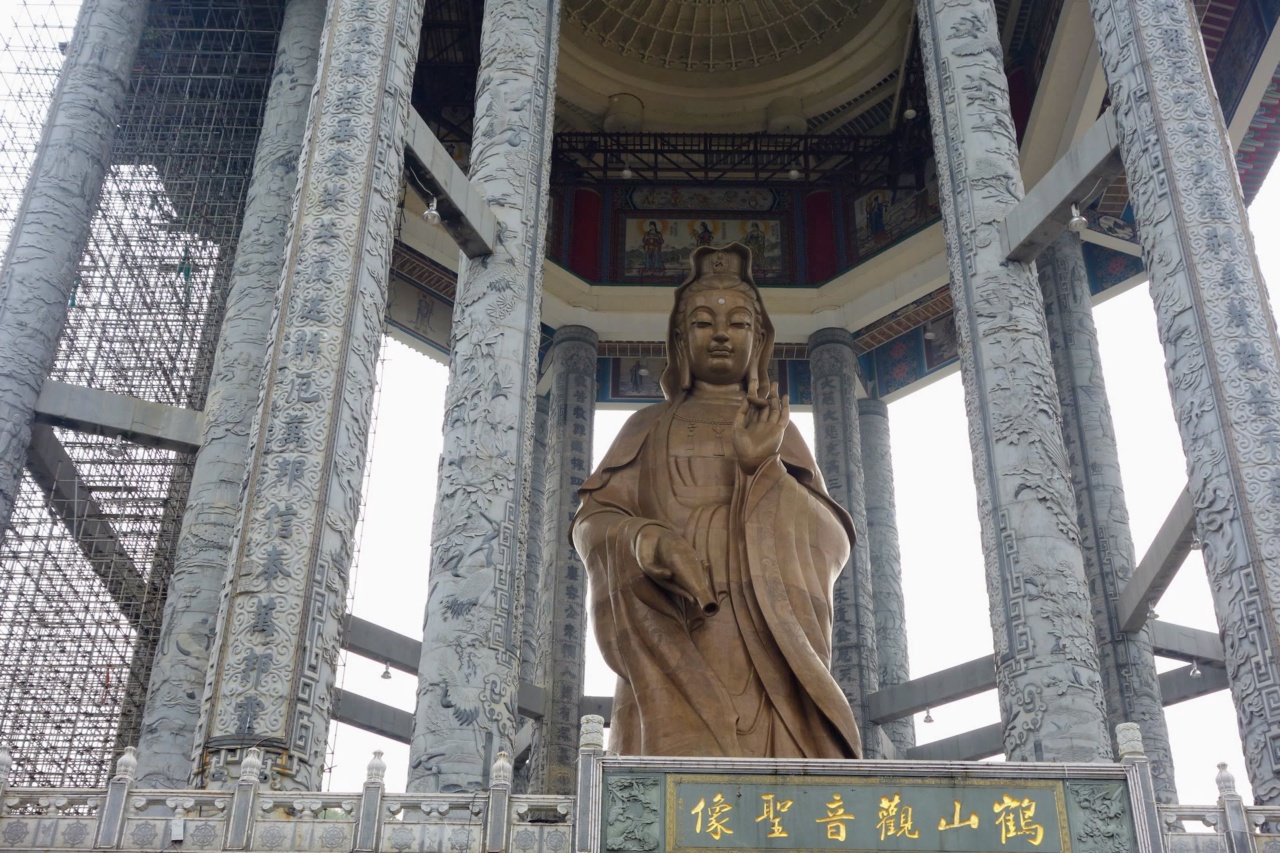
The bronze statue of Guanyin, the Goddess of Mercy, rises 30.2 meters above the hilltop and is sheltered by an ornate octagonal pavilion with a multi-tiered roof. Completed in 2002, it replaced an earlier white plaster statue that was damaged in a fire. The statue is visible from much of George Town and has become one of Penang's most recognizable landmarks.
Reaching the statue requires either climbing a long series of steps through the temple complex or taking the inclined lift (RM 16 return), which carries visitors up the steep hillside. The area around the statue offers panoramic views over Air Itam, George Town, and the coastline.
Prayer Halls and Pavilions
The complex contains numerous prayer halls of varying sizes and styles. The main prayer hall features an ornate altar with gilded Buddha statues, carved pillars, and walls hung with calligraphy scrolls. Smaller halls are dedicated to specific bodhisattvas and deities, each decorated in distinct styles that reflect Chinese, Thai, and Burmese influences. The halls are active places of worship, with devotees burning incense, making offerings, and chanting prayers throughout the day.
The Tortoise Pond and Gardens
Near the base of the complex, a large pond filled with hundreds of tortoises and turtles serves both as a scenic feature and a symbol of longevity in Buddhist tradition. Visitors can buy food to feed the turtles. The surrounding gardens feature ornamental plants, fish ponds, and stone carvings that create a peaceful transition between the bustling entrance area and the temple buildings higher up.
Chinese New Year Light-Up
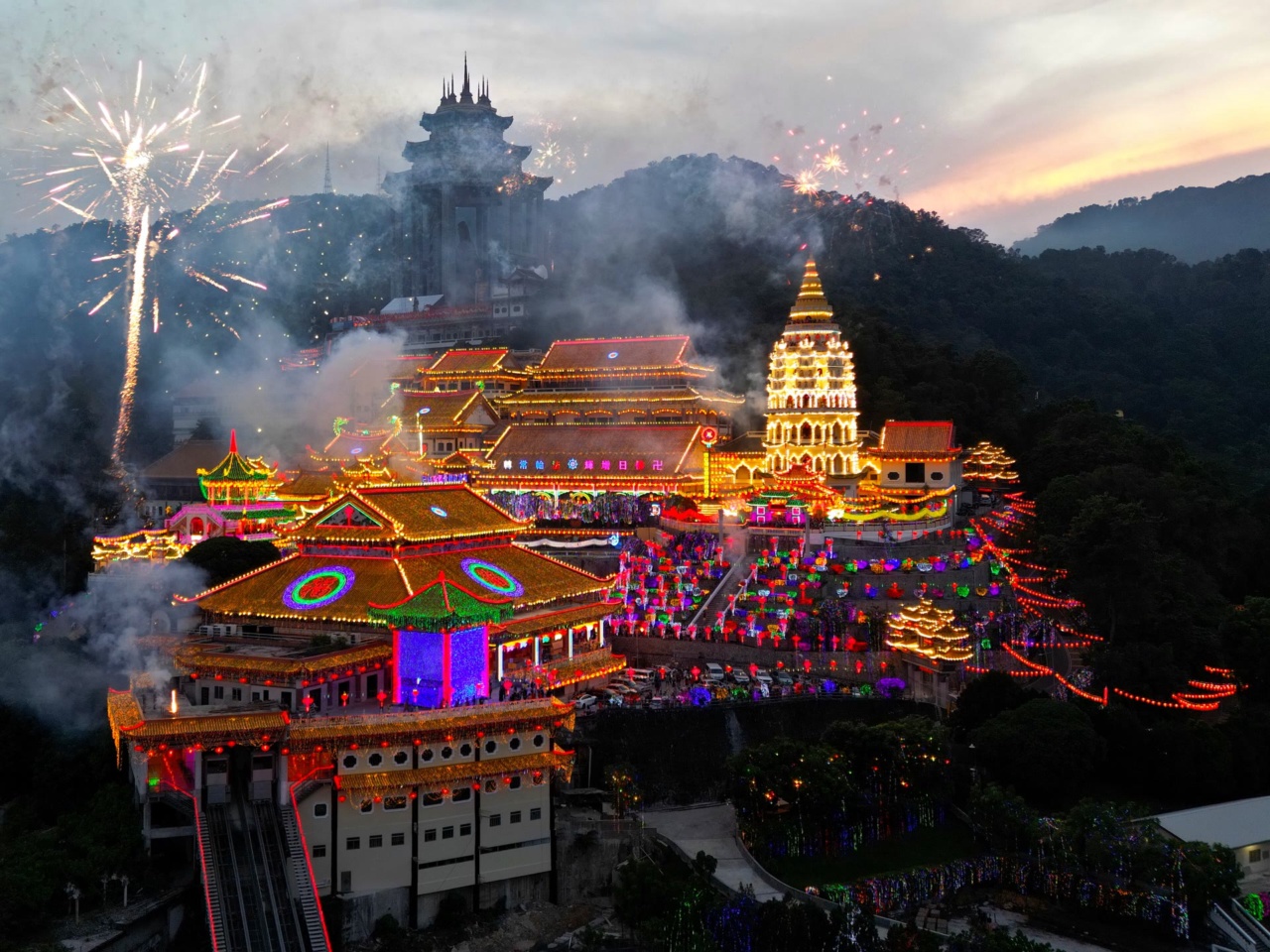
Kek Lok Si transforms during Chinese New Year into one of the most spectacular light displays in Southeast Asia. Over 200,000 fairy lights and 20,000 Chinese lanterns drape the entire temple complex, turning the hillside into a glowing cascade of color visible across George Town. The light-up typically runs from Chinese New Year's Day for about 30 days, with the temple extending its hours until 10:00 pm or later.
The combination of the illuminated pagoda, the lit-up Kuan Yin statue, and the thousands of lanterns cascading down the hillside creates a scene that is genuinely breathtaking. If your visit to Penang coincides with Chinese New Year, an evening visit to Kek Lok Si should be at the top of your list.
Practical Information
| Detail | Information |
|---|---|
| General admission | Free |
| Pagoda entrance | RM 2 |
| Inclined lift (return) | RM 16 |
| Opening hours | 8:30 to 17:30 (until 18:00 inside) |
| Chinese New Year hours | Extended to 22:00 or midnight |
| Time needed | 2 to 3 hours |
Getting to Kek Lok Si
The temple is located in Air Itam, about 8 kilometers west of George Town's heritage zone. The most convenient way to get there is by Grab, which costs around RM 10 to 15 from George Town and takes about 15 to 20 minutes. Rapid Penang bus 201, 203, or 204 also connects George Town to Air Itam, stopping near the base of the temple.
From the drop-off point, a covered walkway lined with souvenir shops and food stalls leads uphill to the temple entrance. This walkway is part of the experience, selling everything from Buddhist artifacts to Penang snacks. The walk takes about 10 minutes and sets the scene for the temple complex above.
Kek Lok Si pairs well with a trip to Penang Hill, which is located nearby. The funicular railway to the summit of Penang Hill departs from a station just a short drive from the temple, making it easy to combine both attractions in a half-day outing. For more Penang guides and Malaysia travel tips, visit GoAsia.cc.
Tips for Visiting Kek Lok Si
- Wear comfortable shoes. The complex involves significant uphill walking and many staircases. The inclined lift helps with the steepest section, but comfortable footwear is essential throughout.
- Dress modestly. As an active place of worship, covering shoulders and wearing trousers or a long skirt is respectful. Shoes must be removed before entering prayer halls, so slip-on footwear is practical.
- Visit during Chinese New Year for the lights. The annual light-up is one of Penang's most spectacular events. Come after dark to see the full effect, and expect larger crowds than usual.
- Go in the morning for fewer crowds. Tour buses arrive from late morning onward. Arriving when the temple opens at 8:30 gives you a quieter experience and better light for photography.
- Take the inclined lift up, walk down. The lift saves energy for the steepest section. Walking down through the different levels lets you explore at your own pace and discover smaller halls and details you might miss on the way up.
- Bring water. The climb through the complex is warm and humid. No food or drinks are sold inside the temple area itself, though the entrance walkway has plenty of vendors.
- Allow enough time. Many visitors rush through in 30 minutes and miss the smaller halls, the garden areas, and the views from the upper levels. Two to three hours lets you appreciate the full scope of the complex.
Frequently Asked Questions
Kek Lok Si is the largest Buddhist temple in Malaysia and one of the most important in Southeast Asia. Its pagoda uniquely combines Chinese, Thai, and Burmese architectural styles in a single structure. The complex includes a 30-meter bronze Kuan Yin statue, multiple prayer halls, and gardens spread across a hillside overlooking Penang.
General entry to the temple complex is free. The pagoda costs RM 2 to enter, and the inclined lift to the Kuan Yin statue level costs RM 16 for a return trip. Overall, a visit to Kek Lok Si is very affordable, with total costs under RM 20 even with the lift and pagoda.
A Grab ride from George Town costs RM 10 to 15 and takes about 15 to 20 minutes. Rapid Penang buses 201, 203, and 204 also connect George Town to Air Itam near the temple base. From the drop-off point, a covered walkway lined with shops leads uphill for about 10 minutes to the temple entrance.
Allow 2 to 3 hours to explore the full complex including the pagoda, prayer halls, gardens, tortoise pond, and the Kuan Yin statue level. Rushing through in under an hour means missing many of the smaller halls and detailed artwork that make the temple special.
For the quietest experience, visit on a weekday morning when the temple opens at 8:30. For the most spectacular experience, visit during the Chinese New Year light-up when over 200,000 lights and 20,000 lanterns illuminate the entire complex after dark. The light-up runs for about 30 days after Chinese New Year.
During Chinese New Year, the temple is decorated with over 200,000 fairy lights and 20,000 Chinese lanterns that cover the entire hillside complex. The display runs nightly for about 30 days, with the temple staying open until 10:00 pm or midnight. It is one of the most spectacular light displays in Southeast Asia.
Yes, the two attractions are very close together. The Penang Hill funicular railway station is a short drive from Kek Lok Si. Many visitors do the temple in the morning and Penang Hill in the afternoon, or vice versa, making for a full half-day excursion from George Town.
The temple involves significant uphill walking and many staircases. The inclined lift covers the steepest section between the main complex and the Kuan Yin statue, which helps considerably. However, navigating between the various prayer halls and the pagoda still requires climbing steps. The lower sections including the tortoise pond and main entrance area are more accessible.