Danum Valley Borneo: Exploring One of Earth's Oldest Rainforests
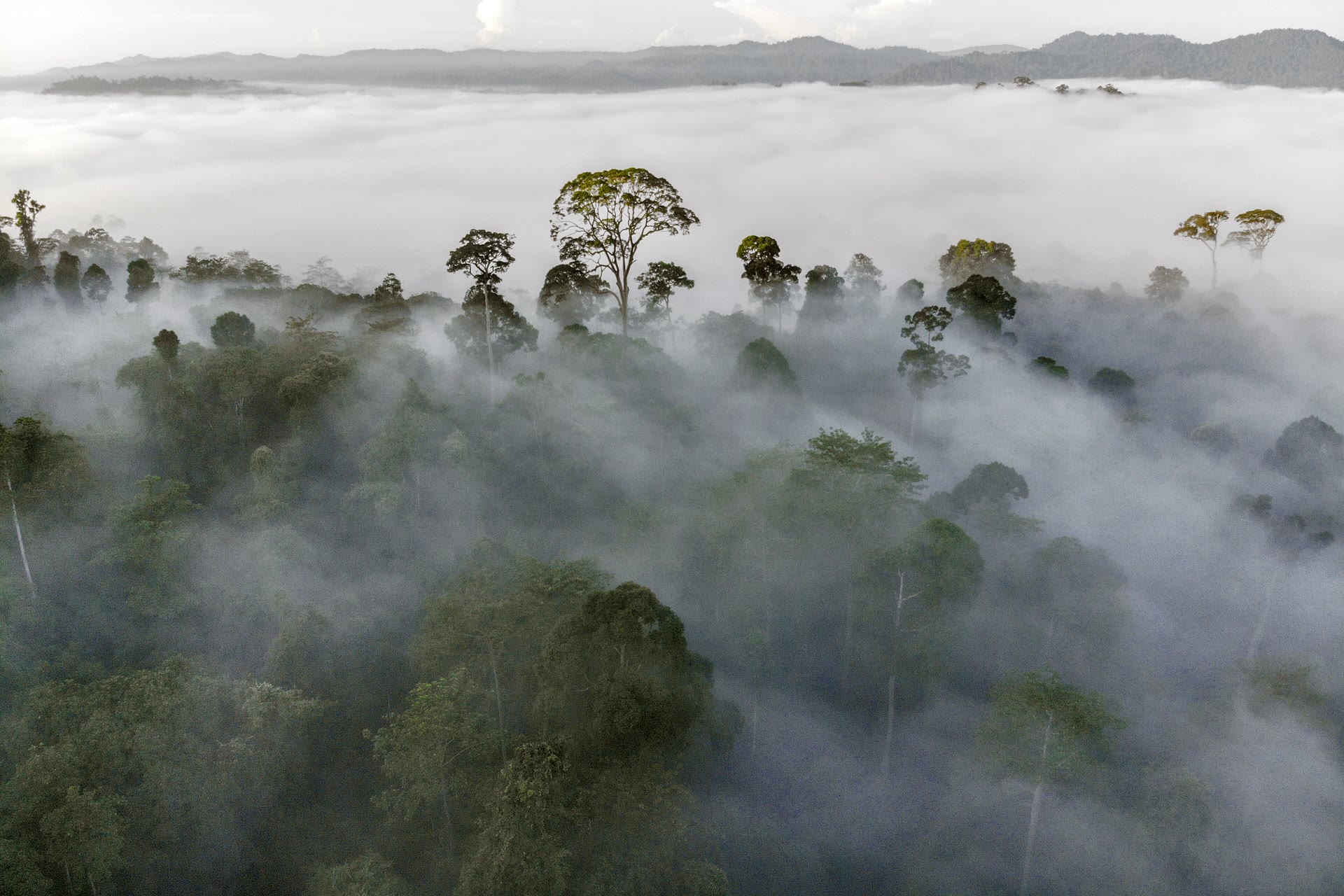
Danum Valley is the real thing. While much of Borneo's lowland rainforest has been logged, converted to palm oil plantations, or degraded beyond recognition, this 438-square-kilometer conservation area in Sabah remains virtually untouched. The forest here is estimated to be 130 million years old, making it one of the most ancient and complex ecosystems on the planet. Walking beneath its canopy feels like stepping into a living encyclopedia of tropical biodiversity.
This is not a manicured national park with paved paths and visitor centers. Danum Valley is raw, remote, and genuinely wild. The nearest town is a three-hour drive away on logging roads. There is no mobile phone signal. The sounds at night include the calls of clouded leopards, the rustle of flying squirrels, and the haunting chorus of insects. For anyone who wants to experience primary tropical rainforest as it existed long before humans arrived, Danum Valley is one of the last places on earth where that is still possible.
Wildlife of Danum Valley
The biodiversity statistics alone are staggering: 340 bird species, 124 mammal species, 72 reptile species, and thousands of plant species packed into a single conservation area. But the numbers only hint at the richness of what you can actually encounter here.
Mammals
- Bornean orangutans - Wild orangutans nest and forage in the canopy throughout the valley. Sightings on guided walks are not uncommon, particularly along the trails near the lodge where fruiting trees attract them.
- Borneo pygmy elephants - Herds occasionally pass through the valley, sometimes walking right through the lodge grounds. These encounters are unpredictable but unforgettable when they happen.
- Clouded leopards - Danum Valley is one of the best places in Borneo for potential clouded leopard sightings, though these elusive cats are mostly active at night and remain difficult to spot.
- Proboscis monkeys - While more commonly associated with riverine habitats, proboscis monkeys are occasionally seen in the forest along the Danum River.
- Gibbons - The morning calls of Bornean gibbons echo through the canopy and are one of the defining sounds of Danum Valley. Guides can often locate them by following their calls.
- Other mammals - Sambar deer, bearded pigs, sun bears, western tarsiers, slow lorises, civets, and multiple species of flying squirrel all inhabit the valley.
Birds
With over 340 recorded species, Danum Valley is a premier birding destination. Eight species of hornbill live here, including the rhinoceros hornbill and helmeted hornbill. The valley also supports pittas, trogons, broadbills, and the rare Bornean bristlehead, one of the most sought-after birds in Southeast Asia. Early morning walks with a knowledgeable guide offer the best birding opportunities.
Reptiles and Amphibians
The forest floor and riverbanks support a diverse reptile community including monitor lizards, flying lizards, several snake species, and an extraordinary variety of frogs. Night walks regularly turn up species not visible during the day, including the Bornean horned frog and various tree frogs with dazzling colors.
Things to Do
Activities and Experiences
Canopy Walkway
The Danum Valley Canopy Walkway stretches approximately 300 meters through the upper forest at heights reaching 26 meters above the ground. Connected by suspension bridges and observation towers, the walkway gives you a perspective of the rainforest that ground-level trails cannot match. From up here, you can look across the unbroken canopy stretching to the horizon, observe birds and squirrels at eye level, and appreciate the sheer scale of the forest in a way that feels both humbling and exhilarating.
Jungle Trekking
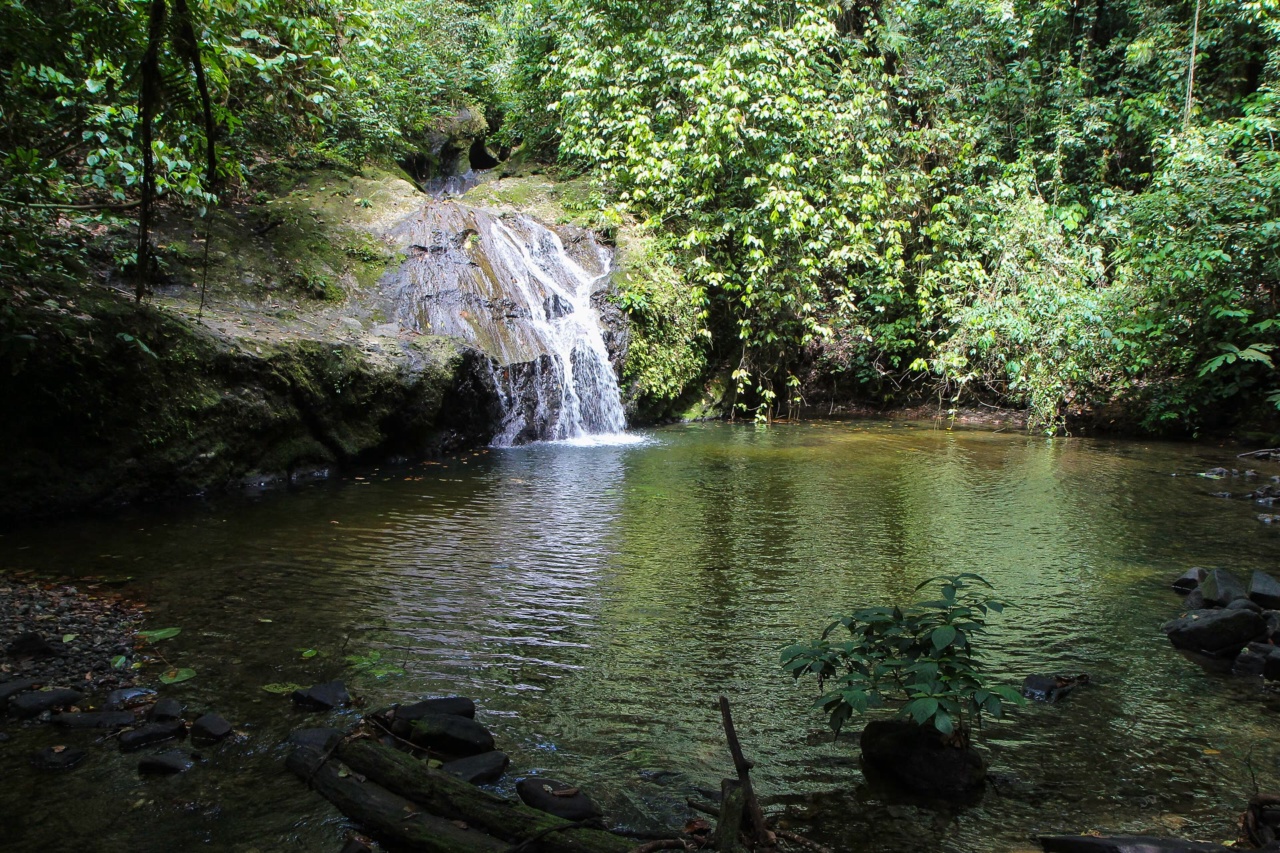
A network of well-maintained trails radiates from the lodge area into the surrounding forest. Guided walks range from easy one-hour strolls along the river to challenging full-day treks to remote waterfalls and ridgelines. The Fairy Falls and Serpent Falls trails lead to beautiful waterfalls where you can swim in clear, cool water surrounded by towering trees. All walks are led by experienced local guides who read the forest with remarkable skill, spotting animals and plants that most visitors would walk right past.
Night Walks and Night Safaris
The rainforest comes alive after dark. Guided night walks along the trails reveal a completely different cast of characters: flying squirrels gliding between trees, sleeping birds perched motionless on branches, hunting snakes, luminescent fungi, and insects of startling size and variety. Night drives along the access road sometimes produce sightings of civets, deer, and occasionally a clouded leopard crossing the road in the headlights.
River Tubing
A gentle float down the Danum River on an inflatable tube offers a relaxing break from jungle trekking. The crystal-clear river winds through the forest, and the perspective from water level reveals overhanging trees, kingfishers diving for fish, and monitor lizards basking on the banks.
Coffin Cliff
A short trek leads to an ancient Kadazandusun burial site where wooden coffins are wedged into a limestone cliff face high above the ground. This site offers a rare glimpse into the spiritual practices of Borneo's indigenous peoples and adds a cultural dimension to the otherwise nature-focused experience.
Where to Stay
| Option | Level | Price (3D2N, per person) | Includes |
|---|---|---|---|
| Borneo Rainforest Lodge | Premium eco-lodge | From RM 2,000 ($450+) | Meals, guided activities, transfers |
| Danum Valley Field Centre | Research station | From RM 1,500 ($330+) | Basic meals, guided walks |
The Borneo Rainforest Lodge is the primary tourist accommodation, featuring 24 timber chalets with private bathrooms and balconies overlooking the river or forest. The lodge operates as an all-inclusive package: meals, guided walks, night drives, canopy walkway access, and river tubing are all included. The food is excellent, with a mix of local and international dishes served in an open-air dining hall.
The Danum Valley Field Centre was originally built for researchers but now accepts paying visitors. Accommodation is simpler, with basic rooms and shared or private facilities depending on the package. The field centre offers a more stripped-back experience that appeals to serious wildlife enthusiasts and those on tighter budgets.
Both options require advance booking, as permits and transport need to be arranged.
Getting to Danum Valley
The gateway town is Lahad Datu on the east coast of Sabah. Flights connect Lahad Datu with Kota Kinabalu (about 45 minutes). From Lahad Datu, a 2.5 to 3 hour drive on logging roads leads to the conservation area. The road is unpaved and rough in places, but the journey itself passes through logged and regenerating forest, providing a stark visual lesson in why places like Danum Valley matter.
All lodge packages include transfers from Lahad Datu, so you only need to arrange your flight. Some travelers combine Danum Valley with Sipadan diving or Kinabatangan River safaris for a comprehensive Sabah wildlife itinerary. For more Borneo adventures and travel planning, visit GoAsia.cc.
Best Time to Visit
Danum Valley can be visited year-round, as wildlife is present in all seasons. The drier months from March to October generally offer more comfortable trekking conditions with fewer leeches and less muddy trails. The wetter months from November to February bring heavier rainfall, but the rain typically comes in afternoon bursts rather than all-day downpours. Some wildlife, particularly amphibians, is actually more active during the wet season.
Tips for Visiting Danum Valley
- Book well in advance. The Borneo Rainforest Lodge has limited capacity and fills up months ahead during peak season. Book as early as possible, especially for visits between March and September.
- Stay at least two nights. Three days gives you enough time for morning walks, afternoon treks, night safaris, and the canopy walkway. A single night is too rushed to appreciate the forest's rhythms.
- Pack leech socks. Leeches are present on the forest floor, especially after rain. Leech socks (or long socks pulled over trouser cuffs) prevent them from reaching your skin. They are a nuisance, not a danger, but preparation helps.
- Bring binoculars and a camera with a zoom lens. Many animals are in the canopy or at a distance. Good optics transform your wildlife encounters from distant shapes into detailed observations.
- Listen to your guide. The local guides have spent years learning this forest. They can identify birds by call, spot camouflaged animals, and find medicinal plants. Following their lead dramatically improves your experience.
- Accept the remoteness. There is no mobile signal and no wifi at the lodge. This disconnection from the outside world is part of what makes Danum Valley special. Embrace it.
- Bring insect repellent and long clothing. Mosquitoes are present, and long sleeves and trousers are recommended for all walks. Light, breathable fabrics work best in the tropical heat.
- Do the night walk. Many visitors skip it in favor of rest, but the nocturnal wildlife is extraordinary and represents a completely different experience from daytime trekking.
Frequently Asked Questions
Danum Valley protects 438 square kilometers of virtually untouched primary rainforest estimated to be 130 million years old. Unlike most of Borneo's lowland forests, it has never been logged. This pristine state supports extraordinary biodiversity including 340 bird species, 124 mammal species, and rare animals like clouded leopards and orangutans in genuinely wild conditions.
A 3-day, 2-night package at the Borneo Rainforest Lodge starts from around RM 2,000 (approximately $450) per person, including meals, guided activities, and transfers from Lahad Datu. The Danum Valley Field Centre offers simpler accommodation from around RM 1,500 per person. The conservation area entrance fee is RM 60 for non-Malaysians.
Fly to Lahad Datu in Sabah from Kota Kinabalu (about 45 minutes). From Lahad Datu, all lodge packages include a 2.5 to 3 hour transfer on logging roads to the conservation area. You cannot visit independently without pre-arranged permits and transport through one of the accommodation providers.
Commonly seen animals include orangutans, gibbons, various monkeys, hornbills, and flying squirrels. Borneo pygmy elephants occasionally pass through the area. Night walks reveal civets, tarsiers, slow lorises, and countless insects and amphibians. Clouded leopards are present but rarely seen. Over 340 bird species make this a world-class birding destination.
A minimum of two nights (three days) is recommended to experience the forest's rhythms, do morning and night walks, visit the canopy walkway, and trek to waterfalls. Three nights is even better for maximizing wildlife encounters. Single-night visits are too rushed to appreciate this remote destination.
The drier months from March to October offer the most comfortable conditions with less mud and fewer leeches. However, wildlife is present year-round and some species are more active in the wetter months from November to February. Rain typically falls in afternoon bursts, leaving mornings clear for activities.
The lodge is comfortable and the guided walks can be adapted for different fitness levels. However, the remote location, presence of leeches, lack of mobile signal, and jungle environment mean it is best suited for older children who enjoy nature. Very young children may find the long transfer and forest walks challenging.
Essential items include leech socks, insect repellent, long lightweight clothing, comfortable hiking shoes, binoculars, a camera with zoom lens, a headlamp for night walks, and a rain jacket. There is no mobile signal or wifi, so bring books or a journal for downtime. The lodge provides towels and basic toiletries.