Redang Island: Beaches, Marine Park and Boat Access
Photo: Zhen zz / Unsplash
Contents
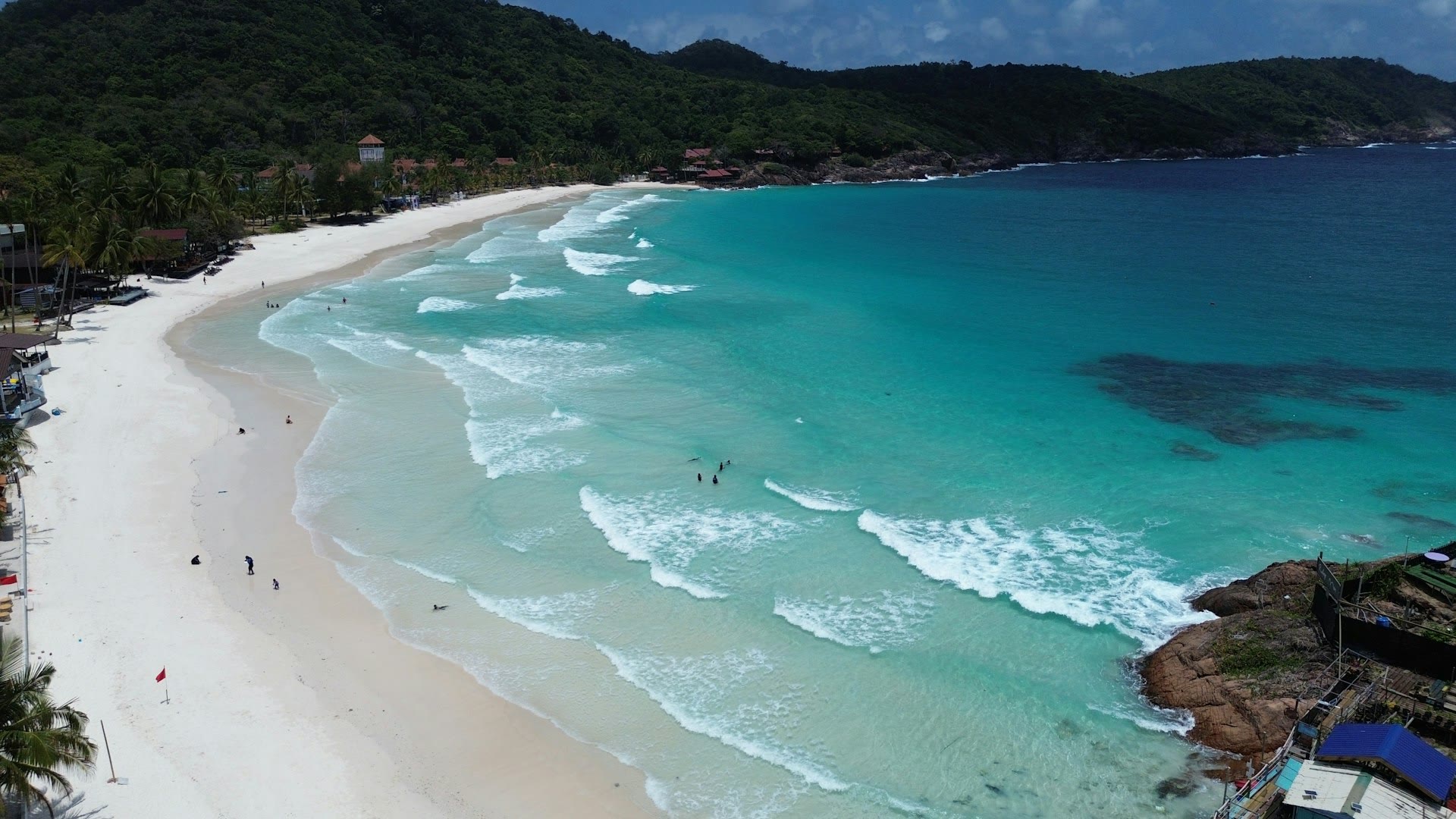
Redang lies about 45 kilometres off Kuala Terengganu on Malaysia's east coast. It is the largest of a group of nine islands, with turquoise water, white sand and coral reefs.[1] In 1985 the waters up to seven nautical miles around the archipelago were gazetted as a Marine Park.[1] The resort beaches and the marine-park dive sites are different parts of a trip, so check which island, beach and snorkelling or diving sites your booking includes. See also the Tourism Malaysia Redang overview.
Choose a beach or marine-park focus
Redang has two beaches. Pasir Panjang, or Long Beach, lies on the east coast, and Teluk Dalam Kecil is a sheltered cove on the northeast side.[2] The water is clear enough for snorkelling and diving, and at the Marine Park Centre wrasses, sergeant majors and breams swarm around snorkellers while divers can meet black-tip sharks.[2] Dive sites include Terumbu Kili, Big Mount, Mini Mount and Tanjung Tokong.[1] Ask your resort or boat provider which area its package visits, because not every stay includes the same beach or boat outing. The Tourism Malaysia guide to the Terengganu islands has more detail.
Things to Do
Offers are only loaded from GetYourGuide after you click. GetYourGuide can then process your IP address and set cookies. Privacy Policy
GetYourGuide partner offers. GoAsia may earn a commission if you book through these offers. Check whether tickets or transfers are included, and follow the attraction's official booking and admission rules.
Check the marine-park charge separately
Visitors to Marine Parks Malaysia pay a conservation charge under the Fees (Marine Parks Malaysia) Order 2017. Adults pay RM 5 with a MyKad and RM 30 without. Children aged 6 to 12 and senior citizens aged 60 and above pay RM 2 with a MyKad and RM 15 without, and disabled visitors are free. Residents of islands surrounded by Marine Parks are exempt.[3] Ask your resort or boat operator whether the charge is included in your package and where it is collected. The Department of Fisheries conservation-charge schedule has the current categories.
Match the jetty to your provider
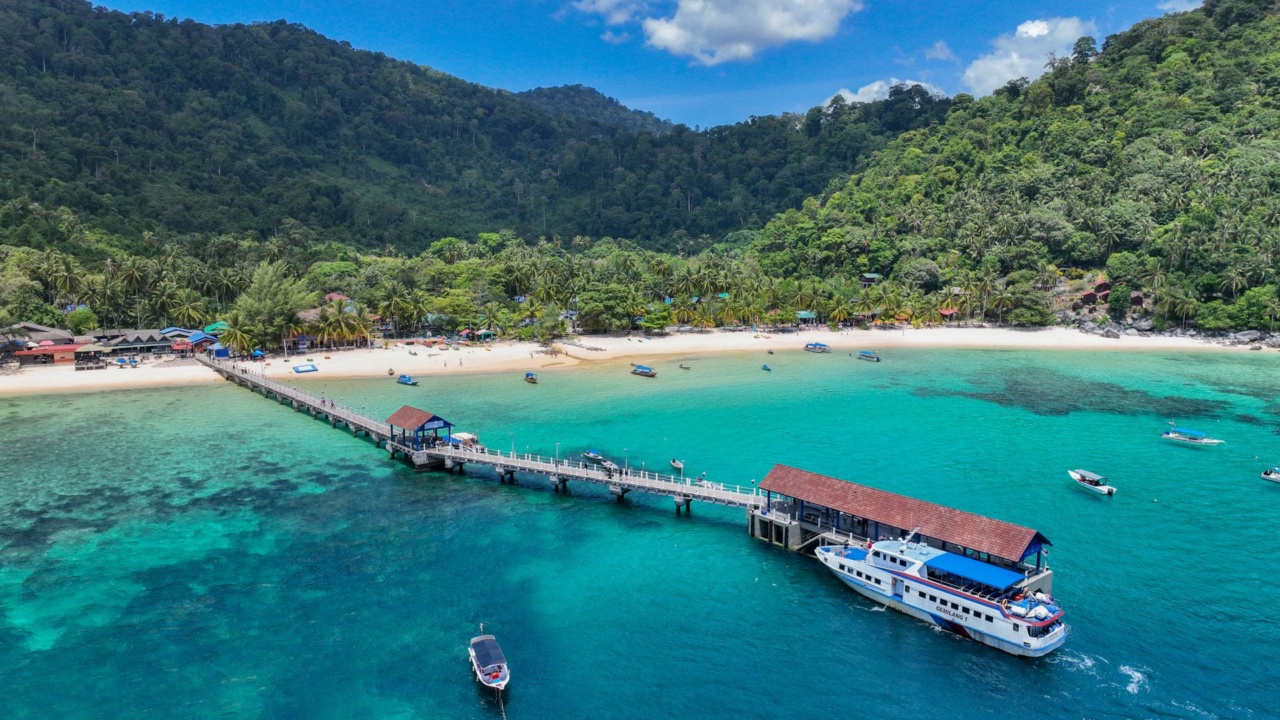
Boats to Redang leave from Shahbandar Jetty in Kuala Terengganu, and the ride takes about 1½ hours.[2] Many resorts use a different jetty. Redang Holiday Beach Resort, for example, sends all its guests through Merang Jetty, where the transfer departs between 08:30 and 10:30. Guests must arrive by 10:15 for the last boat at 10:30, and the resort confirms the exact boat time one day before check-in.[4] Weather and sea conditions can change boat schedules.[4] The return boat from the island leaves around 09:00 to 10:00, so book flights or buses after 14:00.[4] Confirm your jetty, check-in time and return boat with the property or operator you booked. Redang Holiday Beach Resort explains the route in its own arrival instructions.
Check seasonal resort operations
During the northeast monsoon, resorts on Redang close for a few months, normally between November and February. The best time to visit is between March and October.[1] Opening dates differ from resort to resort, so confirm them and your boat before you book flights or ground transport.
For onward planning, see our Malaysia travel guide.
Sources and background
Numbers in the text such as [1] refer to these sources.
- [1] Tourism Malaysia, Malaysia Tourism Promotion Board: Redang Island. Retrieved October 21, 2026.
- [2] Tourism Malaysia, Malaysia Tourism Promotion Board: Islands of Terengganu. Retrieved October 21, 2026.
- [3] Department of Fisheries Malaysia: Conservation Charge and Fee Rates. Retrieved October 21, 2026.
- [4] Redang Holiday Beach Resort: Getting Here. Retrieved October 21, 2026.
Frequently Asked Questions
Redang is the island with the resort beaches. The waters around it form a Marine Park, with a conservation charge and dive and snorkelling sites such as the Marine Park Centre. Ask which beach, island and boat stop your booking covers.
Pasir Panjang, also called Long Beach, lies on the east coast, and Teluk Dalam Kecil is a sheltered cove on the northeast. Compare the location of your resort and confirm which beach it serves.
Adults pay RM 5 with a MyKad and RM 30 without. Children aged 6 to 12 and senior citizens aged 60 and above pay RM 2 with a MyKad and RM 15 without. Disabled visitors are free, and residents of islands surrounded by Marine Parks are exempt.
It depends on your resort or boat provider. Boats from Kuala Terengganu leave from Shahbandar Jetty, while Redang Holiday Beach Resort sends its guests through Merang Jetty. Confirm your departure point with the provider you booked.
Redang Holiday Beach Resort's transfers leave Merang Jetty between 08:30 and 10:30, and the resort confirms the exact time one day before check-in. Weather and sea conditions can change schedules. Check with your own resort or operator.
Resorts on the island usually close for a few months during the northeast monsoon, normally between November and February. The best time to visit is between March and October. Confirm dates and transfers with your resort.
It depends on the package. Ask your resort or operator whether the conservation charge is included and where it is collected.
Confirm the resort's operating dates, the correct jetty, check-in and boat times, the return transfer and the conservation charge. Leave enough time for your onward connection in case a boat is delayed.