Kuala Lumpur is a city of dramatic contrasts where gleaming supertall towers rise above colonial-era shophouses and century-old Hindu temples sit in the shadow of futuristic malls.
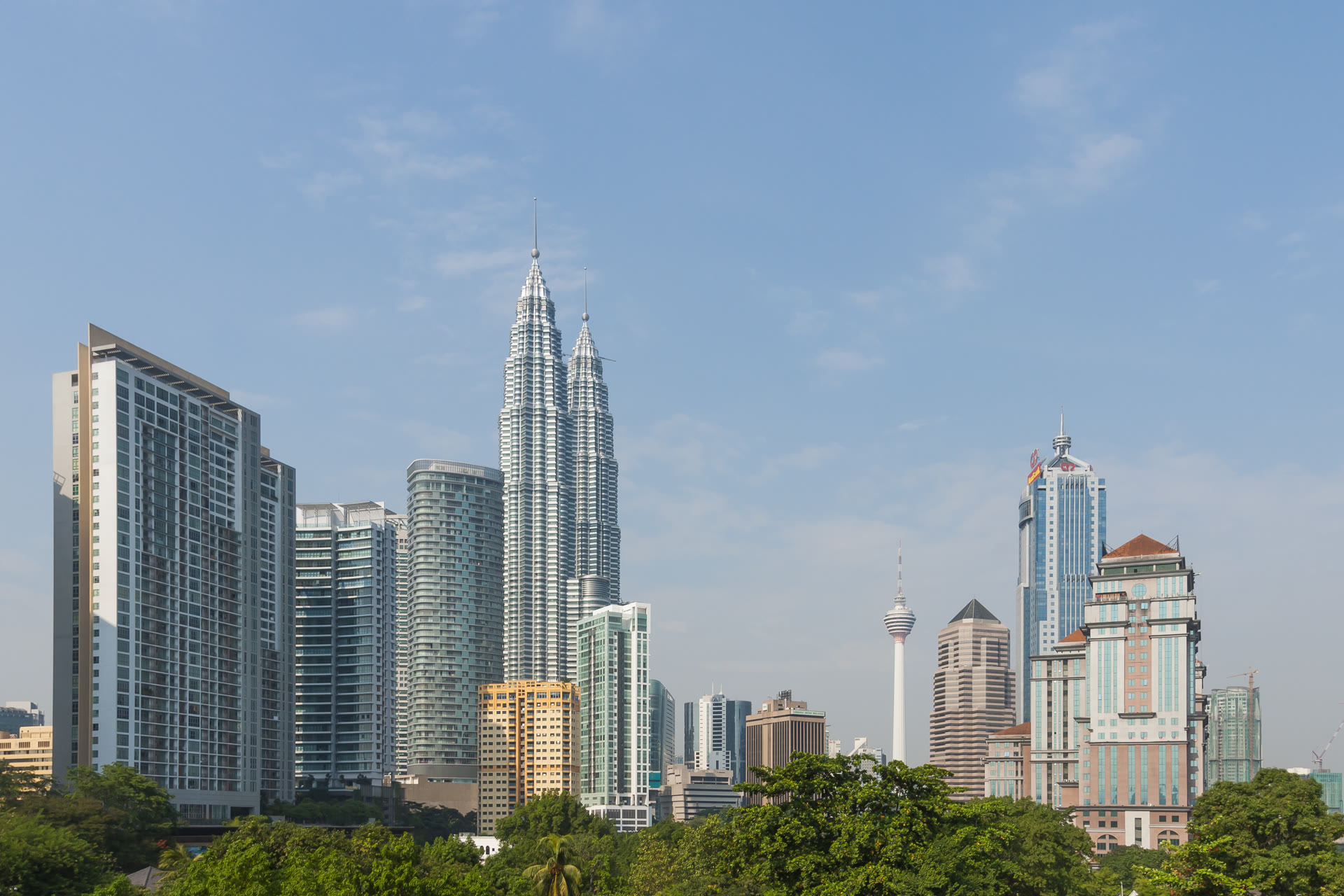
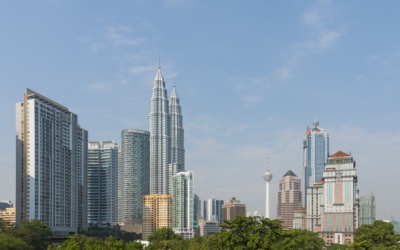
The first thing most visitors notice about Kuala Lumpur is the skyline. The Petronas Twin Towers punch through the haze like twin silver rockets, but look lower and you will find a city layered with surprises: Art Deco train stations, incense-filled Chinatown alleys, rooftop bars perched above the canopy of tropical trees, and hawker stalls where a plate of nasi lemak is a cheap, filling breakfast. KL does not demand you choose between tradition and modernity because it stacks them on top of each other, often on the same street.
Malaysia's capital is also one of the most ethnically diverse cities in Asia. Malay, Chinese, Indian, and indigenous communities have shaped distinct neighborhoods, each with its own food culture, architecture, and rhythm. This diversity is KL's secret weapon: you can eat roti canai for breakfast in Brickfields, slurp laksa in a Chinatown kopitiam at lunch, and sit down to a refined Malay tasting menu for dinner, all within a few kilometers.
KL is not a walking city in the European sense. The heat, sprawl, and patchy sidewalks mean you will rely on the efficient rail network and cheap ride-hailing apps. But once you accept that rhythm, the city opens up. It is endlessly edible and easy on the wallet, with a more local feel than the biggest regional tourist hubs. For first-time visitors to Southeast Asia, it is one of the easiest entry points; for veterans, it is the underrated capital that keeps pulling people back.
A note on language: English is widely spoken across KL, menus are usually bilingual, and signage in the transit system is in both Malay and English. You will rarely feel lost or unable to communicate.
Orientation and Neighborhoods
Kuala Lumpur sprawls outward from a historic core near the confluence of the Klang and Gombak rivers, the muddy meeting point that gave the city its name ("Muddy Confluence"). The key areas for visitors form a rough north-south corridor connected by rail lines.
KLCC and the Golden Triangle
This is the postcard zone: the Petronas Twin Towers, Suria KLCC mall, and KLCC Park sit at its heart. Surrounding streets like Jalan Bukit Bintang and Jalan Alor form the Golden Triangle, KL's main shopping and nightlife district. Stay here for walkable access to malls, rooftop bars, and the towers. Hotels range from luxury to solid mid-range.
Chinatown (Petaling Street)
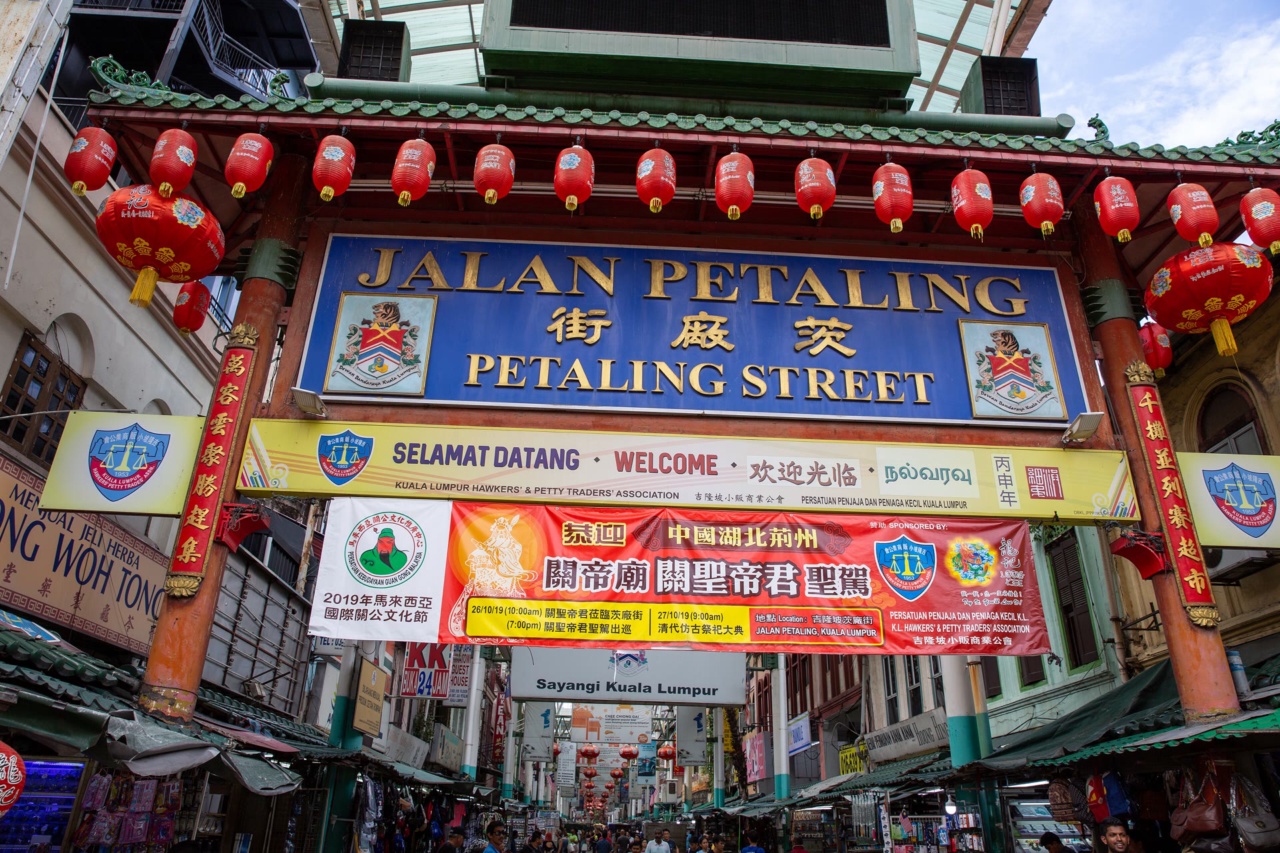
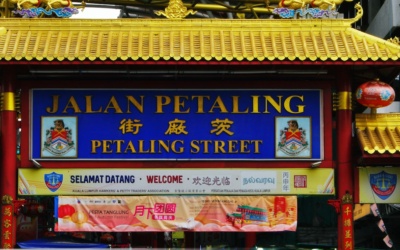
The oldest and most atmospheric part of KL, centered on Jalan Petaling's covered market and the surrounding grid of pre-war shophouses. This is where you find heritage temples like Sin Sze Si Ya and Chan She Shu Yuen, plus some of the city's best street food. Budget accommodation clusters here, and the Pasar Seni MRT station provides easy access.
Immediately south of KL Sentral, Brickfields is a compact Indian enclave packed with banana-leaf rice restaurants, sari shops, and flower garland vendors. It is the most convenient neighborhood if you are arriving by train or airport rail link, and budget hotels here are good value.
Bangsar
A leafy, upscale residential neighborhood south of the center, popular with expats and young professionals. Bangsar has excellent restaurants, wine bars, and weekend brunch spots. It is connected by LRT and feels calmer than the Golden Triangle.
Bukit Bintang
Overlapping with the Golden Triangle, Bukit Bintang is the retail and entertainment spine. Pavilion KL, Lot 10, and the bustling Jalan Alor food street are all here. This is the most convenient base for first-time visitors who want everything within walking distance.
Kampung Baru
A traditional Malay village that has survived in the shadow of the Petronas Towers. Wooden stilt houses, a famous night market, and some of the best Malay food in the city. It is fascinating to visit but has very limited accommodation.
Things to Do
Offers are only loaded from GetYourGuide after you click. GetYourGuide can then process your IP address and set cookies. Privacy Policy
GetYourGuide partner offers. GoAsia may earn a commission if you book through these offers. Check whether tickets or transfers are included, and follow the attraction's official booking and admission rules.
Best Time to Visit
KL sits near the equator, so it is hot and humid all year and there is no cool season. The main variable is rain: Malaysia's Northeast Monsoon from November to March is the main rainy season, while the Southwest Monsoon from late May to September is relatively drier.[1]
Period
Weather
Crowds
November to March
Northeast Monsoon, the main rainy season
High around the year-end holidays
Late May to September
Southwest Monsoon, relatively drier
Higher in school holiday periods
Afternoon thunderstorms are common almost year-round but rarely last more than an hour or two. They should not deter you; just carry a compact umbrella and plan indoor activities for mid-afternoon. The drier months from late May to September are the easiest for sightseeing.
Notable events worth timing around include Thaipusam (usually January or February) at Batu Caves, one of the most visually intense Hindu festivals anywhere; Hari Raya Aidilfitri (dates shift yearly), when the city lights up and open houses welcome visitors; and the annual KL food festivals that pop up throughout the year.
Getting There and Getting Around
Kuala Lumpur International Airport (KLIA) is the main gateway. The KLIA Ekspres train runs every 20 minutes and reaches KL Sentral from Terminal 1 in 28 minutes; Terminal 2, which budget airlines use, is 3 minutes further along the same line.[2] A single adult fare is RM55.[2]
Within KL, the rail network is good and growing. It includes the LRT (Kelana Jaya, Ampang, Sri Petaling and Shah Alam lines), the MRT (Kajang and Putrajaya lines), the KL Monorail and the KTM Komuter trains.[3][4] Rail services run daily from 6 am to midnight, and a stored-value travel card saves you queuing at the ticket machines.[3] Coverage is good in the central corridor and thinner in the suburbs.
Grab is essential for filling gaps. The app shows the fare before you book. Regular taxis exist but metered fares are less predictable; always insist on the meter or use Grab instead. For detailed transport options and route planning across Malaysia, GoAsia.cc has useful resources.
Walking is feasible within specific neighborhoods like Bukit Bintang or Chinatown, but connecting neighborhoods on foot is often unpleasant due to heat, broken sidewalks, and highway overpasses. KL is a ride-and-rail city, not a walking city.
Top Sights and Experiences
Must-See Attractions
Petronas Twin Towers and KLCC Park: Even if you skip the skybridge visit, the towers are mesmerizing from ground level, especially at night. KLCC Park, at their base, is a beautifully landscaped green space with a free wading pool for kids and a jogging track shaded by rain trees. Budget at least an hour for the park and photos; if you want the skybridge and observation deck, book tickets online in advance as they sell out.
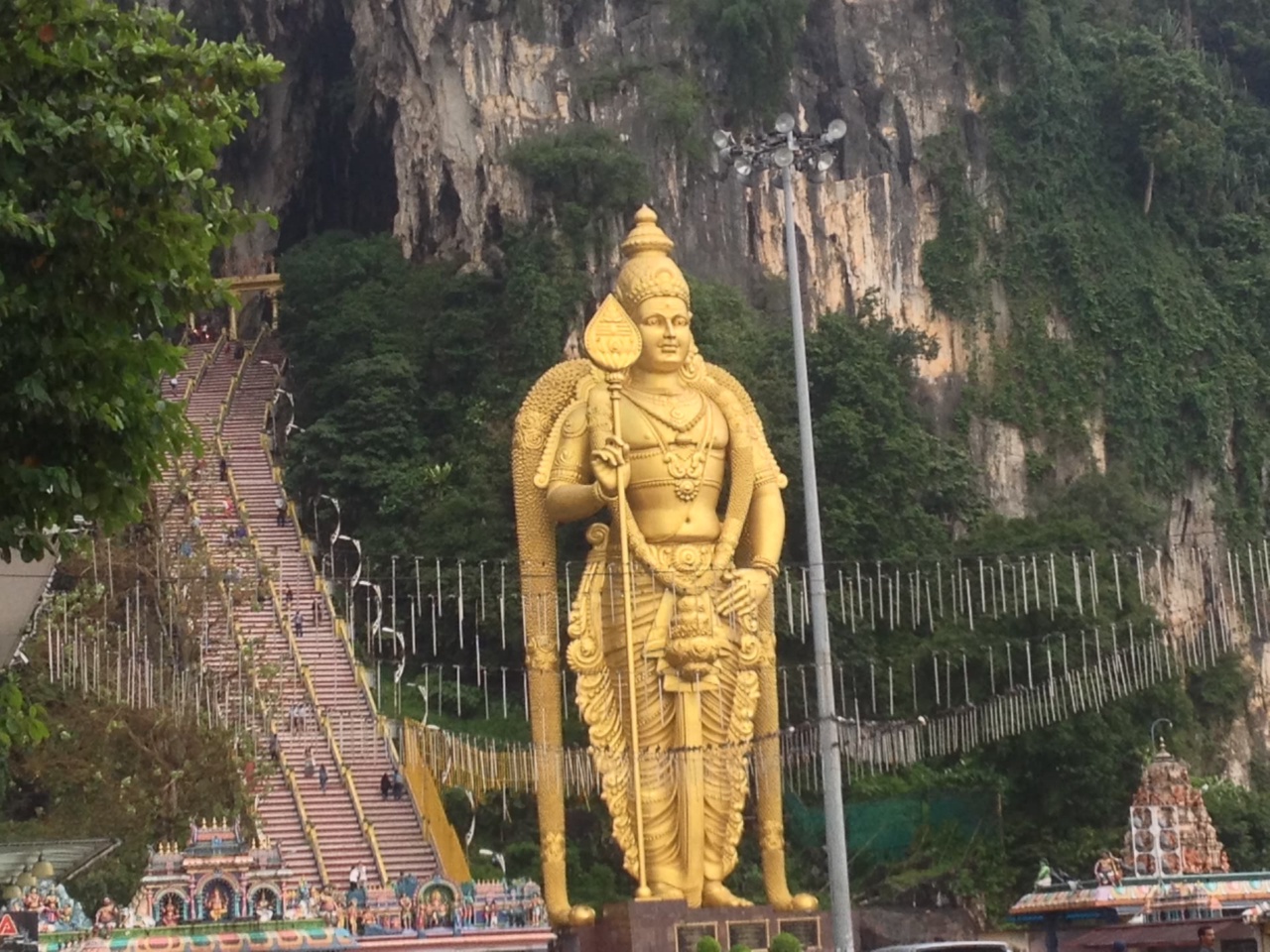
Batu Caves: A massive limestone cave complex just north of the city, home to a Hindu temple reached by climbing 272 rainbow-painted steps, with macaques along the way.[5] The golden statue of Lord Murugan at the foot of the stairs is over 140 feet tall.[5] Go early in the morning, ideally before 8 AM, to beat the heat and the crowds outside the Thaipusam festival. Take the KTM Komuter train to Batu Caves station and walk about 5 minutes.[5] Watch your belongings around the macaques.
Merdeka Square and Sultan Abdul Samad Building: The open field where Malaysian independence was declared, flanked by a stunning Moorish-style government building. Nearby, the KL City Gallery offers a good orientation to the city's history. The surrounding heritage zone is walkable and includes the beautiful Masjid Jamek mosque at the river confluence.
Islamic Arts Museum Malaysia: A superb Islamic art collection housed in a gorgeous building near the Lake Gardens. Highlights include intricate architectural models of mosques from around the world and a superb textile gallery. Allow a couple of hours.
Jalan Alor: KL's most famous food street, a neon-lit alley packed with hawker stalls and open-air restaurants. It is touristy but still delivers excellent food, especially grilled chicken wings, hokkien mee, and durian. Go after 6 PM when the full stretch comes alive.
Hidden Gems
Thean Hou Temple: A spectacular six-tiered Chinese temple on a hilltop south of the center, offering panoramic city views and far fewer visitors than Batu Caves. Best visited at sunset.
Kwai Chai Hong: A restored back alley in Chinatown covered in murals depicting pre-war KL life. It is small but photogenic and leads to interesting cafes and bars in the surrounding lanes.
Taman Tugu: An urban forest park on the edge of the city center with trails through mature tropical jungle, and a welcome escape from the concrete and heat. The canopy walk is a highlight.
Kampung Baru Night Market: Held on Saturday evenings, this market offers some of the most authentic and affordable Malay food in KL, from satay to ayam percik. It feels a world away from the malls just a few hundred meters south.
Overrated Attractions
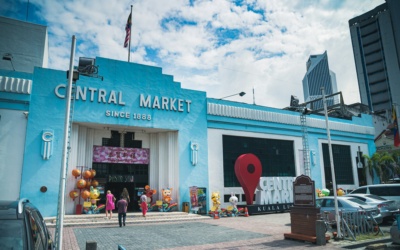
Petaling Street Market: The covered market on Jalan Petaling is often listed as a top attraction, but it is mostly counterfeit goods and aggressive vendors. The surrounding streets and alleys are far more interesting for food and heritage. Walk through quickly and spend your time in the side lanes instead.
KL Tower Observation Deck: The views are decent but not dramatically different from what you get at the Petronas skybridge, and the tower's location on a hill means you are further from the skyline. The glass sky box is gimmicky. Skip it unless you specifically want a 360-degree panorama.
Aquaria KLCC: A perfectly fine aquarium, but not world-class. Families with young children may enjoy it, but it is not a must-do for adults.
Food and Drink
KL's food scene is arguably its greatest asset. The city's multiethnic population means you can eat across three or four distinct culinary traditions in a single day, and the quality at street-food level rivals or exceeds many fine dining experiences elsewhere.
Signature Dishes
Dish
Description
Where to Try
Nasi Lemak
Coconut rice with sambal, anchovies, peanuts, egg, and cucumber. Malaysia's national dish.
Hawker stalls citywide, especially in Kampung Baru
Roti Canai
Flaky flatbread served with dhal or curry. Eaten at any hour.
Mamak restaurants in Bangsar and Brickfields
Char Kuey Teow
Smoky wok-fried flat noodles with prawns, cockles, egg, and bean sprouts.
Hawker centers and Chinatown kopitiams
Banana Leaf Rice
South Indian meal served on a banana leaf with rice, curries, pickles, and papadum.
Brickfields restaurants
Laksa
Spicy coconut curry noodle soup, KL's version uses thick vermicelli and tofu puffs.
Chinatown and Imbi area
Satay
Charcoal-grilled meat skewers with peanut sauce and rice cakes.
Jalan Alor and Kampung Baru
Cendol
Shaved ice dessert with green rice flour jelly, coconut milk, and palm sugar.
Hawker stalls and dessert shops in Chinatown
Where and How to Eat
Mamak restaurants are the backbone of KL eating culture. These 24-hour Indian-Muslim eateries serve roti canai, mee goreng, teh tarik (pulled milk tea), and nasi kandar. They are everywhere, always open, and always cheap. Eating at a mamak at 2 AM is a quintessential KL experience.
Hawker centers and kopitiams (traditional coffee shops) are the next tier. Look for stalls with long queues of locals. Chinatown's side streets, the Imbi Market area behind Berjaya Times Square, and the food courts in Bangsar are reliable hunting grounds.
Mid-range restaurants in KL offer extraordinary value. Upscale dining is excellent too, particularly modern Malaysian cuisine, and a good restaurant in Bangsar or TTDI gives you a full meal without the prices of Singapore or Tokyo.
Alcohol is available but pricier than in neighboring countries. Many Malay and mamak restaurants do not serve alcohol, but Chinese restaurants and Western-style bars do.
Where to Stay
Budget
Chinatown has the densest concentration of hostels and budget guesthouses, many in converted shophouses with character. Brickfields near KL Sentral also has affordable options with the bonus of being right next to the transport hub.
Mid-Range
Bukit Bintang and the area around Jalan Alor offer dozens of well-reviewed mid-range hotels and serviced apartments. Expect clean rooms, air conditioning, pools and often breakfast. This is the sweet spot for most travelers, combining comfort with walkable access to food and shopping.
Upscale
KLCC has the big names: Mandarin Oriental, Grand Hyatt, and the Traders Hotel (with direct views of the Petronas Towers from its sky bar). Bangsar and the emerging Cheras and Mont Kiara areas have boutique options with more local flavor.
A unique option is staying in a heritage boutique hotel in Chinatown, where restored pre-war buildings have been converted into stylish small hotels. These blend KL history with modern design.
Practical Tips
Safety: KL is generally safe for tourists. Petty theft, especially bag snatching by motorcyclists, is the main concern. Keep bags on your inside shoulder when walking near roads. Avoid flashing expensive phones near busy streets. Scams are less aggressive here than in Bangkok or Bali, but be cautious with unlicensed taxi drivers at the airport and tourist spots.
Payment: Cash is still king at hawker stalls, mamak restaurants, and small shops. Credit cards are accepted at malls, hotels, and mid-range restaurants. ATMs are everywhere and dispense Malaysian Ringgit (MYR). Tipping is not expected but appreciated; rounding up the bill is sufficient.
SIM cards: Grab a prepaid SIM at the airport from providers like Hotlink, Digi, or Celcom. Coverage and speeds are excellent.
Language: English is widely spoken, especially in the city center, among younger Malaysians, and in the service industry. Menus, signs, and transit announcements are in English. You will have zero communication problems.
Dress code: KL is relatively liberal for a Muslim-majority city, but cover shoulders and knees when visiting mosques. Carry a scarf or sarong for mosque visits. Elsewhere, casual clothing is fine, though Malaysians tend to dress neatly.
Shoes: Remove shoes before entering mosques and some temples. Many Malaysian homes also follow this custom.
Hydration: The heat and humidity are intense. Carry water at all times. Most locals and visitors drink bottled or filtered water.
Day Trips
Batu Caves
Technically within greater KL, Batu Caves deserves a dedicated half-day visit. Take the KTM Komuter train to Batu Caves station. Arrive early. Explore the main Temple Cave at the top of the 272 steps and the Dark Cave, a cave over 2 km long that you visit on a guided tour.[5] Allow a half day for the whole visit.
Malaysia's administrative capital, south of KL, is a planned city of grand mosques, government buildings, and manicured gardens built around a massive artificial lake. The Putra Mosque (pink granite, lakeside) and the Putrajaya International Convention Centre are striking. The Putrajaya MRT Line runs there. Worth a half day for architecture lovers; others may find it sterile.
Genting Highlands
A hilltop resort and casino complex northeast of the city, reached by a scenic cable car. The air is noticeably cooler up on the hill. The casino is the main draw for many visitors, but the Awana SkyWay cable car ride through misty jungle is genuinely spectacular; it takes about 10 minutes from Sky Sentral Station to the peak.[6] Express buses run from KL Sentral to the Genting Highlands Premium Outlets terminal for RM10 one way.[7] Worth a half day or overnight.
Malacca (Melaka)
A UNESCO World Heritage city south of KL, where Melaka and George Town together are recognized as historic cities of the Straits of Malacca.[8] Buses from TBS to Melaka Sentral cost RM10 to RM15.[9] Malacca's colonial Dutch, Portuguese, and British architecture, Peranakan heritage houses, and legendary Jonker Street night market make it one of Malaysia's most rewarding destinations. This deserves a full day or ideally an overnight stay.
Fraser's Hill
A quiet, colonial-era hill station north of the city, popular with birdwatchers and hikers. The winding road up through the jungle is an experience in itself, and the cooler air is a refreshing change from KL's heat. Getting there requires a car or an organized tour. Best as an overnight trip.
Sample 3-Day Itinerary
Day 1: City Center and Heritage
Morning: Start at Merdeka Square and the Sultan Abdul Samad Building. Walk to Masjid Jamek to see the beautifully restored mosque at the river confluence. Continue into Chinatown on foot, exploring Kwai Chai Hong alley and the Sri Mahamariamman Temple.
Afternoon: Lunch at a Chinatown kopitiam (try the curry laksa or wonton noodles). Visit the Islamic Arts Museum Malaysia, then stroll through the Perdana Botanical Gardens nearby.
Evening: Head to Jalan Alor for a hawker dinner. Try the grilled chicken wings, satay, and a fresh coconut. Walk off dinner along the Bukit Bintang strip.
Day 2: Towers, Parks, and Local Food
Morning: Early visit to the Petronas Twin Towers skybridge (pre-booked tickets). Afterward, explore KLCC Park and the excellent Petrosains science museum inside Suria KLCC if you are traveling with kids.
Afternoon: Grab ride to Kampung Baru for a late lunch of nasi lemak and ayam goreng. Walk through the traditional village streets and admire the wooden Malay houses.
Evening: Head to Bangsar for dinner at a modern Malaysian restaurant. Finish with drinks at a rooftop bar back in KLCC with Petronas Tower views.
Day 3: Batu Caves and Brickfields
Morning: Take the KTM Komuter to Batu Caves. Arrive early to beat the heat and crowds. Climb the 272 steps, explore the cave temple, and optionally join a Dark Cave tour.
Afternoon: Return to KL Sentral and walk to Brickfields for banana leaf rice lunch. Browse the Indian shops and pick up spices or textiles.
Evening: Visit Thean Hou Temple for sunset views over the city. Final dinner at a mamak restaurant for roti canai and teh tarik, the perfect KL farewell meal.
Frequently Asked Questions
Is Kuala Lumpur worth visiting?
Absolutely. KL offers one of Asia's best food scenes, iconic architecture like the Petronas Twin Towers, a rich multicultural heritage and excellent shopping. It is also one of the easiest cities in Southeast Asia for first-time visitors thanks to widespread English and modern infrastructure.
How many days do you need in Kuala Lumpur?
Three full days is the sweet spot for the major sights, the key neighborhoods and a half-day trip to Batu Caves. If you want to add a day trip to Malacca or Genting Highlands, plan four to five days.
Is Kuala Lumpur safe for tourists?
KL is generally safe. The main risk is petty theft, particularly bag snatching by motorcyclists on busy roads. Keep valuables secure, stay aware near traffic, and use Grab instead of unlicensed taxis.
What food is Kuala Lumpur famous for?
KL is famous for nasi lemak (coconut rice with sambal), roti canai (flaky flatbread with curry), char kuey teow (smoky fried noodles), banana leaf rice, satay and laksa. Malay, Chinese and Indian cuisines all thrive side by side, often at the same hawker center.
Is Kuala Lumpur expensive?
KL is easy on the wallet by international standards, especially for street food, hawker meals and public transport. Alcohol is the main exception and costs more than in neighboring countries.
Can you drink tap water in Kuala Lumpur?
Most locals and visitors stick to bottled or filtered water. Bottled water is cheap and widely available.
What is the best neighborhood to stay in Kuala Lumpur?
Bukit Bintang is the best all-around base for first-time visitors, with walkable access to food streets, malls and nightlife. Budget travelers should consider Chinatown for hostels and heritage atmosphere. Bangsar suits those who prefer a quieter, more upscale neighborhood.
How do I get from KLIA airport to the city center?
The KLIA Ekspres train is the fastest option, reaching KL Sentral in 28 minutes from Terminal 1 for RM55 one way. Both KLIA terminals are on the same rail line. Grab is the alternative.
Is English widely spoken in Kuala Lumpur?
Yes. English is widely spoken across KL, especially in the city center, hotels and restaurants. Transit signs and announcements are bilingual in Malay and English.
Do I need a visa to visit Kuala Lumpur?
Citizens of many countries, including Australia, Canada, Ireland, the Netherlands, Switzerland and the United Kingdom, can enter Malaysia without a visa. Swiss passport holders get 90 days. All foreign visitors except a few groups must also submit the Malaysia Digital Arrival Card (MDAC) online before arrival. Check the Malaysian immigration website for your nationality.
Sources and background
Numbers in the text such as [1] refer to these sources.