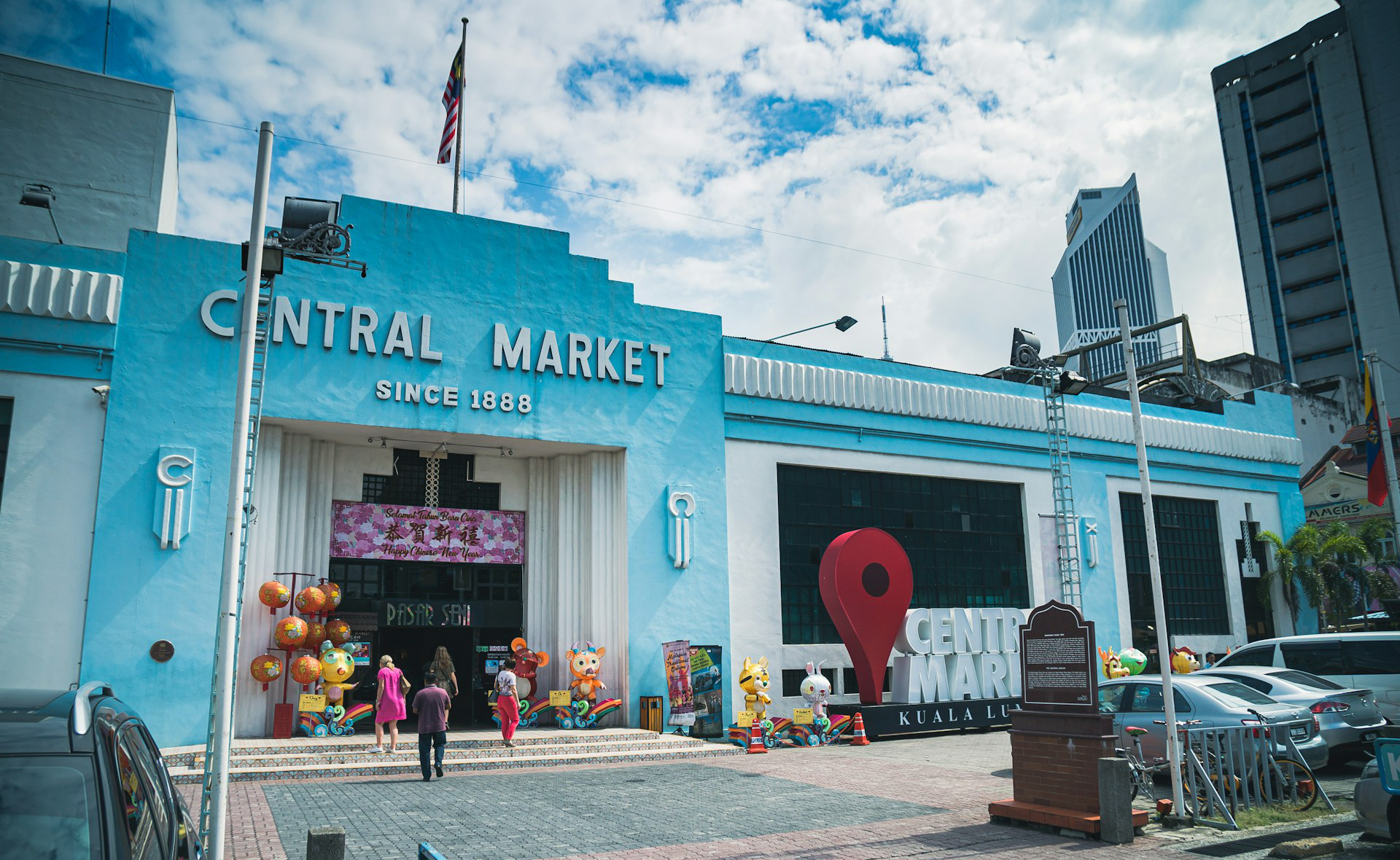
Central Market Kuala Lumpur: A Complete Guide to Pasar Seni

Central Market Kuala Lumpur: A Complete Guide to Pasar Seni

Last updated: March 13, 2026

Central Market, known locally as Pasar Seni, is one of Kuala Lumpur's most iconic cultural landmarks. Originally built in 1888 as a humble wet market serving the tin mining community, the building was rebuilt in striking Art Deco style in 1937 and has since evolved into one of Southeast Asia's most celebrated heritage bazaars. Today it houses over 350 shops selling traditional crafts, artwork, textiles, and souvenirs, all under one air-conditioned roof.

What makes Central Market stand apart from the countless malls in KL is its deliberate celebration of Malaysia's multicultural identity. The market is divided into three distinct cultural zones, each representing one of Malaysia's major ethnic communities. Whether you are hunting for hand-painted batik, sampling traditional kuih, or watching a live cultural performance, Central Market delivers an experience that feels genuinely Malaysian rather than generically touristy.

The Three Cultural Zones

Central Market's layout is organized around three corridors, each dedicated to the crafts, food, and traditions of a different cultural heritage. This design reflects Malaysia's unique identity as a nation shaped by Malay, Chinese, and Indian communities living side by side.

Lorong Melayu (Malay Zone)

This section showcases traditional Malay arts and crafts. You will find batik fabric in bold tropical prints, songket textiles woven with gold and silver threads, keris (traditional daggers) displayed as decorative pieces, and handwoven baskets. Several stalls sell Wau Bulan, the crescent-shaped traditional kite from Kelantan that has become a national symbol. If you want a meaningful souvenir that tells a cultural story, this zone delivers.

Lorong Cina (Chinese Zone)

The Chinese corridor features calligraphy art, jade jewelry, porcelain goods, and traditional Chinese paintings. You can get your name written in Chinese characters on a scroll or commission a custom chop (name stamp) carved from stone. Several shops specialize in antiques and curios, ranging from vintage coins to old photographs of colonial-era Malaya.

Lorong India (Indian Zone)

The Indian section is filled with colorful textiles, sari fabrics, henna art stations, and Bollywood-inspired accessories. You can find aromatic spice blends, incense, and beautifully crafted brass items. Several vendors offer intricate mehndi (henna) designs that make for a fun, temporary souvenir you literally wear home.

Things to Do

What to Buy at Central Market

Central Market is one of the best places in Kuala Lumpur to find authentic Malaysian handicrafts and souvenirs. Unlike generic tourist shops, many vendors here are artisans or direct importers, which means better quality and more interesting finds.

ItemTypical Price Range (MYR)Where to Find
Batik sarong30 - 80Lorong Melayu
Hand-painted batik art50 - 300Ground floor galleries
Pewterware (Royal Selangor)40 - 500Specialty shops
Borneo pearls50 - 200Jewelry stalls
Custom name chop20 - 60Lorong Cina
Henna art10 - 40Lorong India
Traditional kite (Wau Bulan)15 - 80Lorong Melayu
Tropical fridge magnets and keychains3 - 15Throughout

Pewterware deserves special mention. Malaysia is one of the world's largest tin producers, and Royal Selangor pewter, founded in 1885, is a genuine luxury brand with deep local roots. Central Market has several authorized retailers where you can buy everything from photo frames to hip flasks at prices lower than airport duty-free shops.

Makan Hall and Food Options

The first floor of Central Market houses Makan Hall, a food court with over ten stalls serving a cross-section of Malaysian cuisine. This is a solid spot to take a break and fuel up during your visit.

Must-try dishes include nasi lemak (coconut rice with sambal, anchovies, and peanuts), char kuey teow (stir-fried flat noodles), roti canai (flaky flatbread with curry dip), and cendol (shaved ice dessert with palm sugar and coconut milk). Most dishes cost between MYR 8 and MYR 15, making it an affordable lunch stop even by local standards.

Beyond Makan Hall, the area surrounding Central Market is packed with excellent food options. Petaling Street's hawker stalls are a five-minute walk away, and the riverside Old Market Square neighborhood has several well-regarded kopitiam (traditional coffee shops) serving heritage recipes.

Cultural Performances and Events

Central Market regularly hosts live cultural performances on its open-air stage near the main entrance. These include traditional Malay dance, Chinese lion dance demonstrations, and Indian classical dance. Performances typically happen on weekends and public holidays, and they are free to watch.

The Annexe Gallery, connected to the main building, functions as a contemporary art space featuring rotating exhibitions by Malaysian and Southeast Asian artists. It also hosts occasional workshops in batik painting, pottery, and other traditional crafts. Check the board near the entrance for current schedules, or visit the Central Market website for upcoming events.

How to Get There

Central Market sits in the heart of old Kuala Lumpur, making it easy to reach by public transport.

  • LRT: Take the Kelana Jaya Line to Pasar Seni station. The market is directly connected to the station via a covered walkway.
  • MRT: The Kajang Line also stops at Pasar Seni, making it accessible from a wider network of stations.
  • KTM Komuter: Kuala Lumpur station is about a 10-minute walk south.
  • Grab/Taxi: Drop-off is easiest at the main entrance on Jalan Hang Kasturi. Expect to pay MYR 8 to MYR 20 from most central KL locations.
  • Walking: Central Market is barely five minutes on foot from Petaling Street (Chinatown) and about 15 minutes from Merdeka Square, making it easy to combine with other sightseeing.

Nearby Attractions

Central Market's location makes it a natural anchor for a walking tour of historic KL. Within a short radius, you can visit several major landmarks without needing transport.

  • Petaling Street (Chinatown): A bustling street market just five minutes south, known for street food and bargain shopping.
  • Sri Mahamariamman Temple: One of the oldest Hindu temples in KL, located on Jalan Tun H.S. Lee, a short walk from Central Market.
  • Sin Sze Si Ya Temple: The oldest Taoist temple in the city, tucked away on a side street near Petaling Street.
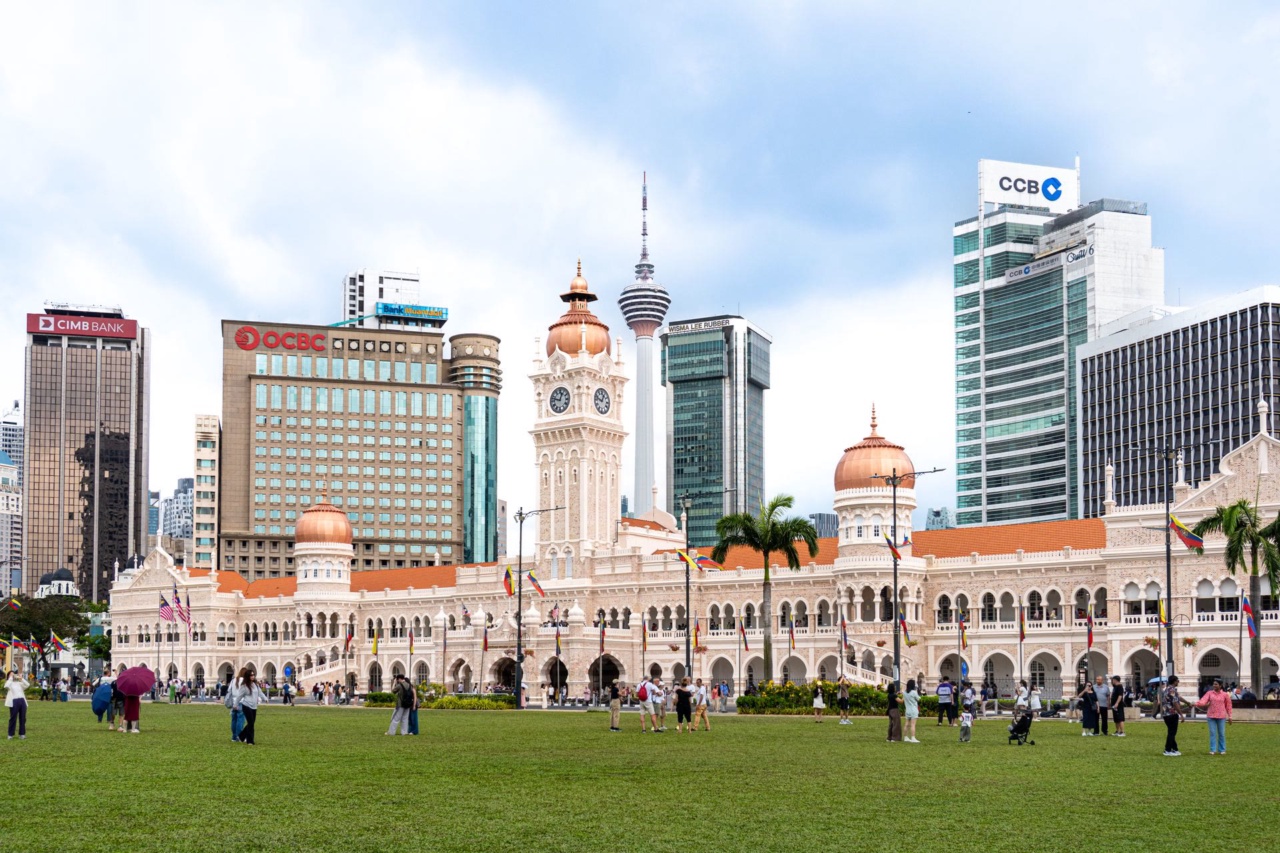
  • Merdeka Square: The historic field where Malaysian independence was declared, surrounded by stunning colonial architecture, about 15 minutes north on foot.
  • Masjid Jamek: A beautiful Mughal-style mosque at the confluence of the Klang and Gombak rivers, just one LRT stop away.

For more ideas on exploring Kuala Lumpur and other destinations in Malaysia, browse the city and country guides on GoAsia.cc.

Tips for Visiting Central Market

  • Bargaining is expected at most stalls, especially for textiles, art, and souvenirs. A polite approach works best. Start by asking the price, then counter at roughly 70% of the quoted amount. Buying multiple items from one vendor usually gets you a better deal.
  • Bring cash. While a few larger shops accept credit cards, most smaller stalls operate on a cash-only basis. There are ATMs inside the building if you need to withdraw.
  • Visit in the morning. Central Market opens at 10:00 AM. Arriving early means fewer crowds, cooler temperatures outside, and more attentive service from vendors who believe the first sale of the day brings good luck.
  • Look for artisan demonstrations. Some stalls feature craftspeople actively painting batik, carving wood, or weaving. These are usually the most authentic shops, and watching the process helps you appreciate the price.
  • Check for authenticity tags. Genuine Malaysian handicrafts often carry "Made in Malaysia" labels or certification marks. Items without any labeling may be mass-produced imports.
  • The Annexe Gallery upstairs is free and regularly overlooked by tourists. It offers a quieter, more curated cultural experience compared to the bustling market floor.
  • Allocate at least 90 minutes. Central Market rewards slow browsing. Between the three cultural zones, food court, art galleries, and any live performances, rushing through means missing half the experience.

Frequently Asked Questions

What is Central Market Kuala Lumpur and why should I visit?

Central Market, also called Pasar Seni, is a heritage bazaar in the heart of Kuala Lumpur housed in a 1937 Art Deco building. It is one of the best places in the city to experience Malaysian culture through traditional handicrafts, artwork, textiles, and local food, all organized into three zones representing Malay, Chinese, and Indian heritage.

How much does it cost to enter Central Market?

Admission to Central Market is completely free. You can browse all three cultural zones, watch live performances, and visit the Annexe Gallery without paying an entrance fee. Budget between MYR 50 and MYR 200 if you plan to shop for souvenirs and eat at Makan Hall.

How do I get to Central Market by public transport?

The easiest way is to take the LRT Kelana Jaya Line or MRT Kajang Line to Pasar Seni station, which is directly connected to the market via a covered walkway. You can also walk from Petaling Street in about five minutes or from Merdeka Square in roughly 15 minutes.

What are the opening hours of Central Market?

Central Market is open daily from 10:00 AM to 9:30 PM, including weekends and most public holidays. Arriving early in the morning gives you a quieter shopping experience with fewer crowds.

Can I bargain at Central Market?

Yes, bargaining is common and expected at most stalls, particularly for textiles, artwork, and souvenirs. Start by offering around 70% of the asking price and negotiate from there. Buying multiple items from one vendor usually helps you secure a better discount.

What are the best souvenirs to buy at Central Market?

Popular purchases include hand-painted batik fabric, pewterware from Royal Selangor, Borneo pearls, custom Chinese name chops, traditional Wau Bulan kites, and henna art. The Malay zone is best for textiles and crafts, while the Chinese zone has calligraphy and jade items.

Is there food available at Central Market?

Yes, Makan Hall on the first floor has over ten stalls serving classic Malaysian dishes like nasi lemak, char kuey teow, and roti canai. Most meals cost between MYR 8 and MYR 15. Petaling Street's hawker stalls are also just a five-minute walk away for even more food options.

How much time should I spend at Central Market?

Plan to spend at least 90 minutes to comfortably explore all three cultural zones, eat at Makan Hall, and browse the Annexe Gallery. If you enjoy shopping and want to catch a live cultural performance, you could easily spend two to three hours.