
Getting Around Kuala Lumpur - Local Transport Guide
Contents
- 1. Getting Around Kuala Lumpur by MRT
- 2. Getting Around Kuala Lumpur by LRT
- 3. Getting Around Kuala Lumpur by KL Monorail
- 4. Getting Around Kuala Lumpur by KTM Komuter
- 5. Getting Around Kuala Lumpur by KLIA Ekspres
- 6. Getting Around Kuala Lumpur by Grab
- 7. Getting Around Kuala Lumpur by Taxi
- 8. Getting Around Kuala Lumpur by Bus
- 9. Getting Around Kuala Lumpur on Foot
- 10. Comparing Your Options
- 11. Practical Tips for Getting Around Kuala Lumpur
- 12. Popular Routes and Destinations
- 12.1 Kuala Lumpur to KLIA (Airport)
- 12.2 Batu Caves to Kuala Lumpur
- 13. Frequently Asked Questions
- 14. Sources and background
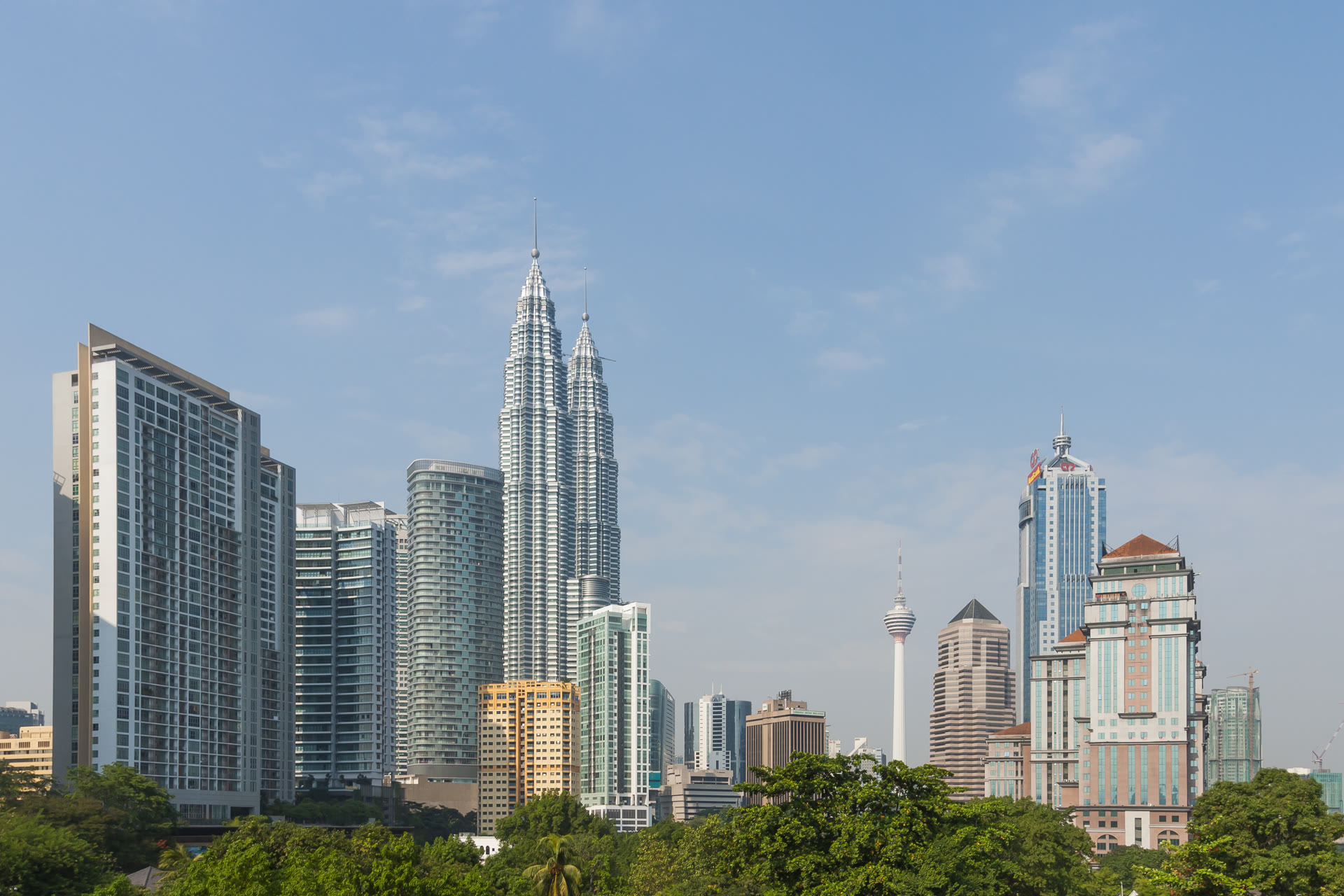
Kuala Lumpur feels built in layers: elevated rail lines thread between skyscrapers while hawker stalls spill onto the pavement below. Distances between neighborhoods can be deceptive, and what looks close on the map may involve a congested road or a rail interchange. The good news is that most of what you want to see is on the rail network, and Grab fills the gaps. Walking is rewarding in pockets, such as the KLCC park, Chinatown and parts of Bukit Bintang, but the heat and broken pavements limit how far you will want to go.
Getting Around Kuala Lumpur by MRT
The MRT is KL's newest rail system, with two lines: the Kajang Line (46 km, from Kwasa Damansara through the city center to Kajang) and the Putrajaya Line.[1] Peak-hour trains come every 4 minutes on the Kajang Line and every 5 minutes on the Putrajaya Line.[2] Trains are air-conditioned and clean, and platform screen doors keep stations comfortable.
For travelers the MRT is most useful for Bukit Bintang, Merdeka Square and Pasar Seni (for Chinatown), and for connecting to the other rail lines. At some interchanges you leave one station and walk to the next, tapping in again for the next line. A stored-value travel card saves you queuing at the ticket machines each time.[2]
Getting Around Kuala Lumpur by LRT
The LRT covers different corridors from the MRT, on the Kelana Jaya, Ampang, Sri Petaling and Shah Alam lines.[2] The Kelana Jaya Line is the most useful for visitors, linking KL Sentral, KLCC (home of the Petronas Twin Towers) and Pasar Seni. Peak-hour trains come every 4 minutes on the Kelana Jaya Line, every 5 minutes on the Ampang and Sri Petaling lines and every 8 minutes on the Shah Alam Line.[2]
Rush hours run from 7 to 9 am and from 5 to 7 pm on weekdays, and the Kelana Jaya Line is packed between KL Sentral and KLCC then.[2] If you can travel outside those windows, do so.
Getting Around Kuala Lumpur by KL Monorail
The KL Monorail runs a single elevated line through the commercial heart of the city. It is smaller than the MRT or LRT, but it reaches Bukit Bintang, Chow Kit with its famous wet market, and Imbi. Peak-hour trains come every 6 minutes.[2] It connects to the other rail lines at interchange stations, which makes it a handy short connector.
Getting Around Kuala Lumpur by KTM Komuter
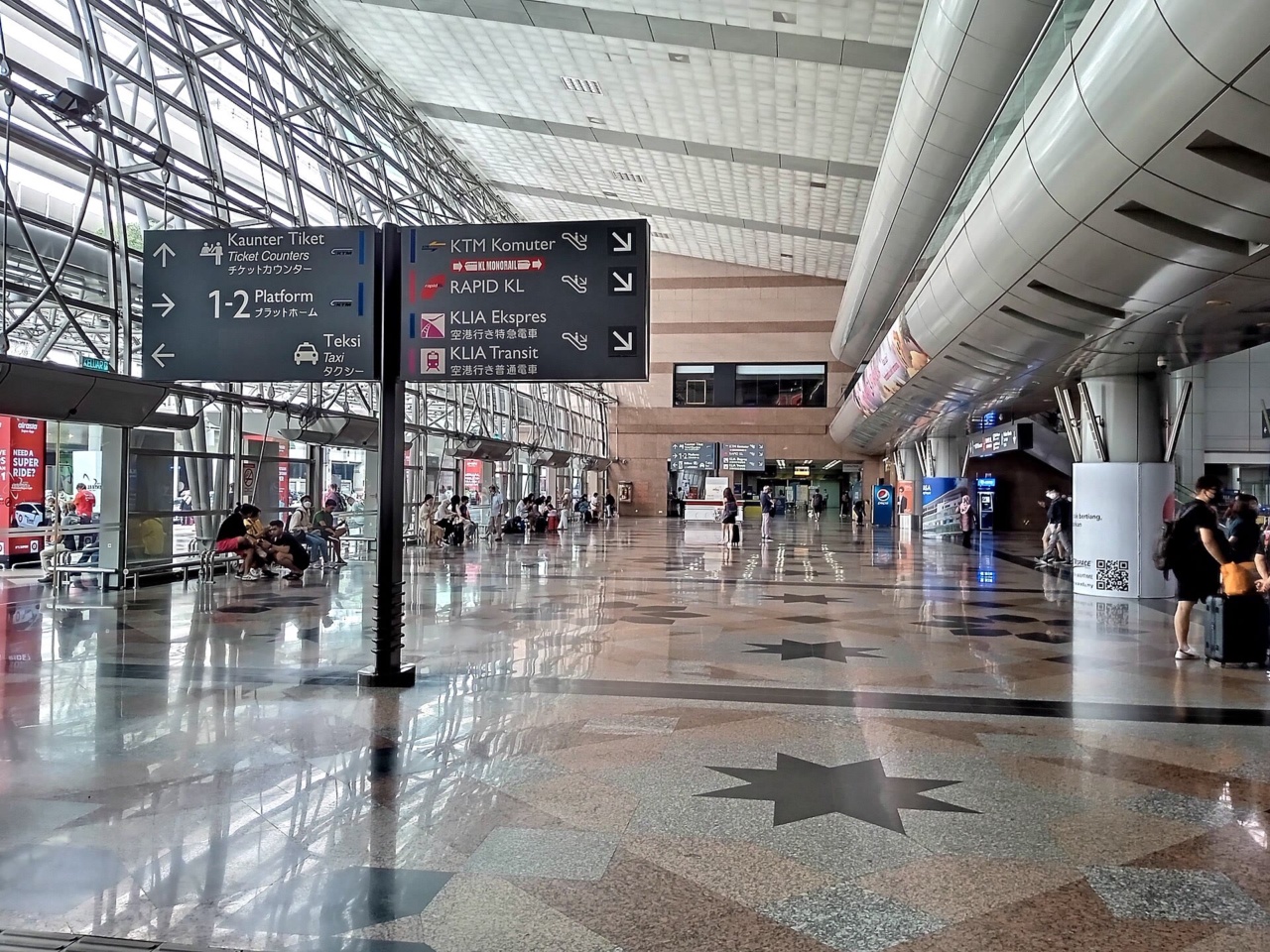
KTM Komuter is the suburban railway. Its two lines are Batu Caves to Pulau Sebang and Tanjung Malim to Pelabuhan Klang, and you can change between them at KL Sentral, Kuala Lumpur, Bank Negara and Putra stations.[3] For visitors it is the cheapest way to reach Batu Caves, the Hindu temple complex in limestone caves north of the city: take the train to Batu Caves station and walk about 5 minutes to the steps.[4]
KTM trains are older and plainer than the MRT or LRT, but they do the job for Batu Caves and the suburbs.
Getting Around Kuala Lumpur by KLIA Ekspres
The KLIA Ekspres is the non-stop airport train between KL Sentral and KLIA. It runs every 20 minutes all day, from 05:00 to midnight from KL Sentral, and reaches KLIA Terminal 1 in 28 minutes, with Terminal 2 3 minutes further.[5] A single adult fare from KL Sentral costs RM55, and a return RM100.[5] It is the smartest airport transfer if your hotel is near KL Sentral: no traffic risk and a guaranteed arrival time.
Getting Around Kuala Lumpur by Grab
Grab is the ride-hailing app that covers every gap in the rail network: a restaurant in Bangsar, a gallery in Sentul, a rooftop bar in Mont Kiara. The app shows the price before you book, so you know the fare before you get in. GrabCar is the standard car service, and GrabBike is a motorcycle ride for solo travelers who want to cut through traffic.
Prices rise and waits grow during the evening rush and after a sudden downpour, which happens almost every afternoon. Keep a backup plan, such as walking to the nearest rail station.
Getting Around Kuala Lumpur by Taxi
Metered taxis exist, but many drivers outside tourist spots, malls and hotels refuse the meter and quote a flat fare. If you take a street taxi, insist on the meter before you get in; if the driver refuses, walk away and open Grab. The taxi queues with dispatchers at KL Sentral and KLCC are more likely to enforce meter use. For most visitors, Grab has made traditional taxis a fallback for when surge pricing is extreme or your phone battery has died.
Getting Around Kuala Lumpur by Bus
Rapid KL buses run in town every day from 6 am to midnight, with a frequency of 15 to 20 minutes at peak hours.[2] Fares are zone-based, and feeder buses cost RM1.[2] Buses get stuck in traffic, so the rail network is usually faster. Long-distance buses leave from KL Sentral, TBS (Terminal Bersepadu Selatan) and other hubs; TBS is a 24-hour hub reached by road and by three rail lines.[6]
Getting Around Kuala Lumpur on Foot
KL was not designed for pedestrians: pavements appear and disappear, and drivers do not always stop at crossings. Some areas reward a walk. The stretch from KLCC through the park to Bukit Bintang is pleasant and shaded, Chinatown around Petaling Street is compact, and the area around Merdeka Square, the Sultan Abdul Samad Building and Masjid Jamek is flat and historic. Carry water, wear sunscreen and walk in the morning or after sunset.
Comparing Your Options
| Mode | Peak frequency or fare | Best For |
|---|---|---|
| MRT | Every 4-5 minutes[2] | Crossing the city quickly without traffic |
| LRT | Every 4-8 minutes depending on the line[2] | KLCC, KL Sentral and the Kelana Jaya corridor |
| KL Monorail | Every 6 minutes[2] | Bukit Bintang, Chow Kit, and connecting between rail lines |
| KTM Komuter | Batu Caves to Pulau Sebang line[3] | Batu Caves and suburban destinations |
| KLIA Ekspres | RM55 one way, 28 minutes[5] | Airport transfers with zero traffic risk |
| Grab | Price shown before you book | Door-to-door trips, areas off the rail network, late night |
| Rapid KL bus | Every 15-20 minutes at peak hours[2] | Short hops on routes the trains do not cover |
Practical Tips for Getting Around Kuala Lumpur
Get a stored-value travel card. You tap it at the gate when you enter and exit rail stations and on buses, instead of buying a token for each ride.[2] The My50 pass gives unlimited rides on all Prasarana services in the Klang Valley for 30 consecutive days.[2]
- Download Grab before you arrive and link a card, so you are ready the moment you land. Google Maps shows KL's public transit routes too.
- Carry small cash. Cashless payment is widespread, but some buses, older taxis and street food vendors still prefer cash. Paying a bus fare in cash needs exact change.[2]
- Skip the rental car. Traffic is heavy and parking in the center is a headache. Rail and Grab cover the city.
- Plan around the rain. Tropical downpours come most afternoons. Duck into a mall, which the covered walkways from many stations lead to,[2] and wait it out.
- Expect rush hour. Weekday rush hours run from 7 to 9 am and from 5 to 7 pm, with crowded trains and slow roads.[2]
- Use official taxis at the airport. Outside tourist areas, unlicensed drivers may offer rides at inflated prices. Use the meter or Grab.
To compare transport options across other routes in KL and beyond, GoAsia.cc shows what is available at a glance.
Popular Routes and Destinations
Kuala Lumpur to KLIA (Airport)
The KLIA Ekspres from KL Sentral is the fastest option, at 28 minutes to Terminal 1.[5] If your hotel is far from KL Sentral, a Grab ride avoids the rail change. Allow extra time at rush hour.
Batu Caves to Kuala Lumpur
After climbing the 272 colorful steps to the temple cave, ride the KTM Komuter back toward KL Sentral, where you can connect to the other rail lines.[4] Visit before 8 am to beat the crowds outside the Thaipusam festival.[4]
Frequently Asked Questions
Use this guide to compare local transport in Kuala Lumpur. When bookable tickets are available, the booking tool shows current options and prices.
The MRT and LRT rail network plus Grab covers virtually every destination. Use trains for the main corridors and tourist areas like KLCC, Bukit Bintang and Chinatown, then switch to Grab where rail does not reach.
Rail fares depend on the distance and are shown on the ticket machines. Feeder buses cost RM1, the KLIA Ekspres costs RM55 one way from KL Sentral, and the My50 pass gives unlimited rides in the Klang Valley for 30 days.
Yes, the rail network is generally safe and well maintained, and Rapid KL runs women's coaches. Standard precautions apply: watch your belongings in crowded carriages and use Grab for late-night trips.
Yes. Grab is the main app, with car and motorcycle options. Set it up with a card before you arrive; the fare is shown upfront, and prices rise during rain and rush hours.
A stored-value travel card is recommended. You tap it at the gates instead of buying a token for each ride, and it works on Rapid KL rail and buses.
Only in pockets. Chinatown, the KLCC park and parts of Bukit Bintang are pleasant on foot, but much of the city has broken pavements, heavy traffic and heat. For longer distances take the train or Grab.
The KLIA Ekspres is the fastest way: it runs every 20 minutes and reaches KL Sentral in 28 minutes from Terminal 1, for RM55 one way. Grab is the alternative.
Sources and background
Numbers in the text such as [1] refer to these sources.
- [1] Prasarana Malaysia (myRapid): Kajang Line - MyRapid. Retrieved October 20, 2026.
- [2] Prasarana Malaysia (myRapid): FAQs - MyRapid. Retrieved October 20, 2026.
- [3] KTMB: KTM Komuter Details Information. Retrieved October 15, 2026.
- [4] Tourism Malaysia: Batu Caves. Retrieved October 20, 2026.
- [5] Express Rail Link (KLIA Ekspres): Train Service Between KLIA (T1 & T2) and Kuala Lumpur. Retrieved October 19, 2026.
- [6] Terminal Bersepadu Selatan (TBS-BTS): Terminal Bersepadu Selatan (TBS-BTS). Retrieved October 17, 2026.
Guide prices and journey times are indicative, not live quotes. A booked package may include transfers and waiting time as well as the main journey. Check the selected offer, pickup point and current conditions before booking.