Chinatown Kuala Lumpur: Petaling Street, Temples and Street Food

Chinatown Kuala Lumpur: Petaling Street, Temples and Street Food

Last updated: March 13, 2026

Kuala Lumpur's Chinatown is one of those rare neighborhoods where a Hindu temple, a Taoist shrine and a Chinese clan house all sit within a few minutes' walk of each other - and the best bowl of Hokkien mee you have ever tasted is somewhere in between. Centered around the famous Petaling Street, this district has been the beating heart of KL's Chinese community since tin miners settled here in the 1860s.

What makes Chinatown special is not just the heritage or the food, but the layers. Behind Petaling Street's covered market you will find hidden hawker lanes. Down a narrow alley you will stumble upon restored murals depicting life decades ago. Around the corner from a century-old temple, a former cinema has been reborn as a creative arts hub. This guide covers everything you need to explore Chinatown like a local.

Petaling Street and the Market

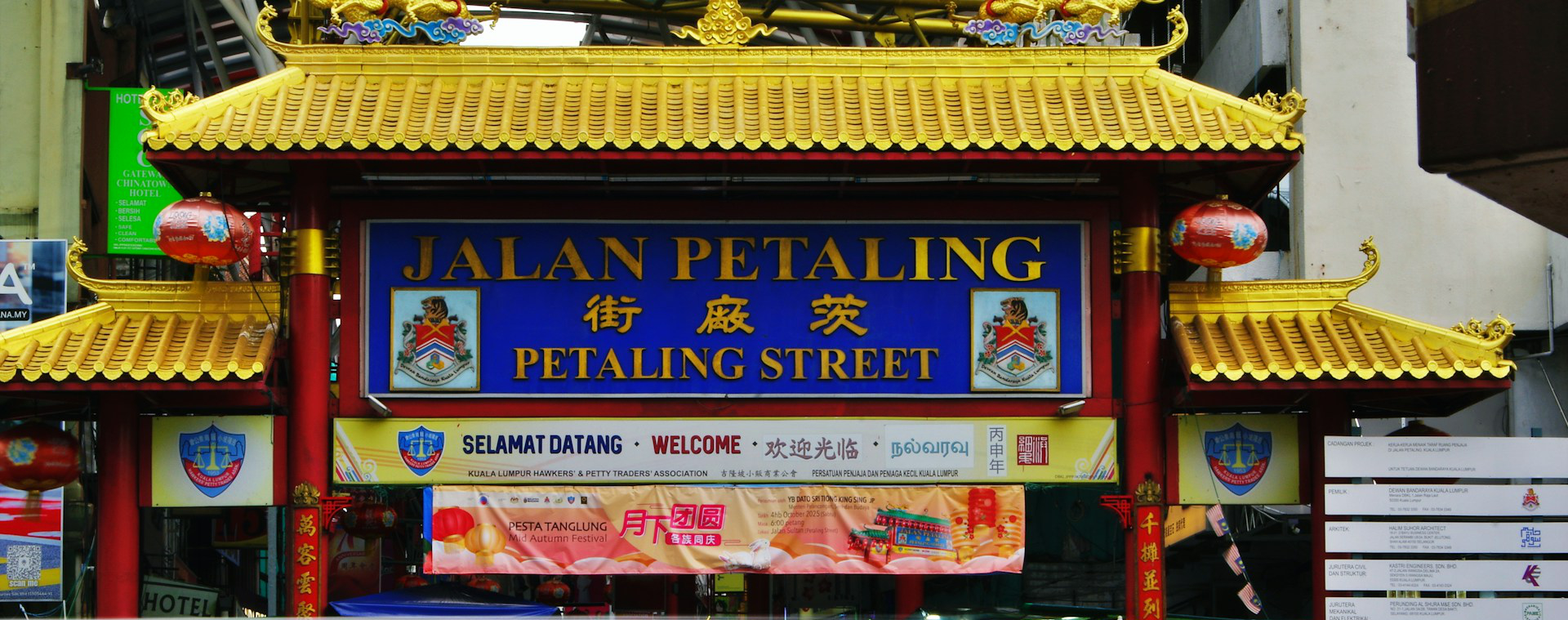
Petaling Street is the spine of Chinatown and the one landmark every visitor recognizes. The pedestrianized stretch runs beneath a green-roofed canopy hung with red lanterns, lined on both sides with over 250 stalls, shops and restaurants. During the day, vendors sell clothing, accessories, souvenirs and electronics. In the evening, the street transforms into a lively night market where the energy picks up considerably.

Bargaining is expected and part of the experience. Start at roughly half the asking price and work toward a number both sides find reasonable. Vendors are friendly and used to the back-and-forth. Cash in smaller denominations makes transactions smoother, though some stalls now accept e-wallets like Touch 'n Go.

Beyond the main drag, explore the side streets branching off Petaling Street. Jalan Sultan, Jalan Tun H.S. Lee and Jalan Balai Polis all have their own character, with traditional shophouses, kopitiam coffee shops and hole-in-the-wall eateries that many visitors miss entirely.

Things to Do

Temples and Heritage Sites

Sin Sze Si Ya Temple

Built in 1864, this is the oldest Taoist temple in Kuala Lumpur. Founded by Yap Ah Loy, the Kapitan China who is widely credited with rebuilding KL after the Selangor Civil War, the temple sits tucked away on Jalan Tun H.S. Lee. The interior is dark, atmospheric and heavy with incense smoke. Look up to see the ornate wooden carvings and painted beams that have survived over 160 years. Entry is free.

Sri Mahamariamman Temple

One of the oldest and most elaborate Hindu temples in Malaysia, Sri Mahamariamman was founded in 1873. The five-tiered Raja Gopuram tower above the entrance is covered in hundreds of colorful Hindu deity figures carved in intricate detail. Inside, the temple is dedicated to the goddess Mariamman. Visitors are welcome but must remove shoes before entering and dress modestly - sarongs are available at the entrance if needed. Entry is free.

Chan See Shu Yuen Temple

At the southern end of Petaling Street stands this stunning clan house and Buddhist temple, constructed between 1897 and 1906. The building is a masterpiece of southern Chinese architecture with ceramic figurines lining the rooftop, detailed wall paintings and an open courtyard design that lets light flood in. The temple was built by four tin miners from Guangdong province and still functions as an ancestral hall for the Chan, Chen and Tan clans.

Guan Di Temple

Dedicated to the Chinese god of war and righteousness, this temple on Jalan Tun H.S. Lee dates back to 1888. It is one of the most visited Chinese temples in Chinatown and especially busy during Chinese New Year and the birthday of Guan Di. The interior features beautiful woodwork, hanging coil incense and a large statue of Guan Di himself in full warrior regalia.

Street Art and Creative Spaces

Kwai Chai Hong

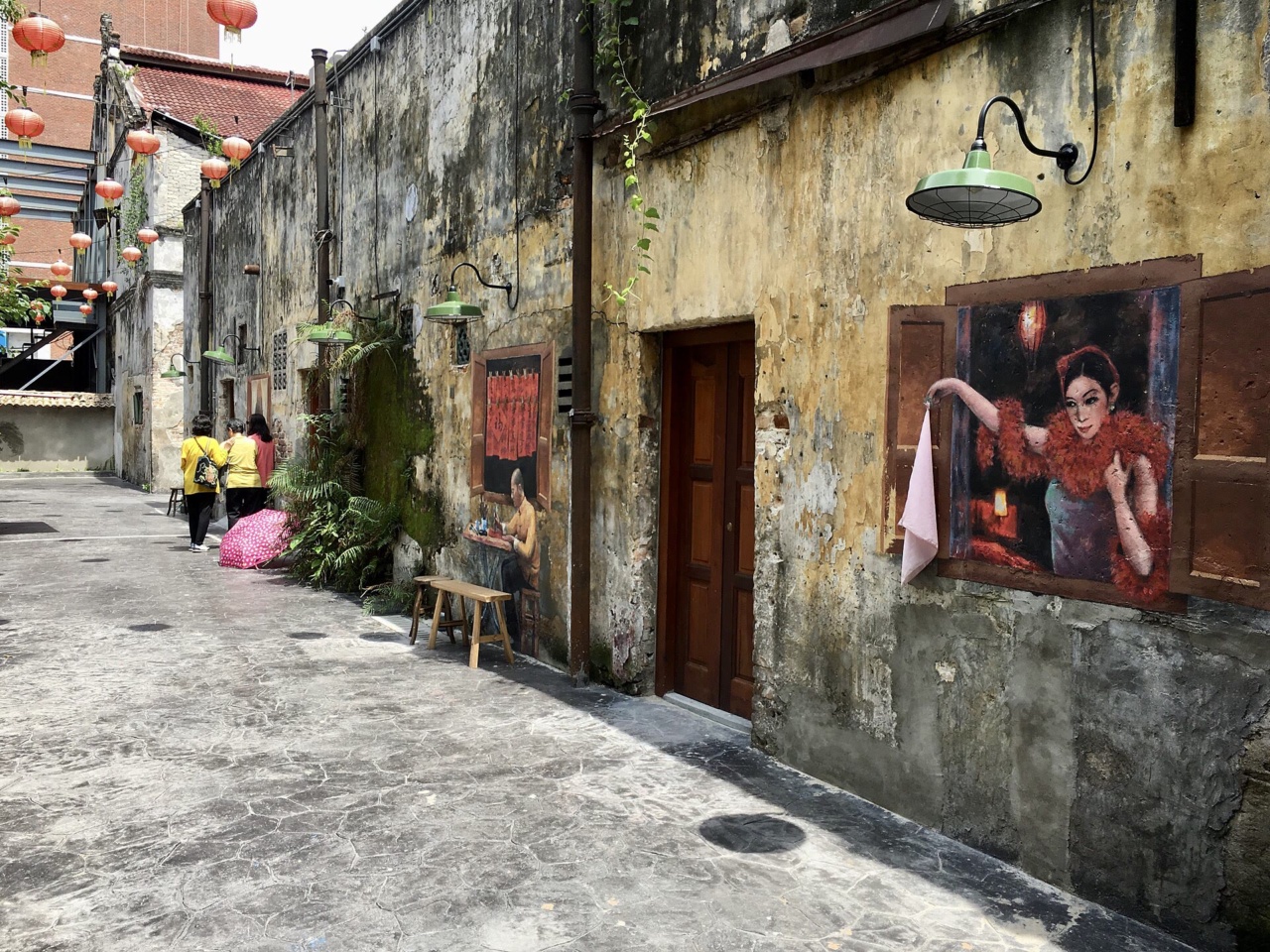
This narrow back alley between Jalan Petaling and Jalan Sultan was once a forgotten passageway. It has been carefully restored and now features a series of large-scale murals by local artists depicting everyday life in Chinatown during the 1960s. The murals are interactive - one shows an old man reading a newspaper on a real bench, another has a vintage bicycle propped against the wall. Kwai Chai Hong also offers one of the best vantage points for photographing the Merdeka 118 tower framed against the old shophouse rooftops. Free to visit and open daily.

RexKL

The old Rex Cinema, built in the 1940s, was abandoned for years before being transformed into a community arts and culture hub. Today RexKL hosts pop-up markets, film screenings, exhibitions, live music and workshops. The ground floor houses a curated bookshop and a cafe. Even if nothing specific is on, it is worth walking through to see how the original cinema architecture has been preserved alongside modern creative use. Check their social media for upcoming events.

Where to Eat in Chinatown

The food alone is reason enough to spend half a day in Chinatown. This area has some of the best and most affordable street food in Kuala Lumpur.

Must-Try Dishes and Where to Find Them

DishWherePrice (MYR)Notes
Hokkien MeeKim Lian Kee8-12Considered the birthplace of KL-style Hokkien mee. Thick noodles in rich dark soy sauce.
Wonton NoodlesKoon Kee7-10Operating since 1942. Springy egg noodles with perfectly wrapped wontons.
Curry LaksaMadras Lane7-9Hidden hawker lane behind Petaling Street. Follow the locals.
Chee Cheong FunMadras Lane5-7Silky rice noodle rolls with sweet sauce and chili.
Yong Tau FooMadras Lane8-12Pick your own stuffed tofu and vegetables, cooked to order.
Air Mata KucingStreet vendors3-5Refreshing longan and winter melon drink. Perfect in the heat.
Tau Fu FaKim Soya Bean3-4Silky smooth soybean pudding with ginger syrup.

Madras Lane Hawker Stalls

If you visit only one food spot in Chinatown, make it Madras Lane. This narrow alley runs parallel to Petaling Street and is packed with hawker stalls that have been serving the neighborhood for decades. There are no signs and no menus in English at most stalls - just point at what looks good and sit at any available plastic stool. The curry laksa, chee cheong fun and yong tau foo here are consistently excellent and cost a fraction of what you would pay in a restaurant. Most stalls open early morning and close by mid-afternoon, so come for a late breakfast or lunch.

Kopitiam Coffee Culture

Chinatown is home to several traditional kopitiam (coffee shops) where you can get thick Malaysian-style kopi made with roasted coffee beans and condensed milk. These old-school coffee shops typically serve toast with kaya (coconut jam) and half-boiled eggs alongside the coffee. Look for the older establishments along Jalan Sultan and Jalan Balai Polis where prices remain low and the atmosphere feels unchanged from decades past.

Getting to Chinatown

Chinatown is centrally located and well connected by public transport. The most convenient option is the LRT - take the Kelana Jaya line to Pasar Seni station and walk five minutes east along Jalan Tun H.S. Lee. Alternatively, the MRT Kajang line stops at Pasar Seni as well. The free GoKL city bus (Purple Line) also stops near Chinatown, making it a zero-cost option if you are already in the city center.

If coming by taxi or Grab, ask to be dropped at the Petaling Street arch - the ornate Chinese gateway that marks the northern entrance to the market. From major landmarks, Chinatown is about 10 minutes from KL Sentral, 15 minutes from Bukit Bintang and 5 minutes from Merdeka Square.

Tips for Visiting Chinatown

  • Best time to visit: Late afternoon into evening gives you the best of both worlds - temples and heritage sites in daylight, then the night market atmosphere as the sun goes down. For food at Madras Lane, come before 2pm.
  • Wear comfortable shoes. The streets are mostly flat but you will be on your feet for hours. Flip-flops work but closed shoes handle the occasional puddle better.
  • Bring cash. While some shops accept cards and e-wallets, most hawker stalls and market vendors are cash only. Small notes (RM1, RM5, RM10) are useful.
  • Dress modestly for temples. Cover shoulders and knees when visiting Sri Mahamariamman and the Chinese temples. Sarongs are available at Hindu temple entrances.
  • Stay hydrated. KL is hot and humid year-round. Buy Air Mata Kucing or fresh coconut water from street vendors to stay cool.
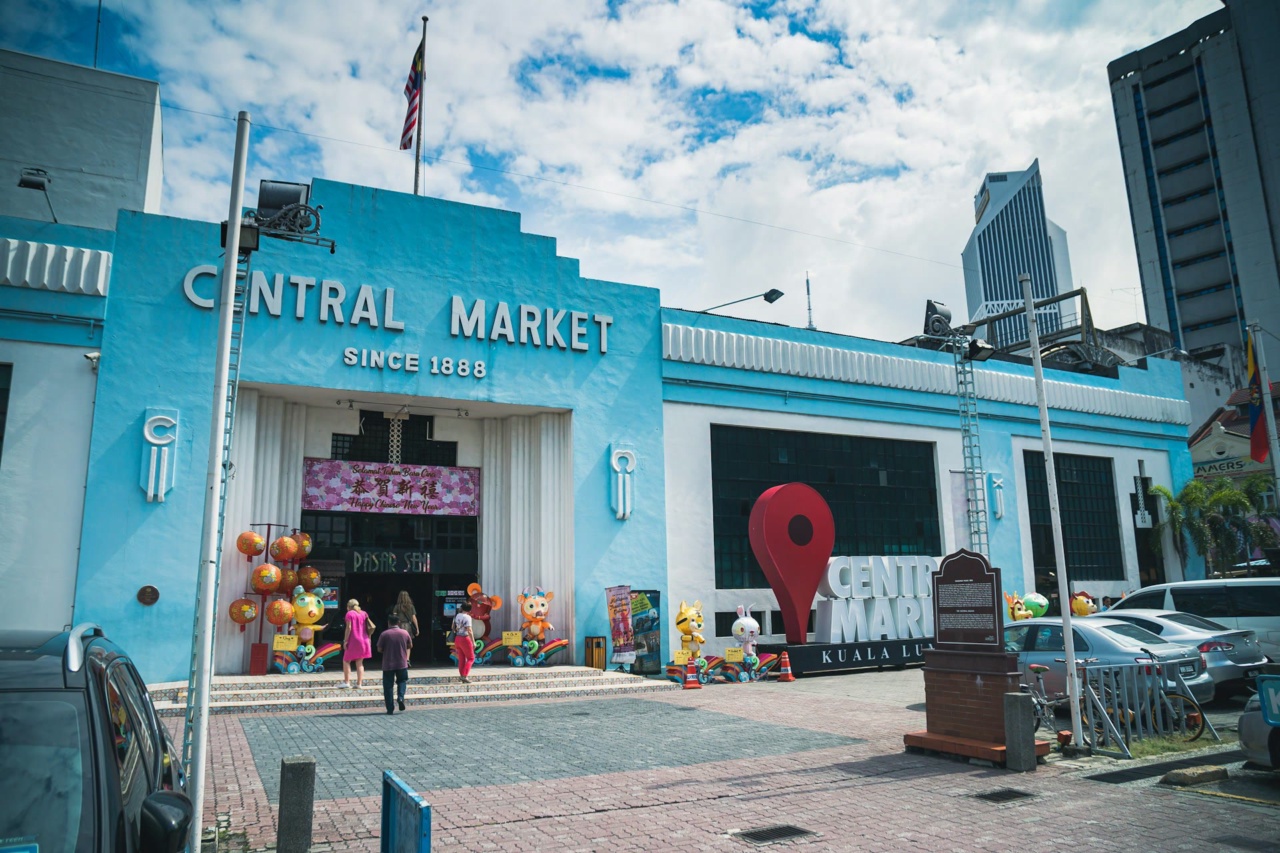
  • Combine with nearby attractions. Central Market (Pasar Seni) is a two-minute walk away and Merdeka Square is a ten-minute walk north. The Masjid Jamek mosque and the confluence of the Klang and Gombak rivers where KL was founded are also within easy walking distance.
  • Watch for rotating street art. Kwai Chai Hong changes its murals periodically, so even repeat visitors may find something new.

For more articles about exploring Malaysia and the rest of Southeast Asia, check out GoAsia.cc where you will find detailed guides for destinations across the region.

Frequently Asked Questions

What is there to do in Chinatown Kuala Lumpur?

Chinatown is packed with heritage temples, street markets, hidden hawker lanes and creative spaces. The main draw is Petaling Street with its covered night market, but the real highlights are the temples like Sri Mahamariamman and Sin Sze Si Ya, the street art at Kwai Chai Hong, and the food stalls tucked away on Madras Lane.

How much should I budget for a day in Chinatown KL?

Chinatown is one of the most affordable areas in Kuala Lumpur. A full meal at a hawker stall costs MYR 7-12 (roughly $2-3), drinks are MYR 3-5, and temple entry is free. Budget around MYR 50-80 for a full day including food, drinks and some market shopping.

How do I get to Chinatown from KL Sentral?

Take the LRT Kelana Jaya line from KL Sentral to Pasar Seni station, which takes about five minutes. From Pasar Seni, walk east for five minutes along Jalan Tun H.S. Lee to reach Petaling Street. The free GoKL Purple Line bus is another option.

When is the best time to visit Petaling Street market?

The market is busiest and most atmospheric in the evening from around 5pm onward when the night market stalls are fully set up and the lanterns are lit. If you want to avoid crowds, late morning on a weekday is quieter. For the hawker food on Madras Lane, arrive before 2pm as stalls close in the early afternoon.

Is Chinatown Kuala Lumpur safe for tourists?

Chinatown is generally safe and well-visited by tourists. As with any busy market area, keep an eye on your belongings in crowded spots, especially around Petaling Street in the evening. Stick to well-lit areas at night and you should have no issues.

Can I visit the Hindu and Chinese temples in Chinatown?

All the major temples in Chinatown welcome visitors free of charge. At Sri Mahamariamman Temple, remove your shoes before entering and dress modestly with shoulders and knees covered. Sarongs are provided at the entrance. The Chinese temples have fewer dress requirements but respectful attire is appreciated.

What food should I try first in Chinatown KL?

Start with Hokkien mee at Kim Lian Kee, which is widely considered the original home of this KL signature dish. Then head to Madras Lane for curry laksa and chee cheong fun. Finish with tau fu fa from Kim Soya Bean and an iced Air Mata Kucing from any street vendor to cool down.

Is bargaining expected at Petaling Street?

Bargaining is absolutely expected at the market stalls on Petaling Street. Start at around half the asking price and negotiate from there. Vendors are used to it and it is considered part of the shopping experience. Fixed-price shops and food stalls do not require bargaining.