Putrajaya Day Trip: Mosques, Lake Views and Gardens
Contents
Putrajaya is easier to enjoy when you choose a few stops rather than trying to see every landmark at once. Putra Mosque, a lake cruise and the Botanical Garden make a practical architecture-and-outdoors day; add another mosque or a longer garden visit if your schedule allows.
Putra Mosque visitor details
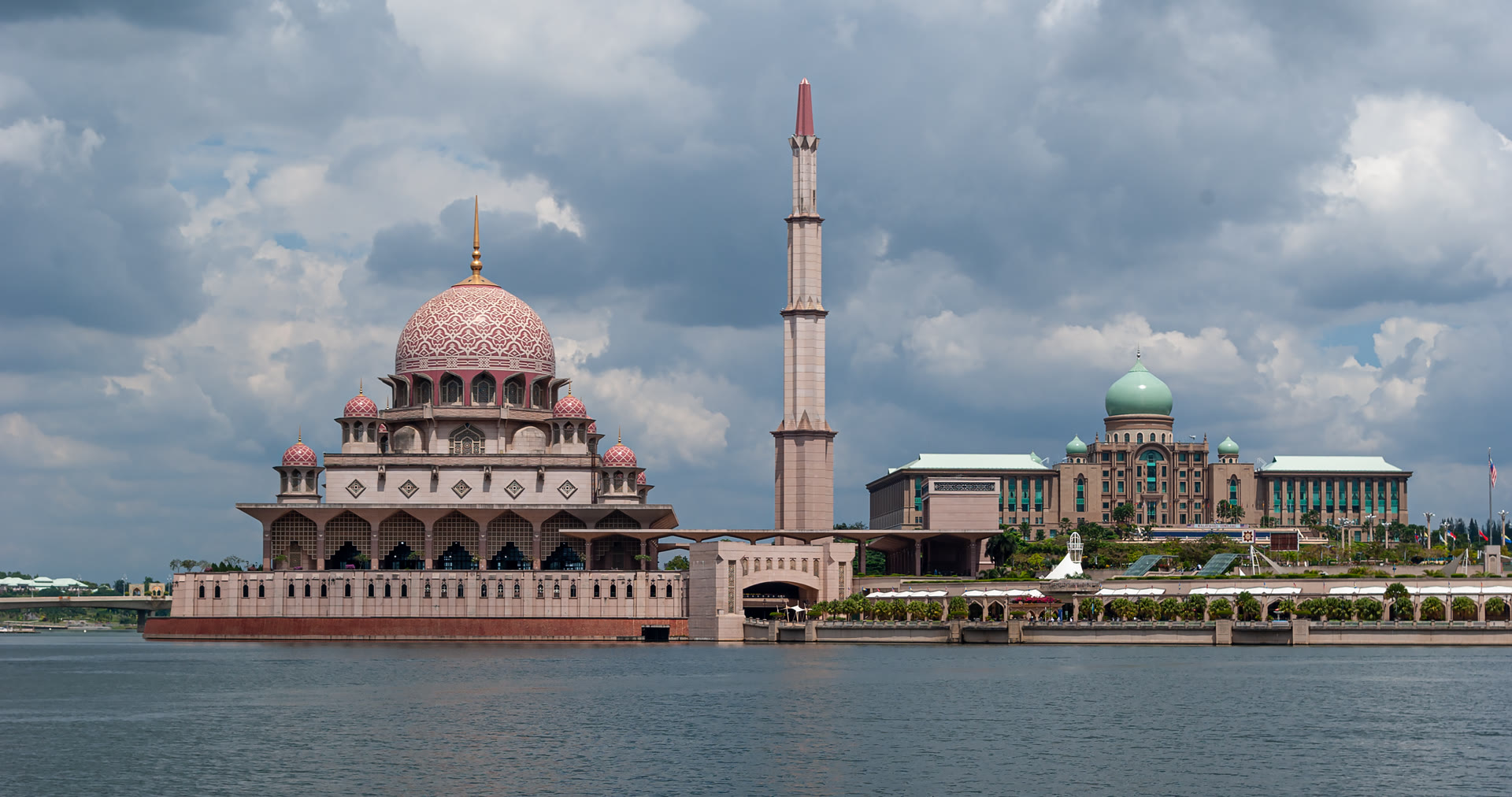
Putra Mosque, often called the Pink Mosque, is a lakeside landmark with a desert-pink dome built from rose-coloured granite and a partly floating structure over Putrajaya Lake. It was completed in 1999 and holds up to 15,000 worshippers.[1] Tourist hours are 09:00 to 18:00 Saturday to Thursday and 15:00 to 18:00 on Friday, and entry is free with no ticket or booking.[1] Cover your shoulders, arms and legs, and women wear a headscarf; robes are usually provided for visitors who need them. Take your shoes off before the prayer hall.[1] Non-Muslim visitors may be kept out of some areas during prayers, so come outside prayer times, and plan to stay until sunset, when the pink dome glows more vividly under golden light.[1] See the Putra Mosque visitor guide.
Things to Do
Offers are only loaded from GetYourGuide after you click. GetYourGuide can then process your IP address and set cookies. Privacy Policy
GetYourGuide partner offers. GoAsia may earn a commission if you book through these offers. Check whether tickets or transfers are included, and follow the attraction's official booking and admission rules.
Choose a lake view or a garden stop
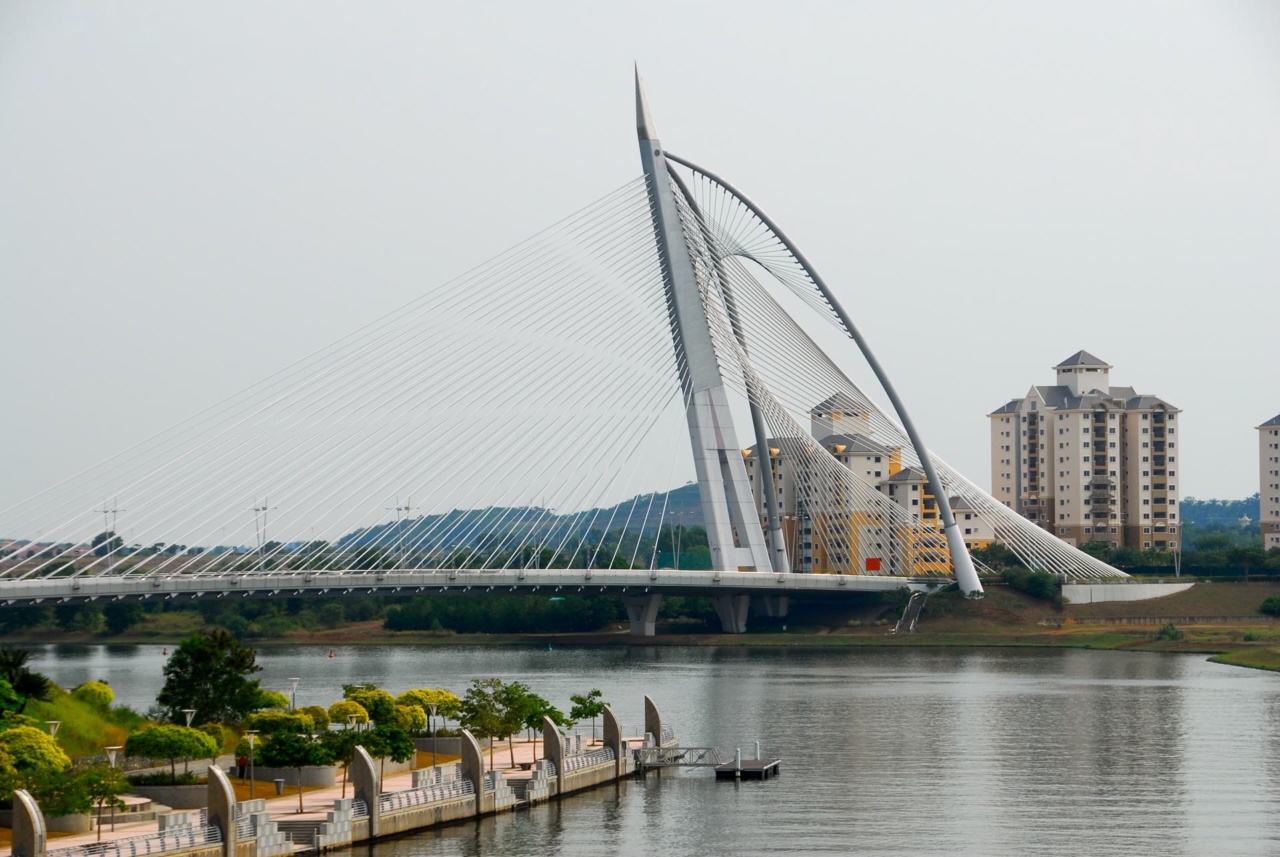
For a view from the water, Cruise Tasik Putrajaya runs a 45-minute Day Cruise past Putra Mosque, Seri Wawasan Bridge and Perdana Putra, the Prime Minister’s office.[2] Tourism Malaysia lists a standard adult fare of RM50 and child fare of RM35, with lower MyKad fares of RM30 and RM20. Departures run from 12:00 on weekdays and from 10:00 at weekends and on public holidays, with the last trip at 18:00, and prices can change.[2] Confirm the trip and fare with the cruise operator on +603 8881 0648 or [email protected].[3] For something more nostalgic, the Perahu sightseeing trip takes a traditional boat around the lake with the chug of its motor.[4] It runs daily from 10:00 to 18:00, at RM40 for a standard adult and RM26 for a child.[2]
If you prefer a land-based stop, the Putrajaya Botanical Garden overlooks the lake. Its first phase brings together more than 750 plant species in 13 themed collections, and the garden also holds the Moroccan Pavilion Islamic Garden and an Ethnobotanical Park.[5]
Getting to Putrajaya
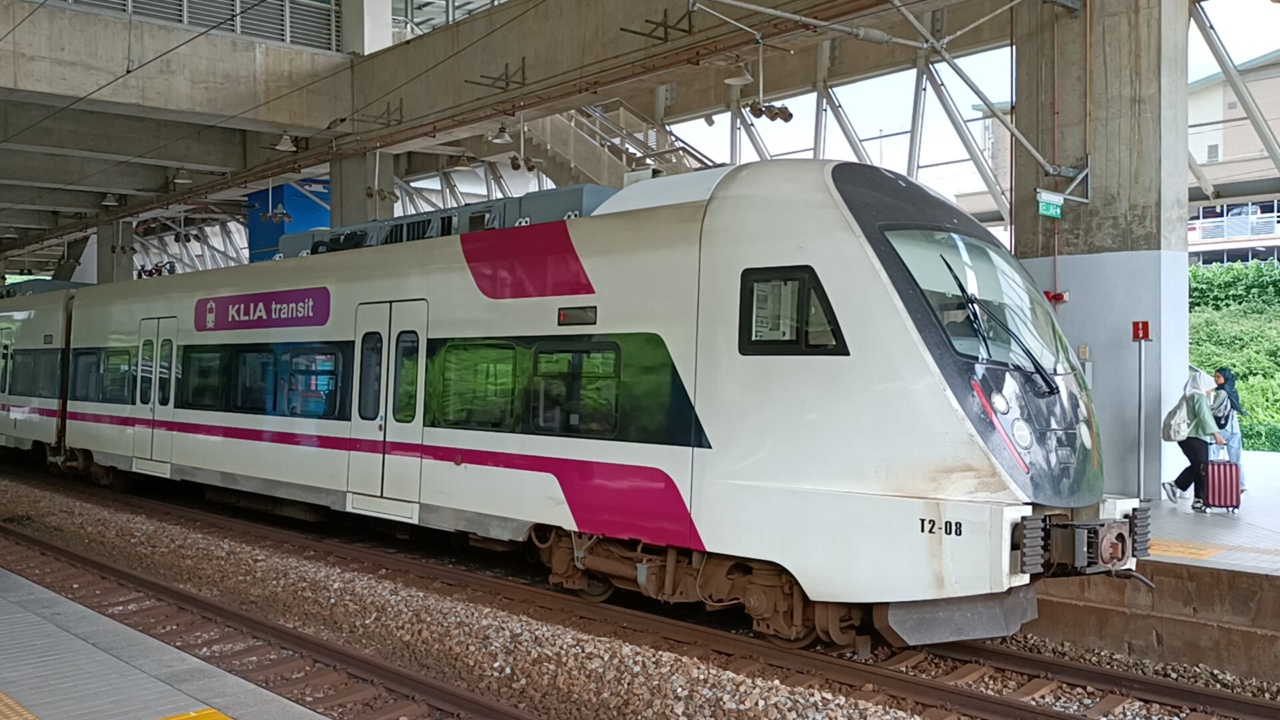
KLIA Transit serves Putrajaya & Cyberjaya station and takes about 20 minutes from KL Sentral. Trains leave every 15 minutes at weekday peaks and every 30 minutes at other times, with the first train from KL Sentral at 05:03 and the last at 00:03.[6] A one-way standard fare from KL Sentral costs RM14 for an adult and RM6.30 for a child aged 6 to 15, and children under 6 travel free. From KLIA Terminal 1 or 2 the fares are RM9.40 for an adult and RM4.20 for a child.[6] The station is not at every landmark: take a taxi or ride-hailing trip from Putrajaya & Cyberjaya station to Putra Mosque. Buses also run from Terminal Bersepadu Selatan to Putrajaya Sentral.[1] To board the cruise, walk down the steps at Dataran Putra and follow the signs.[2] See the operator's fare page for the full table.
How much time to allow
Allow at least half a day for Putra Mosque, a lakefront stop and a cruise. A full day gives more room for the Botanical Garden and a second landmark. Let the mosque's visitor hours and the cruise departures decide the order of your day.
For more destinations, see our Malaysia travel guide.
Sources and background
Numbers in the text such as [1] refer to these sources.
- [1] Tourism Malaysia, official national tourism portal: Putra Mosque visitor guide. Retrieved October 20, 2026.
- [2] Tourism Malaysia, official national tourism portal: A Journey through Malaysia’s Capital with Cruise Tasik Putrajaya. Retrieved October 20, 2026.
- [3] Cruise Tasik Putrajaya, operator website: Sightseeing Cruise service. Retrieved October 20, 2026.
- [4] Cruise Tasik Putrajaya, operator website: Perahu Sightseeing service. Retrieved October 20, 2026.
- [5] Perbadanan Putrajaya, official portal: Putrajaya Botanical Garden. Retrieved October 20, 2026.
- [6] Express Rail Link Sdn Bhd, KLIA Transit operator: KLIA Transit fares and service information. Retrieved October 20, 2026.
Frequently Asked Questions
Start with Putra Mosque and its lakeside setting. A Cruise Tasik Putrajaya trip shows Putra Mosque, Seri Wawasan Bridge and Perdana Putra from the water, and the Botanical Garden adds themed plant collections.
Tourist hours are 09:00 to 18:00 Saturday to Thursday and 15:00 to 18:00 on Friday, with free entry. Some areas may be closed to non-Muslim visitors during prayers.
Cover your shoulders, arms and legs, and women wear a headscarf. Robes are usually provided for visitors who need them. Take your shoes off before the prayer hall.
The 45-minute Day Cruise costs RM50 for a standard adult and RM35 for a child, with lower MyKad fares of RM30 and RM20. Prices can change, so confirm with Cruise Tasik Putrajaya.
The Day Cruise is a 45-minute sightseeing trip on the operator's cruise boats. The Perahu is a traditional motorboat trip around the lake, daily from 10:00 to 18:00, at RM40 for a standard adult and RM26 for a child.
Take KLIA Transit from KL Sentral to Putrajaya & Cyberjaya station, about 20 minutes. A one-way adult fare is RM14 and a child aged 6 to 15 pays RM6.30; children under 6 travel free. From the station, take a taxi or ride-hailing trip to the landmark you are visiting.
Add it if you want a nature stop alongside the architecture. Its first phase has more than 750 plant species in 13 themed collections, and the garden also holds the Moroccan Pavilion Islamic Garden and an Ethnobotanical Park.
Half a day is enough for Putra Mosque, a lake stop and one cruise. A full day leaves room for the Botanical Garden and another landmark.