The first thing that hits you in George Town is the smell: charcoal smoke drifting from a hawker stall frying char koay teow, incense curling out of a Chinese clan house, the warm funk of durian from a roadside vendor. Penang operates on a sensory frequency that most cities in Southeast Asia can only aspire to. This is a place where UNESCO World Heritage status protects not just buildings but an entire way of life, where simple hawker meals routinely outperform expensive dinners elsewhere in the region.
Penang is technically a state comprising both the island of Penang (Pulau Pinang) and a strip of mainland called Seberang Perai, but when travelers say "Penang" they almost always mean the island, and specifically its capital, George Town. The city occupies the northeast corner of the island and packs an extraordinary density of temples, mosques, churches, street art, and hawker stalls into a walkable historic core. Beyond George Town, the island offers jungle-covered hills, quiet fishing villages, and beaches that range from decent to disappointing.
Penang suits food-obsessed travelers above all else, but it also rewards history buffs, street art hunters, and budget travelers looking for a comfortable base with excellent infrastructure. Families find it manageable; couples find it romantic in a disheveled, atmospheric way. If you need pristine beaches or nightclub culture, look elsewhere. If you want to eat your way through one of Asia's great food cities while exploring a genuinely fascinating cultural landscape, Penang delivers like few places can.
Orientation and Neighborhoods
George Town's UNESCO core sits in the northeast tip of the island, bounded roughly by the waterfront to the north and east, Jalan Dr Lim Chwee Leong to the south, and Jalan Transfer to the west. This is where you will spend most of your time. The streets form a loose grid that is easy to navigate on foot once you get your bearings.
George Town Heritage Zone
The heart of everything. Armenian Street (Lebuh Armenian), Chulia Street (Lebuh Chulia), and Love Lane form the main tourist axis, packed with cafes, boutique hotels, street art, and heritage buildings. Stay here if you want to walk to everything and eat at hawker stalls steps from your door. It gets lively in the evenings but is rarely overwhelming.
Little India and Lebuh Penang
Just south of the heritage core, Little India runs along Lebuh Pasar and Queen Street. This is where you find banana leaf rice, garland sellers, and a more chaotic energy. Budget accommodation clusters here, and the food is outstanding.
Gurney Drive and Pulau Tikus
The modern, upscale side of Penang stretches along the northern waterfront. Gurney Drive is famous for its hawker center (Gurney Drive Hawker Centre) and lined with condominiums and shopping malls. This area suits travelers who prefer newer hotels and air-conditioned comfort over heritage charm.
Batu Ferringhi
The main beach strip on the island's north coast. Hotels range from budget to resort-level. The beach itself is mediocre by Southeast Asian standards, with murky water and coarse sand. Come here if beach access matters to you, but know that the food and culture scene is far thinner than in George Town.
Air Itam and Penang Hill
Inland and uphill from George Town, Air Itam is where you find Kek Lok Si Temple and the Penang Hill funicular. The area has a more local, residential feel and some legendary hawker stalls, including what many consider the island's best laksa.
Best Time to Visit
Penang sits close to the equator and stays hot and humid year-round, with no true cool season. Rain falls throughout the year but intensifies during the monsoon months.
| Period | Weather | Crowds | Prices |
|---|
| December - February | Drier, slightly cooler evenings | High (holiday season) | Higher |
| March - May | Hot and relatively dry | Moderate | Moderate |
| June - August | Hot, occasional rain | Moderate to high | Moderate |
| September - November | Wettest months, heavy afternoon downpours | Lower | Lower |
The sweet spot is roughly February through April, when rain is less frequent and holiday crowds have thinned. September through November sees the heaviest rainfall, but showers are usually intense and brief rather than all-day affairs. You can visit comfortably any time of year if you carry an umbrella and plan outdoor activities for the morning.
Chinese New Year (January or February) transforms George Town with parades, lion dances, and open-house celebrations at clan houses, but hotels book up fast. The George Town Festival, typically held mid-year, brings performing arts and installations to heritage spaces. The Thaipusam procession (January or February) at the Waterfall Hilltop Temple is one of the most dramatic religious events in Malaysia.
Getting There and Getting Around
Penang International Airport (PEN) sits in the island's south. Taxis and Grab are the simplest way into George Town. Rapid Penang's route 306 links the airport with Penang General Hospital in George Town, and route 102 runs between the airport and Teluk Bahang.[1]
From mainland Malaysia, you can cross the Penang Bridge by bus or car. Long-distance buses arrive at Sungai Nibong Bus Terminal on the island or at Penang Sentral in Butterworth.[2] Terminal Bersepadu Selatan in Kuala Lumpur lists bus fares of RM32.00 to RM60.00 for Penang and RM28.00 to RM40.00 for Butterworth.[3] KTMB's ETS train runs from KL Sentral to Butterworth, the gateway to Penang by bridge or ferry.[4] The passenger ferry from Butterworth to George Town's Raja Tun Uda Terminal at Pengkalan Weld runs every 20 minutes at peak and every 30 minutes off peak, from 06:30 to 23:00, and the adult fare is RM2.00.[5]
Within George Town, walking is the best way to explore the heritage zone. The CAT (Central Area Transit) bus links Weld Quay and Komtar between 06:00 and 23:45, every 10 to 15 minutes.[1] Rapid Penang buses cover the wider island, with adult cash fares of RM1.40 for the first 7 km up to RM5.00 on the longest stages, and a Rapid Passport for tourists covers 7 days of unlimited travel for RM30.[1] Grab is the dominant ride-hailing app and works reliably across the island. Renting a scooter is popular, but traffic can be chaotic and road surfaces uneven. For more details on transport connections across Malaysia and the region, GoAsia.cc has comprehensive route information.
Top Sights and Experiences
Must-See Attractions
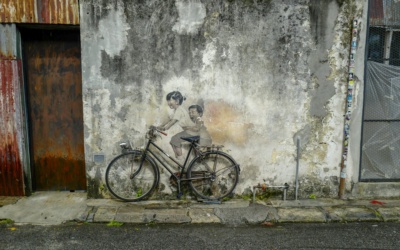
George Town Street Art Trail: Lithuanian artist Ernest Zacharevic's murals, painted on heritage buildings throughout the old town, launched Penang's reputation as a street art destination. "Kids on Bicycle" on Armenian Street and "Boy on a Motorbike" on Ah Quee Street are the most photographed. Arrive before 9 AM to beat the selfie crowds. The trail is free and best done on foot.
Khoo Kongsi: The most ornate Chinese clan house in Malaysia, tucked down a narrow lane off Cannon Street. The main hall features jaw-dropping carved stone pillars, gilded woodwork, and painted ceramic friezes. Budget 30 to 45 minutes.
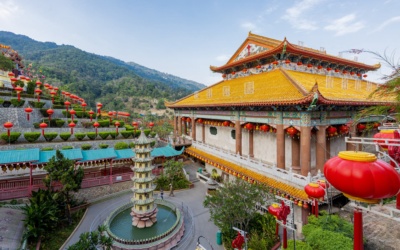
Kek Lok Si Temple: A large Buddhist temple complex sprawls up a hillside in Air Itam. The Pagoda of Ten Thousand Buddhas blends Chinese, Thai, and Burmese architectural styles. Check at the entrance which areas, such as the pagoda and the inclined lift to the giant Kuan Yin statue, charge a fee. Go early morning to avoid heat and tour groups. Allow one to two hours.
Penang Hill (Bukit Bendera): A funicular railway climbs to a hilltop with panoramic views over George Town and the Strait of Malacca. The ride itself is half the fun. The funicular runs daily from 06:30 to 23:00, and a standard adult return ticket in the normal lane costs RM40 (RM80 in the express lane).[6] The summit has a small food court, walking trails, and a canopy walk (The Habitat) that charges a separate entry but is worth it for the treetop perspectives. Go on a clear morning for the best views.
Cheong Fatt Tze Mansion (The Blue Mansion): This meticulously restored indigo-blue mansion is a masterpiece of Chinese courtyard architecture and feng shui design. The mansion also operates as a boutique hotel.[7] Guided tours are the main way for non-guests to see the interior, so check the mansion's website for tour times.
Clan Jetties: Wooden jetty villages built on stilts over the water at Weld Quay, each belonging to a different Chinese clan. Chew Jetty is the most visited and has become somewhat touristy, with souvenir stalls lining the walkway. For a more authentic feel, walk to the quieter Lee Jetty or Tan Jetty next door. Free to visit; 20 to 30 minutes is enough.
Lesser-Known Gems
Hin Bus Depot: A converted bus depot on Jalan Gurdwara that serves as George Town's contemporary art hub. Rotating exhibitions, a weekend market, good coffee, and a relaxed atmosphere. Free entry to the grounds.
Penang Peranakan Mansion: A private museum showcasing the Baba-Nyonya (Straits Chinese) culture through an incredible collection of antiques, jewelry, and furniture. More intimate and less crowded than the Blue Mansion.
Tropical Spice Garden: Located along the road to Batu Ferringhi, this beautifully maintained garden showcases tropical plants and spices. Guided tours add real value. A peaceful half-day escape from the city.
Overrated Attractions
Batu Ferringhi Beach: Often promoted as Penang's main beach, but the water is murky and the sand unremarkable. The night market is mediocre. Unless you are staying at a beachfront resort and want pool access, George Town is a far better base.
Penang 3D Trick Art Museum: One of several gimmicky attractions that have popped up in the heritage zone. Pricey for what it offers and forgettable. Your time is better spent at genuine heritage sites.
Entopia Butterfly Farm: Fine for young children but pricey for what it offers. The Tropical Spice Garden nearby provides a better nature experience.
Food and Drink
Penang's food reputation is not hype. The island consistently tops lists of Asia's best street food cities, and the competition between hawkers is fierce enough that mediocre stalls simply do not survive. Eating is the primary activity here, and you should structure your days around meals rather than sights.
Signature Dishes
| Dish | Description | Where to Try |
|---|
| Char Koay Teow | Flat rice noodles stir-fried with shrimp, cockles, egg, bean sprouts, and chives over intense charcoal heat | Hawker stalls across George Town; Kafe Heng Huat on Lorong Selamat is legendary |
| Assam Laksa | Sour, tamarind-based fish broth with thick rice noodles, mackerel flakes, mint, and shrimp paste | Air Itam Market for the classic version |
| Nasi Kandar | Steamed rice with a choice of curries, fried chicken, and vegetables, drenched in mixed curry gravies | Nasi kandar restaurants along Jalan Penang and Lebuh Chulia |
| Hokkien Mee (Prawn Mee) | Rich prawn-and-pork-bone broth with yellow noodles and rice vermicelli, topped with prawns and kangkung | Hawker centers throughout George Town |
| Cendol | Shaved ice with green rice flour jelly, coconut milk, palm sugar, and red beans | The famous rival stalls on Lebuh Keng Kwee (Penang Road) |
| Rojak | Fruit and vegetable salad tossed in thick, sweet shrimp paste sauce with crushed peanuts | Hawker stalls near Lebuh Kimberley |
| Chee Cheong Fun | Steamed rice noodle rolls with sweet sauce, chili paste, and shrimp paste | Morning market stalls and hawker centers |
Where to Eat
Lebuh Kimberley and Lebuh Chulia: These parallel streets in the heritage zone are ground zero for hawker food. Lebuh Kimberley comes alive at night with pushcart vendors selling duck rice, koay teow th'ng (clear noodle soup), and popiah (spring rolls). Chulia Street has a mix of hawker stalls and sit-down restaurants catering to both locals and tourists.
New Lane (Lorong Baru): A nightly open-air hawker street that sets up after dark near Jalan Macalister. The char koay teow and fried oyster omelette here are exceptional. Arrive by 6 PM to grab a table.
Gurney Drive Hawker Centre: A large, organized hawker center popular with locals and tourists. The laksa, satay, and pasembur (Indian rojak) stalls are standouts. Slightly pricier than street stalls but still very affordable.
Air Itam Market: Less touristy and home to what many locals consider the best assam laksa on the island. Worth the trip from George Town, especially combined with a visit to Kek Lok Si.
Prices
Hawker meals are very cheap, sit-down restaurants and heritage dining cost more, and traditional kopitiam (coffee shop) coffee costs far less than at the specialty coffee shops that have appeared in the heritage zone. Alcohol is available but more expensive than in neighboring Thailand or Vietnam due to Malaysian taxes. Many hawker stalls do not serve alcohol, but you can often buy beer from a nearby shop and bring it to your table.
Where to Stay
Budget
George Town has a dense concentration of hostels and guesthouses along Love Lane, Lebuh Chulia, and Muntri Street, with dorm beds and basic private rooms in shophouse guesthouses. The heritage zone location means you are steps from food and sights.
Mid-Range
This is Penang's sweet spot. Beautifully converted heritage shophouses operate as boutique hotels throughout the old town, offering antique furnishings, courtyard gardens, and genuine character. The area around Armenian Street and Stewart Lane has several excellent options.
Upscale
The Blue Mansion (Cheong Fatt Tze) is the most iconic luxury stay, one of three heritage properties run by Cheong Fatt Tze Hotels & Residences.[7] Several international chains operate along Gurney Drive and in Batu Ferringhi. The Eastern and Oriental Hotel (E&O) on the waterfront is Penang's grand colonial dame. For resort-style stays with pools and beach access, Batu Ferringhi has the widest selection.
Practical Tips
Safety: Penang is generally very safe for tourists, including solo female travelers. Petty theft (bag snatching from motorbikes) occurs occasionally in George Town, so keep bags on the side away from the road. Avoid walking alone in poorly lit areas late at night, though violent crime against tourists is rare.
- Currency: Malaysian Ringgit (MYR). Cash is king at hawker stalls and smaller shops. ATMs are plentiful. Credit cards are accepted at hotels, malls, and upscale restaurants but not at most hawker centers or small eateries. Bring small bills; hawker vendors often cannot break large notes.
- Tipping: Not expected or customary in Malaysia. Some upscale restaurants add a service charge. Rounding up a taxi fare is appreciated but not required.
- SIM cards: Prepaid SIM cards from Hotlink, Digi, or Celcom are available at the airport and convenience stores. Registration requires your passport.
- Language: English is widely spoken in George Town, especially in tourist areas, hotels, and restaurants. Most signage is bilingual. Hawker vendors may speak limited English but ordering is usually straightforward by pointing. Learning a few Malay words (terima kasih for thank you, berapa for how much) is appreciated.
- Dress code: Penang is multicultural and relatively relaxed, but cover shoulders and knees when visiting mosques and some temples. Kapitan Keling Mosque provides robes for visitors.
- Tap water: Not safe to drink. Bottled water is cheap and available everywhere. Ice in drinks at established hawker stalls and restaurants is generally made from filtered water and safe.
- Heat management: The humidity is relentless. Explore on foot in the early morning or late afternoon. Duck into air-conditioned cafes, museums, or malls during the midday heat. Carry water and sunscreen at all times.
Day Trips
Penang National Park (Taman Negara Pulau Pinang)
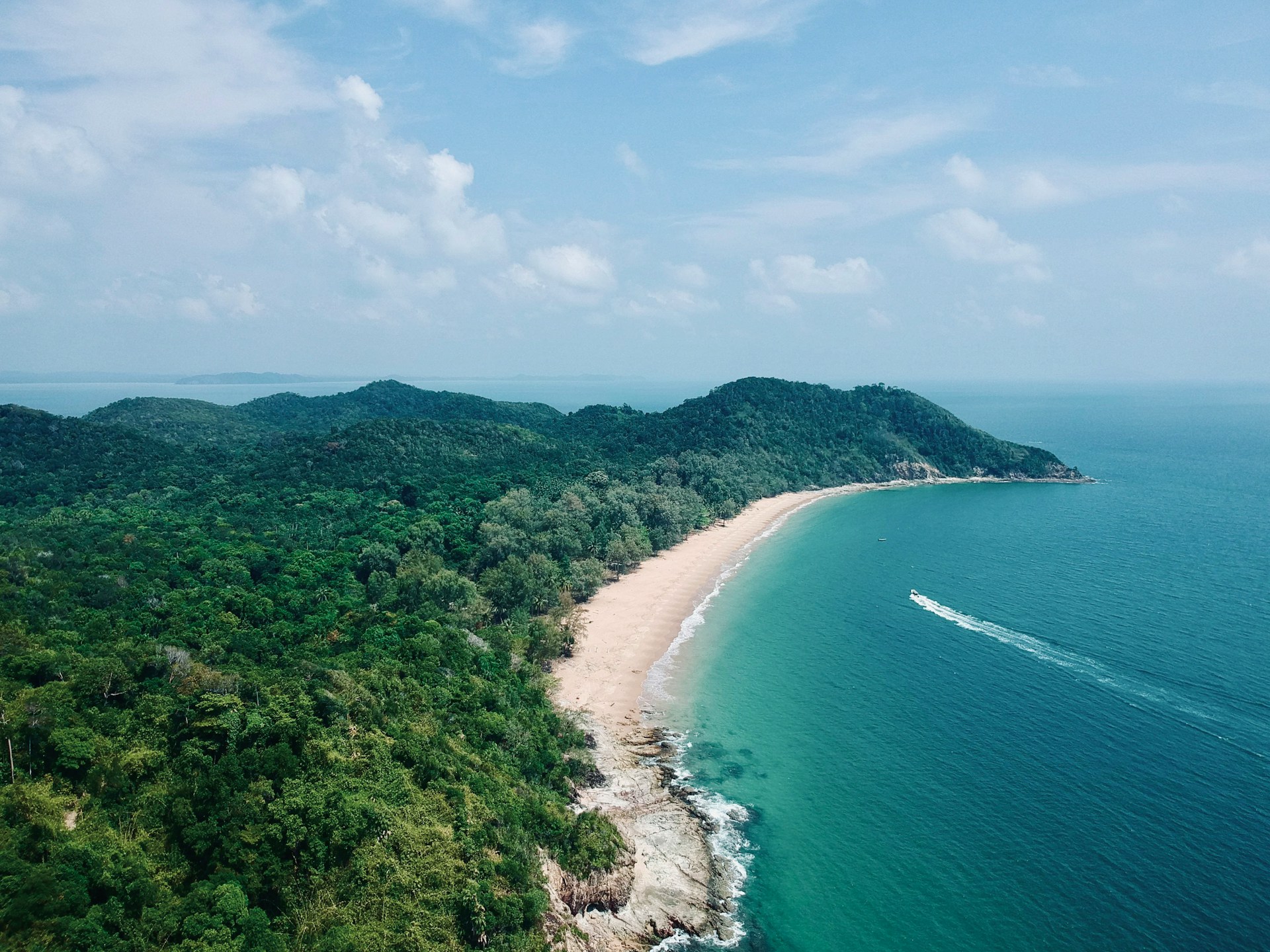
Penang National Park (Taman Negara Pulau Pinang): Located at the island’s northwest tip, about 30 km (around 45 minutes) from George Town.[8] Rapid Penang buses 101 and 102 run from Komtar or Weld Quay to the Teluk Bahang entrance.[8] The park offers jungle trails, a meromictic lake at Kerachut Beach, and beaches. The main entrance at Teluk Bahang is open daily from 08:00 to 16:30, closed 13:00 to 14:00, and the trail to Kerachut Beach takes about 2 hours on foot.[8] Entry is charged and camping needs advance booking; see the fee schedule on the official PERHILITAN park page and ask the park office for current trail access and boat quotes. A practical half-day outing is possible with a short route.
Balik Pulau
The rural, Malay-majority side of the island on the western coast. Known for durian orchards (seasonal), laksa that rivals Air Itam's, and a slower pace of life. Best explored by car or scooter. Combine with a stop at the fishing village of Teluk Bahang for fresh seafood.
Ipoh
The capital of Perak state, roughly two hours south by bus.[9] Ipoh has its own impressive heritage old town, cave temples, and a food scene that rivals Penang's (locals will argue this point endlessly). The white coffee, bean sprout chicken, and hor fun are must-tries. Easily doable as a day trip but worth an overnight if you have time.
Langkawi
Langkawi: The duty-free island archipelago lies to the northwest. The Langkawi Ferry Line lists routes between Langkawi and Kuala Kedah or Kuala Perlis, not from Penang’s Swettenham Pier.[10] Langkawi offers better beaches, mangrove tours, and the famous Sky Bridge. Too far for a comfortable day trip; plan at least one night.
Taiping
A charming, under-visited town south of Penang. It boasts a historic lake garden, a well-preserved colonial center, and Maxwell Hill (Bukit Larut), a hill station. The food scene here is excellent and uncrowded. A rewarding day trip for travelers who enjoy off-the-beaten-path destinations.
Sample 3-Day Itinerary
Day 1: George Town Heritage and Food
Morning: Start at the Clan Jetties at Weld Quay for a quiet stroll before the crowds arrive. Walk to Khoo Kongsi and spend 45 minutes admiring the clan house. Continue through the heritage zone to Armenian Street for the street art trail.
Afternoon: Lunch at a hawker stall on Lebuh Kimberley or Lebuh Chulia (try char koay teow or Hokkien mee). Visit the Penang Peranakan Mansion, then cool off with cendol on Lebuh Keng Kwee. If energy remains, join a guided tour of the Blue Mansion.
Evening: Head to New Lane hawker street for dinner. Try the fried oyster omelette and satay. Walk off dinner along the Esplanade waterfront as the city lights up.
Day 2: Penang Hill, Temples, and Air Itam
Morning: Take a Grab to the Penang Hill funicular station. Ride up early to beat the heat and enjoy clear views. Spend an hour at the summit and consider adding The Habitat canopy walk.
Afternoon: Descend and head to Kek Lok Si Temple, a short drive or walk downhill. Explore the temple complex for an hour. Lunch at Air Itam Market for the famous assam laksa. If time allows, visit Wat Chayamangkalaram (the reclining Buddha temple) on the way back to George Town.
Evening: Dinner at a nasi kandar restaurant on Jalan Penang. Afterward, explore the cafes and bars around Love Lane and Armenian Street.
Day 3: Nature, Balik Pulau, or Beach
Option A (Nature): Morning trip to Penang National Park for a jungle trek to Monkey Beach. Bring water and snacks. Return by early afternoon. Spend the late afternoon revisiting favorite hawker stalls or shopping for souvenirs in the heritage zone.
Option B (Rural Penang): Rent a scooter or hire a Grab to Balik Pulau. Explore the countryside, visit a nutmeg or durian farm (seasonal), and eat laksa at a local stall. Loop back via Teluk Bahang for seafood.
Evening: Final dinner at Gurney Drive Hawker Centre for any dishes you missed. Try the pasembur and end with an ais kacang (shaved ice dessert).
Budget Overview
Costs in Penang depend mostly on where you sleep. Hawker meals and public buses are inexpensive, heritage boutique hotels cost more than guesthouses, and the biggest expense is often the flight in rather than anything on the ground.