Plan your Malaysia flights with this guide to domestic airlines, routes between Peninsular Malaysia and Borneo, booking tips, and what to expect on board.
Malaysia stretches across two landmasses separated by the South China Sea, making air travel not just convenient but essential to experiencing the full breadth of the country. From the gleaming terminals of Kuala Lumpur to tiny airstrips carved into the Borneo jungle, flying in Malaysia connects worlds that feel centuries apart - the skyscrapers of Peninsular Malaysia on one side, the ancient rainforests of Sabah and Sarawak on the other. The country also happens to be the birthplace of AirAsia, the airline that revolutionized budget flying across Southeast Asia, meaning domestic flights here are frequent, competitive, and remarkably affordable.
The Flight Network in Malaysia
Malaysia's domestic air network is extensive and well-developed, anchored by Kuala Lumpur International Airport (KLIA), which serves as the primary hub for the entire country. KLIA has two terminals, Terminal 1 and Terminal 2 (KLIA2), linked by a 3-minute train ride.[1] AirAsia flies from Terminal 2.[2]
Beyond Kuala Lumpur, key airports include Penang, Langkawi, Kota Kinabalu, Kuching, Johor Bahru (Senai), and Kota Bharu. In Malaysian Borneo, the network reaches smaller towns like Sandakan, Miri and Sibu.[3][4][5] Remote communities in Sarawak, Sabah and Labuan are served by AirBorneo, which took over the MASwings rural air services on 1 January 2026.[6]
The most popular domestic routes connect KL to Penang, Langkawi, Kota Kinabalu, and Kuching. Flights between Peninsular Malaysia and Borneo, such as Kuala Lumpur to Kota Kinabalu, take around two and a half hours,[2] while peninsula routes such as Penang to Kuala Lumpur take around one hour.[7]
Classes and Comfort Levels
Domestic flights in Malaysia generally fall into two categories: full-service and low-cost. Understanding the difference helps you choose the right option for your trip.
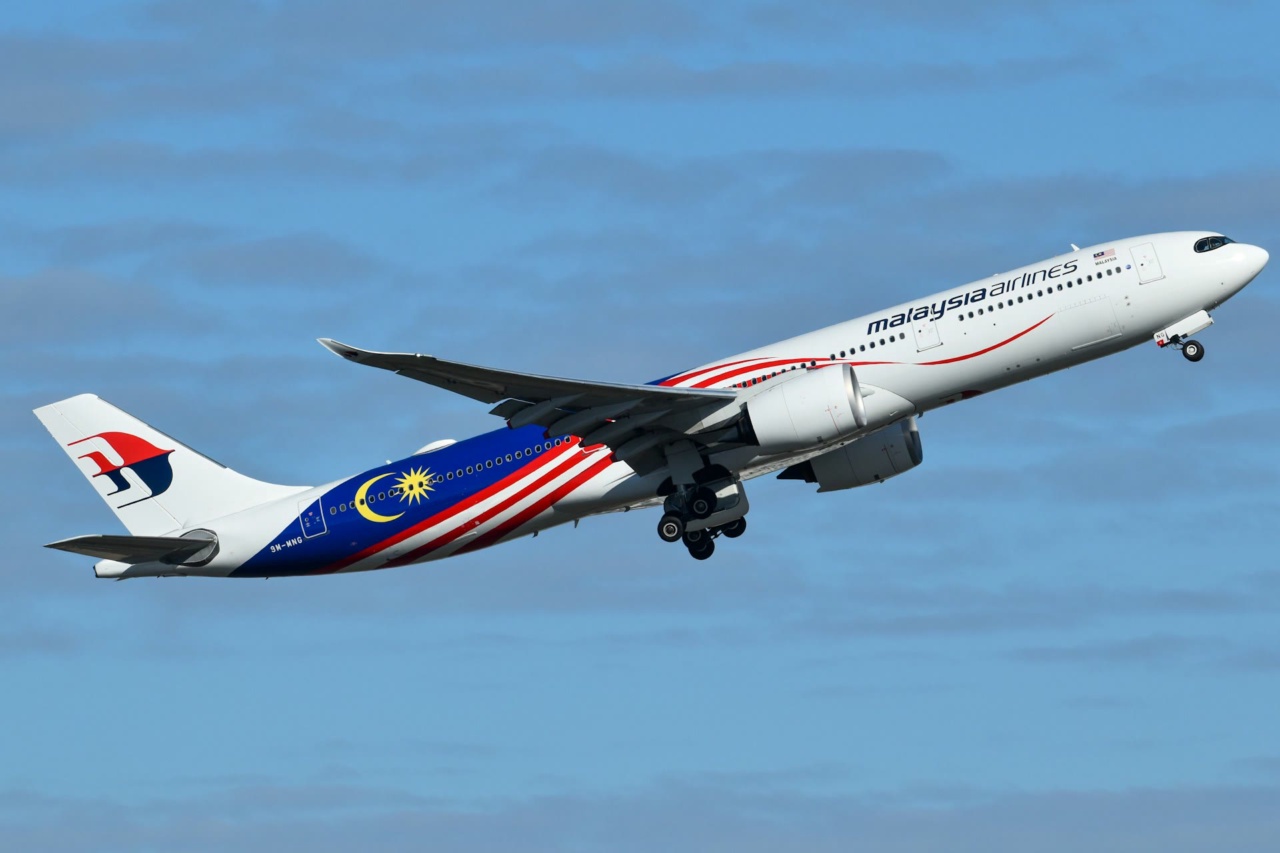
Malaysia Airlines operates many domestic routes as a full-service carrier: its fares to destinations such as Kota Bharu and Kota Kinabalu include checked baggage and meals.[8][9]
AirAsia follows the classic low-cost model: the base fare covers your seat and a 7 kg cabin allowance. Everything else - checked baggage, meals and seat selection, including Hot Seats - is an add-on.[10] For budget-conscious travelers on short flights, the basic AirAsia fare is hard to beat.
Firefly, a Malaysia Airlines subsidiary, flies from Sultan Abdul Aziz Shah Airport (Subang) near KL, which is smaller and more convenient than KLIA for some travelers, and from Penang. Its destinations include Langkawi and Kota Bharu.[11]
Batik Air Malaysia (formerly Malindo Air) sells fares with different checked baggage allowances, from none on its Super Saver fare to 15 kg on Economy Value and 25 kg on Economy Flexi.[12]
Booking and Tickets
Booking domestic flights in Malaysia is straightforward and almost entirely digital. Each airline has its own website and mobile app where you can book directly. AirAsia's app is a convenient way to book and often offers promotional fares that can be remarkably low.
Third-party platforms are also widely used for comparing fares across airlines. GoAsia.cc lets you compare flight options and book in one place, which is especially useful when you want to weigh the true cost of a low-cost fare (after adding baggage and meals) against a full-service ticket that includes everything.
Advance booking is strongly recommended for popular routes, particularly during Malaysian school holidays, Hari Raya (Eid), Chinese New Year, and the Deepavali period. Flights to Langkawi and Borneo destinations can fill up during peak seasons. For off-peak travel, booking a week or two in advance usually secures a good fare.
All airlines accept major credit and debit cards. E-tickets and mobile boarding passes are standard across all carriers, though some smaller airports in Borneo may still require a printed boarding pass - it is wise to have one ready just in case.
What to Expect on Board
Domestic flights in Malaysia are generally smooth and efficient. Peninsula routes are quick - KL to Penang is only about an hour in the air, which means the seatbelt sign sometimes stays on for most of the flight. The KL to Kota Kinabalu route, at around two and a half hours, feels more like a proper journey and is long enough to settle in with a movie or a nap.
On Malaysia Airlines, meals are included on routes such as Kota Kinabalu and Kota Bharu.[8][9] AirAsia sells hot meals from its Santan menu, starting from MYR 6.90.[10]
If you are connecting between KLIA Terminal 1 and Terminal 2 (KLIA2), note that the two terminals are separate and connected by a 3-minute train ride - allow generous time for inter-terminal connections.[1]
Wi-Fi and charging ports are not guaranteed on domestic flights. Bring a portable charger if staying connected matters to you.
Malaysian travelers are generally courteous and quiet on flights. One cultural note: during Ramadan, many passengers will be fasting, so be mindful about consuming food and drink openly, though no one will expect non-Muslims to fast.
Tips for Flight Travel in Malaysia
Use Subang Airport when possible. If you are based in KL and flying Firefly from Subang, Sultan Abdul Aziz Shah Airport (Subang/SZB) is far closer to the city center than KLIA and much less hectic to navigate.
Factor in the true cost of low-cost carriers. An AirAsia fare might look incredibly cheap, but once you add a checked bag, meal, and seat selection, it can approach or exceed a full-service fare such as Malaysia Airlines, which includes checked baggage and meals. Always compare the total cost.
Book AirBorneo flights to rural Borneo early. These small-aircraft flights to remote communities have limited capacity, so seats can run out quickly.
Dress warmly for the cabin. Malaysian airlines are notorious for aggressive air conditioning. A light jacket or shawl is essential, even on short flights.
Watch out for holiday surges. Hari Raya Aidilfitri triggers one of the biggest domestic travel surges in the country. Fares spike dramatically and flights fill up weeks in advance. The same applies to Chinese New Year and major school holiday periods.
Grab a window seat on the KL-Kota Kinabalu route. On a clear day, the flight offers stunning views over the South China Sea and, on approach, the imposing silhouette of Mount Kinabalu.
Arrive early at KLIA2. The terminal is vast and can be crowded, especially during holidays. Immigration and security lines move steadily but allow extra time, particularly if you need to check in at the counter.
Consider open-jaw itineraries in Borneo. Rather than backtracking to KL, fly into Kota Kinabalu and out of Kuching (or vice versa) to cover more ground in Sabah and Sarawak without retracing your steps.
Sources and background
Numbers in the text such as [1] refer to these sources.