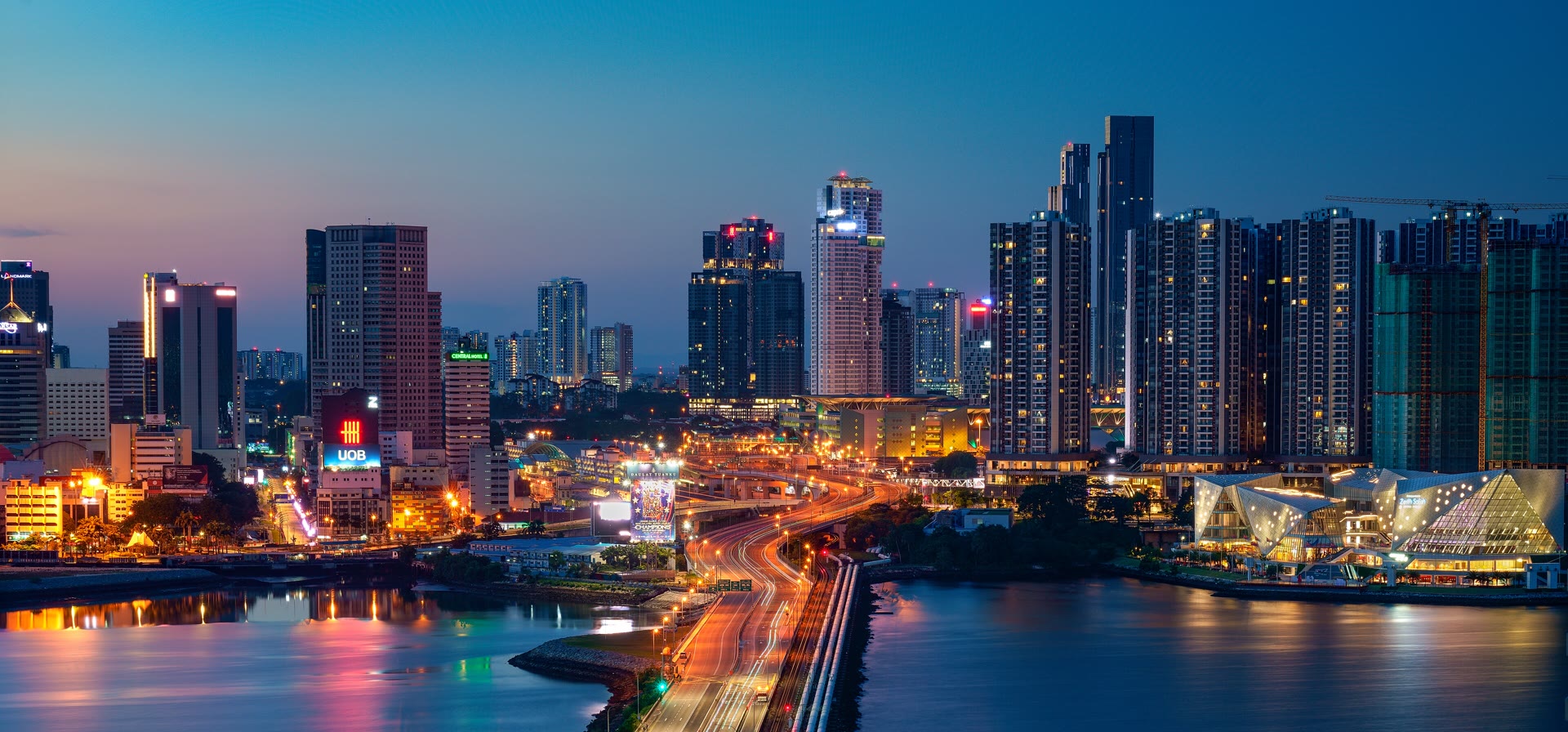
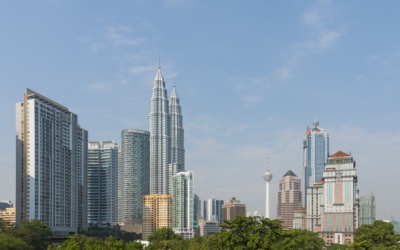
Malaysia's southern gateway city sits just across the causeway from Singapore, offering a fascinating blend of Malay heritage, Chinese shophouse culture, and modern mega-malls at a fraction of its neighbor's prices.
Every few minutes, a stream of Singaporeans rolls across the Causeway into Johor Bahru, hunting for cheap petrol, dental work, and massive plates of nasi lemak. That cross-border hustle defines the rhythm of JB, as locals call it, a city that has spent decades in Singapore's shadow yet possesses a character entirely its own. The old town core is laced with pre-war shophouses, Chinese temples, and Indian Muslim eateries that have been serving roti canai since before independence. Meanwhile, to the south and east, glittering waterfront developments like Danga Bay and the Iskandar corridor hint at a city with serious ambitions.
JB is not a postcard-perfect destination. Traffic can be brutal, the border crossing tests your patience, and some stretches feel more like construction site than cityscape. But for travelers willing to dig in, the payoff is real: some of the best street food in Peninsular Malaysia, genuinely warm locals, a handful of world-class theme parks, and the satisfaction of exploring a city that most tourists simply drive through on their way somewhere else.
Whether you are a family chasing LEGOLAND thrills, a solo traveler on a shoestring looking for authentic Malaysian experiences, or a Singapore-based weekender wanting a change of scenery, Johor Bahru delivers more than you expect. Three days here will shift your perception of this often-overlooked city.
Orientation and Neighborhoods
JB sprawls, and understanding its layout saves you a lot of wasted time in traffic. The city clusters around a few key zones stretching from the waterfront border area southward and westward.
JB Old Town and City Center
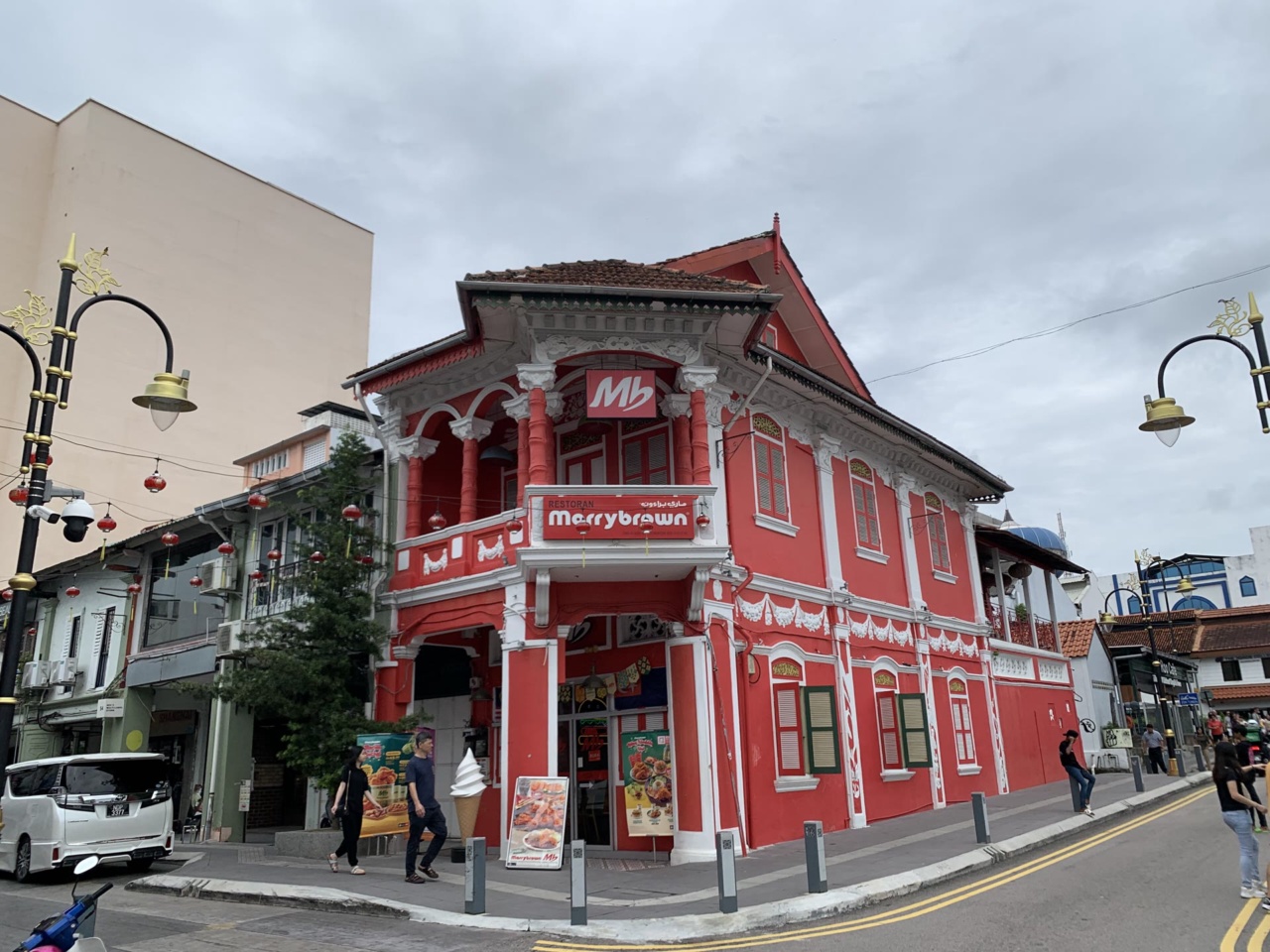
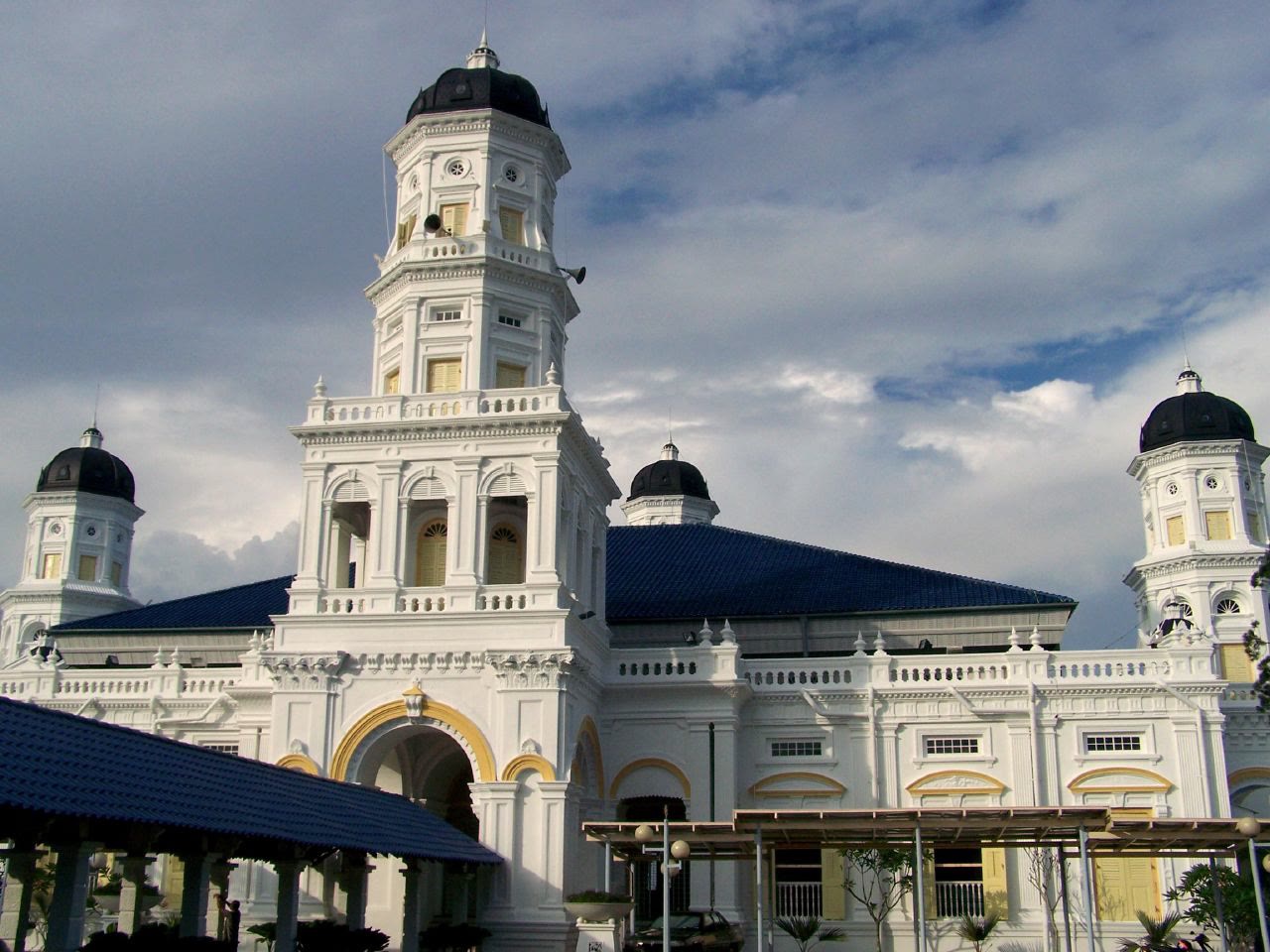
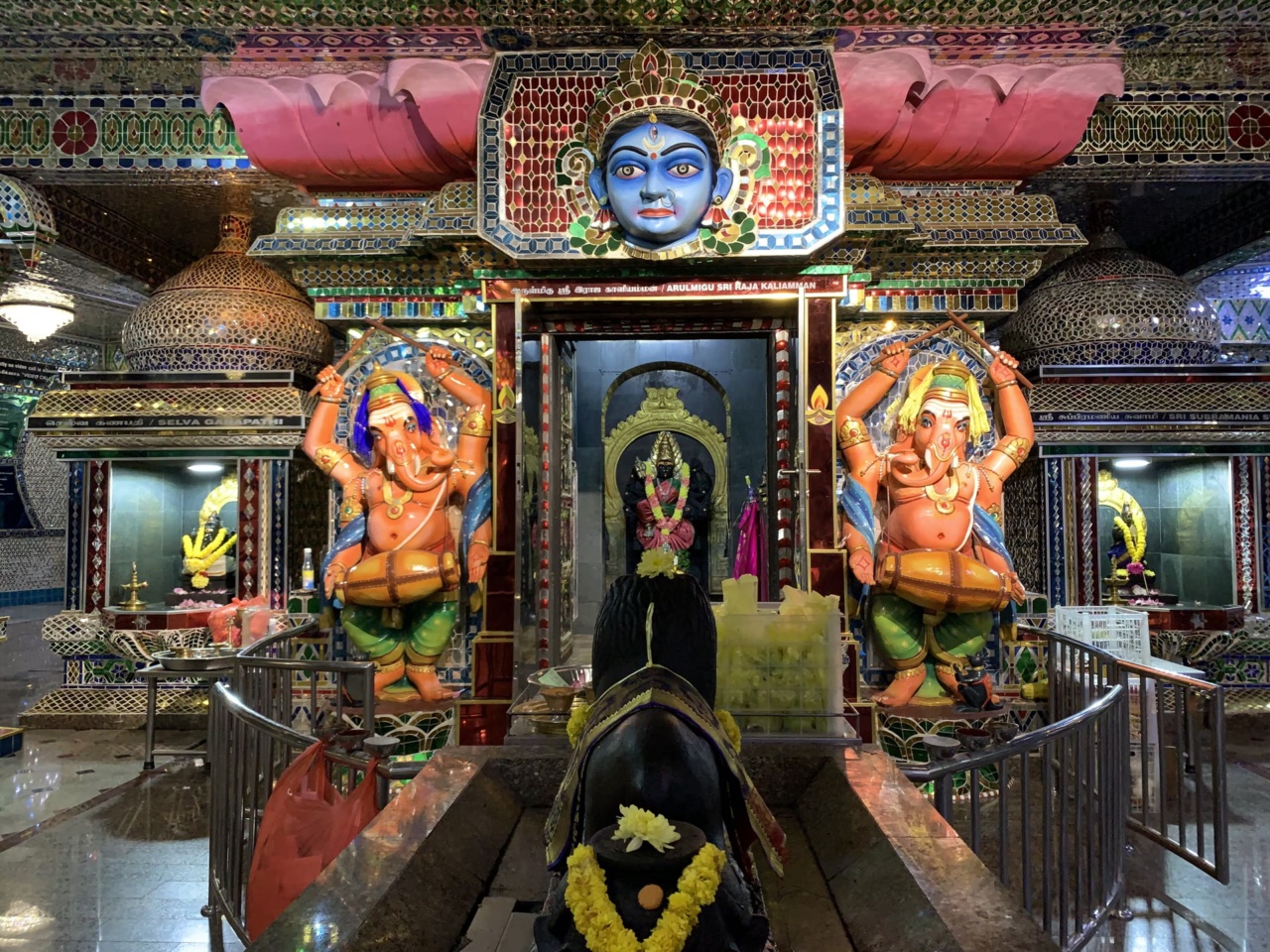
The heritage heart of the city radiates from Jalan Tan Hiok Nee and Jalan Wong Ah Fook. Here you will find pre-war shophouses converted into hipster cafes, the ornate Arulmigu Sri Rajakaliamman Glass Temple, and the Sultan Abu Bakar State Mosque on the clifftop. JB Sentral, the main transport hub connected to the Causeway immigration checkpoint, anchors the northern edge. This is the best area for walking, eating, and soaking up local culture.
Just west of the old town, this compact zone buzzes with Indian textile shops, banana leaf restaurants, and spice merchants. It is small enough to cover in an hour but rich in atmosphere, especially in the evenings.
KSL City and Taman Century
South of the old town, this area revolves around KSL City Mall, one of JB's most popular shopping complexes with a rooftop water park. Hotels here tend to be mid-range and easy to reach by Grab.
Bukit Indah and Mount Austin
Suburban neighborhoods popular with locals, packed with excellent hawker centers and coffee shops. Not particularly scenic but great for food exploration away from tourist areas.
Nusajaya and Puteri Harbour
West of the city center, this planned development zone is home to LEGOLAND Malaysia, Puteri Harbour Family Theme Park, and several resort-style hotels. Families with kids will likely spend at least a day here.
Danga Bay
A waterfront area south of the city center with a night market, seafood restaurants, and a long promenade. It is pleasant for an evening stroll but lacks the depth of the old town.
For a first visit, staying in or near the old town gives you the best mix of walkability, food, and heritage. Families should consider Nusajaya. Budget travelers will find the cheapest guesthouses near JB Sentral.
Things to Do
Offers are only loaded from GetYourGuide after you click. GetYourGuide can then process your IP address and set cookies. Privacy Policy
GetYourGuide partner offers. GoAsia may earn a commission if you book through these offers. Check whether tickets or transfers are included, and follow the attraction's official booking and admission rules.
Best Time to Visit
JB sits just north of the equator, so it is warm and humid year-round. The key variable is rain.
Period
Weather
November - March
Northeast monsoon, the main rainy season in Malaysia, with heavy rain spells and occasional floods in parts of Johor[1]
Late May - September
Southwest monsoon, relatively drier across most of Peninsular Malaysia[1]
April and October
Between the two monsoons, with warm weather and showers that can be heavy
The Southwest monsoon months from June to August are the most comfortable for sightseeing if you can handle the heat. Avoid weekends and Malaysian public holidays if you are crossing from Singapore, as border queues can be long. Ramadan (dates shift each year) brings daytime closures at some food stalls but spectacular night markets for iftar (breaking fast), which is a wonderful cultural experience.
Hari Raya Aidilfitri (end of Ramadan) and Chinese New Year see JB at its most festive, with decorated streets and special foods, but also at its most congested.
Getting There and Getting Around
Arriving by Air
Senai International Airport (JHB) lies about 20 kilometers from the city.[2] AirAsia flies non-stop from Kuala Lumpur in around 50 minutes[2] and from Penang in around 1 hour 10 minutes.[3] The Causeway Link airport shuttle AA1 runs between Senai Airport and JB Sentral for RM8 one way and takes about 50 minutes.[4] A Grab is the alternative if you arrive late or travel in a group.
Arriving from Singapore
Most visitors enter JB over the Causeway from Woodlands, Singapore. Causeway Link buses between Larkin Sentral and the CIQ checkpoint cost up to RM 2.60 (S$ 2.60) per ride.[5] The KTMB Shuttle Tebrau train links Woodlands and JB Sentral for RM5 (S$5 for non-Malaysians boarding at Woodlands); your passport serves as the boarding pass.[6] You will need to clear immigration on both sides, and queues can be long at weekends and on public holidays. The Second Link crossing at Tuas is the alternative road crossing and useful if you are heading directly to Nusajaya or LEGOLAND. For detailed transport options and schedules, GoAsia.cc is a useful resource for planning border crossings and regional connections.
Getting Around JB
Grab is the most practical way to move around JB. Local buses exist but routes are confusing and frequencies unreliable. The city center is walkable for the heritage area, but JB's attractions are spread out enough that you will need rides between zones. Larkin Sentral is JB's largest bus terminal for express and stage buses.[7] Renting a car is feasible if you are comfortable with Malaysian driving habits, but parking in the old town is limited. Motorcycle ride-hailing is not common here like in some Southeast Asian capitals.
Top Sights and Experiences
Must-See Attractions
Jalan Tan Hiok Nee Heritage Walk: This is the soul of old JB. A stretch of beautifully restored shophouses now houses independent cafes, galleries, and vintage shops. The street art murals are Instagram-worthy, and the whole area is best explored on foot in the morning before the heat peaks. Allow one to two hours.
Sultan Abu Bakar State Mosque: Perched on a hill overlooking the Straits of Johor, this Victorian-Moorish hybrid is one of Malaysia's most striking mosques. Check visiting hours and dress rules before you go, as non-Muslim visitors are usually admitted outside prayer times. The views toward Singapore are excellent. Half an hour is sufficient.
Arulmigu Sri Rajakaliamman Glass Temple: This Hindu temple has interior walls and ceilings covered in shimmering glass mosaics, a genuinely unique sight. Remove shoes before entering. It is located a short walk from JB Sentral.
LEGOLAND Malaysia: Southeast Asia's first LEGOLAND is the main draw for families. The resort combines a theme park, a water park and a SEA LIFE aquarium, with more than 80 shows, rides, slides and attractions, and day tickets start from RM69 (children under 3 free).[8] Weekdays are usually less crowded. Budget a full day.
Chinese Heritage Museum: A small but well-curated museum on Jalan Ibrahim documenting the history of Chinese communities in Johor. Displays include old photographs, clan association artifacts, and recreated shophouse interiors. Allow 45 minutes.
Lesser-Known Gems
Pasar Karat (Flea Market): Held at night near Jalan Segget (check which nights it runs), this sprawling flea market sells everything from vintage watches to old vinyl records and secondhand tools. It is chaotic, dusty, and utterly fascinating. Go after dark when it is in full swing.
Hutan Bandar Recreational Park: A pocket of tropical rainforest right in the city, with a canopy walk and well-maintained trails. It is a surprising escape from the urban heat and takes about an hour to walk through.
Kampung-style breakfast in Bukit Indah: Skip the hotel buffet and head to one of the suburban coffee shops where locals gather for nasi lemak, teh tarik, and kaya toast at dawn. The food is good and usually cheaper than in tourist areas.
Overrated Attractions
Johor Premium Outlets: Often recommended as a must-visit, but the outlet is in Kulai, a drive from the city center, and discounts may be modest compared to online prices. Unless you are a dedicated bargain hunter, the time investment is not worth it.
Angry Birds Activity Park (Puteri Harbour): Small, dated, and overpriced for what it offers. Families are better off spending the extra time at LEGOLAND or the nearby Thomas Town, which is marginally more engaging for young children.
Danga Bay as a primary destination: The waterfront is pleasant enough for an evening walk, but the area lacks the character and food quality of the old town. The night market is hit or miss depending on the day.
Food and Drink
JB's food scene is arguably the best reason to visit. The city sits at a crossroads of Malay, Chinese, Indian, and Javanese culinary traditions, and competition keeps quality high.
Signature Dishes
Dish
Description
Where to Try
Laksa Johor
Spaghetti noodles in a rich fish-based coconut curry with fresh herbs and sambal
Stalls around Jalan Dhoby and Kampung Melayu
Mee Rebus
Yellow noodles in thick sweet potato and prawn gravy, topped with egg and lime
Hawker centers across the city
Nasi Lemak
Coconut rice with sambal, fried chicken, egg, peanuts, and anchovies
Banana leaf stalls in the old town and suburban coffee shops
Bak Kut Teh
Peppery pork rib soup, Johor style leans herbal and dark
Chinese coffee shops in Taman Pelangi and Jalan Tan Hiok Nee area
Roti Canai
Flaky flatbread served with dhal or curry, best when fresh off the griddle
Indian Muslim restaurants near Jalan Dhoby
Otak-otak
Spiced fish paste grilled in banana leaves, smoky and fragrant
Muar-style stalls and pasar malam (night markets)
Where to Eat
The old town around Jalan Tan Hiok Nee and Jalan Dhoby is the most convenient food zone for visitors, with everything from heritage coffee shops to modern cafes. For a more local experience, head to the hawker centers in Taman Pelangi, Taman Sentosa, or Bukit Indah, where food is cheaper and portions are generous. Kampung Kempas night market is excellent for Malay street food on weekday evenings.
Street food is the backbone of JB dining. Sit-down restaurants exist, but the best flavors often come from the simplest stalls. Upscale dining is mostly found in hotel restaurants and Puteri Harbour.
JB's coffee culture is strong. Traditional Hainanese kopitiam (coffee shops) serve thick, sweet kopi made with roasted beans and margarine. Newer third-wave cafes along Jalan Tan Hiok Nee offer specialty brews.
Alcohol is available but not as ubiquitous as in non-Muslim-majority countries. Chinese restaurants and Western-style bars serve beer. Hotel bars and the handful of craft cocktail places in the old town are pricier.
Where to Stay
Budget
Hostels and basic guesthouses cluster near JB Sentral and along Jalan Wong Ah Fook. Facilities are basic but functional, and the location near the old town is convenient for walking to food and sights.
Mid-Range
This is JB's sweet spot. Hotels near KSL City, along Jalan Tebrau, and in Taman Pelangi offer clean, modern rooms, often with a pool and breakfast. Several well-known international chains have properties in this range. For families, serviced apartments near Mid Valley Southkey offer kitchens and extra space.
Upscale
The top-tier options include waterfront hotels in Puteri Harbour and business hotels in the city center. Expect international-standard rooms, pools, spas, and club lounges. Families heading to LEGOLAND should look at the LEGOLAND Hotel or nearby resort properties in Nusajaya, where themed rooms delight kids.
Unique Stays
A handful of restored shophouse boutique hotels along Jalan Tan Hiok Nee offer heritage charm with modern comforts. These tend to book up on weekends, so reserve ahead. Homestays in Malay kampung areas outside the city provide a more immersive cultural experience for adventurous travelers.
Practical Tips
Safety: Bag snatching from pedestrians is a known risk in Malaysian cities, including JB. Keep valuables in a crossbody bag worn in front on the side away from the road, and avoid walking alone in poorly lit areas at night. That said, most visits are trouble-free.
Use Grab rather than hailing random taxis to avoid meter disputes.
Lock car doors when driving and keep bags out of sight.
Always confirm prices before services.
Money: The Malaysian Ringgit (MYR) is the local currency. Cash is king at hawker stalls and small shops. Credit cards work in malls, hotels, and chain restaurants. ATMs are plentiful. There is no tipping culture in Malaysia; a service charge is included at most restaurants. Rounding up the bill at local eateries is appreciated but not expected.
SIM Cards and Internet: Grab a prepaid SIM at Senai Airport or any convenience store. Mobile providers sell tourist data packages. Wi-Fi is widely available in hotels and cafes.
Language: Bahasa Malaysia is the official language, but English is widely spoken, especially in commercial areas. Signage is often bilingual. Mandarin and Hokkien are common in Chinese neighborhoods. Tamil is spoken in Little India. You will have no trouble getting by with English alone.
Dress modestly when visiting mosques. Women should cover arms and legs; headscarves are provided at major mosques.
Remove shoes before entering temples and mosques.
Use your right hand when giving or receiving items, especially in Malay and Indian contexts.
Avoid touching anyone's head, as it is considered the most sacred part of the body.
During Ramadan, eating openly in public during daylight hours is considered disrespectful in Malay areas, though non-halal restaurants and food courts remain open.
Day Trips
Desaru Coast
East of JB, Desaru offers long sandy beaches, a water theme park (Desaru Coast Adventure Waterpark), and a golf course. The beach is not world-class but is clean and uncrowded on weekdays. Several resorts offer day passes. Best reached by private car or Grab. Worth it for a beach day escape.
Kota Tinggi Waterfalls
Located northeast of JB, these waterfalls are a popular local picnic spot. The main cascade is modest but the jungle setting is refreshing. Weekends get crowded with local families. Combine with a visit to a nearby firefly tour along the Johor River in the evening for a memorable nature double-header.
Kukup
A Chinese fishing village on stilts southwest of JB, Kukup is famous for its seafood restaurants built over the water. The setting is atmospheric and the chili crab is excellent. You can also visit the Tanjung Piai National Park nearby, the southernmost tip of mainland Asia. Reachable by car; public transport is impractical.
Muar
Northwest of JB along the coast, Muar is a charming riverside town renowned as one of Malaysia's best food cities. Its otak-otak, mee bandung, and asam pedas are legendary. The old town has beautiful colonial architecture and a relaxed pace. Express buses from Larkin Sentral, JB's largest bus terminal, are one way to get there.[7] Highly recommended for food lovers.
Mersing
North of JB, Mersing is the jumping-off point for the Tioman and Seribuat island archipelagos. If you have extra days and want tropical island time, Mersing connects by ferry to islands with excellent snorkeling and diving. The town itself is a sleepy fishing port worth a brief wander.
Sample 3-Day Itinerary
Day 1: Heritage, Culture, and Street Food
Morning: Start at Jalan Tan Hiok Nee for a heritage walk. Explore the shophouse architecture, street art, and pop into the Chinese Heritage Museum. Grab a traditional kopi and kaya toast at one of the old kopitiam.
Afternoon: Walk to the Sultan Abu Bakar State Mosque for clifftop views, then head downhill to the Glass Temple. Continue to Jalan Dhoby and Little India for textile browsing and a banana leaf lunch of nasi briyani or roti canai.
Evening: If Pasar Karat is running, visit for the flea market atmosphere. End the night at a hawker center in Taman Pelangi for mee rebus, satay, and a cold Tiger beer.
Day 2: Theme Parks and Waterfront
Morning: Head to LEGOLAND Malaysia (arrive at opening to beat queues). Spend the morning on the major rides and Miniland, which features miniature LEGO versions of Asian landmarks.
Afternoon: Continue at LEGOLAND's water park or, if traveling without kids, swap this day for a trip to Puteri Harbour for lunch and a stroll along the marina.
Evening: Return to the city and walk along Danga Bay waterfront. Have seafood at one of the restaurants overlooking the water, then browse the night market stalls.
Day 3: Day Trip and Local Life
Morning: Drive or Grab to Kukup fishing village for a seafood brunch on stilts over the water. Visit Tanjung Piai to stand at mainland Asia's southernmost point.
Afternoon: Return to JB and explore Bukit Indah or Mount Austin for an authentic local lunch at a suburban hawker center. Pick up last-minute souvenirs at KSL City Mall or Mid Valley Southkey.
Evening: End with laksa Johor at a recommended stall in the old town. If you are crossing back to Singapore, aim for a late evening departure to avoid peak immigration queues.
Budget Overview
JB is good value. Eating at hawker stalls and staying in hostels or simple guesthouses keeps costs low, and mid-range hotels and meals are generally cheaper than in Singapore or Kuala Lumpur. The biggest variable is theme park entry, which can dominate a single day's budget. Shopping at JB's malls can save money compared with Singapore, but be realistic about what you actually need versus what the discount tempts you into buying.
Frequently Asked Questions
Is Johor Bahru worth visiting?
Yes, especially if you enjoy authentic Malaysian street food, want theme park fun, or are already visiting Singapore and want to experience a very different side of the region. JB is not a glamorous destination, but its heritage quarter, local cuisine, and affordability make it a rewarding stop for curious travelers.
How many days do you need in Johor Bahru?
Two to three days is ideal. One day covers the heritage core and food scene, a second day works for theme parks or shopping, and a third lets you take a day trip to Desaru Coast or the firefly tours along the Kota Tinggi river. A single overnight is enough for a taste, but you will feel rushed.
Is Johor Bahru safe for tourists?
JB is generally safe for tourists who exercise normal precautions. Petty theft like bag snatching can occur, particularly in crowded areas and near the border checkpoints. Avoid flashing expensive items, keep bags close, and stick to well-lit streets at night.
What food is Johor Bahru famous for?
JB is renowned for its laksa Johor (a spaghetti-based coconut curry laksa), mee rebus (noodles in thick sweet potato gravy), and banana leaf nasi lemak. The city also has excellent Chinese-style bak kut teh, Hainanese coffee, and some of the best roti canai in Peninsular Malaysia.
Is Johor Bahru expensive?
No, JB is one of the more affordable cities in Malaysia for visitors. Street food, local buses and mid-range hotels are generally cheaper than in Singapore or Kuala Lumpur, and theme park tickets are the main big expense.
How do I get from Singapore to Johor Bahru?
You can cross the Causeway from Woodlands by Causeway Link bus or by the KTMB Shuttle Tebrau train to JB Sentral, or use the Second Link from Tuas by road. Immigration queues can be long during weekends and Malaysian public holidays, so weekday mornings or late evenings are usually smoother.
Can you drink tap water in Johor Bahru?
Most visitors stick to bottled or filtered water, which is cheap and available everywhere. Most hotels provide complimentary bottled water, and refill stations are common in malls.
Do I need a visa to visit Johor Bahru?
It depends on your nationality. The Malaysian Immigration Department publishes the list of countries whose citizens must apply for a visa, and the permitted length of stay without a visa depends on nationality. Check your passport's requirements before traveling. If crossing from Singapore, you will clear both Singapore exit and Malaysian entry immigration.
What is the best neighborhood to stay in Johor Bahru?
For heritage and food, stay in or near Jalan Tan Hiok Nee in the old town. For modern comforts and malls, the area around KSL City or Mid Valley Southkey is convenient. Families visiting theme parks should consider Puteri Harbour or hotels near LEGOLAND in Nusajaya.
Is English widely spoken in Johor Bahru?
English is widely understood in JB, especially in hotels, malls, and tourist areas. Most signage is bilingual. Street food vendors and taxi drivers may speak limited English but enough for basic transactions. Knowing a few Malay phrases like terima kasih (thank you) goes a long way.
Sources and background
Numbers in the text such as [1] refer to these sources.