
Getting Around Johor Bahru - Local Transport Guide
Contents
- 1. Getting Around Johor Bahru by Grab
- 2. Getting Around Johor Bahru by Taxi
- 3. Getting Around Johor Bahru by Bus
- 4. Getting Around Johor Bahru by Train
- 5. Getting Around Johor Bahru on Foot
- 6. Getting Around Johor Bahru by Rental Car or Motorbike
- 7. Comparing Your Options
- 8. Practical Tips for Getting Around Johor Bahru
- 9. Popular Routes and Destinations
- 10. Frequently Asked Questions
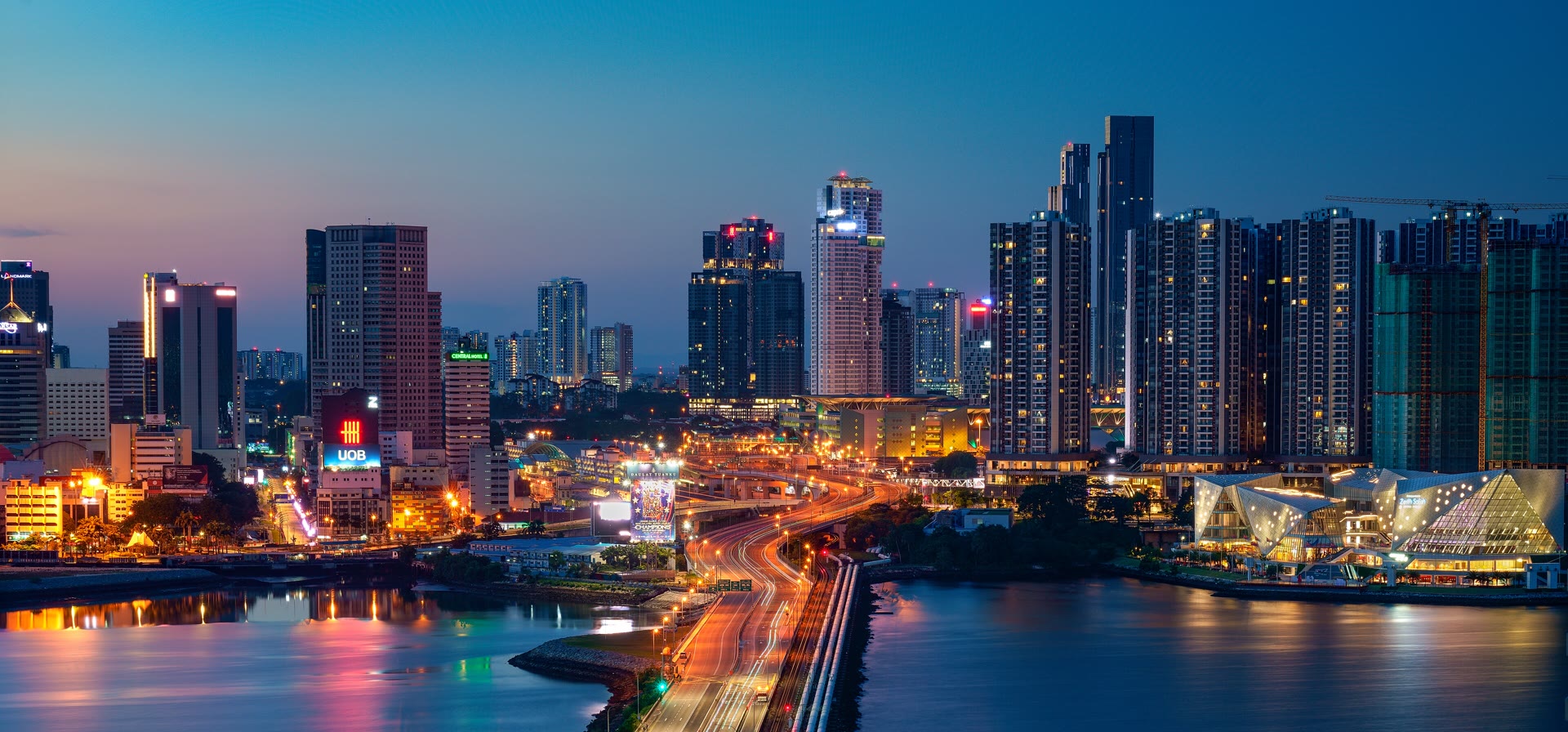
Johor Bahru sits right at the southern tip of peninsular Malaysia, close enough to Singapore that the two cities practically share a heartbeat. The famous causeway funnels hundreds of thousands of commuters across the strait every day, and that rhythm shapes how the whole city moves. Mornings see traffic crawl toward the immigration checkpoints, evenings see it crawl back, and in between JB hums along at its own slower, more spread-out pace.
This is not a compact walking city in the way that an old European quarter might be. JB is sprawling, built around highways, malls, and gated neighborhoods. The city center around Jalan Wong Ah Fook and the JB Sentral transport hub is walkable enough for a morning of sightseeing, but to reach the bigger malls, the theme parks, or the suburbs of Skudai and Tebrau, you will need wheels of some kind.
The good news is that getting around is cheap and increasingly app-driven. Ride-hailing has become the default for most visitors, public buses cover the main corridors, and a cross-border rail link makes hopping to Singapore easier than it has ever been. Here is how to navigate it all.
Getting Around Johor Bahru by Grab
Grab is the single most useful tool a traveler can have in Johor Bahru. The app dominates the ride-hailing scene here, and for most point-to-point journeys it beats hailing a street taxi on both price and convenience. You set your pickup and destination, see the fare upfront, and pay either by cash or a card linked to the app, which sidesteps any haggling.
Coverage is excellent across the urban area, from JB Sentral and the city center out to Tebrau, Skudai, Permas Jaya, and the malls. A short hop within central JB typically costs roughly $2 to $4, while a longer cross-city ride to somewhere like Aeon Tebrau or Legoland might run around $5 to $9. Fares surge during the morning and evening rush, on rainy days, and around the times when border crossers flood the roads, so expect to pay more then.
GrabCar is comfortable, air-conditioned, and reliable. If you are watching your budget, GrabBike (motorbike pillion) is faster through traffic and cheaper, though obviously less suited to luggage or wet weather. One thing to know: Grab cannot legally cross the border into Singapore, so it works only within the Malaysian side.
Getting Around Johor Bahru by Taxi
Metered taxis exist in JB, but they are a distant second to Grab. Many drivers are reluctant to use the meter and will quote a flat fare instead, which for a tourist usually means an inflated one. If you do take a street taxi, agree on the price before you get in or insist on the meter.
Taxis are most useful at the airport, the train station, and major bus terminals where they queue up, and for cross-border trips where Grab cannot operate. Cross-border taxis to Singapore run from designated stands and charge a fixed fare. For everything else within JB, the app-based option is almost always cheaper and less stressful. You can compare transport options on GoAsia.cc to get a sense of fair pricing before you travel.
Getting Around Johor Bahru by Bus
Johor Bahru has a public bus network that is genuinely useful if you are happy to slow down and pay very little. The main operators run services radiating out from the JB Sentral and Larkin terminals to the suburbs and townships. The flagship for visitors is the Bas Muafakat Johor (BMJ) network, which offers free rides on many city routes - a rare and welcome perk that makes short hops cost nothing at all.
Paid intercity and suburban buses are still very cheap, typically around $1 to $2 a ride, paid in cash to the driver or via a contactless card on some routes. Buses connect the center to areas like Skudai, Kulai, Pasir Gudang, and the shopping districts along Tebrau Highway. Frequency varies a lot: main corridors see buses every 15 to 30 minutes, while quieter routes can leave you waiting much longer.
The catch is comfort and information. Bus stops are not always well marked, route maps in English can be hard to find, and journeys are slow once traffic builds up. Download a transit app or use Google Maps, which has reasonable coverage of JB bus routes, before you set out. Buses are best for budget travelers with time to spare rather than for anyone in a hurry.
Getting Around Johor Bahru by Train
Two rail options matter here, and neither moves you much within JB itself, but both are worth knowing. The KTM Komuter and intercity ETS trains depart from JB Sentral, linking the city northward to Kluang, Segamat, Gemas, and onward toward Kuala Lumpur. These are great for day trips or onward travel rather than local errands.
The headline service for many visitors is the cross-border shuttle train connecting JB Sentral to Woodlands in Singapore. It is a short ride, clears both immigration checkpoints, and on busy days it is far faster than sitting in causeway traffic by road. Tickets sell out quickly, especially on weekends and holidays, so book online in advance through the KTM site. There is also a new rapid transit link under development between JB and Singapore that will eventually transform cross-border commuting.
Getting Around Johor Bahru on Foot
Walking works well within the compact central core. The area around Jalan Wong Ah Fook, the City Square mall, the night market streets, and the heritage temples and shophouses can all be covered on foot, and it is the best way to soak up the street food and the local color. The riverfront and the area near JB Sentral are also pedestrian-friendly.
Beyond the center, however, JB is not built for walking. Distances stretch out, sidewalks disappear, highways cut across neighborhoods, and the tropical heat and humidity sap your energy fast. For anything beyond the downtown grid, plan to ride. Carry water, walk in the cooler morning or evening hours, and use covered walkways and mall interiors to escape the midday sun.
Getting Around Johor Bahru by Rental Car or Motorbike
If you want freedom to explore the wider Johor region, including beaches, hot springs, or the route toward Desaru, renting a car is a solid option. Roads are well maintained, signage is in Malay and often English, and driving is on the left as in Singapore and the UK. International chains and local agencies operate from the airport and the city. Just be prepared for heavy congestion near the border and for parking that fills up fast at popular malls on weekends.
Motorbike rental is less common for tourists but available, and a bike can be a nimble way to beat the traffic if you are an experienced rider. Either way, factor in the cost of tolls and the strong possibility of long jams whenever you head anywhere near the causeway during peak hours.
Comparing Your Options
| Mode | Typical Cost | Duration | Best For |
|---|---|---|---|
| Grab | $2 to $9 per ride | Varies with traffic | Most point-to-point trips, comfort and convenience |
| Taxi | $3 and up, often negotiated | Varies with traffic | Airport pickups, cross-border trips |
| City Bus | Free to $2 | Slow, traffic-dependent | Budget travel on main corridors |
| Train (local) | $1 to $5 | Fixed schedule | Day trips north and cross-border to Singapore |
| Walking | Free | Short distances only | Exploring the central core and night markets |
| Rental car | From around $25 per day | Flexible | Exploring wider Johor and beaches |
Practical Tips for Getting Around Johor Bahru
A little preparation goes a long way in JB. The right apps and a handful of small habits will save you both money and frustration.
- Download Grab first. It is the backbone of getting around and removes the guesswork over fares. Link a card or keep small cash ready to pay drivers.
- Use Google Maps for buses. It has decent coverage of JB routes and shows real-time options, which helps given how patchy bus signage can be.
- Carry small ringgit notes. Buses, street stalls, and some taxis want cash, and drivers rarely have change for large bills. Keep RM1, RM5, and RM10 notes handy.
- Time your border crossings. If you are heading to or from Singapore, avoid early morning, late afternoon, and weekend peaks when the causeway and checkpoints choke up. The shuttle train is your friend on busy days.
- Beware taxi overcharging. Some street taxi drivers quote inflated flat fares to tourists. Use Grab to know the fair price, and refuse rides where the driver will not meter or quote reasonably.
- Plan around rush hour. Roughly 7am to 9am and 5pm to 8pm bring heavy congestion, made worse by cross-border commuters. Build extra time into any journey near the city center or the causeway.
- Mind the heat. Tropical humidity is relentless. Carry water, and lean on air-conditioned Grab cars and malls during the hottest part of the day.
Language is rarely a barrier. English is widely spoken alongside Malay, Mandarin, and Tamil, and most drivers understand destination names in English. Still, it helps to have your destination saved in the Grab app or written down, especially for lesser-known addresses. JB is generally safe for getting around, including in the evening, though as in any city you should keep an eye on your belongings in crowded areas and around the bus terminals at night.
Popular Routes and Destinations
The most common journey travelers ask about is the airport transfer. Senai International Airport sits to the northwest of the city, and a private transfer between Johor Bahru and Senai takes around 21 minutes, with prices roughly in the range of $50 to $73 depending on the service and vehicle. Heading the other way, from Senai back into Johor Bahru, expect a similar 23 minute private transfer at roughly $54 to $78, or a slower shared option of around 42 minutes to an hour costing roughly $46 to $72.
For these airport trips, a pre-booked transfer or a Grab is the smoothest choice, since the airport is well outside the walkable core and public transport links are limited and slow. Within the city, lean on Grab for almost everything, walk the central heritage and night market streets, and save the buses and trains for budget day trips or the cross-border hop to Singapore.
Frequently Asked Questions
Use this guide to compare local transport in Johor Bahru. When bookable tickets are available, the booking tool shows current options and prices.
For most travelers, Grab is the best way to get around Johor Bahru. It is affordable, comfortable, air-conditioned, and shows fares upfront so you avoid haggling. Walking works well in the compact city center, while buses and trains suit budget travelers and day trips.
Local transport in JB is cheap. Short Grab rides typically cost around $2 to $4, and longer cross-city trips run roughly $5 to $9. Public buses cost between nothing and about $2, with many city routes on the Bas Muafakat Johor network being free.
Yes, public transport in Johor Bahru is generally safe, including in the evening. Use common sense by watching your belongings in crowded areas and around bus terminals at night. Grab adds an extra layer of security since trips are tracked and drivers are registered.
Yes, Grab is widely available and is the default choice for most journeys in JB. It offers GrabCar and the cheaper, faster GrabBike for solo travelers. Note that Grab cannot legally cross the border into Singapore, so it works only on the Malaysian side.
The central core around Jalan Wong Ah Fook, City Square, the night markets, and the riverfront is walkable and pleasant for sightseeing. Beyond downtown, however, JB is sprawling with highways and few sidewalks, so you will need a Grab, bus, or car to reach the malls, theme parks, and suburbs.
The cross-border shuttle train from JB Sentral to Woodlands is the fastest option on busy days and clears both immigration checkpoints, but seats sell out quickly so book ahead. Cross-border buses and taxis also operate from designated stands, though road travel can be slow during causeway peak hours.
A private transfer from Senai to Johor Bahru takes around 23 minutes and costs roughly $54 to $78, while a shared option takes about 42 minutes to an hour for roughly $46 to $72. Grab is also a convenient choice, as public transport from the airport is limited and slow.
Guide prices and journey times are indicative, not live quotes. A booked package may include transfers and waiting time as well as the main journey. Check the selected offer, pickup point and current conditions before booking.