Perhentian Islands: A Practical Guide to Kecil, Besar and Kuala Besut
Photo: KT Kaytee / Unsplash
Contents
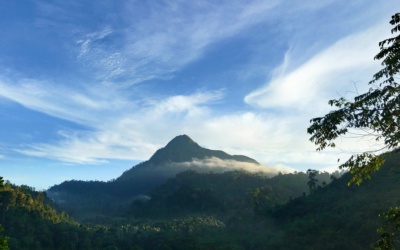
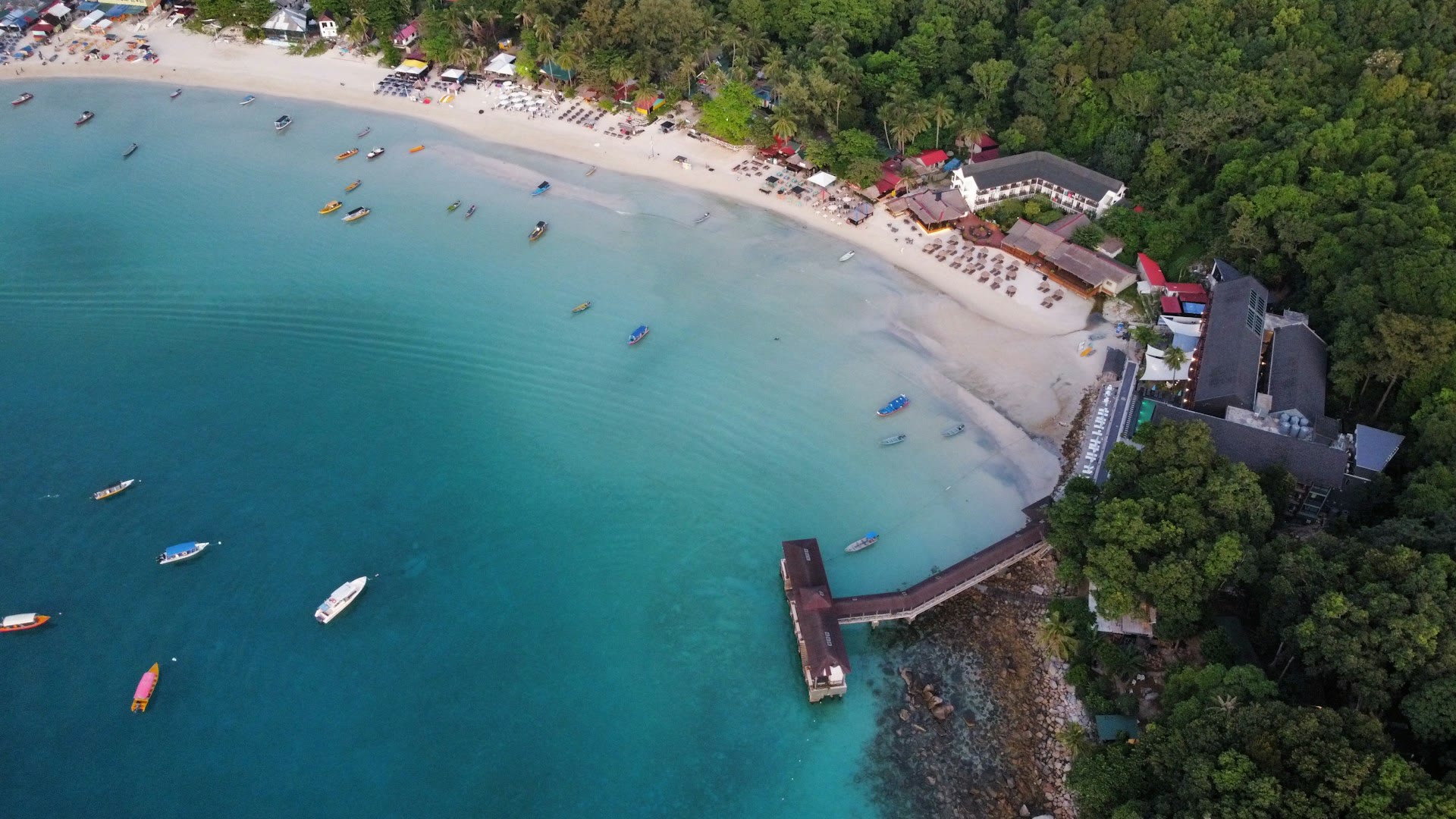
Perhentian Kecil and Perhentian Besar lie about 21 km off Terengganu's coast, and boats leave from Kuala Besut Jetty on the mainland.[1] The islands sit in the Terengganu Marine Park. Pick your island and accommodation first, then confirm where the boat drops you. Operator pages often say only "Perhentian Island", and at a beach without a jetty you may land in shallow water or switch to a water taxi.[2]
Choose between Kecil and Besar
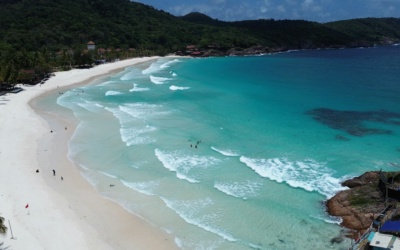
Kecil has two main beaches, Long Beach and Coral Bay, and Besar is the more peaceful, more upscale island and a good fit for families and couples. Romantic Beach is a small cove that suits couples, and Turtle Beach on Besar is a quieter stretch named for the sea turtles that nest there.[3] Compare your actual resort, beach access and drop-off point, because a boat ticket does not necessarily take you to every beach.
Things to Do
Offers are only loaded from GetYourGuide after you click. GetYourGuide can then process your IP address and set cookies. Privacy Policy
GetYourGuide partner offers. GoAsia may earn a commission if you book through these offers. Check whether tickets or transfers are included, and follow the attraction's official booking and admission rules.
Getting to Kuala Besut and booking a boat
Kuala Besut is about 105 km, or a two-hour drive, from Kuala Terengganu. Kota Bharu in Kelantan has the nearest airport.[1] From the jetty the crossing takes about 30 to 45 minutes.[2]
The shared boat from Kuala Besut Jetty leaves at 08:00, 09:00, 10:00, 11:00, 13:00, 14:00, 15:00, 16:00 and 17:00 and arrives 40 minutes later. Boats back to the jetty leave the island at 08:00, 10:00, 12:00 and 16:00. Fares are the same in each direction:[4]
| Passenger | Fare per direction |
|---|---|
| Adult, 12 years and above | RM40[4] |
| Child, 3 to 11 years | RM25[4] |
| Infant, below 2 years | RM0[4] |
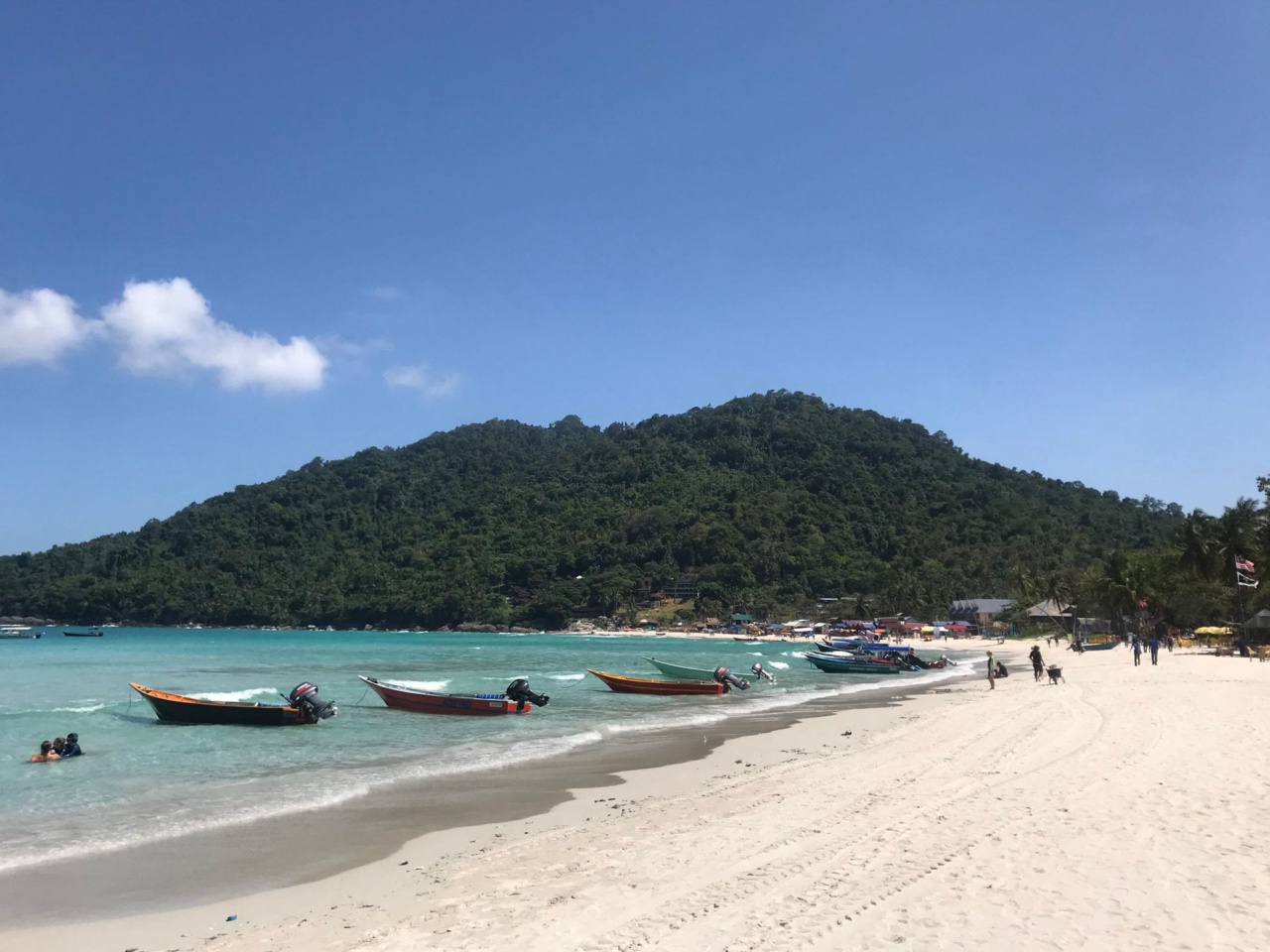
A private boat takes up to 10 passengers for RM450 or up to 24 for RM900, running between 08:00 and 17:00.[4] Perhentian Trans sells the same crossing as a return ticket for RM80 and says its boats take you directly to your destination on the islands. If a beach has no jetty, a water taxi is normally RM2, and some chalets and resorts cover it.[2] Ask for the exact drop-off when you book.
Season and sea conditions
The Northeast Monsoon runs from November to March and brings heavy rain to the east coast of Peninsular Malaysia. Cold air surges can bring strong winds and rough seas in the South China Sea, so small boats are best avoided in the worst weather.[5] Check the forecast, your accommodation's operating dates and the operator's sailing notice for your dates, and keep onward connections flexible. Speedboat rides can be bumpy depending on the sea.[2]
Marine Park charge and water activities
Every visitor to a Marine Park pays a conservation charge. For adults it is RM5 for MyKad holders and RM30 for everyone else. Children aged 6 to 12 and seniors aged 60 and over pay RM2 for MyKad holders and RM15 for everyone else, and disabled visitors enter free.[6] You pay at the Marine Park counter at Kuala Besut Jetty before you board the boat.[2]
If you plan to snorkel or dive, ask the operator about the route, the equipment, the sea conditions and what the price includes. The waters around Perhentian offer some of the best dive sites in the country, and snorkellers find fusiliers, scorpionfish and rabbitfish.[1] Follow the operator's briefing and the Marine Park's rules.
Before leaving the mainland
- Save your accommodation's contact details and the operator's day-of travel contact.
- Confirm the right island, beach and drop-off point, plus any water-taxi arrangement.
- Pay the Marine Park charge at the jetty counter before boarding.
- Check the forecast and the sailing times, then allow a buffer before onward transport.
For more trip ideas and destination guides, browse GoAsia's Malaysia travel guides.
Sources and background
Numbers in the text such as [1] refer to these sources.
- [1] Tourism Malaysia eBrochures: Islands and Beaches - Terengganu. Retrieved October 22, 2026.
- [2] Perhentian Trans Holiday Sdn Bhd: Our Boats. Retrieved October 22, 2026.
- [3] Tourism Malaysia: 5 Most Beautiful Islands To Discover In Terengganu. Retrieved October 22, 2026.
- [4] Kuala Besut Jetty: Boat Transfers to Perhentian Island: Fares & Schedules. Retrieved October 22, 2026.
- [5] METMalaysia: Weather Phenomena: Monsoon. Retrieved October 22, 2026.
- [6] Department of Fisheries Malaysia: Conservation Charge & Fee Rates. Retrieved October 22, 2026.
Frequently Asked Questions
Kecil has Long Beach and Coral Bay, and Besar is the more peaceful, more upscale island. Compare the specific accommodation, beach access and boat drop-off for your dates.
From Kuala Besut Jetty on the mainland, for both Perhentian Kecil and Perhentian Besar.
About 30 to 45 minutes. The shared boat timetable allows 40 minutes between departure and arrival.
Shared boats cost RM40 for an adult aged 12 or above and RM25 for a child aged 3 to 11 in each direction, and infants below 2 travel for RM0. A private boat costs RM450 for up to 10 passengers.
Often, but not always. If a beach has no jetty, you may land in shallow water or take a water taxi, normally RM2. Confirm the drop-off when you book.
The Northeast Monsoon runs from November to March, with heavy rain on the east coast and rough seas. Opening dates differ by resort and boat operator, so check yours for your dates.
Yes. Adults pay RM5 with a MyKad and RM30 without. Children aged 6 to 12 and seniors aged 60 and over pay RM2 with a MyKad and RM15 without. Pay at the jetty counter before boarding.
No sighting or sea condition is guaranteed. Ask your operator about the planned route, conditions and equipment, and follow its briefing.