Kampot pepper farms: choose a visit, tasting or town stop
Contents
- 1. Choose a farm visit or a town shop
- 2. La Plantation: hours and booking
- 3. Separate a free tour from the cost of your day
- 4. What you can learn from the pepper
- 5. Arrange the journey before leaving Kampot or Kep
- 6. Choose optional activities without overloading the visit
- 7. Build the visit into your Cambodia trip
- 8. Sources and background
- 9. Frequently Asked Questions
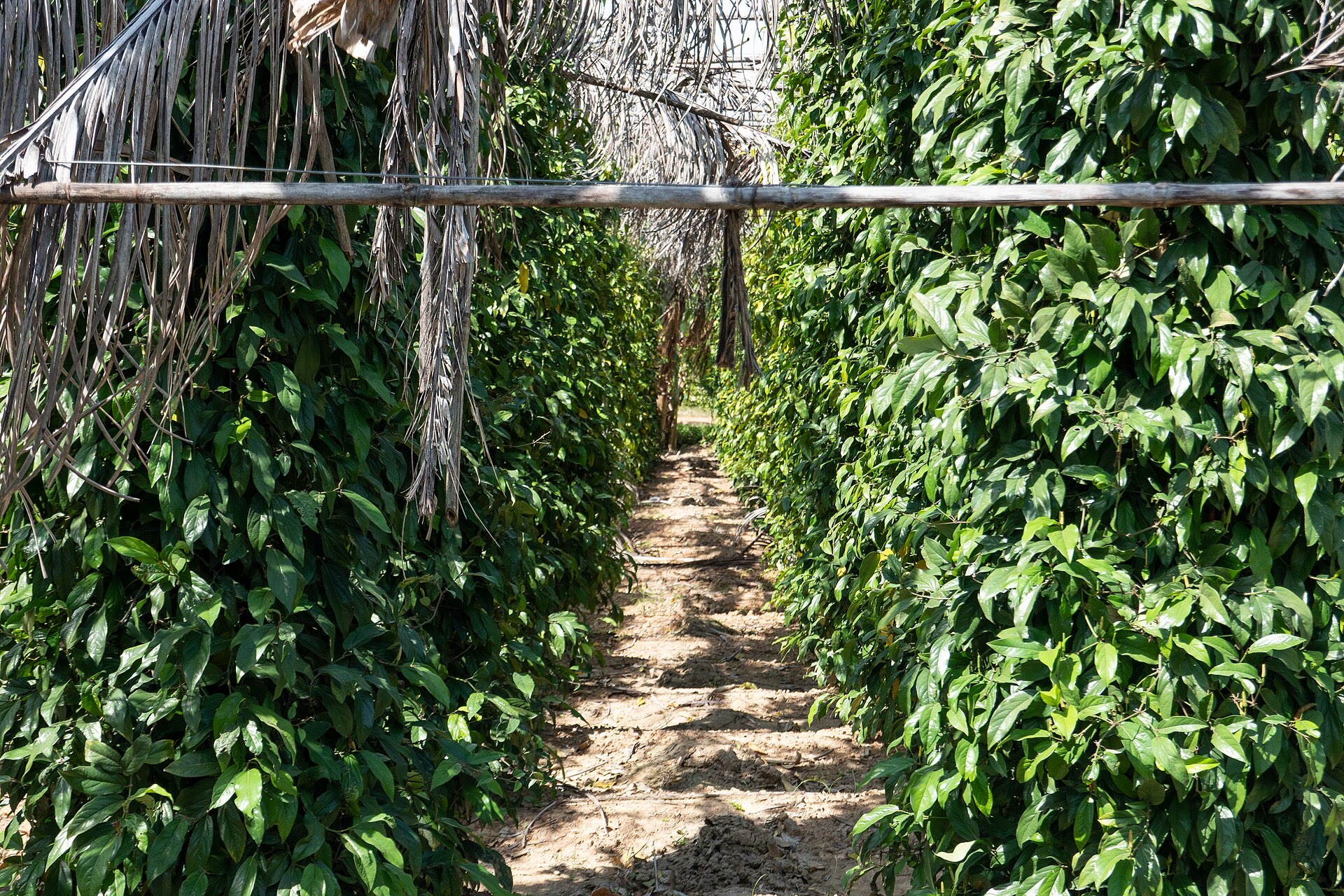
A Kampot pepper farm visit is worth it if you want to see how the crop grows, taste the different kinds of pepper and watch how it is processed. It is more than a shopping trip. Pick one confirmed farm visit rather than chasing several tours in a day. If you only want to buy pepper and have little time, a shop in town is the easier choice.
Keep half a day free for one farm, including the journey out and back. Add lunch or a paid activity only after you have checked the slot, the price and how you get there.
Choose a farm visit or a town shop
| Option | Why choose it | What to confirm |
|---|---|---|
| La Plantation farm | A free guided tour with tasting of peppers and spices, plus paid private activities[1] | Booking for your month, tour language and the price of any private activity |
| BoTree farm | A free guided farm tour and pepper tasting[2] | Farm location, visiting hours and your return journey |
| The Kampot Pepper Shop in town | Buy pepper or see it hand-sorted without an out-of-town trip[2] | Shop hours and whether the sorting atelier is working on your day |
La Plantation offers a Farm Tour, a private Secret Tour that follows the production and a separate private Sunset Tour.[1] They are different products, so say which one you want when you book.
BoTree runs a family-owned organic farm by a lake, with a free guided tour, pepper tasting, home-cooked lunches, hammocks, a natural swimming pool and kayaks. Its separate shop, The Kampot Pepper Shop on Old Market Street in Kampot town, has an on-site atelier where women from the farm sort each peppercorn by hand.[2] The shop is not a pickup point for the farm. Write to [email protected] or call +855 12 691 379 (English) or +855 11 200 108 (Khmer) for the farm's location and visit arrangements.[2]
Things to Do
Offers are only loaded from GetYourGuide after you click. GetYourGuide can then process your IP address and set cookies. Privacy Policy
GetYourGuide partner offers. GoAsia may earn a commission if you book through these offers. Check whether tickets or transfers are included, and follow the attraction's official booking and admission rules.
La Plantation: hours and booking
La Plantation is open daily from 09:00 to 18:00, with the last visit at 16:00. Its restaurant is open from 07:00 to 15:00.[1] Arriving just before closing will not get you onto the last guided visit.
From April to September you do not need to book a visit in advance, and from October to March you book a slot online.[1] The tour descriptions on the same page give a slightly different cut-off, so for an October visit book a slot or contact the farm first. Cooking classes need at least 24 hours' notice.[1]
Write to [email protected] or call +855 (0)17 84 25 05 with questions.[1] The private Sunset Tour lasts two hours from 15:00, followed by a cocktail and a snack plate at 17:00.[1]
Separate a free tour from the cost of your day
La Plantation welcomes visitors for free guided tours that show the farming and processing of Kampot pepper.[3] BoTree also offers a free guided farm tour and tasting.[2] Private tours, workshops, meals and drinks are separate.
| Budget item | How to compare it | Before paying |
|---|---|---|
| Standard guided visit | The free tour versus private or themed tours | Exact product, language and inclusions |
| Transport | Compare the full return amount, not just the outward fare | Per-person or per-vehicle price, waiting time, pickup and return |
| Lunch, cooking class or private tour | Keep each extra separate from the free tour | Price, start time, booking deadline and dietary needs |
| Pepper to take home | Compare the same weight, preparation and packaging | Currency, origin label and storage instructions |
Ask your driver or hotel for a quote for the whole trip, including the return. Keep transport, meals, paid activities and purchases separate when you compare totals.
What you can learn from the pepper
Kampot pepper is grown in the provinces of Kampot and Kep and has been registered in Cambodia as a geographical indication since 2010. Through the Lisbon System it is protected in more than 30 countries, including the EU member states.[4] Not every pepper sold nearby carries the label.
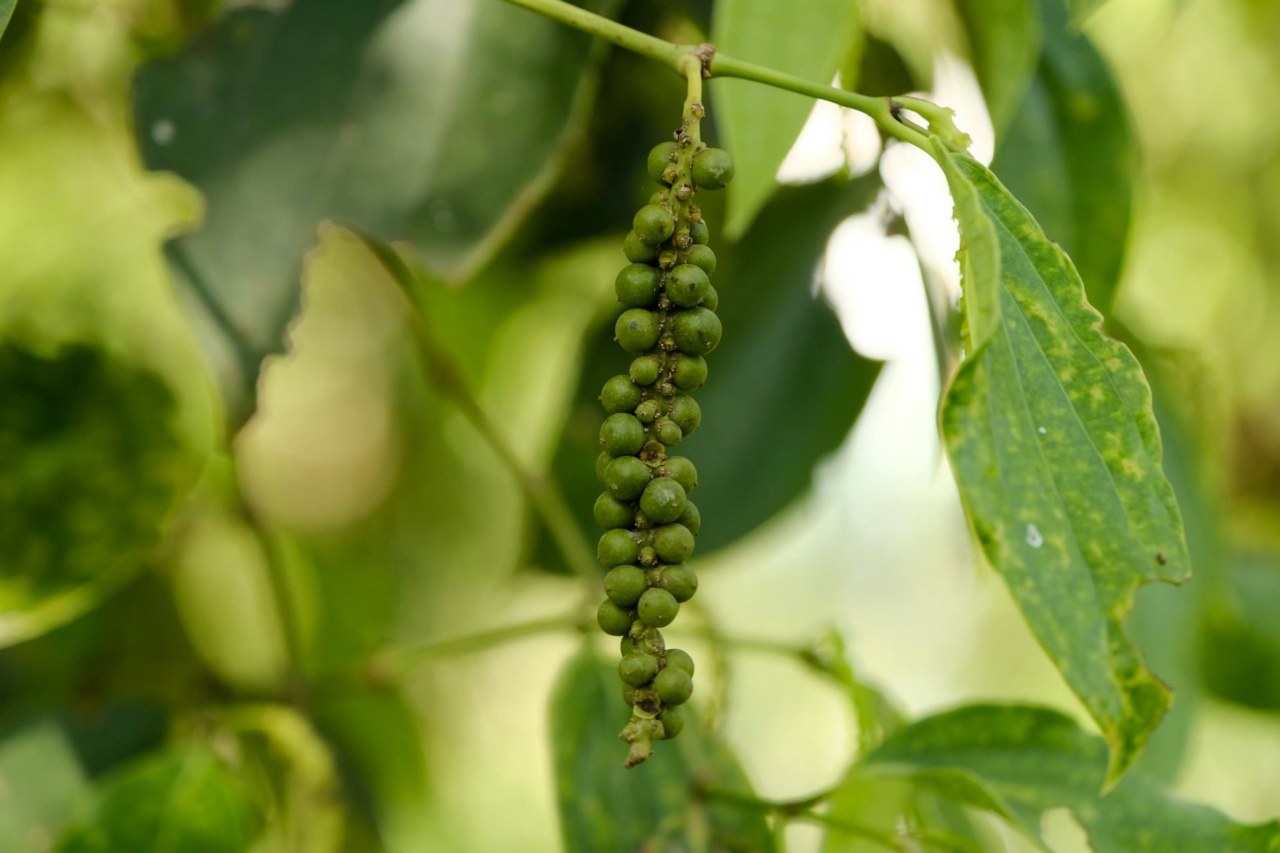
Each colour is a different preparation. Black pepper comes from green berries harvested between April and June, briefly heated and sun-dried, then sorted by hand. Red pepper comes from berries left to ripen fully on the vine. White pepper is made from ripe red berries whose outer skin is removed after an overnight soak. Green pepper is picked young and sold either salt-fermented, crisp and aromatic, or dehydrated.[5] Ask which of these your tasting includes.
Compare aroma and texture, ask how each one is used in cooking and how to store it. When you buy, look for three things on the pack: the PGI logo, the words "Kampot Pepper" and a traceability number from the producer.[5]
Arrange the journey before leaving Kampot or Kep
Give your driver or transfer provider the exact farm entrance, not just a business name. Agree where you will be collected, how long the driver waits and the full price in the quoted currency. If you plan two farms, get both locations and visit arrangements before you add the second stop.
A tuk-tuk, a driver or a booked transfer will suit different groups. Compare the whole arrangement instead of assuming one option is always cheapest or fastest, and keep some slack in the day.
Choose optional activities without overloading the visit
At La Plantation, harvest access on the Secret Tour and the Sunset Tour depends on the season: you only see picking on the protected plots during the harvest.[1] Black pepper berries are harvested between April and June.[5]
The cooking class needs advance booking, and a vegetarian version of Amok is possible if you ask when you book.[1] Bring water and sun protection for an outdoor visit, follow the staff's instructions and ask before you enter work areas or photograph people.
Build the visit into your Cambodia trip
Use the Cambodia travel overview for the wider trip. A good pepper-farm day has one confirmed visit, time to learn and taste, a clearly priced return journey and only the extras you actually want. If the pieces do not fit your schedule, make a town stop instead.
Sources and background
Numbers in the text such as [1] refer to these sources.
- [1] La Plantation: La Plantation: farm visits, booking seasons and activities. Retrieved October 22, 2026.
- [2] BoTree Pepper Farm: BoTree: farm visits and Kampot town shop contacts. Retrieved October 22, 2026.
- [3] La Plantation: La Plantation: February 2025 visitor and farm FAQ. Retrieved October 22, 2026.
- [4] World Intellectual Property Organization: WIPO: Kampot Pepper geographical indication and origin. Retrieved October 22, 2026.
- [5] La Plantation: La Plantation: February 2026 pepper types and origin guidance. Retrieved October 22, 2026.
Frequently Asked Questions
Choose by the experience you want. La Plantation offers a free guided tour with tasting plus private activities, and BoTree offers a free guided farm tour and tasting by a lake. A Kampot town shop suits a shorter shopping or sorting visit.
Yes, the standard guided tours at La Plantation and BoTree are free. Private tours, cooking classes, food, drinks, transport and purchases cost extra.
From April to September you can visit without booking, and from October to March you book a slot online. The tour descriptions give a slightly different cut-off, so for October book a slot or contact the farm. Cooking classes need at least 24 hours' notice.
The farm is open daily from 09:00 to 18:00, with the last visit at 16:00. The restaurant is open from 07:00 to 15:00.
Half a day for one farm, including the journey out and back. The private Sunset Tour at La Plantation lasts two hours from 15:00.
Harvest access at La Plantation depends on the season, and black pepper is harvested between April and June. Ask which peppers your tasting includes, and compare origin, packaging and the traceability number before you buy.