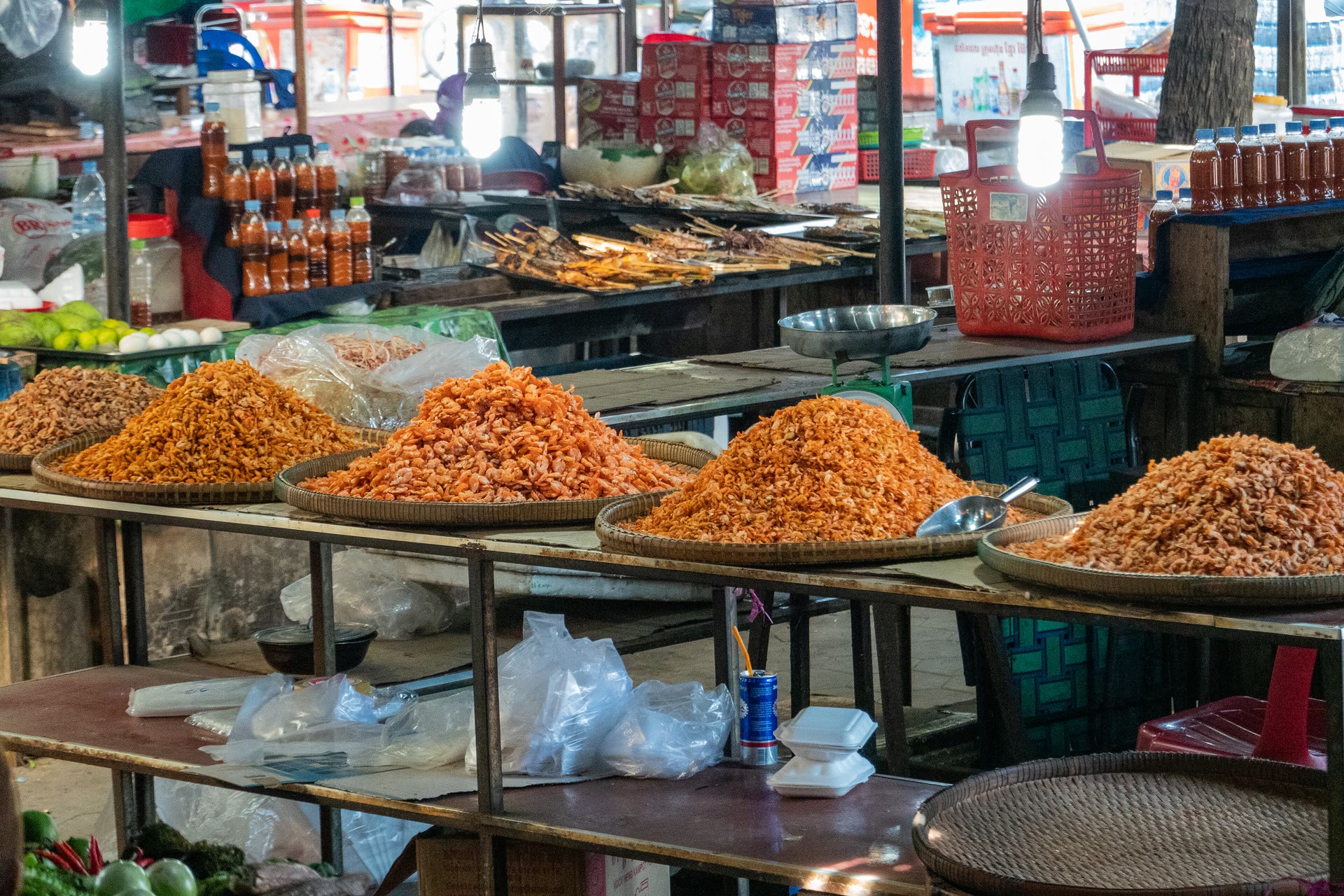
The smell hits you before you see it - charcoal smoke, garlic, and the sharp green fragrance of freshly crushed Kampot pepper drifting across a waterfront lined with wooden platforms. Kep Crab Market is not a market in the supermarket sense. It is an open-air seafood bazaar where fishermen sell the morning catch straight off their boats, and a row of restaurants will cook it for you on the spot, right at the water's edge. The whole process - choosing your crab, watching it weighed, and eating it twenty minutes later with the Gulf of Thailand stretching out in front of you - is one of the most satisfying food experiences in Southeast Asia.
Kep itself is a tiny coastal town in southern Cambodia, about 170 km from Phnom Penh and just 30 minutes from the more well-known backpacker town of Kampot. It was once a glamorous beach retreat for French colonists and Cambodia's elite, and the crumbling art deco villas scattered through the surrounding hills are haunting reminders of that era. But the main reason travelers come to Kep today is this market - and specifically, the crab cooked with Kampot green pepper that has become the town's signature dish and one of Cambodia's most iconic meals.
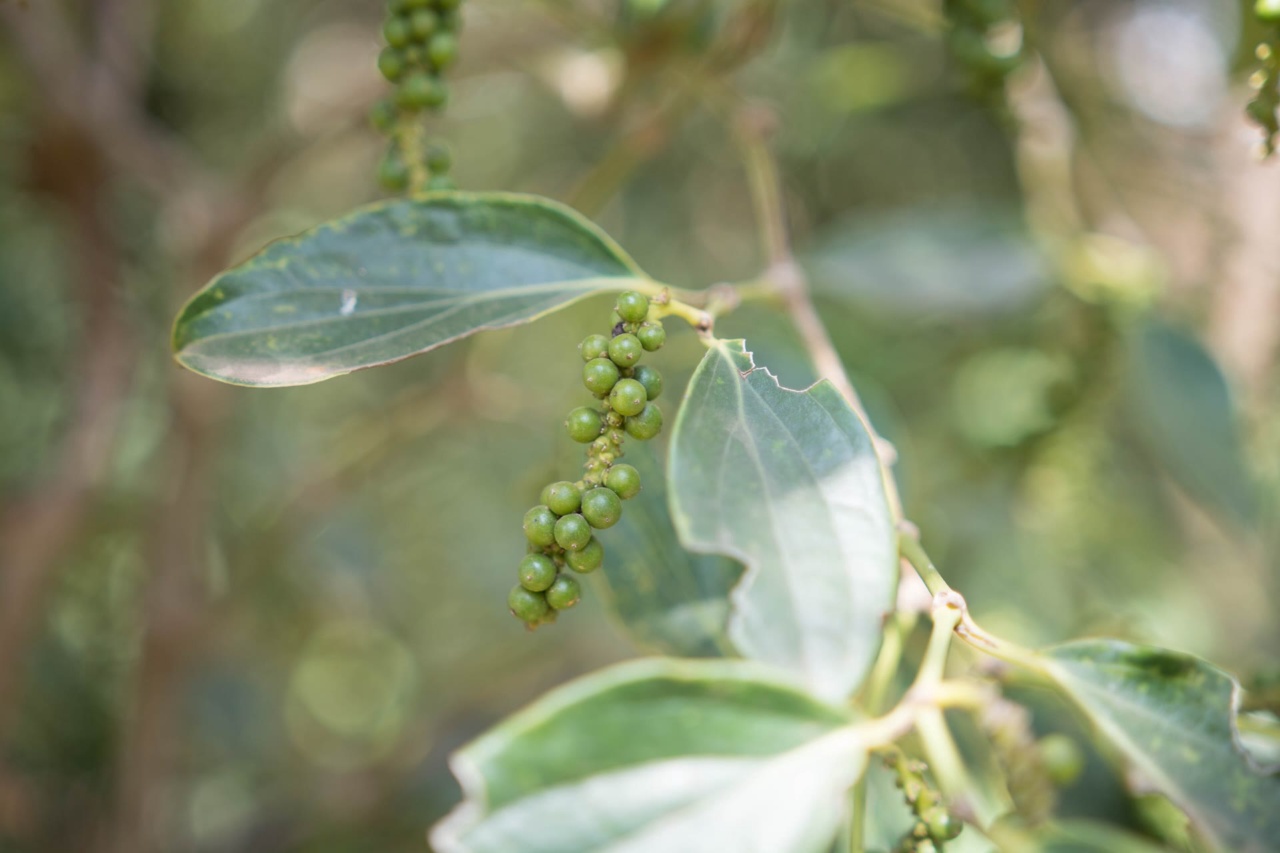
Kampot pepper is not ordinary pepper. Grown in the nearby Kampot province, it is considered among the finest in the world - the "champagne of peppercorns" - with a complex, almost floral heat that elevates a simple stir-fried crab into something extraordinary. When that pepper is fresh and green, still on the stalk, and tossed into a wok with a whole crab pulled from the water that morning, the result is a dish that people travel across Cambodia specifically to eat.
How the Crab Market Works
The Kep Crab Market covers about 1,600 square meters along the waterfront. The experience is straightforward but can be confusing for first-timers, so here is how it works step by step.
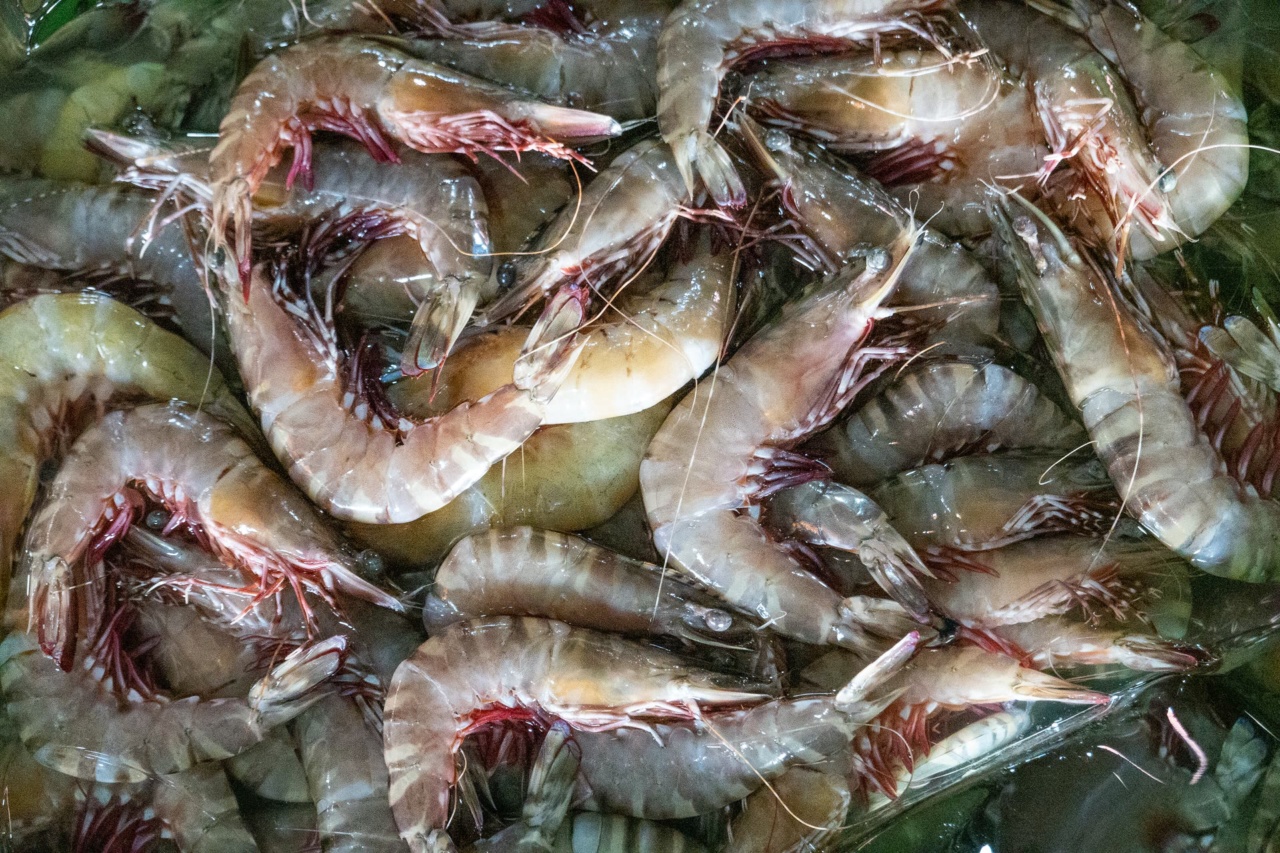
- Browse the vendors. Walk along the waterfront where women sit behind baskets and buckets of live seafood. Crabs, shrimp, squid, clams, sea snails, and fish are all on display, freshly caught and very much alive.
- Choose your seafood. Point at what you want. The vendor will weigh it on a hanging scale. Crab is typically sold by the kilogram, and you can choose as many or as few as you like. A kilogram of crab usually contains two to four crabs depending on size.
- Negotiate the price. Prices are not fixed, so gentle bargaining is expected. Vendors may quote slightly higher prices to foreigners, but the range is narrow enough that nobody gets badly overcharged.
- Take your seafood to a restaurant. The row of about 30 waterfront restaurants behind the market will cook your purchase for a small fee. Simply walk up with your bag of seafood and tell them how you want it prepared. Most restaurants have picture menus showing the cooking styles available.
- Sit down, order drinks, and wait. Your crab will arrive at your table within 15 to 20 minutes, cooked to order. The restaurant makes its money on the cooking fee and drinks.
Things to Do
What to Eat
Crab with Kampot Green Pepper
This is the dish. Whole crab stir-fried in a wok with fresh green Kampot peppercorns still on the stalk, garlic, and a touch of soy sauce. The pepper adds a bright, herbaceous heat that is completely different from dried black pepper. The crab meat is sweet and tender, and cracking the shells at a plastic table overlooking the water is one of those travel moments that stays with you. Order this first and foremost - it is the reason the market exists.
Other Seafood Options
| Seafood | Price per kg | Popular Preparation |
|---|---|---|
| Crab | $7 - $9 | Stir-fried with Kampot green pepper |
| Shrimp | $7 - $9 | Grilled with garlic and chili |
| Squid | $5 - $7 | Deep-fried with salt and pepper |
| Clams | $3 - $5 | Steamed with lemongrass |
| Fish | $5 - $8 | Grilled whole or in amok curry |
The cooking fee is typically $2 per dish, regardless of what you bring. Some restaurants charge slightly more for complex preparations, but the standard pepper crab is always $2 to cook. A full seafood meal for two people - a kilo of crab, some shrimp, a plate of squid, rice, and drinks - usually comes to $20 to $30 total. This is arguably the best value-for-quality seafood meal in Cambodia.
Beyond the Market Stalls
If you prefer a more structured dining experience, several standalone restaurants near the market offer fixed-menu seafood plates at slightly higher prices. These are good alternatives during peak times when the market restaurants are packed, or if you prefer not to navigate the buy-and-cook process yourself. Prices for finished dishes at these restaurants typically range from $6 to $10 per plate.
Getting to Kep
From Phnom Penh
The journey from Phnom Penh to Kep takes three to four hours by bus ($12 per person) or about two and a half hours by private taxi ($60 to $70). Buses depart throughout the day, with the last departure typically around 4:30 PM. Several bus companies run this route, and tickets can be booked through guesthouses or online.
From Kampot
Kampot is only 25 km from Kep, making it the most convenient base for a day trip. A tuk-tuk costs about $10 to $20 for the return trip including waiting time at the market. The ride takes roughly 30 to 45 minutes through pleasant countryside dotted with pepper plantations. Most travelers stay in Kampot and visit Kep as a half-day excursion.
From Sihanoukville
Buses from Sihanoukville to Kep take about two to three hours and cost around $8 to $12. This route is less frequently serviced than the Phnom Penh route, so check schedules in advance.
When to Visit
The crab market operates daily from early morning until evening, but the best time to visit is at lunch, when the seafood is freshest and the full range of vendors is operating.
- Best months: November to February offers the most comfortable weather - dry, cooler, and with the best seafood catches. This coincides with Cambodia's peak tourist season.
- Rainy season (June to October): The market still operates, but some vendors may have reduced stock during rough weather. The upside is fewer tourists and a more local atmosphere.
- Weekends and Cambodian holidays: The market gets busy with domestic tourists, especially families from Phnom Penh. This creates a lively atmosphere but also means longer waits at restaurants.
- Best time of day: Arrive between 11:00 AM and 1:00 PM for the freshest selection and the full market experience. Morning is quieter but some vendors may still be setting up. Late afternoon is pleasant for the sunset views but the seafood selection thins out.
Other Things to Do in Kep
The crab market is the main event, but Kep rewards travelers who linger for a day or two.
- Kep National Park: A small but scenic park with hiking trails through tropical forest, offering views over the coast and nearby islands. The main loop trail takes about two hours. Entrance is $1.
- Rabbit Island (Koh Tonsay): A small island reached by a 10-minute boat ride from a pier near Kep Beach. Return boat tickets cost $8, or you can charter a whole boat for about $30. The island has simple beach bungalows, basic food stalls, and good snorkeling. It makes an excellent day trip or overnight escape.
- Abandoned French Villas: Scattered through the hills above town, these crumbling colonial mansions were once the holiday homes of Cambodia's pre-war elite. They were destroyed during the Khmer Rouge era and never rebuilt. Exploring them is free and atmospheric, though watch your footing on unstable structures.
- Kep Beach: A small, clean beach with a pleasant promenade. It is not spectacular by tropical standards, but the calm water and shade trees make it a relaxing spot for a swim before or after the crab market.
- Kampot Pepper Plantations: Several pepper farms in nearby Kampot province offer tours where you can see how the famous peppercorns are grown, harvested, and processed. Buying pepper directly from the farms is significantly cheaper than in Phnom Penh or at the airport. A half-day pepper tour from Kampot costs $10 to $20.
Tips for Visiting Kep Crab Market
The crab market is informal and unregulated, which is part of its charm. A few practical tips make the experience smoother.
- Bring cash. There are no card payment facilities at the market or most restaurants. US dollars are accepted everywhere, and change is given in Cambodian riel. Bring small bills - $1 and $5 notes are most useful.
- Bargain gently. Prices are already low, so aggressive bargaining is unnecessary and unwelcome. A smile and a counter-offer of a dollar or two less per kilo is perfectly appropriate. The vendors are not trying to cheat you - the margin between the "tourist price" and the "local price" is usually minimal.
- Choose lively crabs. When selecting your seafood, look for crabs that are active and feisty. Sluggish crabs have been out of the water longer. The vendors will help you pick good ones if you ask.
- Specify your spice level. When handing your crab to the restaurant, you can request mild, medium, or strong pepper flavor. The default tends to be quite peppery, so ask for less if you are sensitive to heat.
- Stay for sunset. The waterfront restaurants face west across the Gulf of Thailand, and the sunset views are beautiful. Time your visit so you are still eating when the light turns golden.
- Combine with Kampot. Most travelers base themselves in Kampot and visit Kep as a day trip. Kampot has better accommodation options, a livelier traveler scene, and its own excellent food and river scenery. The two towns complement each other perfectly.
Kep Crab Market is one of those rare places where tourism has not diluted the original experience. The fishermen still sell from their boats, the cooking is still done on charcoal and gas flames, and the crab with Kampot pepper is still as good as it has always been. For seafood lovers exploring Cambodia's south coast, this is a non-negotiable stop. More travel guides for Cambodia and destinations across Southeast Asia are available on GoAsia.cc.
Frequently Asked Questions
Kep Crab Market is an open-air seafood market on Cambodia's southern coast where fishermen sell live crabs and other seafood directly from their boats. It is famous for its signature dish - crab stir-fried with fresh Kampot green pepper, made with peppercorns grown in the nearby Kampot region, considered among the finest in the world.
A kilogram of live crab costs $7 to $9, and the cooking fee is $2. A generous seafood lunch for two people including crab, shrimp, squid, rice, and drinks typically totals $20 to $30. This makes it some of the best value seafood in Southeast Asia.
Buy live seafood from the waterfront vendors, who will weigh it for you. Then carry your purchase to one of the roughly 30 waterfront restaurants behind the stalls. Tell them how you want it cooked (pepper crab is the classic choice), pay a $2 cooking fee per dish, and order drinks while you wait about 15 to 20 minutes.
Kep is just 25 km from Kampot, about 30 to 45 minutes by tuk-tuk. A return tuk-tuk trip with waiting time at the market costs $10 to $20. Most travelers stay in Kampot and visit Kep as a half-day excursion, since Kampot offers more accommodation and nightlife options.
Arrive between 11:00 AM and 1:00 PM for the freshest seafood and the full market in operation. If you time it right, you can stay through the afternoon and enjoy sunset over the Gulf of Thailand from the waterfront restaurants, which face directly west.
Hike the trails in Kep National Park (two-hour loop, $1 entry), take a boat to Rabbit Island for swimming and snorkeling ($8 return), explore the atmospheric abandoned French colonial villas, or relax at Kep Beach. Nearby Kampot pepper plantation tours are also highly recommended.
A day trip from Kampot is the most popular option and works well for the crab market and a quick exploration. Staying overnight in Kep is worthwhile if you want to visit Rabbit Island, hike the national park, and enjoy the quieter coastal atmosphere. Kep has fewer accommodation options than Kampot but some lovely boutique guesthouses.