Silver Pagoda in Phnom Penh: plan a focused palace visit
Contents
- 1. Identify the Silver Pagoda and its distinct Buddha images
- 2. Choose a session and confirm the ticket’s scope
- 3. Understand the paintings without conflating different traditions
- 4. Dress, photography and respectful access
- 5. Organise the actual entrance and return journey
- 6. Add the National Museum as a separate art visit
- 7. Keep the palace and pagoda guides useful, not interchangeable
- 8. Sources and background
- 9. Frequently Asked Questions
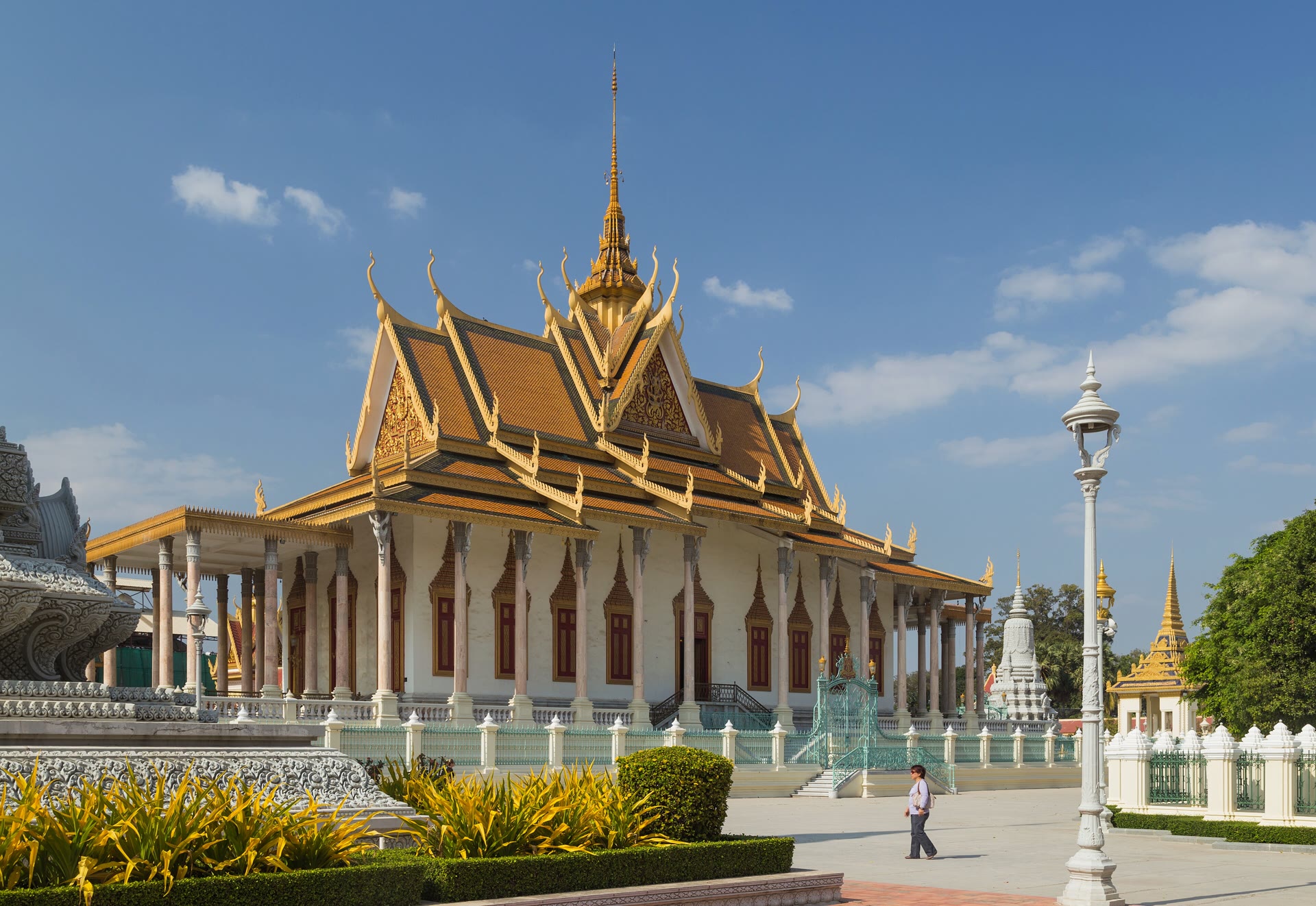
The Silver Pagoda is the place to understand Cambodian royal and Buddhist art, not simply to photograph golden roofs. It belongs to the Royal Palace visit in Phnom Penh, an active royal complex where only the visitor areas are open.
Choose a morning or afternoon session and set aside roughly two hours, focusing on the pagoda’s images and its architectural setting. If you also want the National Museum, treat it as a separate visit with its own ticket and photography rules.
Identify the Silver Pagoda and its distinct Buddha images
The Silver Pagoda is called Wat Preah Keo Morakot. The Emerald Buddha, a seventeenth-century image made of Baccarat crystal, and the life-sized golden Buddha are distinct images inside it, not other names for the building.[1]
The name refers to the silver-tiled floor. The pagoda was once a wooden structure and was rebuilt in the twentieth century.[2] Only parts of the floor are uncovered, so do not expect to see every silver tile.
Look at how the sacred images, their display and the surrounding architecture work together, rather than only their material value. A guide can tell the figures apart and explain their religious context.
Things to Do
Offers are only loaded from GetYourGuide after you click. GetYourGuide can then process your IP address and set cookies. Privacy Policy
GetYourGuide partner offers. GoAsia may earn a commission if you book through these offers. Check whether tickets or transfers are included, and follow the attraction's official booking and admission rules.
Choose a session and confirm the ticket’s scope
| Visitor reference | What it means for planning | What to confirm |
|---|---|---|
| Royal Palace morning, 08:00 to 11:00 | A three-hour session[1] | Last entry and the rooms open that day |
| Royal Palace afternoon, 14:00 to 17:00 | A second three-hour session[1] | Your arrival time against the closing time |
| USD 10 for international tourists | The Royal Palace entrance price[1] | Your visitor category and what the ticket covers |
| Guides available near the entrance | A separate service that helps explain the art[1] | Language, duration and total price |
Ask what your ticket includes before you pay, including the Silver Pagoda and the rooms you want to see. Agree any guide service and camera charge separately, with the language, duration and total clear. Add transport to your budget as its own cost.
Do not arrive at 10:30 expecting a relaxed visit before the morning session ends.[1] The gap from 11:00 to 14:00 is not a third session. Ask about last admission separately from closing time, since ceremonies can affect the visit and the Throne Hall and royal residential areas are not open.
Understand the paintings without conflating different traditions
An exhibition by SOSORO, Into the Light: The Retrieved Paintings of Phnom Penh’s Silver Pagoda, opened in October 2025. Rediscovered photographs on fragile glass-plate negatives preserve earlier paintings from the sanctuary, which you will not necessarily see on the walls today.[3]
The paintings show jataka scenes, tales of the Buddha’s past lives, and EFEO researcher Olivier de Bernon was scientific curator of the exhibition.[3] These differ from Ramayana or Reamker stories, so ask your guide which tradition a mural belongs to. If murals interest you most, ask which areas are open and how conservation affects the route.
The SOSORO documentation project is a good online introduction to jataka stories and the life of the Buddha. It was documented with royal permission.[4] Before you add a separate SOSORO museum stop, find out what is on display on your travel date.
Dress, photography and respectful access
Wear clothing that covers your shoulders and knees, and do not count on buying a scarf outside to get in. Respectful dress is expected, and cameras are restricted in some areas.[1] Photography is not allowed inside the Silver Pagoda.[2] Follow the signs and staff directions at each space.
Ask where shoes must come off, whether bags can go in and which route is open. Do not touch sacred objects, cross barriers or enter a closed area for a photograph.
If you need a step-free route, seating or help with stairs, ask for details on the entrance and rooms before you pay. Bring water and sun protection, and take breaks as you need them: two hours is a guide, not a pace you have to keep.
Organise the actual entrance and return journey
Give your driver or ride provider the public visitor entrance, not a royal gate or a general palace map pin. Compare the total quoted from your accommodation, the currency, waiting time and return arrangements. If you walk, check your starting point, the road crossings and the weather.
Walking suits a nearby hotel; a driver suits heat, luggage or mobility needs better. Arrange your collection before you go in.
Add the National Museum as a separate art visit
| National Museum | Details |
|---|---|
| Visitor entrance and ticket booth | Corner of Streets 13 and 178, next to the Royal Palace[5] |
| Hours and last ticket sale | 08:00 to 17:00 daily; last admission tickets at 16:30[5] |
| Foreign visitor prices | USD 10 from age 18; USD 5 for ages 10 to 17; children and school groups free[5] |
| Photography | No photography in galleries; exterior and courtyard photography permitted[5] |
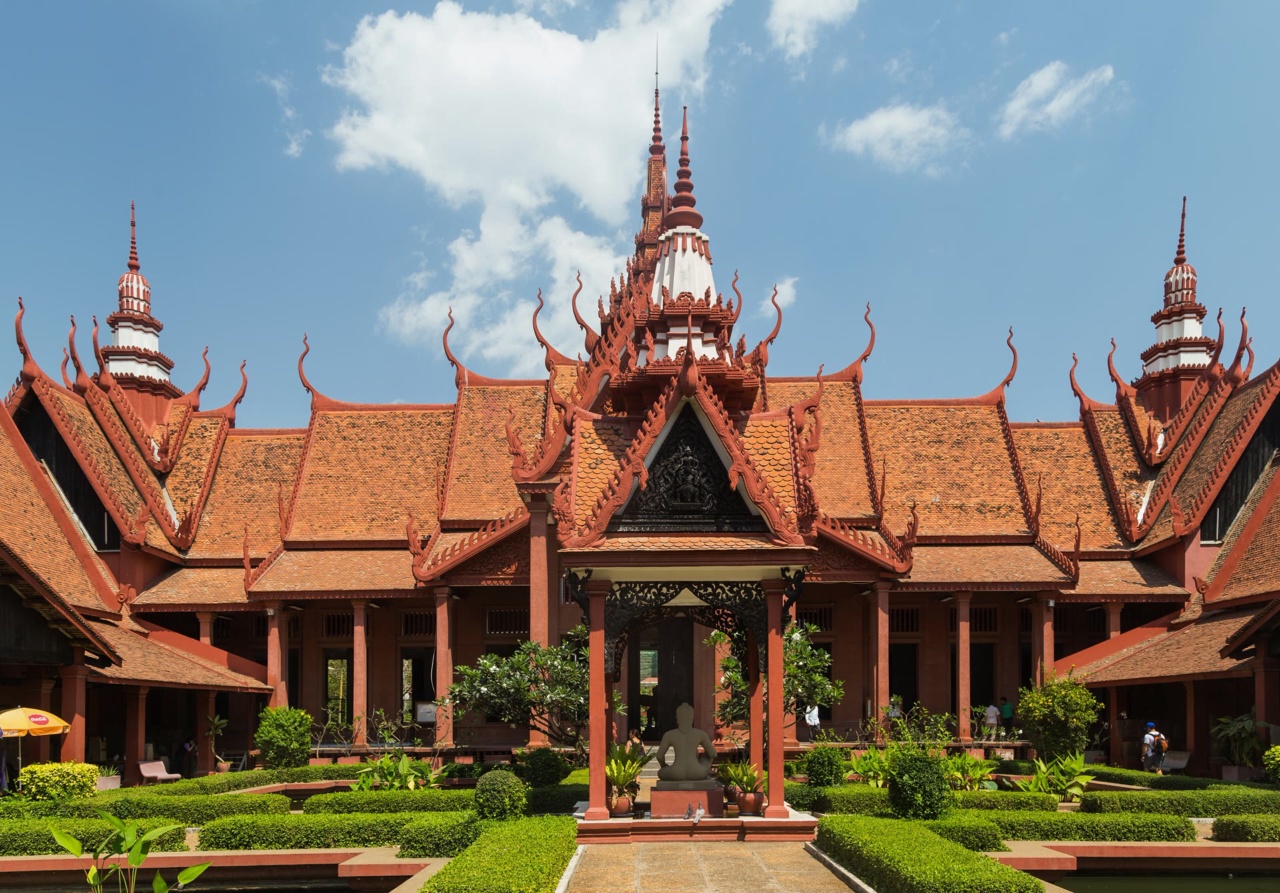
The museum has its own ticket and rules, separate from the palace. Choose this stop if you want more time with Khmer art and sculpture after the palace, and give each collection its own time instead of squeezing both into one morning.
Keep the palace and pagoda guides useful, not interchangeable
Read the Royal Palace planning guide for the wider complex and the Cambodia travel overview for your onward trip. This guide stays with the Silver Pagoda’s sacred images, its painting history and the practical details of a visit.
Sources and background
Numbers in the text such as [1] refer to these sources.
- [1] Cambodia Tourism Board: Cambodia Tourism Board: Royal Palace visitor information and Silver Pagoda. Retrieved October 15, 2026.
- [2] Economic Diplomacy Cambodia, Ministry of Foreign Affairs and International Cooperation; Culture Trip reprint: Royal Palace and Silver Pagoda: January 2025 Culture Trip reprint. Retrieved October 15, 2026.
- [3] Agence Kampuchea Presse: October 2025: SOSORO exhibition on rediscovered Silver Pagoda sanctuary paintings. Retrieved October 15, 2026.
- [4] Preah Srey Içanavarman Museum of Economy and Money: SOSORO: Into the Light, Silver Pagoda painting documentation project. Retrieved October 15, 2026.
- [5] National Museum of Cambodia: National Museum of Cambodia: visitor entrance, prices and photography. Retrieved October 15, 2026.
- [6] Cambodia Tourism Board: Cambodia Tourism Board: public-private institutional role. Retrieved October 15, 2026.
Frequently Asked Questions
No. The Silver Pagoda is the building called Wat Preah Keo Morakot. The Emerald Buddha, made of Baccarat crystal, and the golden Buddha are distinct images inside it.
08:00 to 11:00 and 14:00 to 17:00, both three-hour sessions. The midday gap is not a visiting session, and not every building can be entered.
USD 10 is the Royal Palace entrance price for international tourists. Ask what your ticket covers. Guides and transport cost extra.
Cameras are restricted in some areas of the palace, and photography is not allowed inside the Silver Pagoda. Follow the signs and staff directions in each space.
Wear clothes that cover your shoulders and knees, and do not count on a scarf as a workaround. Ask about shoes, bags, entrance steps and the route through the open rooms. Gardens and a general visitor ticket do not make a visit fully step-free.
No. The SOSORO exhibition shows rediscovered photographs of earlier sanctuary paintings, including jataka tales of the Buddha’s past lives. These differ from Ramayana or Reamker scenes.
Yes, as a separate stop with its own entrance, ticket categories and gallery photography rules. The museum is open 08:00 to 17:00 and sells its last tickets at 16:30. Give it its own time; the palace ticket does not include it.