Kinabalu Park: Climb Planning, Park Visits and Poring
Contents
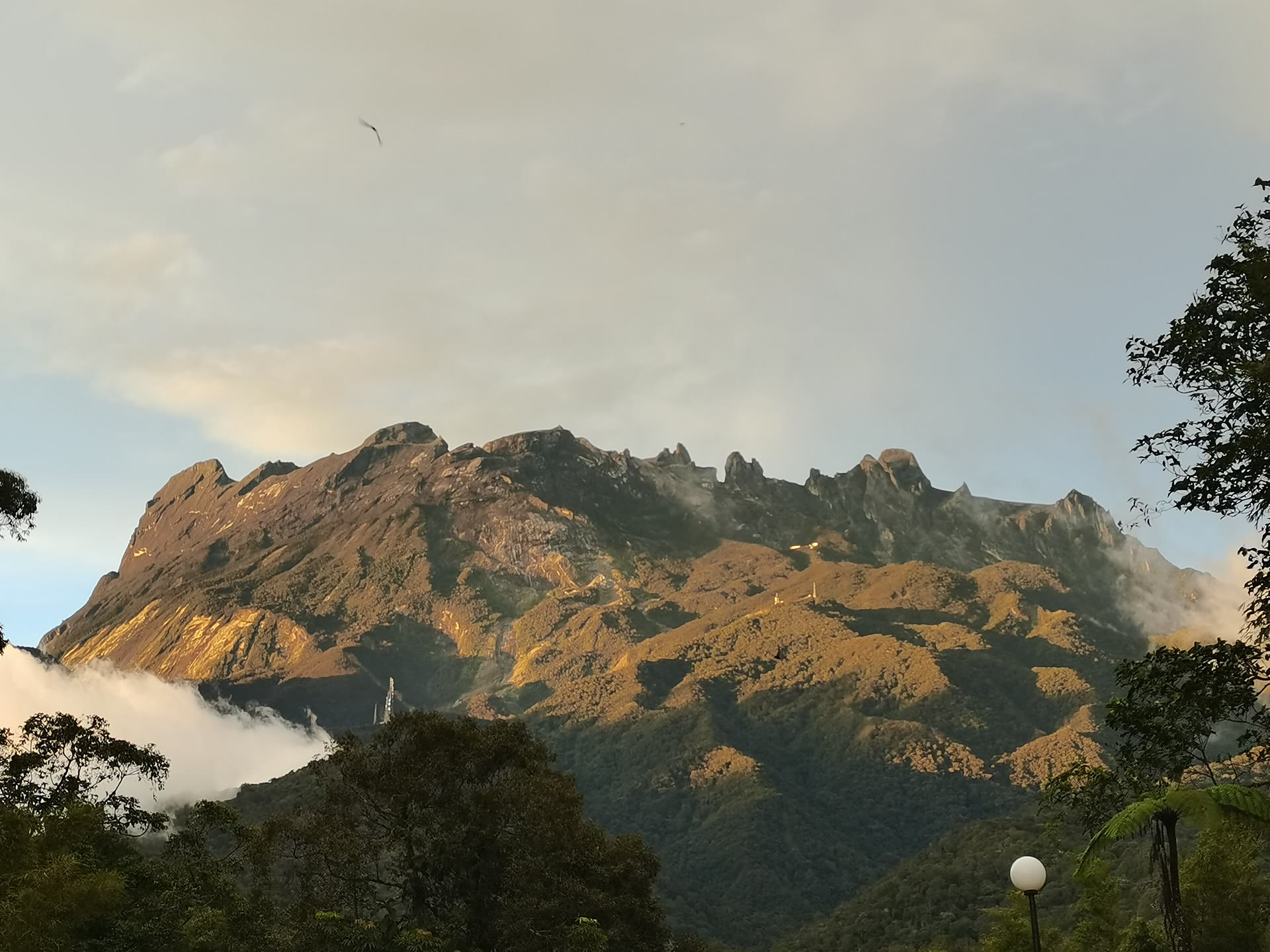
Kinabalu Park brings together two very different Sabah visits: time around the mountain park headquarters and a separately planned climb of Mount Kinabalu. The park covers about 754 km², and its headquarters sit around 1,520 metres above sea level, about 92 km from Kota Kinabalu along the east-coast highway.[1] The World Heritage area rises to Mount Kinabalu at 4,095 metres, with habitats that change from tropical forest to mountain vegetation.[2] See the Sabah Parks visitor overview and the UNESCO World Heritage profile for the park and conservation context.
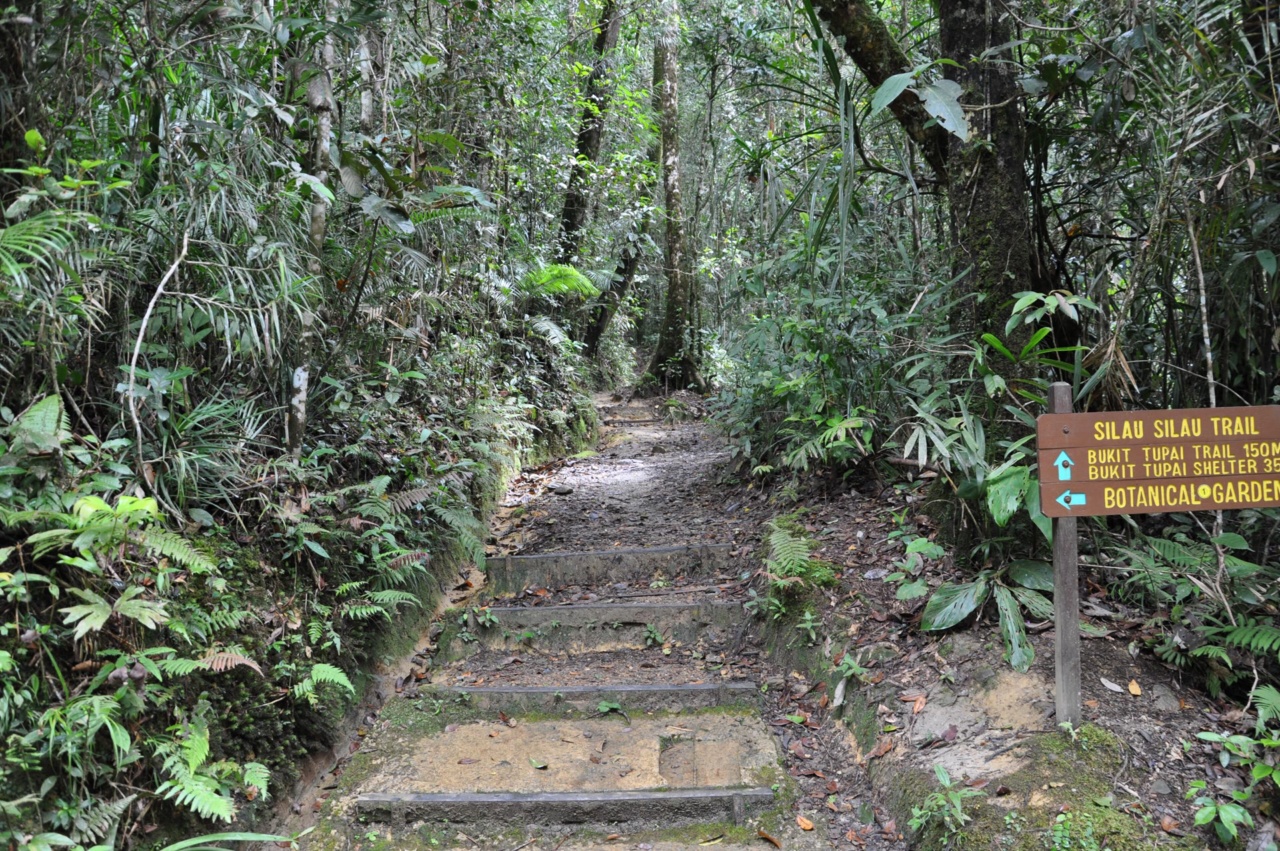
You do not need a summit booking to visit the headquarters area, which has a botanical garden, nature trails and a visitor programme.[1] Check the session times and meeting points before you travel. Look out for the habitats changing as the ground rises, and for wildlife. Follow marked routes and posted instructions, and leave plants and wildlife undisturbed.
Planning a Mount Kinabalu climb
A climb is a separate, guided trip that needs advance coordination. Climbers must use a registered mountain guide and arrange a permit and overnight accommodation.[3][4] The climb can be done in two days; three days make for a more comfortable itinerary.[3] The exact route, overnight arrangement and summit attempt depend on the booking and conditions on the mountain, so do not plan around a guaranteed summit time or view. Read the Mount Kinabalu route information and the Sabah Parks climbing and hostel booking guide before choosing dates.
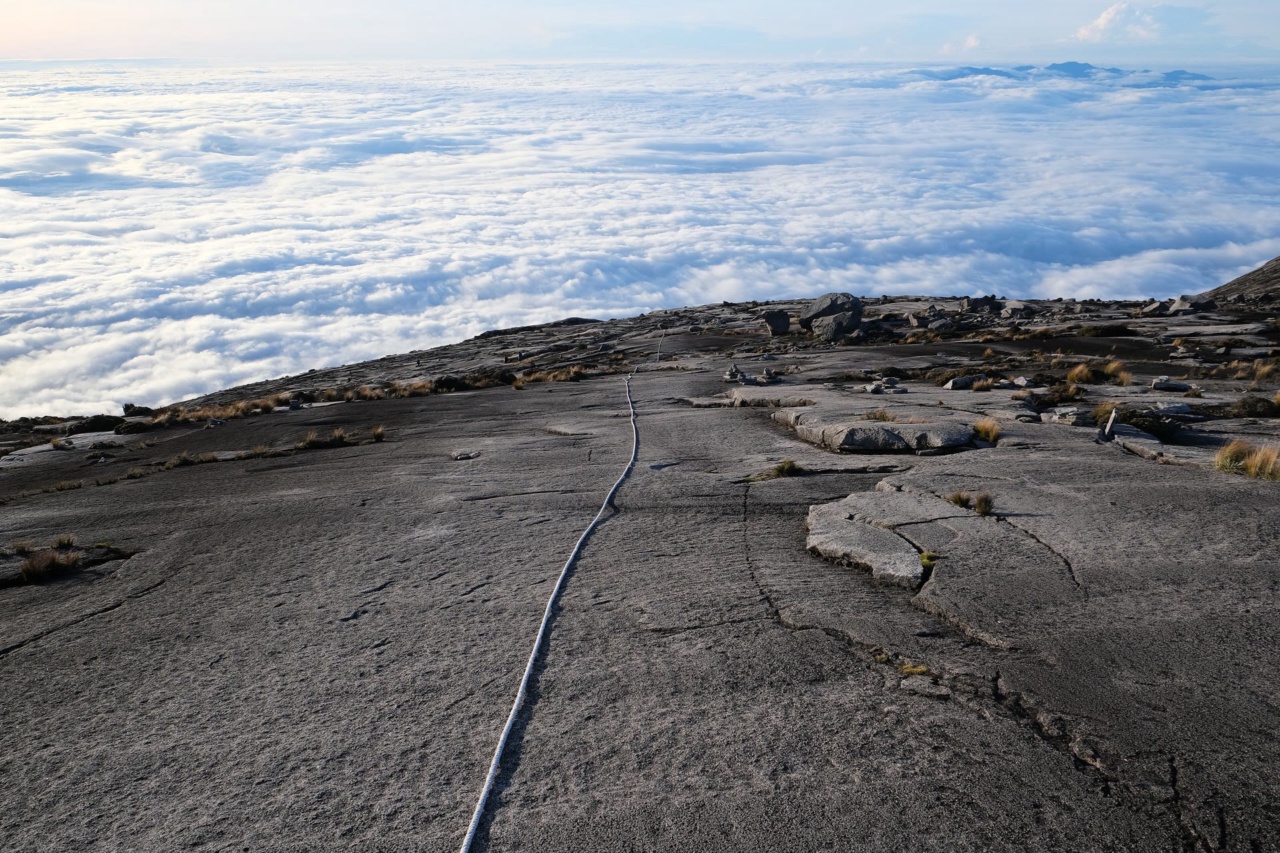
You book through Sabah Parks online: choose a date and accommodation and check the status for that date. On 19 September 2026 the booking page noted that 2027 bookings had not yet opened.[4] The 2026 package terms (updated 25 November 2025) include one night of accommodation, three meals, permit and insurance; conservation charges, guide services, transport, an optional porter and certificates are separate. The 2026 Panalaban Hostel package for an international climber aged 18 or above costs MYR 1,043.25 per person, including the 7% service charge.[4] Conservation, guide and transport charges come on top, and nationality and age affect the rate. Confirm the total for your date on the official booking page.
Weather, trail conditions and safety decisions can change the itinerary. Follow the instructions of your guide and park staff, and ask what equipment, transfers and overnight arrangements your reservation includes. Mobile coverage is limited in parts of the climb.[4]
Things to Do
Offers are only loaded from GetYourGuide after you click. GetYourGuide can then process your IP address and set cookies. Privacy Policy
GetYourGuide partner offers. GoAsia may earn a commission if you book through these offers. Check whether tickets or transfers are included, and follow the attraction's official booking and admission rules.
A park visit without the summit climb
If you are not climbing, focus your time on the headquarters area and its garden, visitor sessions and nature trails. Check the schedule close to your visit. Make it a short stop or allow longer for a walk, depending on trail access and your onward transport. Accommodation at the headquarters is run by Sutera Sanctuary Lodges; ask the operator about availability and booking.[1]
Adding Poring to your itinerary
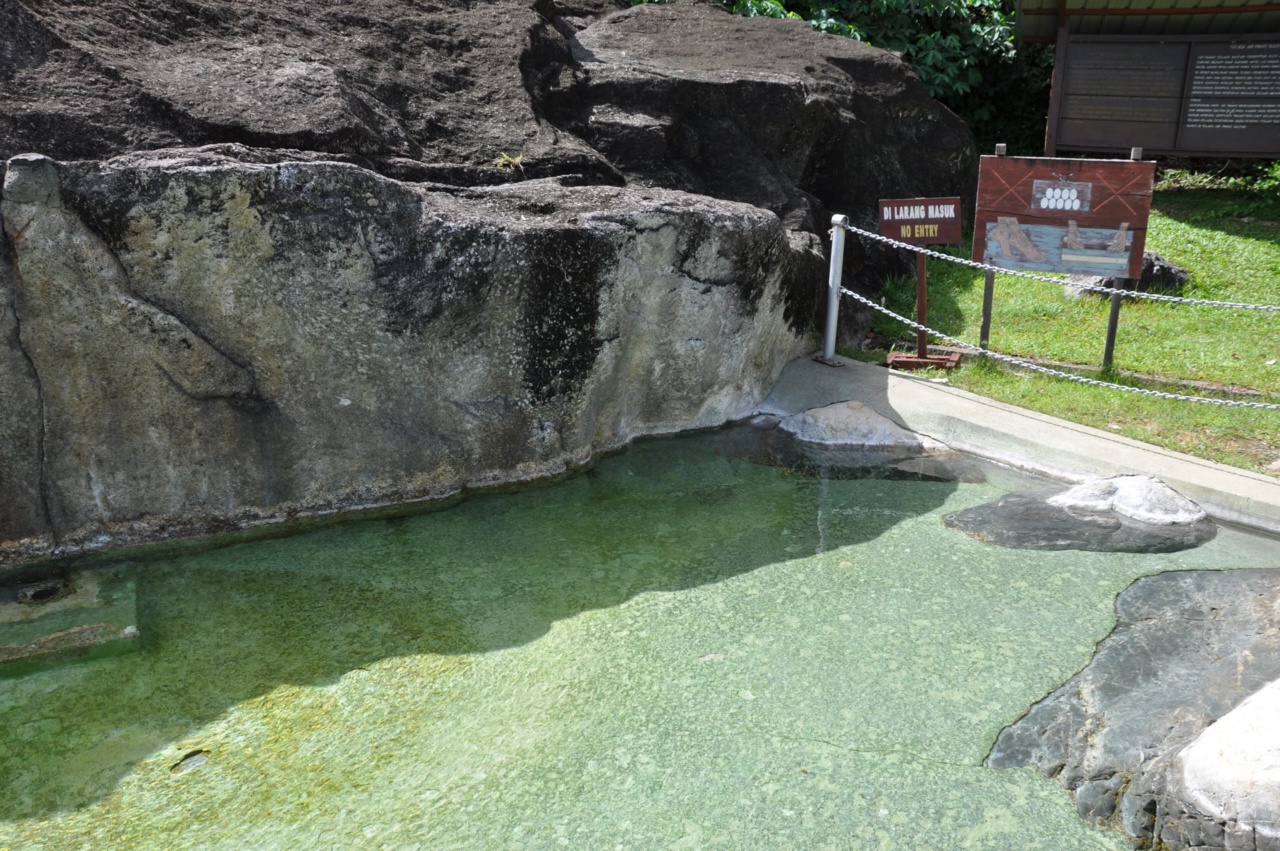
Poring is a separate park section roughly 40 km from the headquarters, in a lower-elevation forest setting. It has hot-spring facilities, garden and forest attractions, and walking routes.[5] The Poring canopy walkway was temporarily closed as of 8 October 2026, so do not build a visit around it unless the park confirms it has reopened.[1] The Poring page lists visitor hours and charges; check the current conditions before you set out. Check both the Poring visitor page and the main Kinabalu Park notice.
Getting there and choosing your time
The park headquarters are reached by road from Kota Kinabalu. Arrange a return transfer that matches your plans, especially if you are visiting Poring as well, and confirm collection points and timing with the transport provider. If you are climbing, check whether transport is included in your booking.
For a day visit, allow time for the drive and check which garden sessions, trails and facilities are open on your date. For a climb, start with date and accommodation availability, then compare package terms and add-ons. For Poring, check the closure notice before you travel. For onward travel planning, see our Malaysia transport and travel guide.
Sources and background
Numbers in the text such as [1] refer to these sources.
- [1] Sabah Parks: Kinabalu Park - The Official Sabah Parks Website. Retrieved October 20, 2026.
- [2] UNESCO World Heritage Centre: Kinabalu Park - UNESCO World Heritage Centre. Retrieved October 20, 2026.
- [3] Sabah Parks: Mount Kinabalu - The Official Sabah Parks Website. Retrieved October 20, 2026.
- [4] Sabah Parks: Mount Kinabalu Climbing & Hostel Booking Guide - The Official Sabah Parks Website. Retrieved October 20, 2026.
- [5] Sabah Parks: Poring Hot Spring - The Official Sabah Parks Website. Retrieved October 20, 2026.
Frequently Asked Questions
Yes. The park headquarters have a botanical garden, visitor sessions and nature trails. Check session times, access and any charges before travelling.
Use the Sabah Parks climbing and hostel booking guide to check the process, choose an available date and accommodation, and review the terms. Availability depends on the date.
Yes. Climbers must use a registered mountain guide. Check the guide charges in the booking terms for your date.
The climb can be done in two days; three days make for a more comfortable itinerary. The actual plan depends on your booking and can change with weather, trail conditions and safety decisions.
The 2026 Panalaban Hostel package costs MYR 1,043.25 per international adult aged 18 or above (terms updated 25 November 2025). It includes one night, three meals, a permit, insurance and the 7% service charge, but not conservation, guide or transport charges. Check the total and your age and nationality category before paying.
Not at the moment: the walkway was temporarily closed as of 8 October 2026. Check the latest Sabah Parks notice before you go.
Poring is roughly 40 km from the headquarters. Confirm your transport and whether the facilities you want to visit are open.
The headquarters are about 92 km from Kota Kinabalu along the east-coast highway. Confirm your outward and return collection points with the transport provider, and check whether a climbing package includes transfers. Poring is a separate section about 40 km from the headquarters.