Kinabatangan River Safari: Choosing a River Stay
Contents
Compare a one-night river stay with a two-night itinerary before booking a Kinabatangan safari. Both examples below start in Sandakan and reach the Sukau area by road: a one-night stay at Borneo Nature Lodge, and a two-night package at Sukau Rainforest Lodge that includes Sepilok. Choose by the activities and connections you want, not just the number of nights.
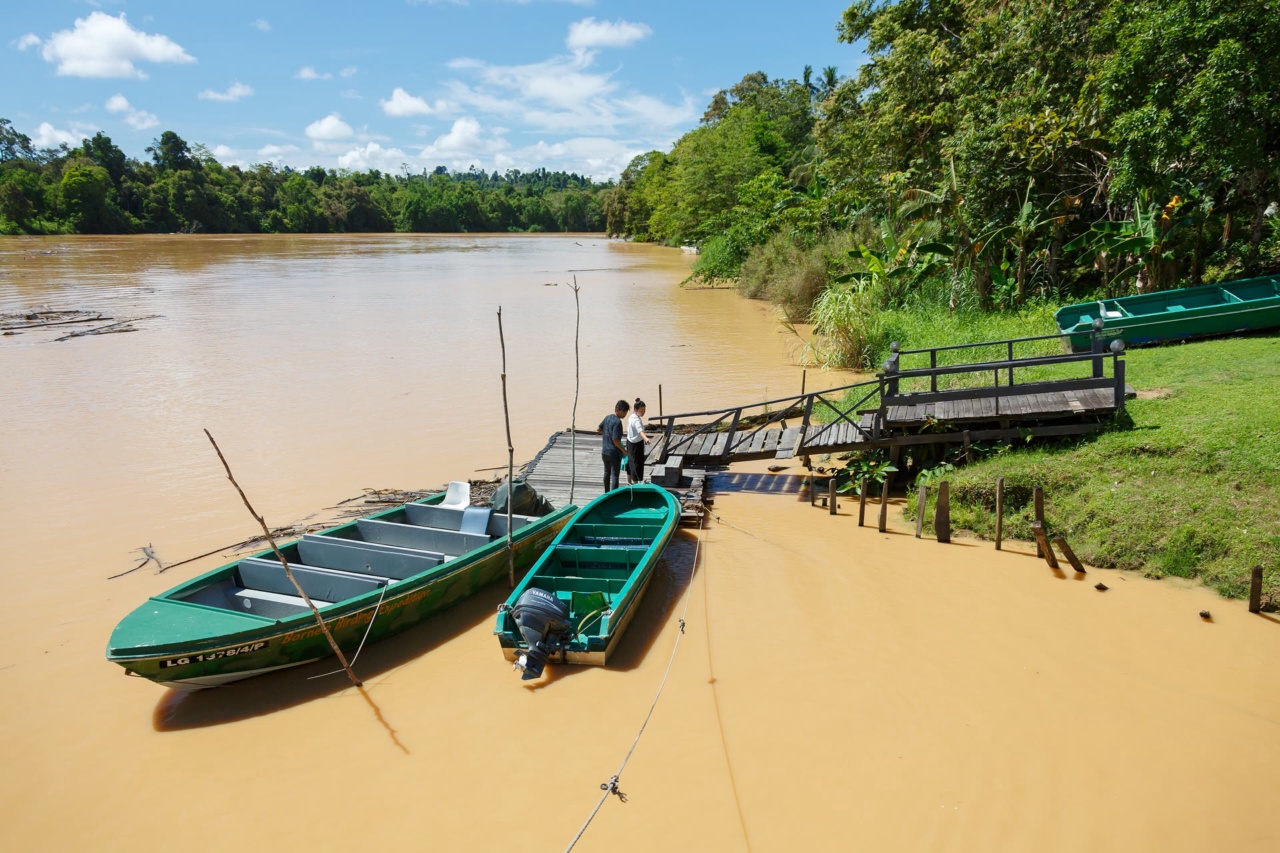
Choose the length and style of stay
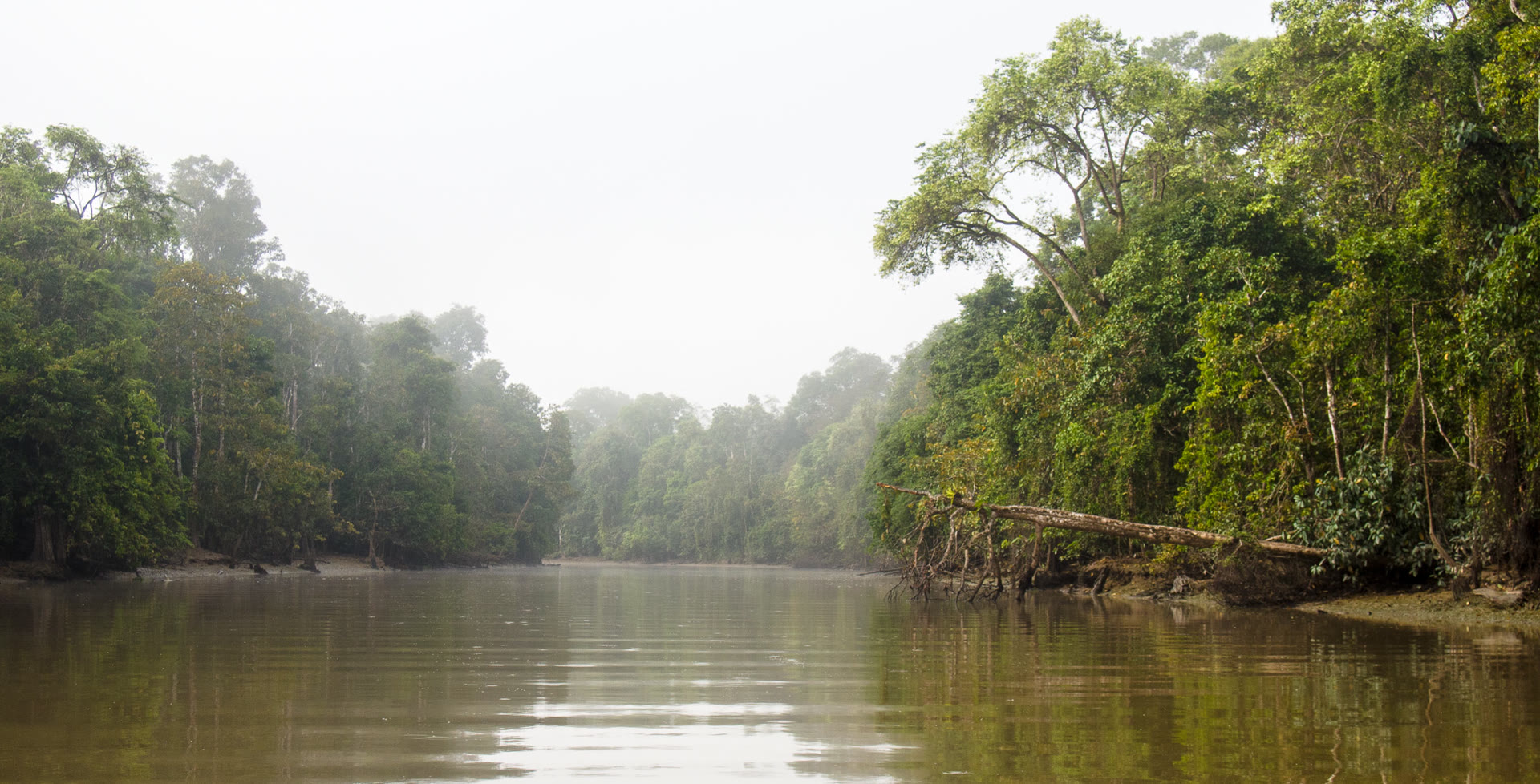
Borneo Nature Lodge lists a two-day, one-night Sukau itinerary (tour code BNL005). A guide meets you at a Sandakan hotel or airport for a drive of about 2.5 hours, followed by a short boat transfer to the lodge. A river cruise leaves at 16:00 on the first afternoon, and at 06:00 the next morning a cruise goes up the Kinabatangan River to Kelenanap Oxbow Lake, with a short jungle walk if the weather permits. Lunch and dinner on day 1 and breakfast on day 2 are included.[1] The price excludes airfare, beverages, tips, 8% Sales and Service Tax and a Tourism Tax of RM10 per room per night, payable at check-in. The licensed tour operator is Borneo Trails Tours & Travel.[1] See the Borneo Nature Lodge one-night itinerary and its inclusions.
Borneo Eco Tours lists a separate three-day, two-night package at Sukau Rainforest Lodge. Day 1 starts with pickup at Sandakan Airport (recommended arrival 08:00) or a Sandakan hotel and a visit to the Sepilok Orang Utan Rehabilitation Centre, followed by an overland journey of about 2 hours to the lodge and a late-afternoon river cruise. Day 2 has a morning cruise to Kelenanap oxbow lake, a nature walk on the lodge's Hornbill Boardwalk and another afternoon cruise, and day 3 returns to Sandakan. Meals are lunch and dinner on day 1, all three meals on day 2 and breakfast and lunch on day 3.[2] The package runs daily for at least 2 guests, and a high-season surcharge of MYR 300 per person applies in July and August and in March 2027. Pickup or drop-off outside Sandakan Airport and the Sandakan town hotels costs extra.[2] Compare the Borneo Eco Tours three-day itinerary and package details.
Things to Do
Offers are only loaded from GetYourGuide after you click. GetYourGuide can then process your IP address and set cookies. Privacy Policy
GetYourGuide partner offers. GoAsia may earn a commission if you book through these offers. Check whether tickets or transfers are included, and follow the attraction's official booking and admission rules.
Compare the transfer and activity details
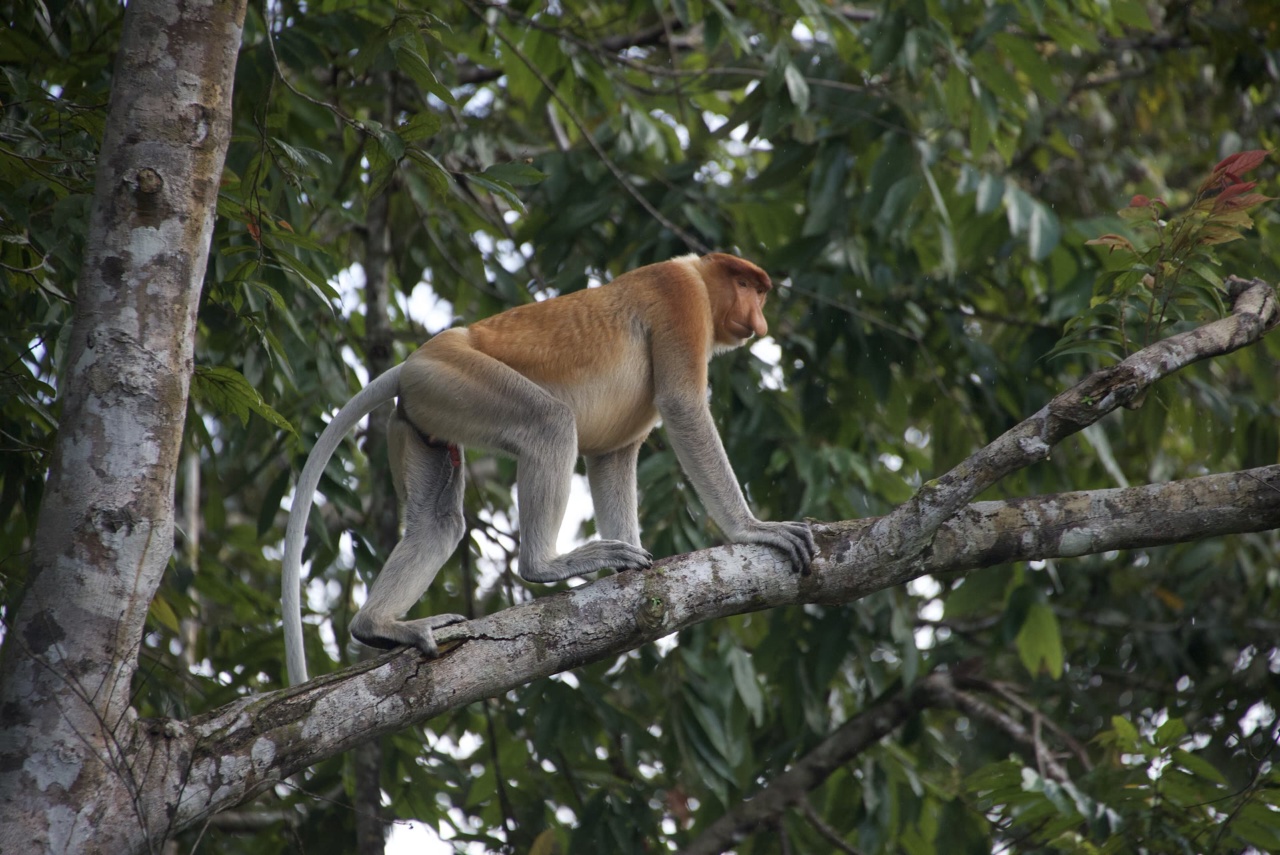
Both itineraries describe cruises as chances to look for wildlife and birds, including proboscis monkeys at Borneo Nature Lodge, rather than promising particular sightings.[1][2] Borneo Nature Lodge says optional night cruises, night walks and tree planting can be arranged at the lodge, depending on the weather.[1] Borneo Eco Tours lists a night cruise, a Gomantong Caves trip and a Rasig wildlife trek as optional extras, and suggests the Rainforest Discovery Centre on the last day for travellers with evening flights.[2] Treat these as operator-specific offers, not activities included with every river stay.
Confirm your exact package before booking
Before paying, ask which Sandakan pickup point is covered, how the road and boat transfers connect, which meals and cruises are included, whether a night activity is available on your dates, and which taxes and surcharges are extra. Confirm the return transfer against your flight time. The itinerary and inclusions on one operator's page are not a shared schedule for other lodges.
For wider trip planning, see our Malaysia travel guide.
Sources and background
Numbers in the text such as [1] refer to these sources.
- [1] Borneo Nature Lodge website; the package page says tours are handled by licensed operator Borneo Trails Tours & Travel Sdn Bhd: 2 Days / 1 Night Sukau (Kinabatangan Wildlife Sanctuary & Ox-Bow Lake). Retrieved October 15, 2026.
- [2] Borneo Eco Tours Sdn Bhd: 3D2N Borneo Wildlife Safari Excursion at Kinabatangan River. Retrieved October 15, 2026.
Frequently Asked Questions
Borneo Nature Lodge lists a two-day, one-night stay, while Borneo Eco Tours lists a three-day, two-night package. Choose by the time you want for river activities and whether you want Sepilok included, then compare the exact departure and return arrangements.
A guide meets you at a Sandakan hotel or airport for a drive of about 2.5 hours and a short boat transfer to the lodge. A river cruise leaves at 16:00 on day 1. On day 2 a cruise at 06:00 goes to Kelenanap Oxbow Lake, with a short jungle walk if the weather permits, before the transfer back to Sandakan.
No. The Borneo Eco Tours three-day package lists lunch and dinner on day 1, all meals on day 2 and breakfast and lunch on day 3, with pickup and drop-off at Sandakan Airport and town hotels. Borneo Nature Lodge lists lunch and dinner on day 1 and breakfast on day 2. Check each operator's own inclusion and exclusion list.
The Borneo Eco Tours itinerary includes a visit to Sepilok Orang Utan Rehabilitation Centre before the overland journey of about 2 hours to Sukau Rainforest Lodge. The Borneo Nature Lodge one-night itinerary does not list that stop.
No. The operator itineraries describe cruises as opportunities to look for wildlife and birds. They do not promise that a particular animal will appear.
No. Borneo Eco Tours lists the night cruise as an optional extra, and Borneo Nature Lodge says night cruises, night walks and tree planting can be arranged at the lodge depending on the weather. Ask your chosen operator whether an activity is offered and what it costs for your dates.
Borneo Nature Lodge describes a drive of about 2.5 hours followed by a short boat transfer. Borneo Eco Tours describes pickup in Sandakan, a Sepilok stop and then an overland journey of about 2 hours to the lodge. Confirm the meeting point, route, timing and return plan with the operator you book.
Confirm the dates, pickup location, transfer steps, included meals and cruises, optional activity charges, taxes and surcharges such as the 8% Sales and Service Tax and the Tourism Tax, and the return connection to your flight.