Luang Prabang Night Market: The World's Quietest Night Market

Luang Prabang Night Market: The World's Quietest Night Market

Last updated: March 18, 2026

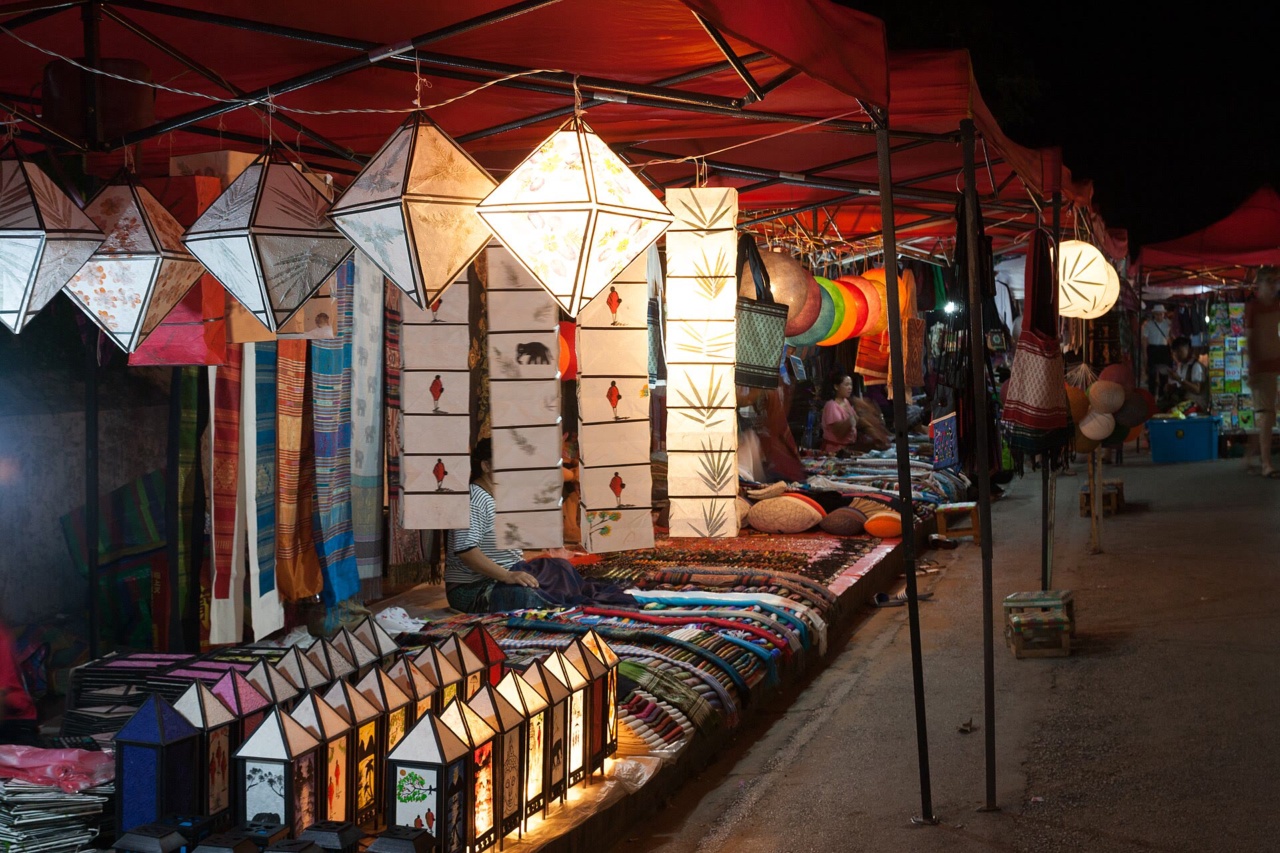
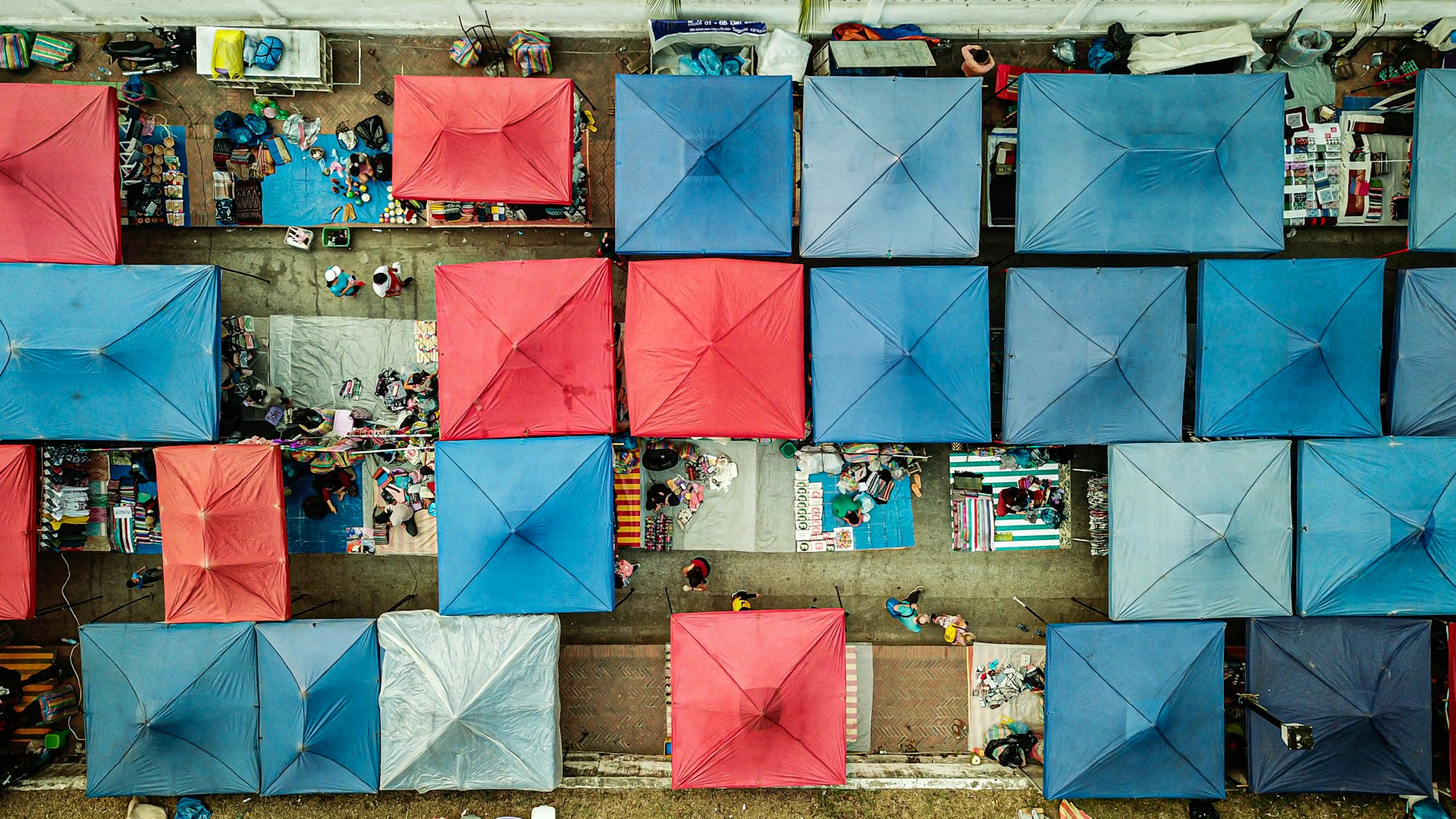
Every evening at five o'clock, a stretch of Sisavangvong Road in the heart of Luang Prabang transforms. Traffic stops, red canopies go up, and roughly 250 vendors lay out their handmade goods along a pedestrian-only corridor running from the Tourism Office toward the Royal Palace Museum. This is the Luang Prabang Night Market, and it operates under a rule you will not find at any other market in Southeast Asia: vendors are not allowed to call out to customers. They sit quietly behind their wares and wait for you to approach.

This regulation gives the market a remarkably calm atmosphere, a sharp contrast to the sensory assault of Bangkok's Khao San Road or Hanoi's Old Quarter. But do not mistake the quietness for a lack of substance. The market offers the most extensive collection of ethnic handicrafts in all of Laos, with textiles hand-woven by Hmong, Tai Lue, and Khmu artisans alongside locally made paper lanterns, recycled bomb cutlery, and traditional Lao coffee. It is both a shopping destination and a nightly cultural exhibition.

Where the Market Is and When It Runs

The night market occupies several hundred meters of Sisavangvong Road, Luang Prabang's main artery through the old town peninsula. The road closes to vehicles around 5:00 PM, and vendors begin setting up their stalls. By 5:30 PM the market is in full swing. Stalls remain open until approximately 10:00 PM, though some vendors begin packing up around 9:30 PM.

The market runs every single evening, rain or shine. During the rainy season (May through October), vendors use additional tarpaulins to protect their goods, and crowds thin out - which actually makes for a better shopping experience if you do not mind getting a little wet walking between stalls.

Orientation is simple. The handicraft stalls line both sides of the main road. At the eastern end, near the junction with Kitsalat Road, you will find the food section with its own cluster of vendors and makeshift seating areas.

Things to Do

What to Buy

Textiles and Weaving

The market's standout category is handwoven textiles. Ethnic minority women - primarily Hmong, Tai Lue, and Khmu - produce scarves, table runners, wall hangings, and traditional skirts (sinh) using wooden looms and techniques passed down through generations. The patterns are not mass-produced; each piece reflects the weaving traditions of its specific ethnic group, with natural dyes creating rich indigos, deep reds, and earthy browns.

Prices are remarkably fair. Silk scarves start around $3 to $5, cotton scarves from $2. Elaborately handwoven traditional skirts - the most complex pieces at the market - top out around $20. Look for the "Handmade in Luang Prabang" sticker tag on products. This certification program helps distinguish genuinely local artisan work from imported goods.

Paper and Silk Lanterns

Luang Prabang has a thriving tradition of handmade paper production using mulberry bark (sa paper). At the market, this paper appears in the form of colorful lanterns, notebooks, and decorative items. The lanterns are a signature souvenir - lightweight, packable, and distinctly Lao. Expect to pay 20,000 to 50,000 kip for a paper lantern depending on size and complexity.

Recycled Bomb Jewelry and Cutlery

One of the more sobering and unique product categories at the market draws from Laos' painful history as the most heavily bombed country per capita in history. Artisans collect unexploded ordnance casings - safely deactivated - and repurpose the aluminum and steel into spoons, bracelets, keychains, and decorative items. Buying these products directly supports communities affected by the legacy of unexploded ordnance while creating something meaningful from destructive material.

Lao Coffee and Tea

Laos produces excellent coffee, particularly from the Bolaven Plateau in the south. Several market stalls sell packaged whole beans and ground coffee, often organic and single-origin. A bag of quality Lao coffee makes an excellent gift and typically costs between 30,000 and 60,000 kip. Tea from northern Laos, including varieties grown by ethnic minority communities, is also available.

Wood Carvings and Ceramics

Hand-carved wooden animals, Buddha figures, and decorative boxes appear throughout the market. Quality varies - inspect pieces carefully for detail and finish. Ceramic items include small bowls, cups, and decorative pieces, some using traditional Lao glazing techniques.

The Food Section

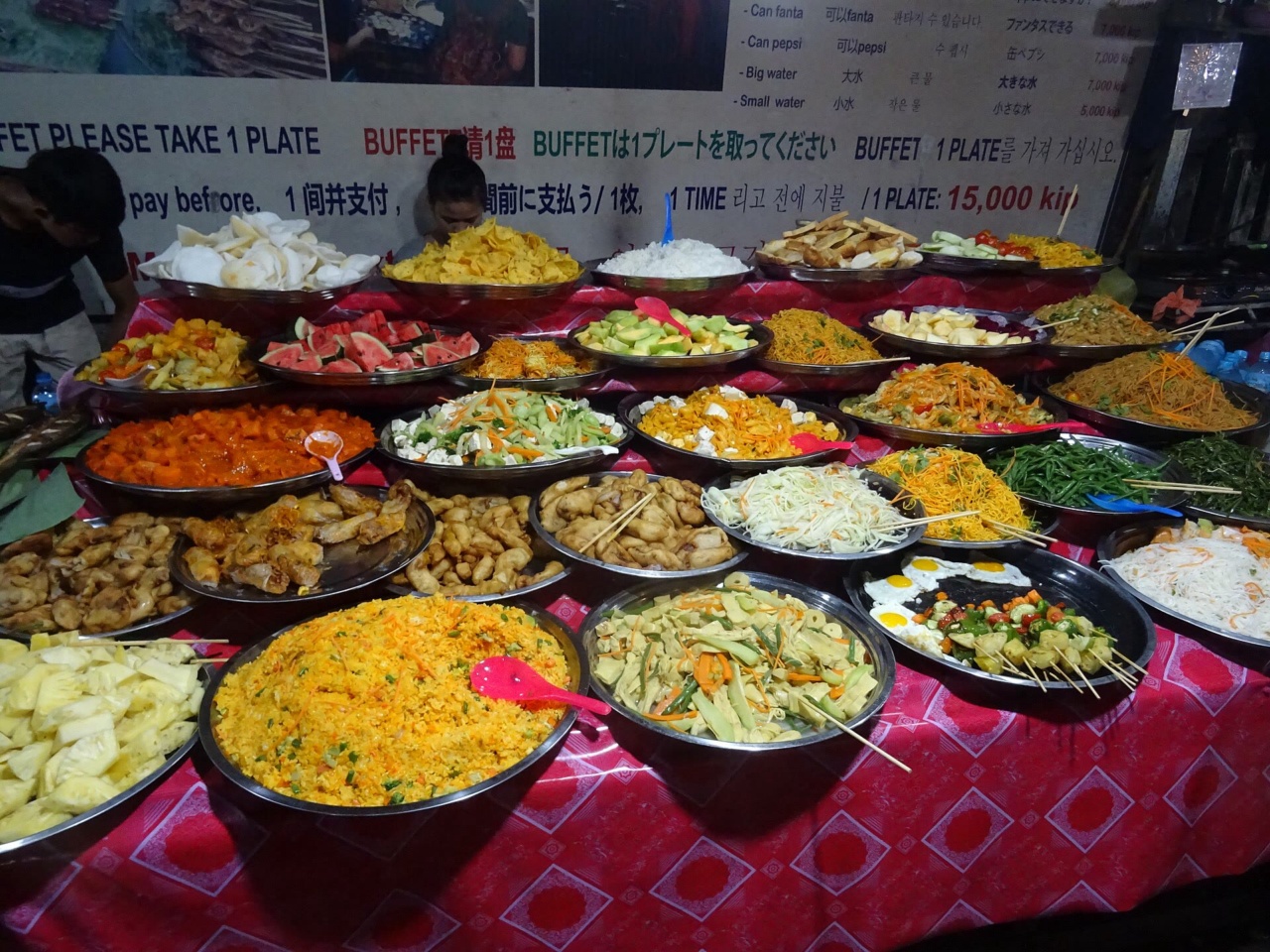
The eastern end of the market hosts a dedicated food area that should not be treated as an afterthought. This is where many locals and budget travelers eat dinner, and the quality rivals or exceeds most restaurants in town at a fraction of the price.

The Buffet Stalls

The most popular option is the vegetarian buffet, where vendors display large trays of prepared dishes - curries, stir-fried vegetables, noodle dishes, salads, and spring rolls. You fill a plate for a flat fee, typically around 15,000 to 20,000 kip regardless of how much you pile on. The variety changes nightly, and the flavors are consistently good.

Street Food Highlights

Beyond the buffets, individual food stalls offer some standout items worth seeking out:

  • Kanom krok - Coconut rice pancakes cooked in a cast-iron pan with dimpled molds. Crispy on the outside, soft and coconutty inside. Sold in sets of four or six.
  • Grilled meat skewers - Chicken, pork, and sometimes river fish, marinated in lemongrass and chili. Pair with sticky rice from a neighboring stall.
  • Fresh fruit shakes - Mango, passion fruit, watermelon, and mixed varieties blended with ice. Around 10,000 to 15,000 kip each.
  • Baguette sandwiches - The French colonial influence shows up here. Lao-style baguettes filled with pate, vegetables, and chili sauce are a filling snack for 15,000 to 20,000 kip.
  • Laap - The national dish of Laos, a spiced minced meat salad. The market versions are authentic and punchy with fresh herbs, lime, and roasted rice powder.

Bargaining and Prices

Bargaining is accepted at the handicraft stalls, but the culture around it differs significantly from markets in Thailand or Vietnam. Lao vendors generally do not inflate prices as aggressively as their counterparts elsewhere in Southeast Asia. Starting prices are often only 20 to 30 percent above what the vendor will accept, not the 200 to 300 percent markup you might encounter in Bangkok or Ho Chi Minh City.

Approach bargaining gently. A friendly counter-offer of 20 to 30 percent below the asking price is reasonable. Aggressive haggling is considered rude and can genuinely upset vendors, many of whom are artisans selling their own work directly. If you are buying multiple items from one vendor, asking for a small discount on the total is generally well-received.

Keep perspective on prices. A handwoven silk scarf that took days to produce and sells for $5 does not need to be bargained down to $3. The market provides critical income for ethnic minority families, and the prices are already extraordinarily low by international standards.

Combining the Night Market with Evening Activities

The night market fits naturally into a Luang Prabang evening. A typical approach is to arrive around 5:30 PM, browse the handicraft stalls for an hour, eat at the food section around 6:30 or 7:00 PM, and then continue shopping or walk to one of the riverside bars along the Mekong for a drink as the sun sets.

The market's location on Sisavangvong Road means you are also within a few minutes' walk of Luang Prabang's best-known temples. Wat Mai Suwannaphumaham, with its golden bas-relief facade, sits right at the market's western end. The Royal Palace Museum is adjacent. And Phousi Hill, the best sunset viewpoint in town, is directly across from the market - you can climb the 328 steps for sunset and then descend into the market as it comes alive. For more ideas on what to see in Luang Prabang, GoAsia.cc has additional guides to the city's temples and activities.

Tips for Shopping at the Night Market

  • Bring cash in small denominations - Most vendors accept only Lao kip. Some will take Thai baht at a rough conversion rate. Almost no stalls accept credit cards. ATMs are available along Sisavangvong Road if you need to withdraw.
  • Come early for the best selection - The most popular textiles and unique pieces sell first. If you want the widest choice, arrive when the market opens around 5:00 to 5:30 PM.
  • Walk the full length before buying - Many stalls sell similar items at slightly different prices and quality levels. A full pass takes about 15 minutes and helps you compare before committing.
  • Look for the Handmade in Luang Prabang tag - This certification marks genuinely locally made products. It appears on textiles, ceramics, jewelry, and other categories. Products without this tag may be imported from China or Vietnam.
  • Check textiles carefully - Hold scarves and fabrics up to light to check weave density and quality. Machine-made imitations exist alongside handwoven pieces. Handwoven items have slight irregularities that are part of their character; machine-made products look perfectly uniform.
  • Eat at the food section first - Arrive hungry. The buffet and street food options are genuinely good and far cheaper than restaurant meals. Budget around 30,000 to 40,000 kip for a filling dinner with a drink.
  • Be prepared for rain - During the wet season, sudden evening downpours are common. Vendors have cover, but moving between stalls can leave you soaked. A small umbrella or rain jacket keeps the experience comfortable.
  • Respect the quiet atmosphere - The no-solicitation rule creates the market's unique charm. Reciprocate by keeping your own volume down and engaging vendors with a smile and a quiet sabaidee (hello) rather than shouting prices across stalls.

Frequently Asked Questions

What makes the Luang Prabang Night Market different from other Southeast Asian night markets?

Local regulations prohibit vendors from calling out to customers or soliciting business. This creates an unusually calm and respectful shopping atmosphere that has earned it the nickname 'the quietest night market in the world.' The focus on ethnic handicrafts rather than mass-produced souvenirs also sets it apart from markets in neighboring countries.

How much should I budget for shopping at the night market?

Handicraft prices are very reasonable. Silk scarves range from $3 to $5, cotton scarves from $2, and even elaborate handwoven skirts top out around $20. Food at the buffet stalls costs about 15,000 to 20,000 kip per plate. A comfortable evening of shopping and dinner can easily stay under $20 to $30 total.

Where exactly is the night market and how do I get there?

The market runs along Sisavangvong Road in the old town, from the Tourism Office toward the Royal Palace Museum. If you are staying anywhere in the peninsula area, it is walkable. The road closes to traffic at 5:00 PM and vendors set up shortly after. No transport is needed if you are based in the old town.

Is it appropriate to bargain at the Luang Prabang Night Market?

Gentle bargaining is acceptable, but Lao vendors typically do not inflate prices as dramatically as in Thailand or Vietnam. A counter-offer of 20 to 30 percent below the asking price is reasonable. Aggressive haggling is considered rude and can upset the artisans who made the products themselves.

How can I tell if products are genuinely handmade and locally produced?

Look for the 'Handmade in Luang Prabang' sticker tag on products. This certification helps identify genuine local artisan work. For textiles, hold the fabric up to light - handwoven pieces have slight irregularities in the weave, while machine-made imports look perfectly uniform.

What food should I try at the night market?

Do not miss the vegetarian buffet stalls where you fill a plate for a flat fee. For individual items, the coconut rice pancakes (kanom krok), grilled lemongrass meat skewers, and Lao-style baguette sandwiches are highlights. Fresh fruit shakes make an excellent accompaniment for around 10,000 to 15,000 kip.

Does the night market run every evening including during rainy season?

Yes, the market operates every evening year-round regardless of weather. During the rainy season from May to October, vendors use additional tarpaulins for protection. Rainy evenings actually offer advantages: thinner crowds and a more relaxed browsing experience, though you should bring an umbrella.

What time should I arrive at the night market?

Arriving between 5:00 and 5:30 PM gives you first pick of the best handicrafts and textiles. A popular strategy is to climb Phousi Hill for sunset around 5:00 PM, then descend into the market as it reaches full activity. The food section is best visited around 6:30 to 7:00 PM when all stalls are serving.