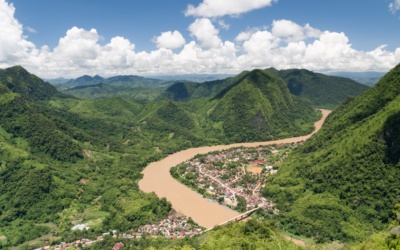
A UNESCO World Heritage town where saffron-robed monks walk silently through misty streets at dawn, French colonial mansions sit beside gilded Buddhist temples, and the Mekong and Nam Khan rivers converge beneath jungle-clad mountains.
Every morning before the sun clears the karst mountains ringing this small Lao town, hundreds of Buddhist monks emerge from their temples in single file, barefoot, carrying lacquered alms bowls. Locals kneel along the main street offering sticky rice and fruit. The only sounds are birdsong and the soft shuffle of feet on pavement. This daily ritual has continued unbroken for centuries, and it sets the tone for everything Luang Prabang is: unhurried, deeply spiritual, and rooted in tradition even as boutique hotels and French-Lao fusion restaurants have multiplied along its leafy lanes.
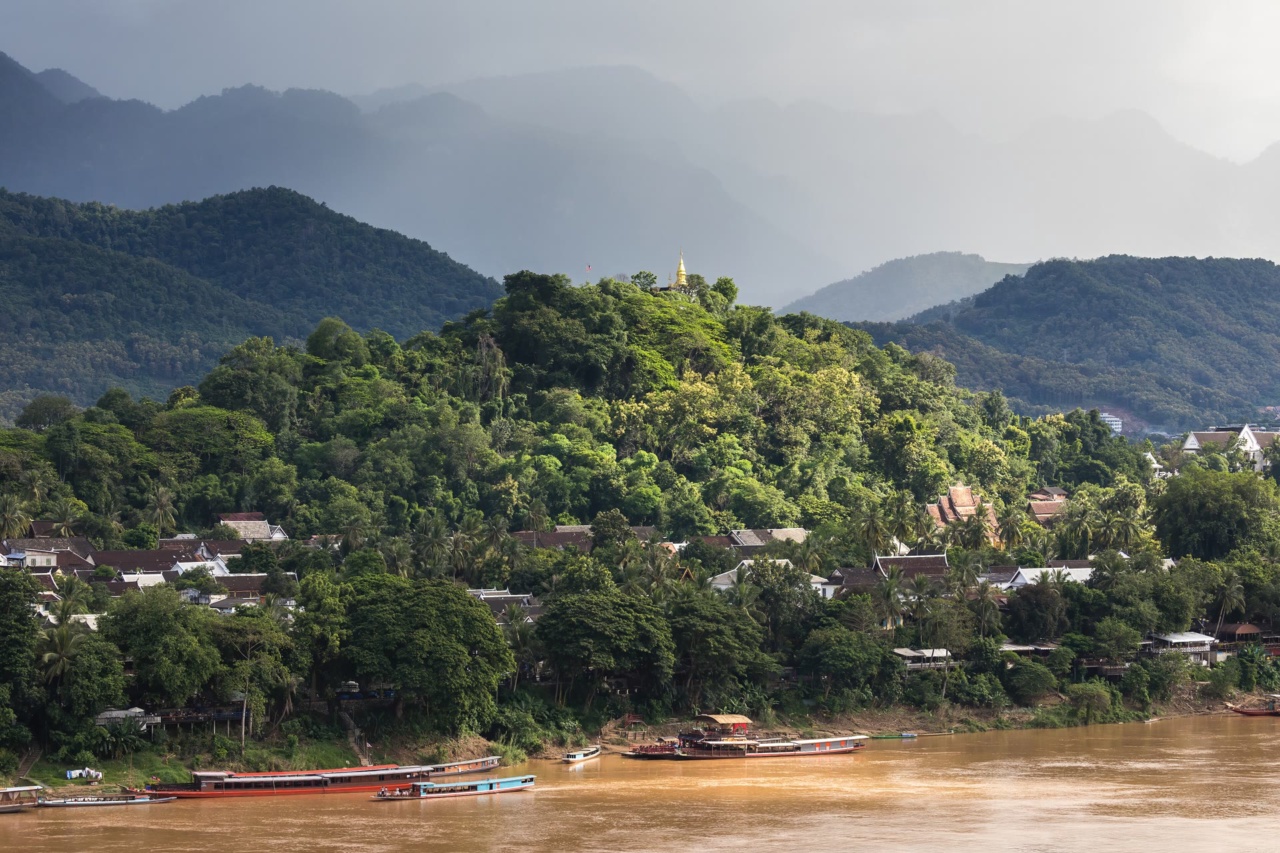
Luang Prabang sits on a peninsula formed by the Mekong and Nam Khan rivers in northern Laos. The old town is a UNESCO World Heritage property and an outstanding example of the fusion of traditional Lao architecture with European colonial urban structures of the 19th and 20th centuries, set against a backdrop of tropical greenery and glittering temple roofs.[1]
This is not a place for nightlife or adrenaline. It is a place to wake early, eat extraordinarily well, explore temple after temple without feeling rushed, take a slow boat up the Mekong, swim beneath turquoise waterfalls, and sit on a riverbank at sunset with a cold Beer Lao. Solo travelers, couples, and older travelers tend to love it most, though families with patient children will find plenty to enjoy. Budget backpackers and luxury seekers coexist comfortably here - the town is small enough that everyone shares the same streets.
A word of honest expectation-setting: Luang Prabang has become significantly more touristed since its UNESCO listing. The night market is geared almost entirely toward visitors, and some of the alms-giving ceremony has been affected by camera-wielding crowds. But step one block off the main road, visit a smaller temple in the afternoon heat, or take a boat upstream, and the magic is fully intact.
Orientation and Neighborhoods
Luang Prabang is remarkably easy to navigate. The old town occupies a narrow peninsula formed by the Mekong River to the north and west and the Nam Khan River to the south and east, meeting at the peninsula's tip. Mount Phousi, a 100-meter hill topped by a golden stupa, sits right in the center and serves as your constant landmark.
This is where nearly everything happens. Sisavangvong Road (also called Sakkaline Road) runs the length of the peninsula and is lined with temples, restaurants, guesthouses, and the famous night market. The eastern end near the Nam Khan is quieter and slightly cheaper. The western end near the Royal Palace Museum is the busiest stretch. Most travelers stay right here, and you should too - it puts everything within a 10-minute walk.
Ban Xieng Mouane and Ban Choumkhong
These neighborhoods on the northern side of the peninsula, sloping down toward the Mekong, hold some of the town's most beautiful temples and quieter guesthouses. Excellent for those wanting to be central but away from the main tourist drag.
Across the Nam Khan
The area south of the Nam Khan, connected by a bamboo footbridge (rebuilt each dry season), has budget guesthouses and a more local feel. Slightly inconvenient during rainy season when the bridge is sometimes removed, but a good option for backpackers wanting lower prices.
Ban Pakham and South of the Old Town
Heading south along the main road toward the southern bus station, you will find more modern guesthouses, a few resorts, and the everyday Lao life of the town beyond tourism. Stay here if you want better value and do not mind a 15-minute walk or short tuk-tuk ride to the old town core.
Things to Do
Offers are only loaded from GetYourGuide after you click. GetYourGuide can then process your IP address and set cookies. Privacy Policy
GetYourGuide partner offers. GoAsia may earn a commission if you book through these offers. Check whether tickets or transfers are included, and follow the attraction's official booking and admission rules.
Best Time to Visit
Luang Prabang has three distinct seasons, and each changes the experience significantly.
Season
Months
Weather
Crowds
Prices
Cool and Dry
November - February
Daytime 20-28C, cool mornings, clear skies
High (peak season)
Highest
Hot and Dry
March - May
35C+, hazy from agricultural burning
Moderate
Moderate
Rainy
June - October
Warm, daily afternoon showers, lush greenery
Low
Lowest
The sweet spot is November through January: comfortable temperatures, minimal rain, and the rivers are still high enough for scenic boat trips. December and January mornings can be genuinely chilly - bring a light jacket for the alms-giving ceremony.
Avoid March and April if you are sensitive to air quality. Slash-and-burn agriculture across northern Laos creates a thick haze that obscures mountain views and can irritate lungs. The town itself remains charming, but photography suffers and outdoor activities lose their appeal.
The rainy season (July through September) is underrated. Kuang Si waterfall is at its most powerful, the surrounding jungle is electric green, accommodation prices drop by 30-50%, and the town feels intimate with fewer visitors. Showers are usually intense but brief, leaving sunny mornings and evenings.
Lao New Year (Pi Mai Lao) in mid-April transforms the town into a giant water fight lasting three days. It is exhilarating but chaotic - accommodation books out weeks in advance, and you will get drenched whether you want to or not. The Boat Racing Festival in September or October brings longboat races on the Mekong and a festive local atmosphere.
Getting There and Getting Around
Luang Prabang International Airport (LPQ) sits about 4 kilometers northeast of the old town. Airlines connect it to Vientiane, Bangkok, Hanoi, Chiang Mai, Siem Reap, and several Chinese cities. A minivan or tuk-tuk from the airport to the old town costs around $3-5 per person using the shared shuttle desk inside the terminal, or around $7-8 for a private vehicle. The ride takes 10-15 minutes.
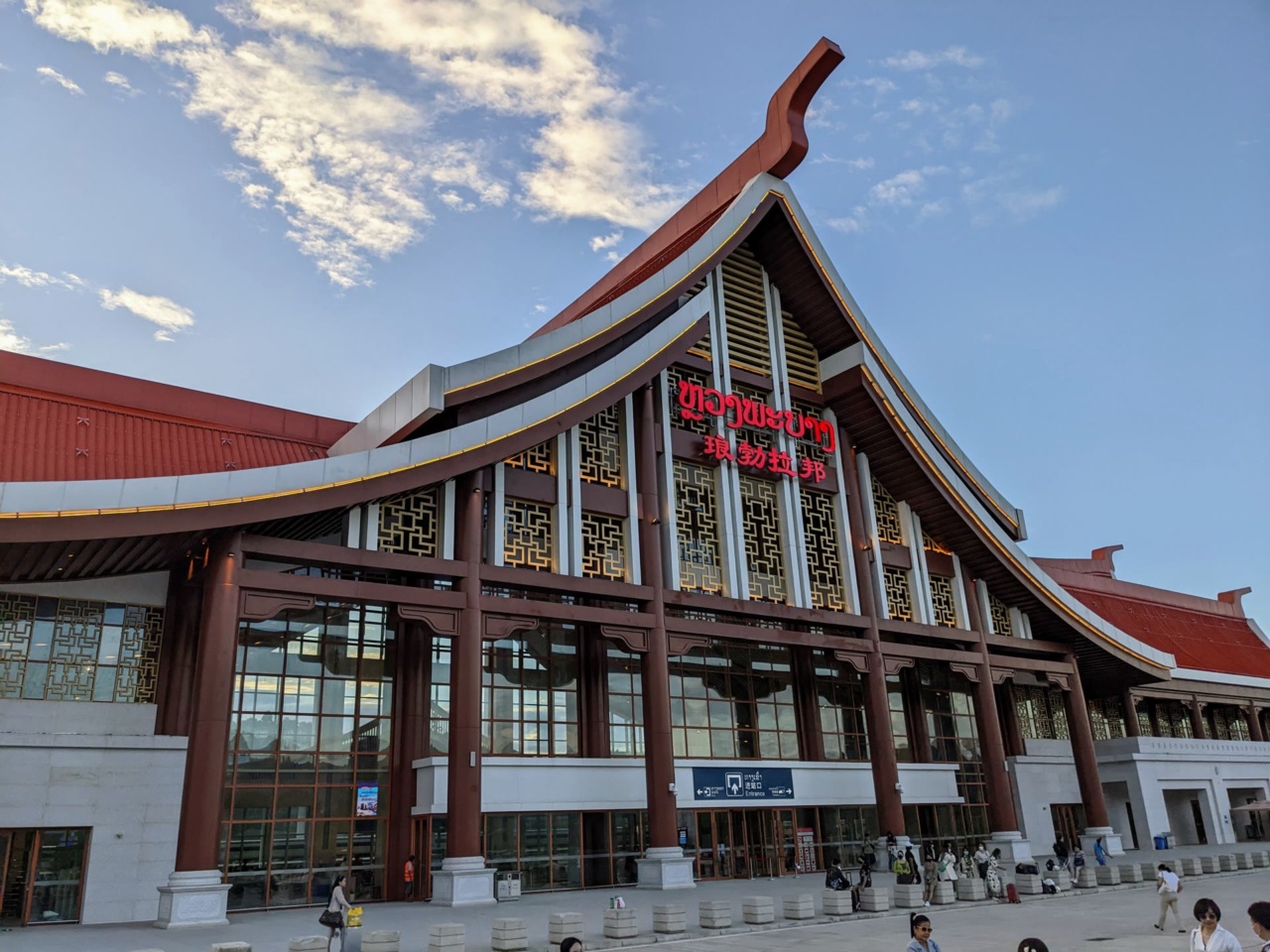
The Laos-China Railway has made Luang Prabang far more accessible: its Lao section runs 422.4 km from Boten to Vientiane and passes through Luang Prabang province.[2] The railway station lies outside the town, so you need a shuttle, minivan or tuk-tuk to reach the old town; agree the fare before you board. Tickets are sold in the LCR Ticket app,[2] and at a ticket window at Luang Prabang station.[3] Fares and departure times depend on the train and class, so check them for your travel date. You can find more details on regional transport options at GoAsia.cc.
Long-distance buses arrive at either the northern bus station (for routes from the north and China) or the southern bus station (for Vientiane and points south). Both are a short tuk-tuk ride from the old town.
Within Luang Prabang itself, walking is the primary and best way to get around. The old town peninsula is barely one kilometer long, and most attractions cluster within it. For trips to Kuang Si waterfall or the train station, tuk-tuks and shared minivans are readily available. Grab does not operate here. Bicycle rental (around $2-3 per day) and motorbike rental (around $10-15 per day) are available from numerous shops along the main road, though a motorbike is only necessary for independent day trips. Electric scooters are increasingly common.
Top Sights and Experiences
Must-See Highlights
Alms Giving Ceremony (Tak Bat) - The daily dawn procession of monks collecting alms is Luang Prabang's most iconic experience. It begins around 5:30-6:00 AM along Sisavangvong Road and lasts roughly 30 minutes. If you want to participate, buy sticky rice from a local vendor that morning (not from aggressive sellers who approach tourists the night before - their rice is often stale). Kneel on a mat, remove your shoes, and place small balls of rice into each passing bowl. If you prefer to watch, stand well back, do not use flash photography, and keep silent. The ceremony has suffered from tourist overcrowding - choosing a quieter side street rather than the main road makes for a more respectful and authentic experience.
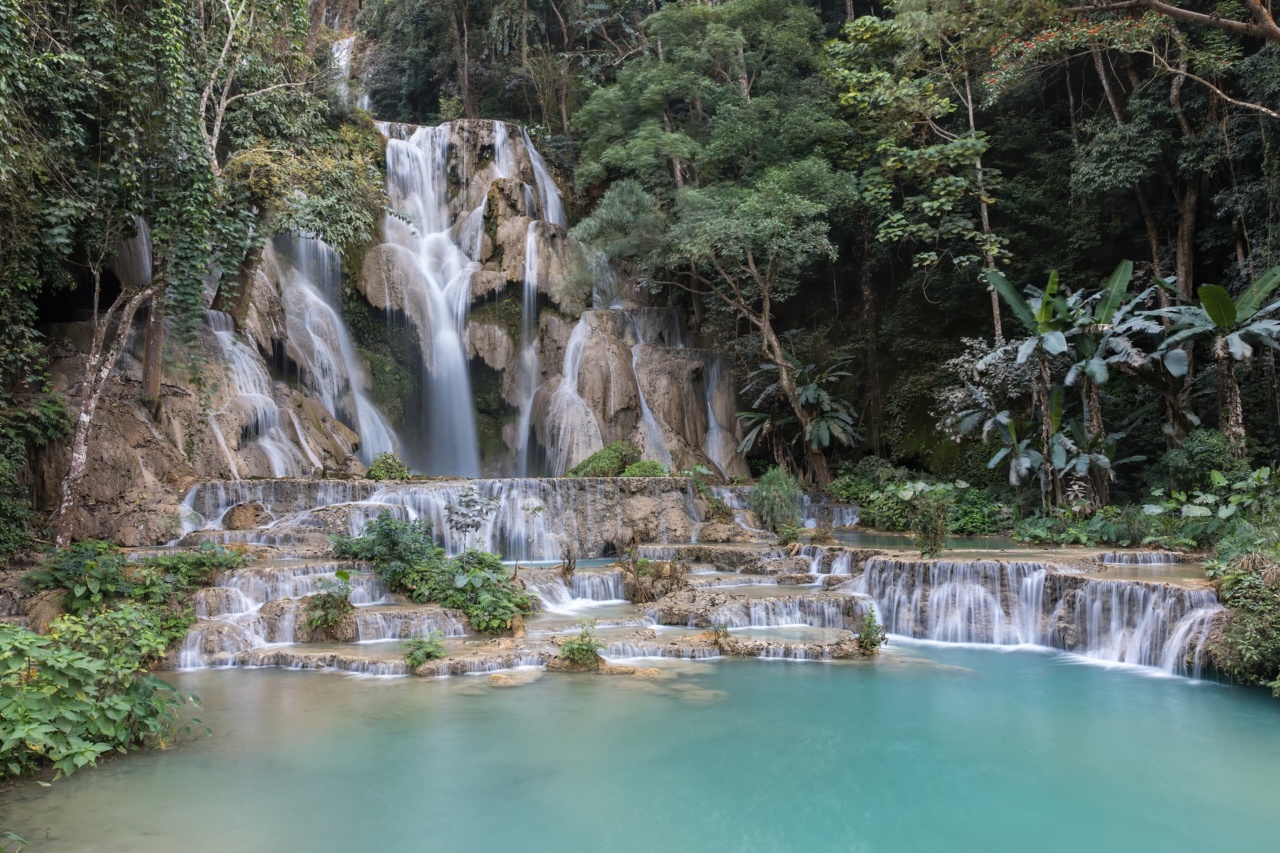
Kuang Si Waterfall - A series of cascading turquoise pools about 30 kilometers south of town, Kuang Si is genuinely spectacular and not overhyped. The main fall drops roughly 50 meters into a milky blue pool surrounded by jungle. You can swim in several of the lower pools. Arrive before 10 AM to beat the crowds, or visit after 2 PM when tour groups thin out. The Bear Rescue Centre near the entrance shelters Asiatic black bears saved from poaching - worth a stop. Admission is around $3. A shared minivan from town costs roughly $3-4 per person each way, while a private tuk-tuk runs around $15-20 return with waiting time. Budget 3-4 hours total.
Royal Palace Museum (Haw Kham) - The former residence of the Lao monarchy, now a museum displaying royal regalia, religious art, and gifts from foreign heads of state. The throne room and the chapel housing the Phra Bang (the sacred Buddha image for which the city is named) are highlights. No photography inside. Shoes and bags must be removed. Open daily except Tuesdays. Admission is around $4. Allow one hour.
Mount Phousi - The 328-step climb to the golden stupa at the summit rewards you with a 360-degree panorama of the town, both rivers, and the surrounding mountains. Go for sunset - arrive by 4:30 PM to secure a good spot, as the summit is small and fills quickly. Admission is around $3. The climb takes 15-20 minutes and is moderately steep.
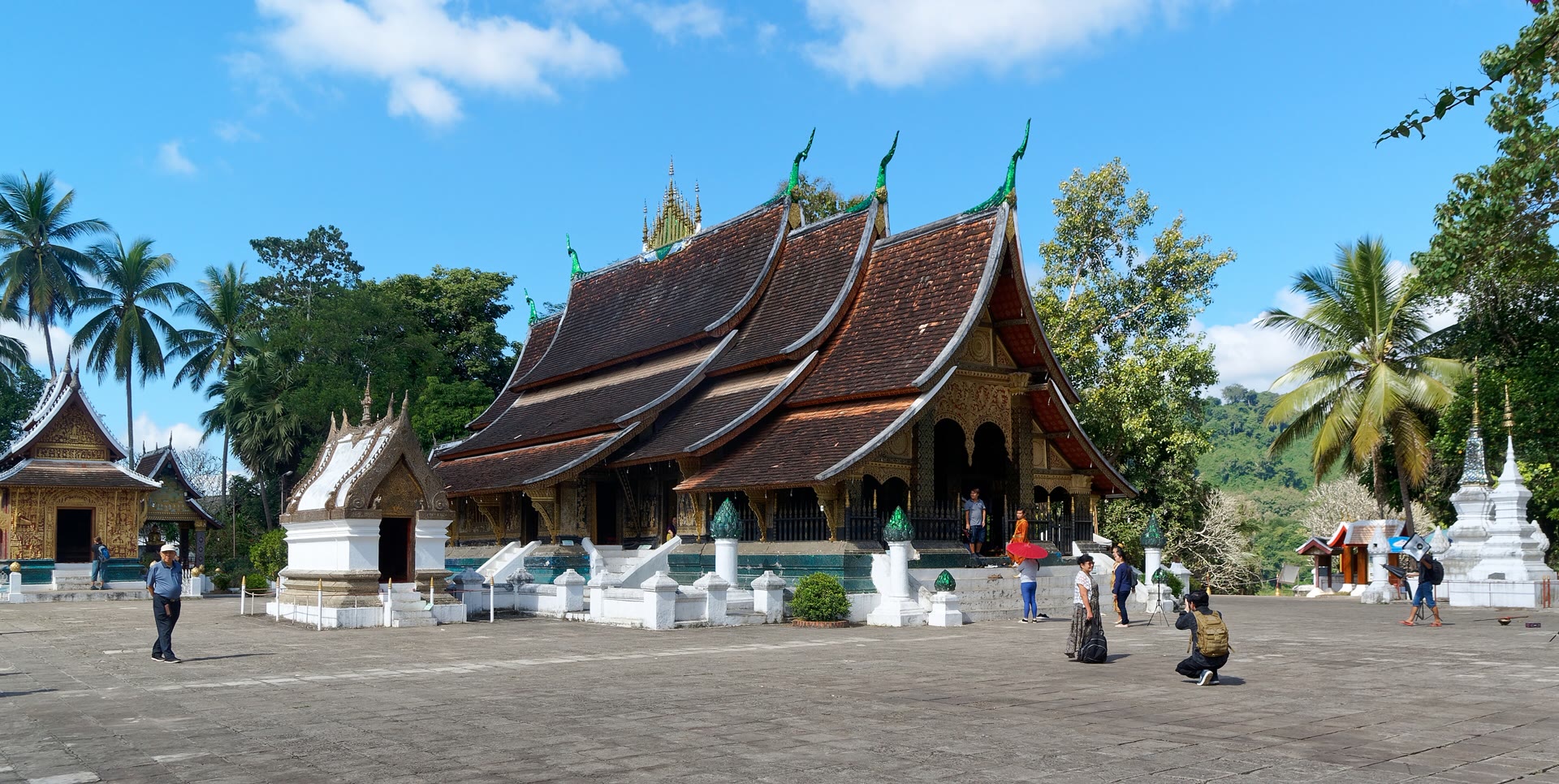
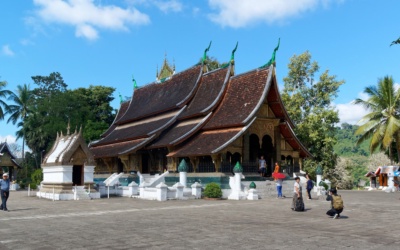
Wat Xieng Thong - The most magnificent temple in Luang Prabang and arguably in all of Laos. Built in the 1500s at the tip of the peninsula where the rivers meet, it features sweeping multi-tiered roofs, intricate gold stenciling, and a stunning mosaic Tree of Life on the rear wall. The chapel housing the royal funeral carriages is equally impressive. Admission around $3. Visit in the morning when light hits the mosaics. Allow 45 minutes to an hour.
Lesser-Known Gems
Wat Aham and Wat Visounnarath - These two temples sit side by side south of the main road and receive a fraction of the visitors that Wat Xieng Thong does. Wat Visounnarath houses the oldest collection of Buddhist sculpture in the city, and its unusual rounded stupa (nicknamed the Watermelon Stupa) is unlike anything else in Laos.
Ock Pop Tok Living Crafts Centre - Located on the Mekong riverbank, this social enterprise offers half-day and full-day weaving classes where you create your own textile on a traditional loom. Even if you do not take a class, the free gallery and riverside cafe are worth the visit. Half-day classes cost around $25-35.
Phousi Market (Morning Market) - While tourists flock to the night market, the morning market near the Royal Palace is where locals actually shop. Stalls overflow with river fish, jungle herbs, buffalo skin, insects, and produce you will not recognize. It is the best window into everyday Lao food culture. Go between 6:30 and 8:00 AM.
Mekong Sunset from the Slow Boat Landing - Skip the crowded Mount Phousi sunset and instead walk to the slow boat landing area on the Mekong bank near Wat Xieng Thong. Several low-key riverside bars serve Beer Lao and cocktails with unobstructed views of the sun dropping behind the mountains across the river. Far more relaxing, far fewer people.
Overrated Attractions
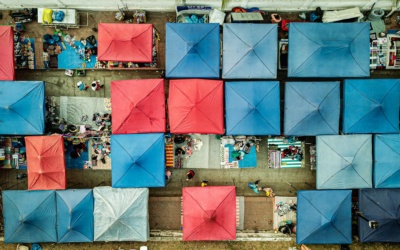
The Night Market - It is pleasant to stroll through, but the goods are almost entirely mass-produced textiles, tourist souvenirs, and identical stalls selling the same Lao-branded t-shirts. If you want authentic handicrafts, visit Ock Pop Tok or the morning market instead. The night market food stalls on the side street are the one exception - those are genuinely good and cheap.
Pak Ou Caves - Two caves stuffed with thousands of small Buddha statues, located about two hours upstream by slow boat. The caves themselves are underwhelming - dark, shallow, and quickly seen. The real appeal is the boat journey along the Mekong, which is scenic but long. Unless you specifically want the river experience, your time is better spent elsewhere. A boat trip costs around $10-15 per person shared.
Tad Sae Waterfall - Often sold as an alternative to Kuang Si, but it is significantly less impressive, requires a short boat ride to access (adding cost), and can be a mere trickle in dry season. Only visit during or just after the rainy season when water levels are high.
Food and Drink
Luang Prabang punches far above its weight for a town of around 50,000 people. The cuisine blends Lao flavors - sticky rice, fresh herbs, fermented fish paste, chili - with French colonial influence, creating something unique in Southeast Asia.
Signature Dishes
Dish
Description
Where to Try
Typical Price
Khao Piak Sen
Lao rice noodle soup in a thick, starchy broth with chicken or pork, topped with herbs and fried garlic
Morning market stalls, small noodle shops on side streets
$1.50-2.50
Or Lam
A rich, earthy stew of buffalo meat, eggplant, mushrooms, dill, and Lao pepper wood (sakhan) - the city's signature dish
Traditional Lao restaurants in the old town
$3-5
Laap
Minced meat salad (often duck, buffalo, or fish) with roasted rice powder, mint, cilantro, and fierce chili
Everywhere, but best at local restaurants away from the main road
$2-4
Khao Jee Pate
A Lao-French fusion baguette sandwich with pate, pickled vegetables, chili sauce, and herbs
Morning market stalls and street vendors
$1-1.50
Sai Oua
Lao herbal sausage stuffed with lemongrass, galangal, kaffir lime, and chili
Night market food stalls, morning market
$1-2
Luang Prabang Salad
Watercress, tomato, and crispy rice crackers with a sesame-peanut dressing - a local creation
Most Lao restaurants in the old town
$2-4
Where and How to Eat
The night market food street (Sisavangvatthana Road, perpendicular to the main road) is the best budget dinner option. For around $1.50-2, you fill a plate or bowl at buffet-style stalls offering grilled meats, noodle soups, spring rolls, and Lao sausage. Quality varies - look for stalls with high turnover and locals eating alongside tourists.
For breakfast, the baguette vendors near the morning market serve the best khao jee pate in town. Pair it with Lao coffee - strong, dark, and sweetened with condensed milk - from any of the small coffee shops along the main road. Lao coffee is grown in the Bolaven Plateau in southern Laos and is genuinely excellent.
Mid-range restaurants along the Mekong and Nam Khan waterfronts serve Lao and French-Lao fusion cuisine in atmospheric settings for $5-15 per dish. Several have earned reputations for creative cooking that would hold up in any major city. Upscale dining exists too, particularly in the boutique hotels, where a full dinner with wine might run $40-60 per person.
Beer Lao, the ubiquitous national lager, is refreshing and cheap - around $1-1.50 for a large bottle in most restaurants. Lao-Lao (rice whiskey) is the local spirit, ranging from smooth to paint-thinner depending on the source. Try Beerlao Dark if you prefer something with more body.
Bars and restaurants generally close early. This is not a party town, and that is part of its charm.
Where to Stay
Budget (Under $20 per night)
Guesthouses on the quieter eastern end of the peninsula and across the Nam Khan offer basic but clean rooms with fans or air conditioning for $8-18 per night. Dorm beds in the handful of hostels run $5-10. Standards are generally decent - Luang Prabang's tourism infrastructure is well-established even at the budget end. The area south of the old town along the main road also has affordable options.
Mid-Range ($20-80 per night)
This is the sweet spot in Luang Prabang. Charming boutique guesthouses in restored colonial or traditional Lao buildings are abundant in the old town, many with garden courtyards and river views. Expect air conditioning, hot water, breakfast included, and genuine character. The best cluster along the Mekong side of the peninsula and on the quiet lanes between the main road and the Nam Khan.
Upscale ($80-300+ per night)
Luang Prabang has attracted some exceptional luxury properties. Several occupy converted heritage buildings in the old town, while others sit on the Mekong riverbank just outside the center with infinity pools and spa facilities. A few resorts perch in the hills above town with panoramic views. These properties are genuinely world-class and represent excellent value compared to similar quality in Thailand or Vietnam.
Wherever you stay, book ahead during peak season (December and January) and Lao New Year (April). During the rainy season, you can often negotiate significant discounts on walk-in rates.
Practical Tips
Safety: Luang Prabang is a relaxed town, but petty crime can occur in tourist areas and around ATMs, including bag snatches by people on motorcycles.[4] Do not leave valuables unattended at waterfalls or on riverbanks. Roads in Laos are often in poor condition, and travel after dark significantly increases the risk of an accident, so the biggest physical risk is road and motorbike accidents on the winding mountain roads outside town.[4] Never leave your passport as a deposit when hiring a motorbike, because rental companies have been reported to keep passports and demand high fees.[4] Cases of methanol poisoning have been reported from drinks in licensed bars in tourist areas, so choose where you drink with care.[4] Landmines and unexploded ordnance remain a hazard in Laos, including in Luang Prabang province; on hikes keep to established paths and never pick up metal objects.[5][4]
Scams: Scams are minimal compared to other Southeast Asian tourist hubs. The main one to watch for is overcharging by tuk-tuk drivers - agree on a price before getting in. Some vendors near the alms-giving ceremony aggressively sell rice at inflated prices and may grab your arm - politely decline and buy from the market yourself if you want to participate.
Currency: The Lao kip (LAK) is the official currency, but Thai baht and US dollars are widely accepted in tourist areas. ATMs are plentiful in the old town and dispense kip. Credit cards are accepted at hotels and upscale restaurants but not at markets, street stalls, or smaller guesthouses. Carry cash for daily expenses.
Tipping: Not traditionally expected in Laos, but rounding up or leaving 10% at tourist-oriented restaurants is appreciated. Tip guides and drivers on day trips.
SIM cards: Buy a local SIM at the airport or from phone shops in town for around $2-3 with a data package. Unitel and Lao Telecom have the best coverage. WiFi is available at nearly all accommodations and most cafes, though speeds can be slow.
Language: Lao is the local language. English is spoken reasonably well in hotels, restaurants, and tourist-facing businesses. Outside the tourism bubble, English is limited. Learning a few Lao phrases (sabaidee for hello, khop jai for thank you) goes a long way and is warmly received.
Temple etiquette: Cover shoulders and knees when entering temples.[4] Remove shoes before entering any building. Women must never touch a monk or hand anything directly to one. Sit with your feet tucked away from Buddha images, never pointed toward them.
Visa: A visa on arrival is available at major entry points and allows a stay of up to 30 days, which can be extended once.[6] An eVisa for tourists (single entry, 30-day stay) can be applied for online and is accepted at Luang Prabang airport.[7] Fees and visa exemptions depend on your nationality, so check them with the Lao immigration department or your embassy before you travel. Foreign passport holders must also complete the Lao Digital Immigration Form within 3 days before arriving and departing.[8]
Water: Do not drink tap water. Bottled water is cheap and available everywhere. Ice in restaurants is generally safe (produced commercially), but use judgment at very basic stalls.
Day Trips
Kuang Si Waterfall
Already covered above, but worth emphasizing: this is the one day trip everyone should do. Thirty kilometers south of town, reachable in 45 minutes by tuk-tuk or minivan. Combine it with a visit to the small Hmong village along the road or the butterfly park near the falls entrance. A full morning or afternoon is ideal.
A stunning riverside village about three hours north of Luang Prabang, nestled between dramatic limestone cliffs. The viewpoint hike (one to two hours up) offers one of the most spectacular panoramas in Laos. You can visit as a long day trip by minivan (around $7-8 each way), but spending one night is far better - it allows time for kayaking, cave visits, and soaking in the atmosphere. Accommodation is basic but charming.
Whiskey Village (Ban Xang Hai) and Weaving Villages
Several villages along the Mekong between Luang Prabang and Pak Ou specialize in traditional crafts - Lao-Lao whiskey production, silk weaving, and rice wine. A half-day boat trip visiting two or three villages costs around $10-15 per person and gives insight into rural Lao life. More interesting than the Pak Ou Caves themselves, honestly.
Tad Kuang Xi via Elephant Sanctuaries
Several ethical elephant sanctuaries operate in the hills outside Luang Prabang, offering half-day or full-day experiences where you walk with and observe elephants in semi-wild conditions. These have replaced the former riding operations and focus on conservation. Expect to pay around $60-100 per person for a half-day program. Research operators carefully - look for those affiliated with recognized conservation organizations.
Mekong Slow Boat to Pak Beng
The two-day slow boat journey from Luang Prabang to the Thai border at Huay Xai (or vice versa) is a classic Southeast Asian experience, overnighting in the small town of Pak Beng. You can do just the first leg to Pak Beng as a long day trip (6-7 hours downstream), though most travelers do the full route as a transit rather than a day trip. The scenery - jungle-covered mountains, riverside villages, fishermen in longboats - is mesmerizing for the first few hours, though the novelty can wear off on a full day.
Sample 3-Day Itinerary
Day 1: Temples, Palace, and Sunset
Rise at 5:30 AM and observe the alms-giving ceremony from a respectful distance on a quiet side street. Walk to the morning market for khao jee pate and Lao coffee for breakfast. Spend the mid-morning exploring Wat Xieng Thong, taking your time with the mosaics and funeral chapel. Walk back along the Mekong riverbank to the Royal Palace Museum and spend an hour inside. Have lunch at a Mekong-side restaurant - try or lam or laap. In the afternoon, visit Wat Visounnarath and Wat Aham, then browse the textile shops along the main road. Climb Mount Phousi for sunset. Descend to the night market food street for a cheap, delicious dinner.
Day 2: Kuang Si and River Evening
After breakfast, head to Kuang Si Waterfall by shared minivan, departing around 9 AM. Visit the bear rescue centre first, then hike the trail alongside the cascading pools to the main waterfall. Swim in the turquoise pools (bring swimwear and water shoes). Have a picnic lunch or eat at the simple restaurants near the entrance. Return to town by mid-afternoon. Visit Ock Pop Tok for the gallery and a coffee overlooking the Mekong. In the evening, find a riverside bar near the slow boat landing for sunset drinks, then have a proper Lao dinner at one of the mid-range restaurants on the Nam Khan side of the peninsula.
Day 3: Crafts, Culture, and Quiet Corners
Take a morning weaving or cooking class - several excellent cooking schools offer half-day programs starting with a market visit for around $25-35. After your class, spend the early afternoon wandering the quieter temples on the northern side of the peninsula - Wat Sene, Wat Sop, Wat Nong - where you may be the only visitor. Cross the bamboo bridge over the Nam Khan (dry season only) and explore the opposite bank. Return for a late lunch. Spend your final evening on a sunset Mekong cruise (small boats depart from the waterfront for around $8-12 per person for a one-hour trip), then have a farewell dinner at one of the French-Lao restaurants along the main road.
Budget Overview
Category
Budget
Mid-Range
Comfort
Accommodation
$8-15
$30-60
$100-200
Food
$8-12
$15-25
$30-50
Transport
$2-5
$5-10
$15-25
Activities
$5-8
$10-20
$25-50
Daily Total
$23-40
$60-115
$170-325
Luang Prabang is slightly more expensive than the rest of Laos due to its tourism focus, but remains very affordable by global standards. Budget travelers eating at markets and street stalls, staying in guesthouses, and walking everywhere can comfortably manage on $30-40 per day. Mid-range travelers enjoying boutique hotels, restaurant meals, and organized day trips will spend $70-100 per day. The comfort tier gets you luxury accommodation, fine dining, and private transport without approaching the costs of equivalent quality in neighboring Thailand.
Frequently Asked Questions
Is Luang Prabang worth visiting?
Absolutely. Luang Prabang is one of Southeast Asia's most atmospheric and well-preserved towns, combining stunning Buddhist temples, French colonial architecture, excellent food, and a serene riverside setting. It offers a very different experience from the region's busier destinations - slower, more spiritual, and deeply charming. It is particularly rewarding for travelers who appreciate culture, food, and natural beauty over nightlife and beaches.
How many days do you need in Luang Prabang?
Three full days is the sweet spot for most visitors, allowing time for the main temples, the alms-giving ceremony, Kuang Si waterfall, and leisurely meals. Two days feels rushed, and four to five days lets you add a cooking class, a day trip to Nong Khiaw, or simply slow down to the town's natural pace. Many travelers find themselves extending their stay because the atmosphere is so relaxing.
Is Luang Prabang safe for tourists?
Luang Prabang is a relaxed town and serious incidents involving tourists are uncommon, but petty crime such as bag snatching can occur in tourist areas. The main risks are road and motorbike accidents on mountain roads and the occasional tuk-tuk overcharge. Keep valuables close, never leave your passport as a motorbike rental deposit, and choose bars with care.
What is the best time to visit Luang Prabang?
November through February offers the most comfortable weather with cool mornings, warm days, and clear skies - though this is peak season with higher prices. Avoid March and April when agricultural burning creates thick haze. The rainy season from June to October is underrated, with lush scenery, fewer crowds, and lower prices, though expect daily afternoon showers.
What food is Luang Prabang famous for?
The city is known for or lam (a rich buffalo and herb stew unique to the region), khao piak sen (thick rice noodle soup), Lao sausage (sai oua), and the Luang Prabang salad with watercress and crispy rice. The French colonial influence also means excellent baguette sandwiches and strong coffee. The night market food street offers cheap and delicious buffet-style Lao meals.
Can you drink tap water in Luang Prabang?
No, do not drink tap water in Luang Prabang or anywhere in Laos. Bottled water is widely available and very cheap. Ice in restaurants is generally safe as it is commercially produced, but use your judgment at very basic street stalls. Many guesthouses and hotels provide complimentary bottled water daily.
Do I need a visa to visit Luang Prabang?
A visa on arrival is available at major entry points and allows a stay of up to 30 days. You can also apply online for a tourist eVisa. Fees and visa exemptions depend on your passport, so check the current rules with the Lao immigration department or your embassy before you travel.
How do I get from Luang Prabang airport to the city center?
The airport is only about 4 kilometers from the old town. A shared minivan shuttle available inside the terminal costs around $3-5 per person, while a private tuk-tuk runs about $7-8. The ride takes 10-15 minutes. Some hotels offer airport pickup if arranged in advance. There is no public bus service from the airport.
Is English widely spoken in Luang Prabang?
English is spoken reasonably well in hotels, restaurants, tour agencies, and shops that cater to tourists. Outside the tourism sector, English is limited. You will not have trouble navigating the old town, ordering food, or booking activities. Learning basic Lao greetings like sabaidee (hello) and khop jai (thank you) is warmly appreciated by locals.
Is Luang Prabang expensive compared to other Southeast Asian destinations?
Luang Prabang is slightly pricier than the rest of Laos but remains very affordable by international standards. Budget travelers can manage on $30-40 per day, while mid-range travelers spending on boutique hotels and restaurant meals will average $70-100 per day. It is comparable to Chiang Mai in Thailand and cheaper than most Vietnamese tourist hubs for equivalent quality.
Sources and background
Numbers in the text such as [1] refer to these sources.