Plan your Laos train journey on the Laos-China Railway. Covers the route, classes, booking tips and what to expect on board from Vientiane to Luang Prabang.
A single railway line cuts through the mountainous spine of northern Laos, threading through tunnels blasted from solid rock and gliding across viaducts that hover above river valleys draped in mist. The Laos-China Railway is one of Southeast Asia's most dramatic feats of modern engineering, and it has changed how travelers move through a country once defined by winding mountain roads and slow river journeys. For the first time, Laos has a real passenger rail line, and riding it feels like witnessing a country in transformation.
The Train Network in Laos
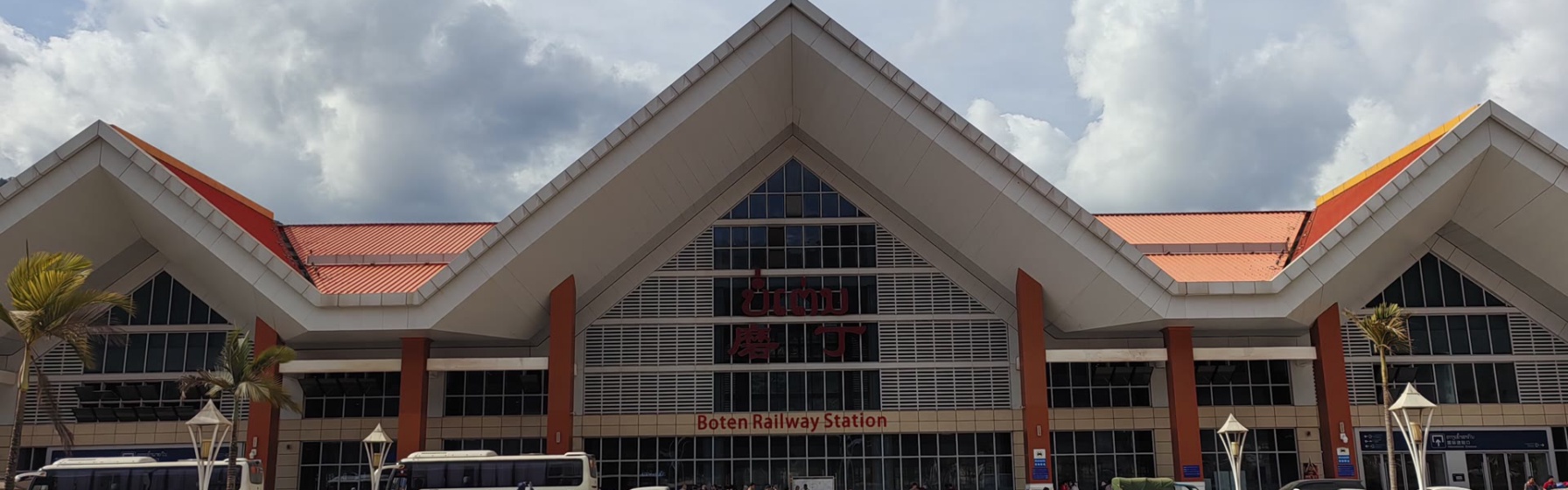
Laos has a single railway line: the Laos-China Railway. Its Lao section is 422.4 kilometers long and runs from Vientiane in the south to Boten at the Chinese border in the north, passing through Luang Namtha, Oudomxay and Luang Prabang provinces. It is designed for speeds of up to 160 km/h.[1] The line was officially put into operation on 3 December 2021 and passes through 167 tunnels.[2] It is operated by the Laos-China Railway Co., Ltd.[2]
The route connects several of the country's most important destinations for travelers. Starting from Vientiane Station, located outside the capital's center, the line heads north through Vang Vieng, the adventure tourism hub set among limestone karst scenery, before reaching Luang Prabang, the UNESCO-listed former royal capital. Further north it serves Muang Xay (Oudomxay) and ends at Boten on the Chinese border.[3] In total the line has 10 passenger stations.[1]
The network is limited to this single corridor, so it does not reach southern Laos, the Bolaven Plateau or the 4,000 Islands region. For those areas, road transport or flights remain the options. The railway does cover what is arguably the most popular tourist route in the country, which makes it useful for most visitors.
Classes and Comfort Levels
Booking platforms list first class and second class seats on Laos-China Railway trains.[4] Second class is the standard option and what most travelers use. First class is the more spacious option and is worth considering for a window seat and a quieter carriage.
Booking and Tickets
The official LCR Ticket app lets travelers book and manage journeys online, with multilingual support.[1] Many travelers also book through third-party platforms. GoAsia.cc lets you compare schedules and reserve seats in advance, which is especially helpful during peak travel periods.
For international trains between Laos and China, tickets are sold 15 days in advance. Tickets that start in Laos can be bought in the LCR Ticket app and at ticket windows at Vientiane, Vang Vieng, Luang Prabang, Muang Xay and Boten stations. Online tickets must be exchanged for a paper ticket before boarding.[3] Popular domestic departures such as Vientiane to Luang Prabang can sell out, especially around Lao New Year (Pi Mai) and in the high tourist season, so book ahead.
What to Expect on Board
The journey itself is a highlight. Booking platforms list Vientiane to Luang Prabang train journeys of 1 hour 45 minutes to 2 hours 35 minutes, with fares from about $29 to $43 (October 2026).[4] Because the line passes through so many tunnels, scenery comes in short glimpses between them. When the train emerges into daylight, the views of lush valleys and river valleys are spectacular.
Do not count on a dining car. Bring your own food and water on board, and stock up at the shops near the station before departure.
For China-Laos international trains, the official rules allow up to 20 kg of baggage for adults, 10 kg for minors traveling free and 35 kg for diplomats, with each item limited to 130 cm in total dimensions. Checked baggage is not accepted.[3] Check the official China-Laos Railway conditions for your segment.
Tips for Train Travel in Laos
Get to the station early. The stations are located outside the city centers. Budget time for a tuk-tuk or shuttle ride, plus the security screening and ticket checks at the station entrance.
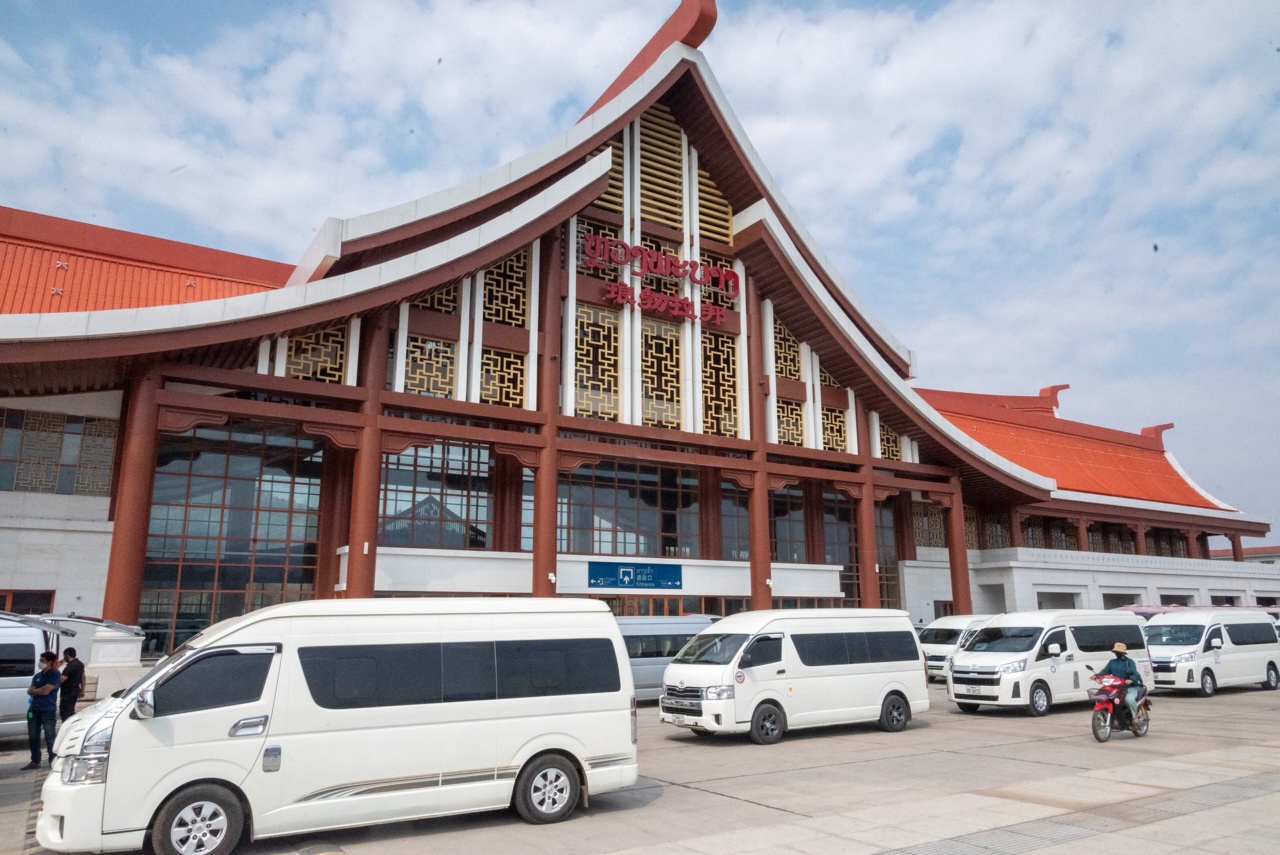
Arrange onward transport in advance. At the stations, tuk-tuk drivers and shuttle vans meet arriving trains, but prices can be high and availability chaotic during busy periods. Some guesthouses arrange station pickups if you ask ahead.
Consider the Boten crossing carefully. If you plan to continue into China, arrange your Chinese visa beforehand. International passengers must show a paper ticket and their original passport at the station and need valid entry documents and visas.[3]
Respect local customs. Lao passengers tend to be quiet and reserved on trains. Keep noise levels down and use headphones. Monks may be traveling in your carriage; it is customary for women to avoid sitting directly next to monks.
Avoid holiday weekends. Lao public holidays such as Pi Mai (Lao New Year) and Boun That Luang see large domestic travel surges, and trains can sell out quickly.
Sources and background
Numbers in the text such as [1] refer to these sources.