Vang Vieng Adventures: Kayaking, Ballooning, and Caves in Laos
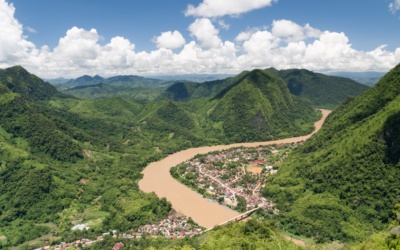
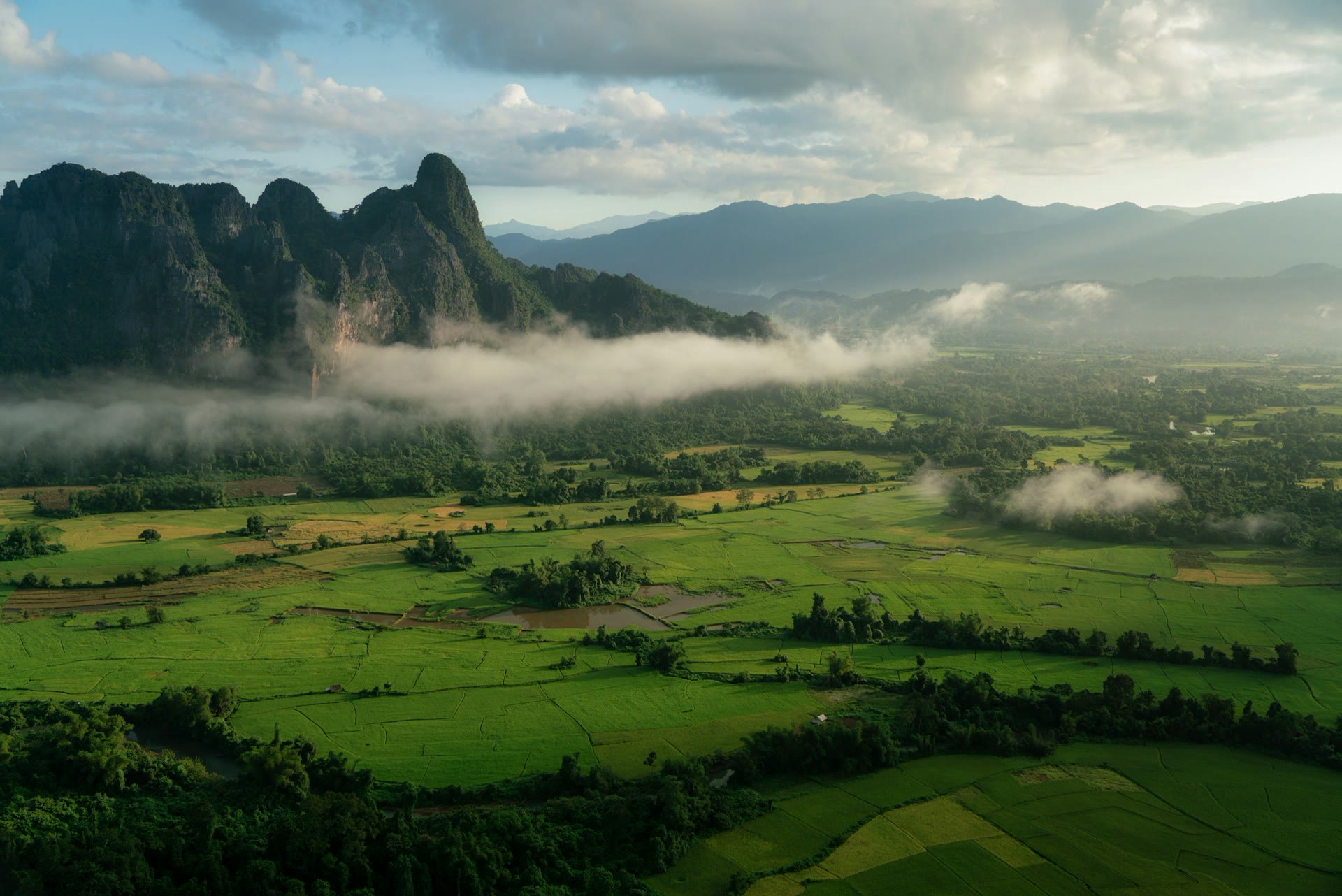
Vang Vieng used to be known for one thing: drunk tourists floating down a river on inner tubes. That reputation, earned during the wild backpacker years, has faded dramatically. Today, this small town on the banks of the Nam Song River in central Laos has reinvented itself as one of Southeast Asia's best adventure destinations. The setting does the heavy lifting: dramatic limestone karst mountains rise straight out of flat rice paddies, riddled with caves and draped in jungle, while the turquoise Nam Song winds through the valley below.
The Laos-China Railway has transformed access to Vang Vieng. What was once a grueling minivan ride on mountain roads is now a comfortable 1.5-hour train journey from Luang Prabang or just over an hour from Vientiane. This ease of access, combined with the sheer density of outdoor activities available, from kayaking and hot air ballooning to rock climbing and cave exploration, makes Vang Vieng a natural stop on any Laos itinerary.
Kayaking the Nam Song
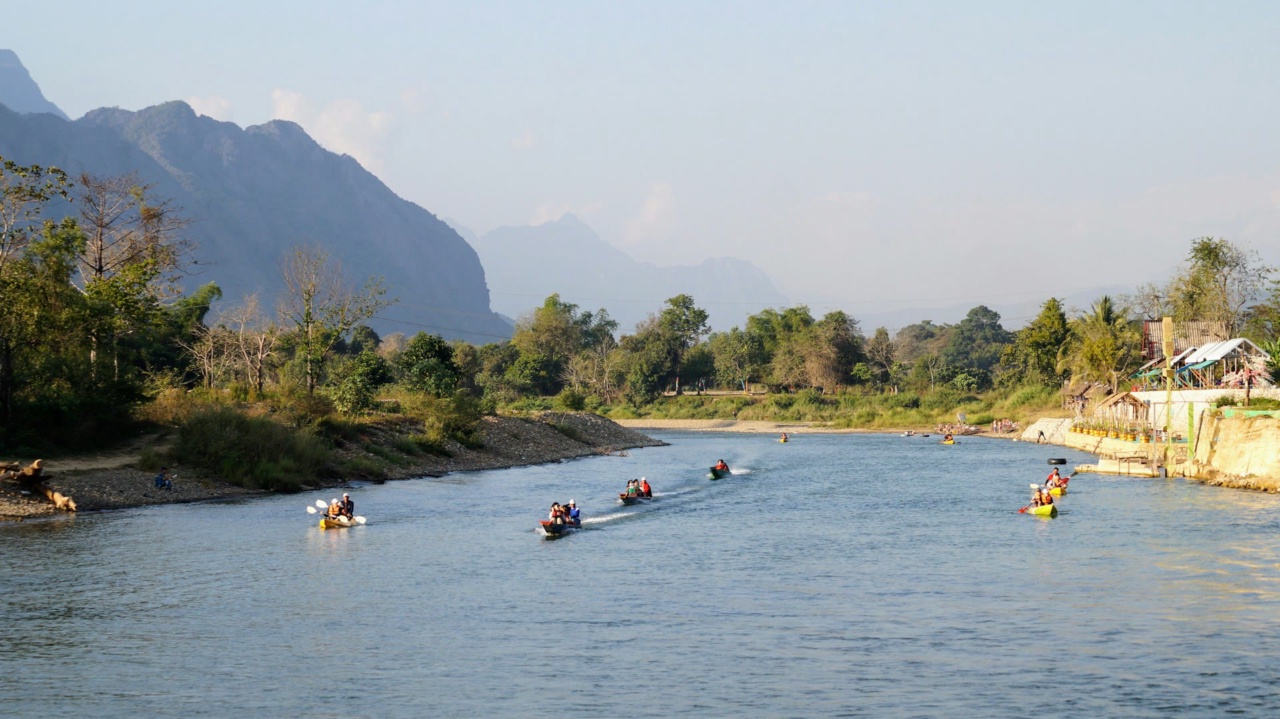
Kayaking is arguably the best way to experience Vang Vieng's landscape. Paddling down the Nam Song River places you directly in the middle of the valley, surrounded by karst towers on both sides, with views that shift constantly as you round each bend. The river is generally calm and suitable for beginners, with a few small rapids to keep things interesting during the wet season.
Most kayaking trips run for half a day (3-4 hours on the water) and cover roughly 7-10 kilometers of river. Tour operators provide sit-on-top kayaks, paddles, life jackets, and a guide who leads from the front. Trips typically include stops at caves or swimming holes along the route. A half-day kayaking tour costs 150,000-200,000 LAK (about $7-10) per person, making it one of the most affordable kayaking experiences in the region.
Full-day kayaking trips extend further downstream, often combining the river paddle with cave visits and a riverside lunch. These run around 250,000-350,000 LAK per person. For the most scenic conditions, kayak in the morning when the light is softer and the river is less busy.
Things to Do
Hot Air Ballooning
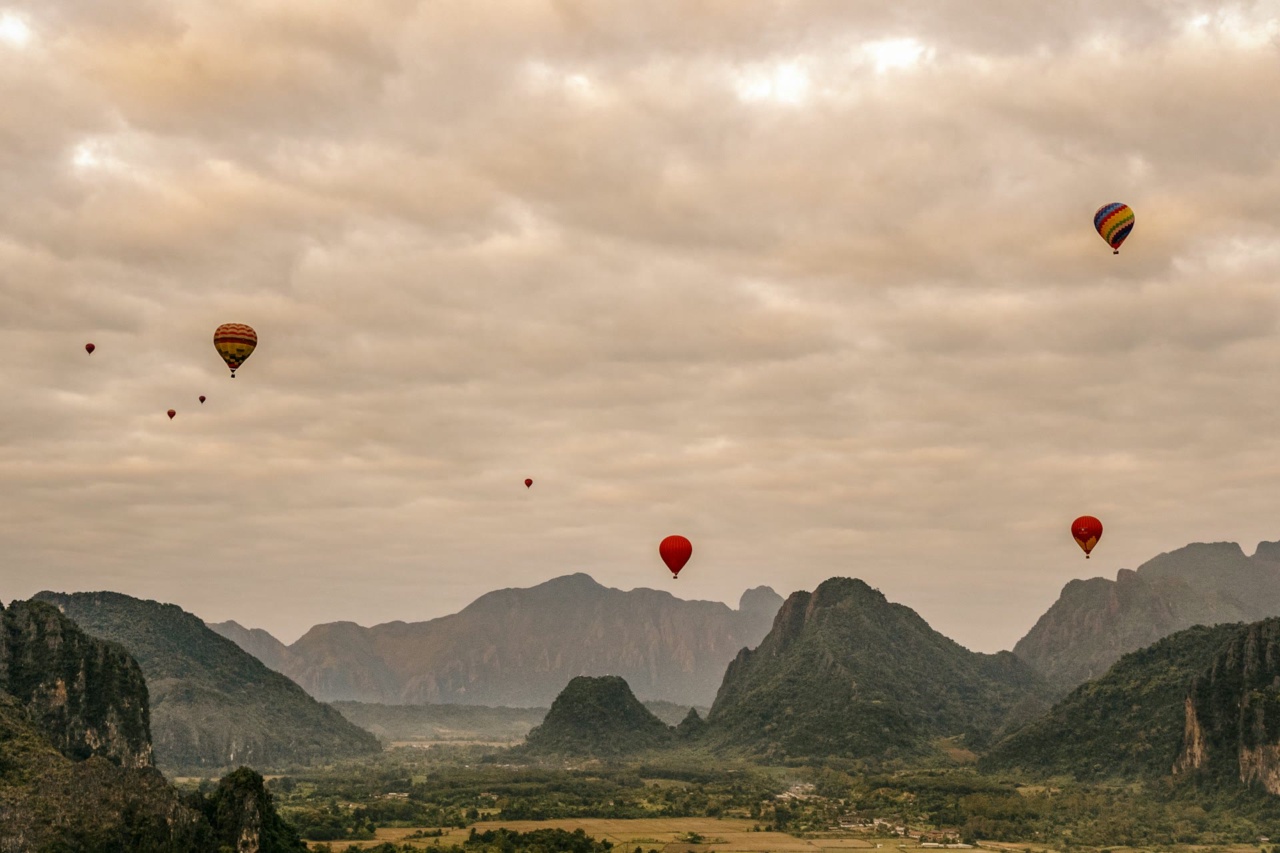
Vang Vieng offers one of the most affordable hot air balloon experiences in the world. Floating above the karst landscape at sunrise or late afternoon, with the patchwork of rice paddies and the winding river below, is genuinely breathtaking and unlike anything you can experience from the ground.
Flights last approximately 40-45 minutes and reach altitudes of around 300-500 meters, depending on wind conditions. The standard tethered balloon ride (where the balloon rises and descends from a fixed point) costs around 350,000 LAK ($15-20) per person. Free-flight balloons that drift over the valley cost significantly more, typically $90-120 per person, but the experience is on another level entirely.
Flights are weather-dependent and canceled in high winds or rain. The best conditions are in the dry season from November to April. Book directly with operators in town; early morning flights tend to have the calmest air and best visibility.
Tubing the Nam Song
Tubing remains a Vang Vieng institution, though the experience is far safer and more laid-back than in its notorious past. You rent an inflated tube from the tubing center in town (60,000 LAK, about $3, plus a 60,000 LAK refundable deposit), get driven upriver by tuk-tuk, and float back to town at the river's pace. The drift takes 3-5 hours depending on the season and how often you stop.
Along the route, riverside bars play music and offer drinks, rope swings, and platforms. Participation is entirely optional, and many tubers simply float peacefully through the valley, enjoying the karst scenery and warm water. The river is generally calm, though after heavy rain the current can pick up, and the tubing center may shorten the route or close for the day.
Tubing is best between November and May when water levels are lower and the current is gentler. During the wet season (June to October), the river runs faster and muddier, and some bars close. Start early (before noon) to ensure you finish before the late afternoon, when the tuk-tuk return service ends.
Caves
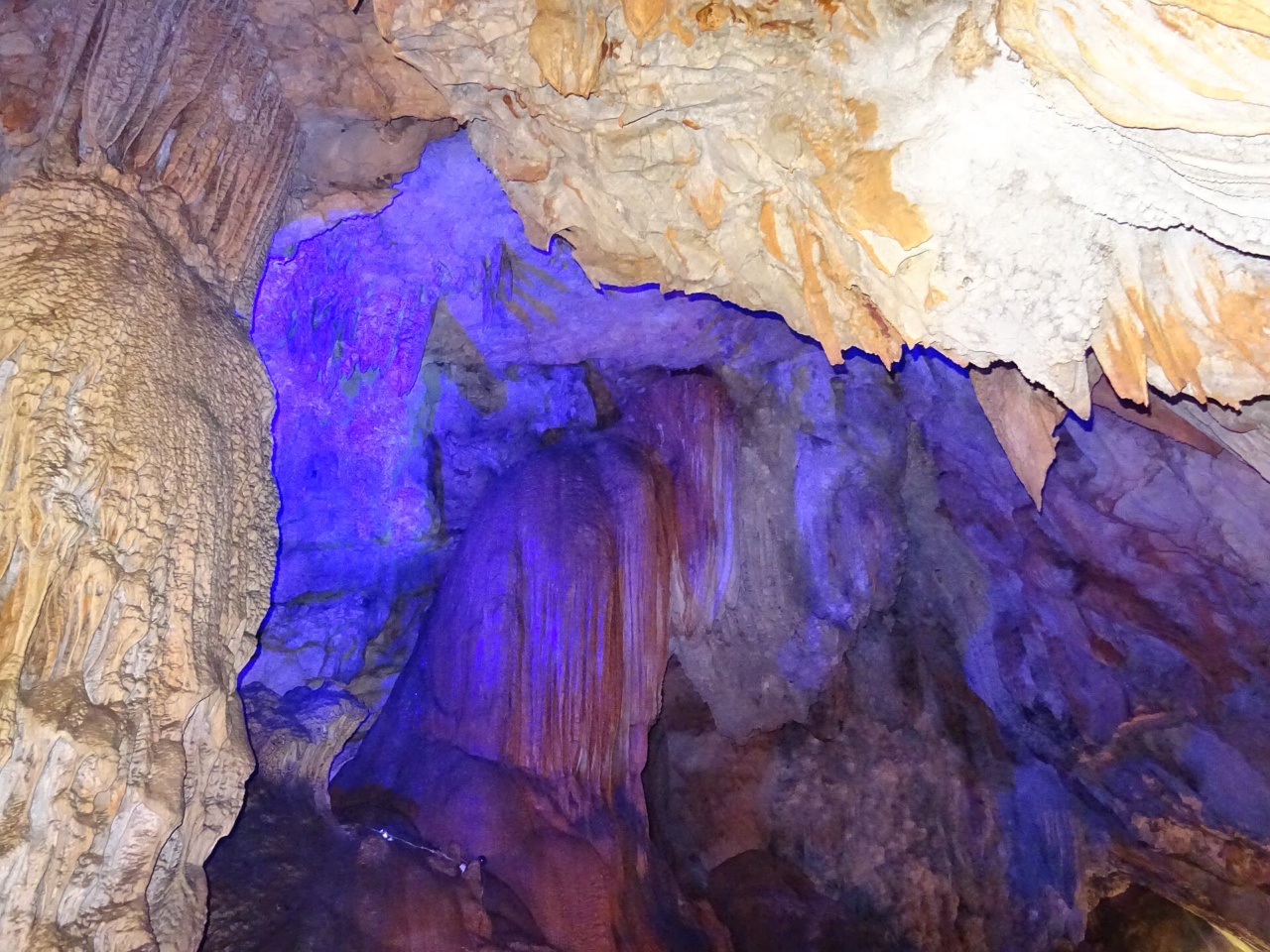
The limestone karsts around Vang Vieng are honeycombed with caves, and exploring them is one of the area's most distinctive activities. Some caves are easy walk-in affairs; others require swimming through underground rivers or squeezing through tight passages.
| Cave | Type | Entry (LAK) | Highlights |
|---|---|---|---|
| Tham Chang | Show cave, well-lit | 15,000 | Easy access with stairs and lighting. Swimming pool at the entrance. Good for families. 10-minute walk from town. |
| Tham Phu Kham (Blue Lagoon) | Cave + swimming | 10,000 | Famous turquoise lagoon at the cave entrance, perfect for swimming. The cave itself requires scrambling and a flashlight. 7 km from town. |
| Tham Nam (Water Cave) | River cave | 10,000 | You pull yourself through the cave on a rope while floating in the water. Unique experience. Best in dry season when water is lower. |
| Tham Xang (Elephant Cave) | Walk-in cave | 10,000 | Named for an elephant-shaped stalactite. Contains Buddha images and a small reclining Buddha. Peaceful setting by the river. |
Tham Phu Kham combined with the Blue Lagoon is the most popular cave trip and a Vang Vieng essential. The lagoon's turquoise water (best from November to May) is perfect for swimming and jumping from platforms and rope swings. The cave above requires climbing a steep, rocky path and exploring by flashlight, rewarding you with impressive stalactites and a reclining Buddha deep inside.
Tham Nam is the most unusual cave experience. During the dry season, you float through a partially submerged cave passage, pulling yourself along a fixed rope through the darkness. It is not for the claustrophobic, but it is a memorable and genuinely unique adventure.
Rock Climbing
The limestone cliffs around Vang Vieng provide excellent rock climbing on natural karst formations. Several outfitters in town offer guided climbing sessions for all levels, from complete beginners to experienced climbers. Routes range from easy 5a grades to challenging overhangs rated 7a and above.
A half-day climbing session with a guide, equipment rental, and transport to the crag costs around 200,000-350,000 LAK ($10-17) per person. Deep Water Soloing (DWS), where you climb above water and drop in when you fall or finish the route, is also available and has become increasingly popular. DWS sessions typically cost 250,000-400,000 LAK and include transport, gear, and an instructor.
Getting to Vang Vieng
The Laos-China Railway has made Vang Vieng remarkably accessible.
| From | Transport | Duration | Cost (LAK) |
|---|---|---|---|
| Luang Prabang | Train | 1.5-2 hours | 238,000-350,000 |
| Vientiane | Train | 1-1.5 hours | 150,000-300,000 |
| Luang Prabang | Minivan/bus | 5-7 hours | 120,000-180,000 |
| Vientiane | Minivan/bus | 3-4 hours | 80,000-120,000 |
The train is the clear winner for comfort and speed. Vang Vieng Railway Station is about 4 kilometers from the town center, with tuk-tuks waiting to shuttle passengers for around 43,000 LAK ($2) per person. Book train tickets at least 3 days in advance online through the LCR website, as they sell out quickly during peak season (December to February).
Minivans remain an alternative if train tickets are sold out. They are cheaper but slower and less comfortable, especially on the winding mountain road from Luang Prabang.
Getting Around Vang Vieng
The town itself is small and walkable. For reaching caves, lagoons, and climbing spots outside town, rent a motorbike (100,000-120,000 LAK per day) or bicycle (40,000-50,000 LAK per day). Most attractions are within a 10-kilometer radius. The roads to the main sites are paved, though some secondary routes are dirt tracks that can be muddy in the wet season. Many tour operators include transport in their activity prices.
Practical Tips for Vang Vieng Adventures
- The dry season from November to April is best for most activities. The karst scenery is dramatic year-round, but the Blue Lagoon is only turquoise in the dry months, caves are more accessible, and balloon flights are more reliable.
- Budget 200,000-400,000 LAK ($10-20) per day for activities. Vang Vieng is remarkably cheap for adventure tourism. Accommodation ranges from 80,000 LAK dorm beds to 500,000 LAK riverside bungalows.
- Bring cash. ATMs exist in town but charge fees, and many activity operators and smaller guesthouses are cash-only. Lao kip is preferred, though some places accept Thai baht.
- Rent a motorbike to maximize your time. The freedom to ride between caves, lagoons, and viewpoints on your own schedule is the best way to experience the area. An international driving permit is technically required.
- For tubing, start before noon and avoid going alone if you are not a strong swimmer. Leave valuables at your guesthouse and bring a dry bag for your phone.
- Take a sunset viewpoint hike. The Pha Ngern viewpoint (about 3 km south of town, 10,000 LAK entry) offers a spectacular panorama over the valley that rivals the balloon ride. The climb takes about 30 minutes.
- Vang Vieng works well as a 2-3 day stop between Luang Prabang and Vientiane. The train connections make this triangle easy to navigate. For more Laos travel planning, check out GoAsia.cc.
Frequently Asked Questions
The top activities are kayaking the Nam Song River, hot air ballooning over the karst landscape, exploring caves like Tham Phu Kham and the water cave Tham Nam, rock climbing on limestone cliffs, and tubing down the river. Most activities cost under $20 per person, making Vang Vieng one of the most affordable adventure destinations in Southeast Asia.
Activities are remarkably cheap. Tubing costs about 60,000 LAK ($3) for tube rental. Half-day kayaking runs 150,000-200,000 LAK ($7-10). Tethered balloon rides are around 350,000 LAK ($15-20). Rock climbing sessions cost 200,000-350,000 LAK ($10-17). Cave entries are 10,000-15,000 LAK each. You can easily fill two days of adventures for under $50 total.
The Laos-China Railway is the best option. Trains from Luang Prabang take 1.5-2 hours (238,000 LAK) and from Vientiane about 1-1.5 hours (150,000 LAK). The train station is 4 km from town with tuk-tuks for 43,000 LAK. Book tickets 3 days in advance as they sell out fast. Minivans are a backup option but take significantly longer.
Vang Vieng's tubing scene has changed dramatically from its wild past. Strict safety regulations were introduced after accidents, many riverside bars closed, and the atmosphere is now much more relaxed. Some bars with music and rope swings still operate, but participation is optional. Most tubers today enjoy a peaceful float through the karst valley scenery.
The dry season from November to April offers the best conditions. The Blue Lagoon at Tham Phu Kham is turquoise, caves are most accessible, balloon flights are reliable, and the river is calm for tubing. The wet season (June to October) brings lush green landscapes but muddy roads, strong river currents, and some activity closures.
Two to three days is ideal. Day one for kayaking or tubing and a cave visit, day two for rock climbing or ballooning and the Blue Lagoon, and an optional third day for more caves, a viewpoint hike, or simply relaxing by the river. Vang Vieng fits naturally as a stop between Luang Prabang and Vientiane on the train line.
Safety has improved enormously. Reputable operators provide proper equipment, guides, and life jackets for water activities. The tubing route has been shortened and bars are regulated. For caves, bring a headlamp and good shoes. Rock climbing outfitters provide all gear and certified guides. Use common sense, avoid activities in heavy rain, and choose established operators over the cheapest option.
Most activities can be done independently. Rent a motorbike and visit caves, the Blue Lagoon, and viewpoints on your own schedule. Tubing is a self-guided activity. However, kayaking, rock climbing, and ballooning require booking through operators who provide equipment and guides. Independent exploration gives you more flexibility and is often cheaper than organized tours.