Vientiane is Southeast Asia's most unassuming capital, a low-rise city on the Mekong River where French colonial architecture sits beside gilded Buddhist temples and the pace of life feels closer to a provincial town than a national hub.
The first thing most visitors notice about Vientiane is what it lacks: towering skyscrapers, relentless traffic, aggressive touts. Laos's capital stretches languidly along a bend in the Mekong River, its skyline dominated by temple spires and the occasional concrete block rather than glass towers. Baguette vendors set up on sidewalks shaded by tamarind trees, monks in saffron robes collect morning alms along quiet streets, and the evening Mekong promenade fills with families, joggers, and vendors grilling sticky rice. It feels, at times, more like a large village that happens to house government ministries.
That understated quality is precisely the draw. Vientiane serves as a decompression chamber for travelers arriving from the sensory overload of Bangkok or Hanoi, and as a gentle introduction to Laos before heading north to Luang Prabang or south to the 4,000 Islands. The city's French colonial legacy shows up in crumbling shuttered villas, decent coffee, and a surprising number of bakeries. Its Buddhist heritage is on full display at Pha That Luang, the country's most sacred monument, and at dozens of neighborhood wats where you can sit in the shade and watch daily life unfold.
Vientiane is not a city of blockbuster attractions. It is a city of atmosphere, of long lunches by the river, of stumbling into a temple festival you did not know was happening. Give it two or three days and let it work its quiet magic.
Orientation and Neighborhoods
Vientiane is compact and largely flat, hugging the northern bank of the Mekong. The city center runs roughly from the Presidential Palace in the east to Patuxai (the Victory Gate) about two kilometers north, with the Mekong riverfront forming the southern edge. Almost everything a tourist needs falls within this triangle.
The heart of tourist Vientiane stretches along Fa Ngum Road and the streets just behind it, centered on the Nam Phu fountain. This is where you will find the densest concentration of guesthouses, restaurants, tour agencies, and cafes. The Mekong promenade comes alive at sunset, and the night market sets up along the riverfront every evening. Stay here if you want walkability above all else.
Chanthabouly and Around Patuxai
Moving north from the river toward Patuxai and along Lane Xang Avenue, the city takes on a more local, less touristy feel. This area has mid-range hotels, local restaurants, and the morning market (Talat Sao). It is a good base if you want to be central but slightly removed from the backpacker zone.
That Luang Area
Further northeast, the area around Pha That Luang and the ITECC mall is more residential and spread out. You will need a tuk-tuk or bicycle to reach the center, but accommodation here tends to be cheaper and quieter.
Dongpalan and South of the Center
South of the main tourist strip, the neighborhoods become increasingly local. This area has some excellent Lao restaurants that see few foreigners, and a handful of boutique guesthouses have opened in converted colonial houses.
Things to Do
Offers are only loaded from GetYourGuide after you click. GetYourGuide can then process your IP address and set cookies. Privacy Policy
GetYourGuide partner offers. GoAsia may earn a commission if you book through these offers. Check whether tickets or transfers are included, and follow the attraction's official booking and admission rules.
Best Time to Visit
Vientiane has a tropical monsoon climate with three distinct seasons. The cool, dry season from November through February is the most comfortable, with temperatures around 20-28 degrees Celsius and low humidity. This is also peak tourist season, though Vientiane never feels crowded the way Luang Prabang can.
The hot season from March through May is genuinely brutal, with temperatures regularly hitting 38-40 degrees Celsius. Sightseeing becomes an exercise in dashing between air-conditioned spaces. April does bring Lao New Year (Pi Mai Lao), a massive water festival that transforms the city into a joyful, soaking-wet party for three days.
The rainy season from June through October brings daily downpours, usually in the afternoon, but mornings are often clear. Prices drop, the countryside turns lush green, and the Mekong swells dramatically. The Boun Ok Phansa festival in October marks the end of Buddhist Lent and is one of the most atmospheric events in the country. In 2026 Vientiane celebrates it from 25 to 27 October at the Vat Chan riverfront, with a candlelight procession and the launch of illuminated boats on the evening of 26 October.[1]
Season
Months
Weather
Crowds
Prices
Cool and Dry
Nov - Feb
Pleasant, 20-28C
Moderate
Higher
Hot
Mar - May
Very hot, 35-40C
Low
Lower
Rainy
Jun - Oct
Warm, afternoon storms
Low
Lowest
Getting There and Getting Around
Wattay International Airport sits just four kilometers west of the city center. A taxi from the airport costs around $7-8 using the official taxi counter inside the arrivals hall. Tuk-tuks wait outside and will charge roughly $4-5 after bargaining. The ride takes 15-20 minutes depending on traffic.
Lao Airlines flies to Vientiane from Bangkok (two daily flights), Seoul, Hanoi, Chiang Mai, Siem Reap and Ho Chi Minh City, and from Vientiane to Kunming and Guangzhou.[2] The Laos-China Railway connects the city with Luang Prabang and Boten and, across the border, with Kunming; its Lao section is 422.4 km long.[3] The railway station is at Khamsavath, outside the city center. You can check transport options and schedules on GoAsia.cc for connections across the region.
The Thai-Lao Friendship Bridge crosses the Mekong to Nong Khai in Thailand, southeast of the city, and is one of the entry points where the Lao eVisa can be used.[4] Shuttle buses cross the bridge regularly, and you can connect to the Thai rail network from Nong Khai station.
Getting Around
Central Vientiane is very walkable if you stick to the riverside and core tourist area. A bicycle is the ideal way to explore further, and most guesthouses rent them for around $1-2 per day. Electric scooters and motorbikes are also available for roughly $8-15 per day, though traffic rules are loosely observed and insurance coverage is minimal.
Tuk-tuks are the main transport for tourists. Always agree on a price before getting in. Short hops within the center cost around $1-2, while a ride to Pha That Luang or Buddha Park will run $3-5. The Loca ride-hailing app works in Vientiane and generally offers lower prices than flagging down a tuk-tuk on the street. There are also local buses, but routes are confusing and service is infrequent, making them impractical for most visitors.
Top Sights and Experiences
Must-See Attractions
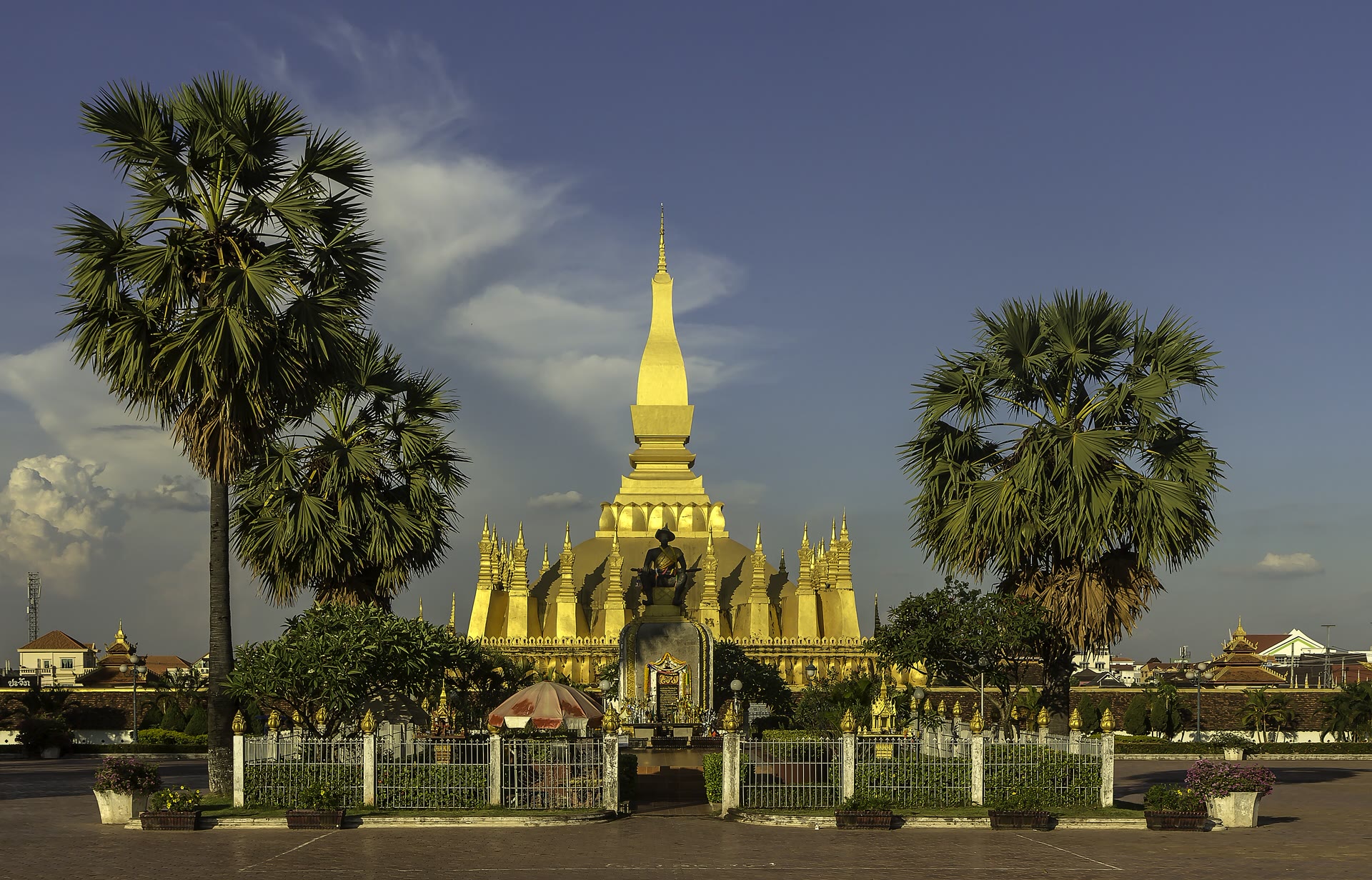
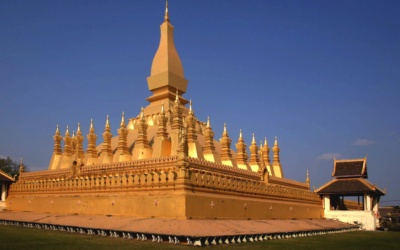
Pha That Luang: The golden stupa is the national symbol of Laos, appearing on the currency, the national seal, and seemingly every official document in the country. The 45-meter-tall monument dates to the 16th century, though the site's Buddhist significance stretches back much further. Visit early morning or late afternoon when the light turns the gold exterior incandescent. Entry costs around $0.50. Allow 45 minutes to walk the full complex, including the surrounding cloisters and smaller temples.
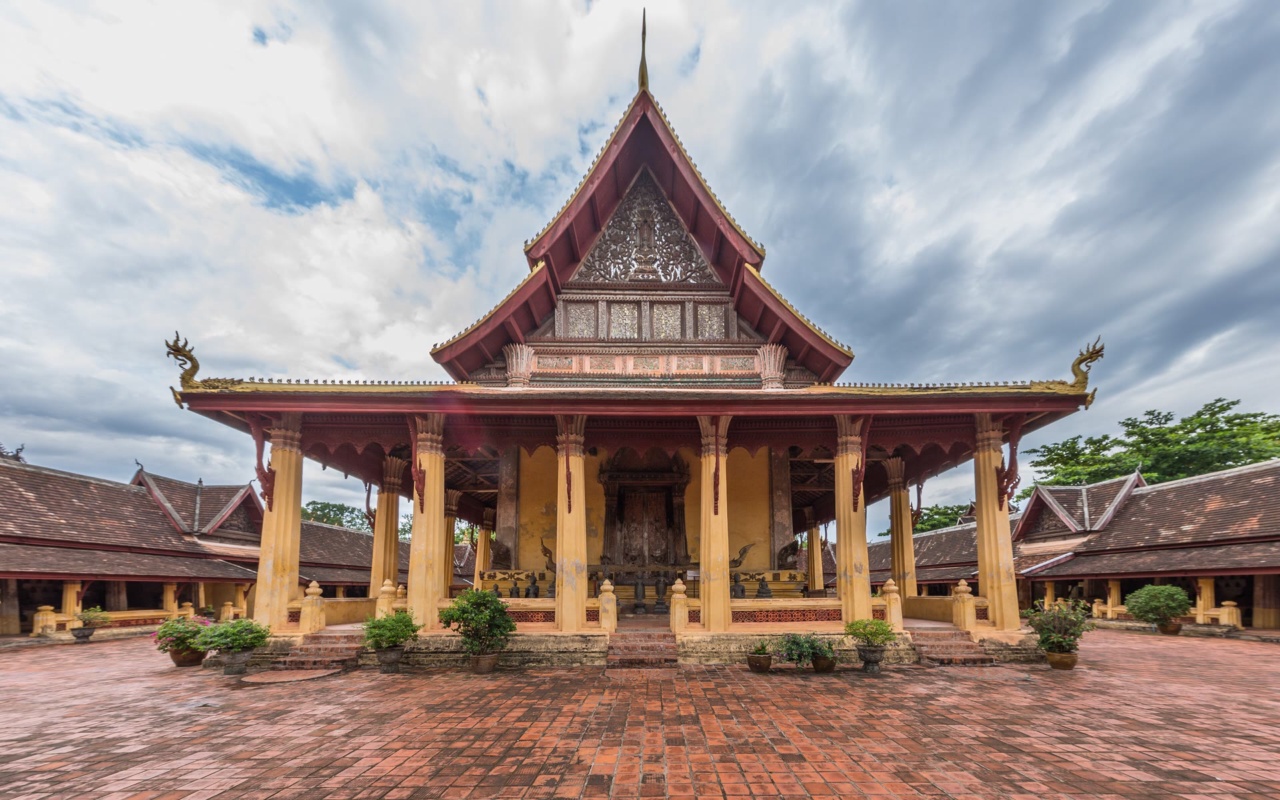
Wat Si Saket: The oldest surviving temple in Vientiane, built in 1818, and the only one to survive the Siamese sacking of the city in 1828. The cloister walls contain thousands of tiny Buddha images in niches, creating a mesmerizing visual effect. Entry is around $0.50. Combine it with a visit to Haw Phra Kaew directly across the street.
Haw Phra Kaew: Once the royal temple that housed the Emerald Buddha (now in Bangkok's Grand Palace), this beautifully restored building serves as a museum of Buddhist art. The collection of bronze and wooden Buddha images is excellent. Entry is around $0.50.
COPE Visitor Centre: This is the most important and sobering attraction in Vientiane. COPE (Cooperative Orthotic and Prosthetic Enterprise) provides prosthetic limbs and rehabilitation to victims of unexploded ordnance (UXO) left over from the massive bombing campaigns during the Indochina wars. The free exhibition explains why Laos is the most heavily bombed country per capita in history. Plan at least an hour. Donations are encouraged and directly fund patient care.
Mekong Riverfront at Sunset: The evening promenade along the Mekong is free, beautiful, and one of the most pleasant urban experiences in Southeast Asia. The night market sets up along Quai Fa Ngum with stalls selling clothing, handicrafts, and food. Grab a Beer Lao from a riverside vendor and watch the sun drop behind Thailand on the opposite bank.
Lesser-Known Gems
Xieng Khuan (Buddha Park): Located about 24 km beyond Vientiane on the Mekong, about an hour from the city, this sculpture park was built in 1958 by a Lao mystic and holds more than 200 statues, including a 40-meter reclining Buddha and a three-storey pumpkin-shaped structure.[5] The sculptures mix Hindu and Buddhist imagery, and the pumpkin is genuinely bizarre and wonderfully photogenic. Tuk-tuk drivers will take you there and back, so agree on the price before you set off, and allow about half a day including travel.
Talat Sao (Morning Market): Despite the name, this market operates all day. The older section is a warren of stalls selling textiles, silver jewelry, and traditional Lao handicrafts. It is a good place to buy silk scarves and sinh (the traditional Lao skirt). The adjacent mall is forgettable.
Wat Sok Pa Luang: A forest temple on the southern edge of the city where monks offer traditional herbal saunas and basic meditation instruction. The sauna costs around $1 and operates in the late afternoon. It is an authentic, local experience far removed from the tourist circuit.
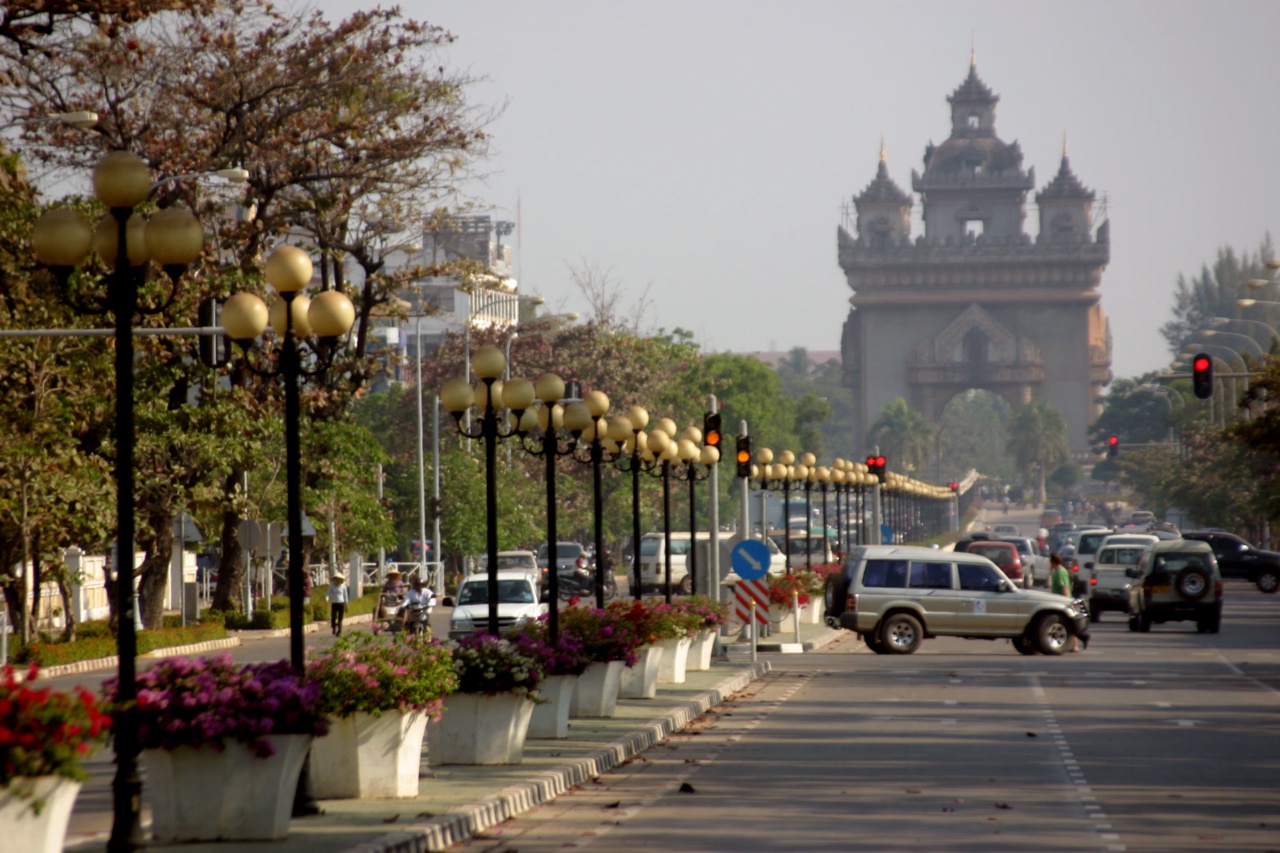
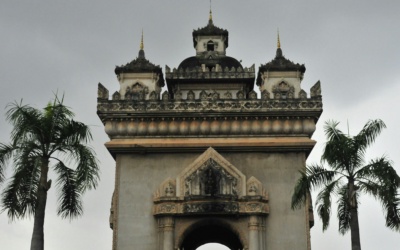
Patuxai: Vientiane's answer to the Arc de Triomphe, built with concrete originally donated by the US for a new airport runway. Locals affectionately call it the vertical runway. Climb to the top for panoramic city views. Entry is around $0.50. It is worth 30 minutes but not a major destination on its own.
Overrated Attractions
That Dam (Black Stupa): Guidebooks play up the legend of a seven-headed naga living inside this crumbling stupa, but in reality it is a small, unremarkable ruin on a traffic roundabout. Walk past it, take a photo if you like, but do not make a special trip.
Lao National Museum: The building itself has some colonial charm, but the exhibits are poorly maintained, sparsely labeled, and heavy on propaganda. Unless you have a deep interest in Lao revolutionary history, your time is better spent elsewhere.
Night Market Shopping: The riverside night market is pleasant to stroll, but the goods are largely mass-produced items you will find in every Southeast Asian tourist market. For genuine Lao textiles and crafts, visit Talat Sao or the boutique shops along Nokeokoummane Road.
Food and Drink
Vientiane punches above its weight culinarily. The city benefits from its French colonial heritage (excellent bread, coffee, and pastries), its position on the Mekong (fresh river fish), and the broader Lao culinary tradition of sticky rice, herbs, and fermented flavors. Eating well here is easy and remarkably affordable.
Signature Dishes
Dish
Description
Where to Try
Typical Price
Laap
Minced meat salad with herbs, lime, fish sauce, and toasted rice powder. The national dish.
Any local restaurant or street stall
$1.50-3
Tam Mak Hoong
Lao-style papaya salad, heavier on fermented fish paste (padaek) and more pungent than Thai versions
Street vendors and beer gardens
$1-2
Khao Piak Sen
Thick, hand-rolled rice noodles in a comforting chicken or pork broth, Laos's answer to pho
Morning noodle shops throughout the city
$1-2
Ping Kai
Grilled chicken marinated in lemongrass and garlic, served with sticky rice and jeow (chili dip)
Roadside grill stalls, especially along the river
$2-3
Khao Jee Pate
Baguette sandwich stuffed with pate, pickled vegetables, herbs, and chili sauce - the Lao banh mi
Street vendors near Talat Sao and along main roads
$0.50-1
Or Lam
Rich stew from Luang Prabang with meat, eggplant, dill, and lao sakhan (a woody, numbing herb)
Upscale Lao restaurants
$3-5
Where to Eat
The streets around Nam Phu fountain and the riverfront have the highest concentration of restaurants, ranging from simple noodle shops to polished Lao-French bistros. For the best local food at the lowest prices, head to the cluster of beer gardens and open-air restaurants along Khoun Boulom Road, where office workers and families gather in the evenings over towers of Beer Lao and plates of laap and grilled fish.
The area around Dongpalan has several excellent Lao restaurants frequented almost entirely by locals. Look for places with plastic furniture, a crowd of Lao diners, and a charcoal grill out front. These spots rarely have English menus but pointing at what other tables are eating works perfectly.
Vientiane's French bakery scene is surprisingly good. Several bakeries near the center produce fresh croissants, baguettes, and pastries daily. Lao coffee, grown on the Bolaven Plateau in the south, is excellent and typically served strong with sweetened condensed milk.
Price Ranges
A street food meal (noodle soup, baguette sandwich, or grilled meat with sticky rice) costs around $1-2. A full meal at a mid-range restaurant with a Beer Lao runs $5-8. Upscale dining at one of the city's best Lao-French restaurants will cost $15-25 per person including drinks, which remains remarkably affordable by international standards.
Where to Stay
Budget (Under $15 per night)
The streets behind the Mekong riverfront, particularly around the Nam Phu area, have dozens of guesthouses and hostels. Dorm beds start at around $4-6, and basic private rooms with fan and shared bathroom go for $8-12. Air conditioning adds a few dollars. Quality varies significantly, so check recent reviews. The area is walkable to everything.
Mid-Range ($15-50 per night)
Vientiane's mid-range is its sweet spot. Boutique guesthouses in converted colonial buildings offer rooms with air conditioning, hot water, and often a small pool for $20-40. Several excellent options cluster along the streets between the river and Setthathirath Road. At this price point, expect clean rooms, reliable Wi-Fi, and breakfast included.
Upscale ($50-150+ per night)
A handful of international-standard hotels line the riverfront and Lane Xang Avenue. These offer pools, fitness centers, river-view rooms, and the polish you would expect at this tier, though Vientiane's luxury scene is modest compared to Bangkok or Hanoi. Boutique luxury properties in restored French villas offer more character than the larger hotels and typically run $60-100.
Unique Stays
A few properties on the outskirts of the city offer traditional Lao wooden house accommodation with modern comforts, set in gardens. These provide a more immersive experience but require transport into the center.
Practical Tips
Safety: Vientiane is one of the safest capitals in Southeast Asia. Violent crime against tourists is extremely rare. Petty theft can occur, particularly bag snatching from motorbikes along the riverfront at night. Keep valuables secure and be alert after dark on quiet streets. The biggest physical danger is traffic, as driving standards are unpredictable and sidewalks are often blocked.
Scams: Tuk-tuk drivers sometimes inflate prices for tourists. Agree on a fare before departure and use the Loca app when possible. Some gem and jewelry shops near tourist areas sell overpriced or fake stones. Avoid unsolicited offers to visit gem factories.
Currency and Payment: The Lao kip (LAK) is the official currency, but Thai baht and US dollars are widely accepted for larger purchases. ATMs are plentiful in the center and dispense kip. Credit cards are accepted at hotels, upscale restaurants, and some shops, but carry cash for everything else. There is no tipping culture in Laos, though rounding up the bill at restaurants is appreciated.
SIM Cards and Internet: Buy a local SIM card at the airport or any phone shop in town for around $2-3 with a generous data package. Unitel and Lao Telecom have the best coverage. Wi-Fi is available at virtually all hotels and cafes, though speeds can be slow.
Language: Lao is the national language. English is spoken at hotels, tourist restaurants, and travel agencies, but not widely beyond that. Basic Lao phrases (sabaidee for hello, khop jai for thank you) go a long way. Many Lao people over 50 speak some French.
Visas: Most travelers can get a visa on arrival at major entry points such as international airports and border crossings, valid for up to 30 days and extendable once.[6] The Lao eVisa, currently available for the tourist visa only, is accepted at Wattay International Airport and the Lao-Thai Friendship Bridge I and allows a stay of 30 days after arrival.[4][7] Fees and visa exemptions depend on your nationality, so check the official eVisa site and the immigration department before you travel.
Cultural Etiquette: Remove shoes before entering temples and homes. Dress modestly at religious sites, covering shoulders and knees. Women should never touch monks or hand objects directly to them. The head is considered sacred and the feet profane, so avoid pointing your feet at people or Buddha images. Public displays of affection are frowned upon.
Electricity: Laos uses a mix of plug types (A, B, C, E, and F). Voltage is 230V. Bring a universal adapter. Power outages occur occasionally during storms but are brief in the city center.
Day Trips
Vang Vieng (roughly 150 km north)
Once infamous for its backpacker party scene, Vang Vieng has matured into a legitimate adventure destination set among stunning karst limestone mountains. Kayaking, rock climbing, caving, and hot air balloon rides are all available. The Laos-China Railway has turned the trip from Vientiane into a short train ride, making it an easy day trip, though an overnight stay lets you enjoy the scenery at a slower pace. Tickets can be booked in the LCR Ticket app.[3]
Phou Khao Khouay National Protected Area (roughly 80 km northeast)
This accessible national park offers waterfalls, wildlife viewing, and jungle trekking. Tad Leuk and Tad Xay waterfalls are the most visited and are swimmable during the wet season. You will need private transport or a tour to visit, typically costing around $40-60 for a day trip including guide.
Tha Ngon and the Nam Ngum Reservoir (roughly 90 km north)
Laos's largest reservoir, created by a hydroelectric dam, offers boat trips to small islands, floating restaurants serving fresh fish, and a peaceful escape from the city. It is a popular weekend destination for Vientiane residents. Hire a car or join a tour for around $30-50.
Nong Khai, Thailand (roughly 25 km south)
Crossing the Friendship Bridge to Nong Khai gives you access to a charming Thai riverside town with a famous sculpture park (Sala Kaew Ku, the inspiration for Vientiane's Buddha Park), excellent Thai-Isan food, and the Thai rail network. The border crossing is straightforward. A shuttle bus across the bridge costs around $1, and you will need to clear immigration on both sides. Check visa requirements for re-entry to Laos.
Ban Keun and the Lao Whisky Villages (roughly 30 km east)
Several villages along the road east of Vientiane specialize in producing lao-lao, the local rice whisky. You can visit small distilleries, sample the product, and buy bottles for next to nothing. It is not a polished tourist experience, which is part of the charm. Combine it with a visit to nearby weaving villages. A tuk-tuk or hired car for the half-day costs around $15-20.
Sample 3-Day Itinerary
Day 1: City Core and Culture
Morning: Start with a khao jee pate (baguette sandwich) from a street vendor, then visit Wat Si Saket and Haw Phra Kaew while the morning is still cool. Both are on Setthathirath Road and take about 30-45 minutes each.
Afternoon: Walk up Lane Xang Avenue to Patuxai, climb to the top for city views, then continue to Pha That Luang. Spend an hour at the golden stupa and the surrounding temples. Return to the center and visit the COPE Visitor Centre, allowing at least an hour.
Evening: Head to the Mekong riverfront for sunset. Browse the night market, then have dinner at one of the beer gardens on Khoun Boulom Road. Order laap, sticky rice, and tam mak hoong with a cold Beer Lao.
Day 2: Buddha Park and Local Life
Morning: Head to Xieng Khuan (Buddha Park) early to beat the heat. Hire a tuk-tuk for the trip. Spend an hour exploring the surreal sculptures.
Afternoon: Return to the city and explore Talat Sao for handicrafts and textiles. Have lunch at a local noodle shop - try khao piak sen. In the afternoon, rent a bicycle and ride through the quieter neighborhoods south of the center, stopping at any temples that catch your eye.
Evening: Visit Wat Sok Pa Luang for the herbal sauna in the late afternoon. After, treat yourself to dinner at one of the city's Lao-French restaurants for a multi-course meal that showcases the unique culinary fusion.
Day 3: Day Trip or Deep Dive
Option A - Vang Vieng: Catch an early morning train to Vang Vieng. Spend the day kayaking on the Nam Song River or exploring Tham Chang cave. Take an afternoon train back to Vientiane.
Option B - Slow Vientiane: Sleep in, then start the day with Lao coffee and a croissant at a French bakery. Visit any temples you missed, explore the boutique shops along Nokeokoummane Road for Lao textiles and art, and have a long lunch by the river. Spend the afternoon at a cooking class (several guesthouses and restaurants offer them for around $20-30) learning to make laap and jeow. End with a final sunset on the Mekong.
Budget Overview
Category
Budget
Mid-Range
Comfort
Accommodation
$5-12
$20-40
$60-120
Food
$5-8
$12-20
$25-40
Transport
$2-3
$5-8
$10-20
Activities
$2-3
$5-10
$15-30
Daily Total
$14-26
$42-78
$110-210
Vientiane is one of the cheapest capitals in Asia to visit. Budget travelers who eat street food, stay in dorms, and walk or cycle can get by on under $20 per day. Mid-range travelers will find excellent value, with boutique hotels, good restaurants, and comfortable transport all available at prices that feel almost anachronistic compared to neighboring Thailand or Vietnam. Even at the comfort tier, Vientiane offers genuine luxury at a fraction of what you would pay in Bangkok or Singapore.
Frequently Asked Questions
Is Vientiane worth visiting?
Vientiane is worth visiting if you appreciate a slower pace, genuine local culture, and excellent food over blockbuster attractions. It is not a city of jaw-dropping sights but rather one of quiet charm, with beautiful temples, a lovely riverfront, and some of the best-value dining in Southeast Asia. If you only have limited time in Laos, Luang Prabang is the more visually dramatic choice, but Vientiane offers a more authentic, unhurried experience.
How many days do you need in Vientiane?
Two to three days is ideal. You can cover the main sights in a full day, but a second day allows for a day trip to Buddha Park or Vang Vieng, and a third day lets you soak up the city's atmosphere with cooking classes, temple visits, and long riverside meals. Staying longer is pleasant but not essential unless you are using it as a base.
Is Vientiane safe for tourists?
Vientiane is very safe by Southeast Asian standards. Violent crime against tourists is extremely rare. The main risks are petty theft (particularly bag snatching along the riverfront at night) and traffic accidents due to unpredictable driving. Exercise normal precautions with valuables and be cautious when crossing roads.
What food is Vientiane famous for?
Vientiane is known for laap (minced meat salad with herbs and toasted rice), tam mak hoong (Lao papaya salad with fermented fish paste), and khao jee pate (baguette sandwiches reflecting the French colonial legacy). The city also has excellent Lao coffee, fresh river fish dishes, and a unique Lao-French fusion dining scene that you will not find elsewhere in the country.
Is Vientiane expensive?
Vientiane is one of the most affordable capital cities in Asia. Budget travelers can get by on $15-25 per day, and mid-range travelers will find boutique hotels and excellent restaurant meals for a fraction of what they cost in Bangkok or Hanoi. Even upscale dining rarely exceeds $25 per person.
Can you drink tap water in Vientiane?
No, tap water in Vientiane is not safe to drink. Stick to bottled water, which is cheap and available everywhere for around $0.25-0.50. Most hotels provide complimentary bottles. Ice in tourist restaurants is generally made from purified water and is safe.
Do I need a visa to visit Vientiane?
Most nationalities can obtain a 30-day visa on arrival at Wattay Airport or the Friendship Bridge border crossing. The fee ranges from $30-42 depending on your passport. Bring a passport photo and US dollars in cash. Citizens of ASEAN countries, Japan, South Korea, Russia, and several other nations may enter visa-free for short stays.
How do I get from Wattay Airport to the city center?
Wattay Airport is only four kilometers from the center. Official taxis from the counter inside arrivals cost around $7-8, while tuk-tuks outside charge roughly $4-5 after bargaining. The ride takes 15-20 minutes. There is no airport bus or rail link.
Is English widely spoken in Vientiane?
English is spoken at hotels, tourist restaurants, and travel agencies, but not widely beyond that. Tuk-tuk drivers, market vendors, and local eateries usually speak limited English. Learning a few Lao phrases helps significantly. Older residents may speak some French. Translation apps on your phone are useful for more complex interactions.
What is the best neighborhood to stay in Vientiane?
The riverside area around Nam Phu fountain is the best choice for most visitors, offering walkable access to restaurants, temples, the night market, and the Mekong promenade. The area around Chanthabouly and Lane Xang Avenue suits travelers who want a more local feel while staying central. Budget travelers will find the cheapest options in the streets just behind the riverfront.
Sources and background
Numbers in the text such as [1] refer to these sources.