

Contents
- 1. Getting Around Vientiane on Foot
- 2. Getting Around Vientiane by Tuk-Tuk
- 3. Getting Around Vientiane by Ride-Hailing
- 4. Getting Around Vientiane by Rented Bicycle
- 5. Getting Around Vientiane by Rented Motorbike
- 6. Getting Around Vientiane by Local Bus
- 7. Comparing Your Options
- 8. Practical Tips for Getting Around Vientiane
- 9. Frequently Asked Questions
- 10. Sources and background
Vientiane is one of the more relaxed capital cities in Asia. There is no metro or overhead railway, and the center is compact: the riverside core around the Mekong, Setthathirath Road and the Patuxai monument can be crossed on foot. Most visitors combine walking with tuk-tuks, ride-hailing, rented bicycles or motorbikes and the occasional local bus.
Getting Around Vientiane on Foot
The historic center is walkable, and walking is often the smartest choice. The area between the Mekong riverfront, Setthathirath Road and Patuxai packs in temples, museums, cafes and the night market, and the walk from the riverfront promenade to Wat Si Saket is flat and easy.
Pavements are uneven in places and shade can be scarce in the heat of the day, so carry water and aim for early morning or late afternoon. The riverfront stays pleasant into the evening when food stalls and joggers come out.
Getting Around Vientiane by Tuk-Tuk
The three-wheeled tuk-tuk is the iconic workhorse of Vientiane streets. You will find them parked outside markets, temples and busy intersections. Agree the fare clearly before you climb in, because tourist prices are often quoted higher than local ones, and a friendly counteroffer usually meets in the middle.
Tuk-tuks are open-air and fun for short trips, though they offer no protection from rain or dust. Have small notes ready, since drivers rarely carry change for large bills. They are most useful when you are carrying bags, traveling in a group or heading somewhere just beyond walking distance, such as That Luang or the COPE Visitor Centre.
Getting Around Vientiane by Ride-Hailing
LOCA is a Lao ride-hailing app that shows transparent fares before the ride, so there is no haggling. You can pay by cash, card or QR code.[1] You can compare ride options and other transport on GoAsia.cc before you set out.
The main limitation is driver availability, which can be thinner in outer areas and at quiet times of day. Set up the app with your phone number before you need it, because you will want a local or roaming SIM to receive verification codes.
Getting Around Vientiane by Rented Bicycle
Vientiane is flat and compact, which makes cycling one of the more enjoyable ways to explore. Many guesthouses, hostels and rental shops offer bicycles, and prices vary by shop. A bicycle lets you move at your own pace and covers ground faster than walking without the negotiation of a tuk-tuk.
Riding along the Mekong, between the temples and out toward That Luang is pleasant in the cooler hours. Watch for motorbikes and the occasional pothole, bring a lock and do not leave anything in the basket unattended. A bicycle suits the riverfront and central sights better than longer trips.
Getting Around Vientiane by Rented Motorbike
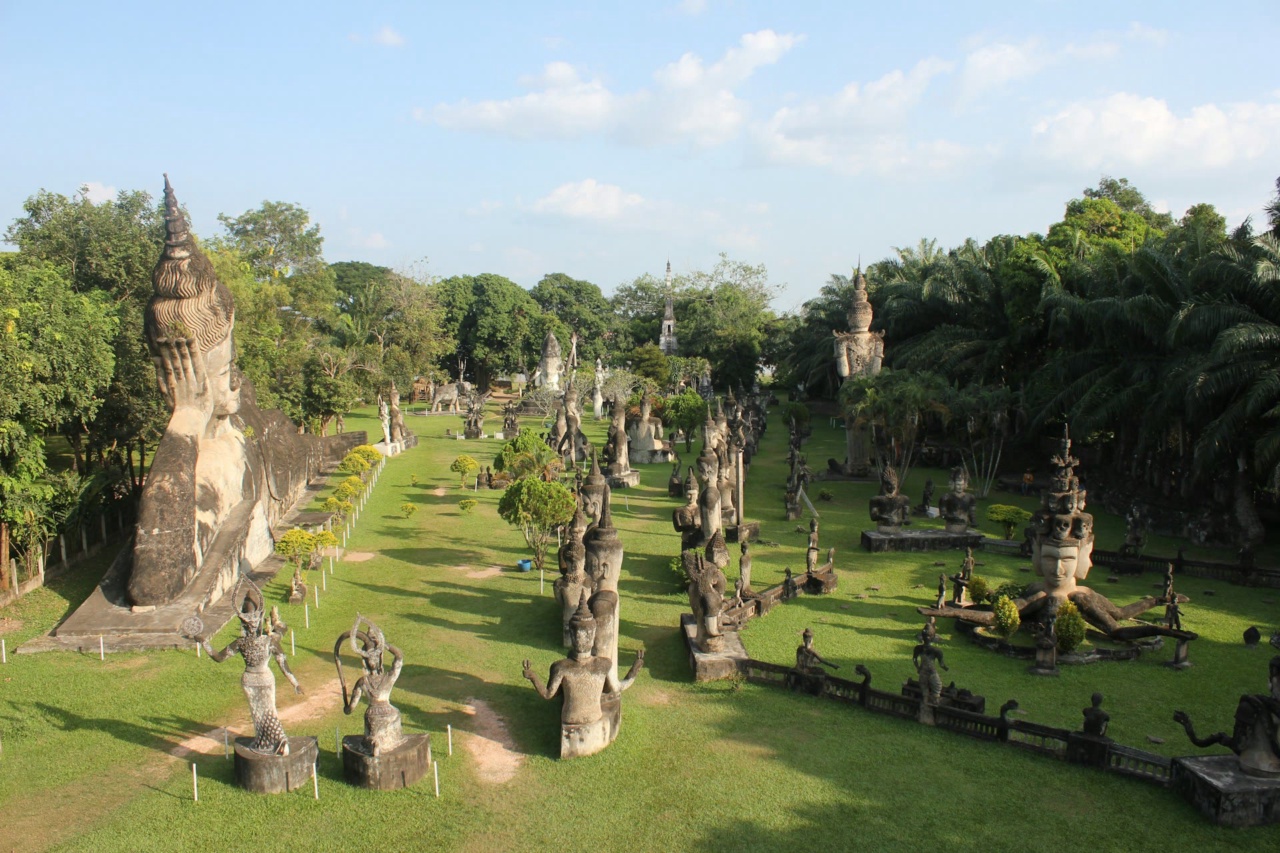
If you are comfortable on two wheels, a rented scooter opens up the city and its outskirts. A motorbike is a convenient way to reach more distant spots such as the Buddha Park (Xieng Khuan), which lies about 24 km beyond Vientiane on the Mekong and is about an hour from the city.[2]
Get an International Driving Permit if you plan to drive.[3] Do not leave your passport as a deposit when you hire a motorbike, as travelers report that rental companies keep passports and demand high fees, and not all rentals supply helmets, so insist on a helmet and photograph the bike before riding to document existing scratches. Roads in Laos are often in poor condition, and travel after dark significantly increases the risk of an accident.[4]
Getting Around Vientiane by Local Bus
Vientiane has a basic city bus network. Routes and fares are not widely published in English, so for most travelers the buses are more curiosity than practical tool. If you are budget-minded and patient, ask at the bus station for the right platform and the current fare. Otherwise, ride-hailing or a tuk-tuk will usually get you there faster.
Comparing Your Options
| Mode | How you pay | Best For |
|---|---|---|
| Walking | Free | Exploring the temple-filled center |
| Tuk-tuk | Fare agreed before the ride | Short rides with bags or groups |
| Ride-hailing (LOCA) | Fare shown in the app[1] | Predictable travel without haggling |
| Bicycle | Rental, price varies by shop | Relaxed riverfront sightseeing |
| Motorbike | Rental, price varies by shop | Reaching outlying sights |
| Local bus | Fare paid for the ride, ask at the station | Patient budget travel |
Practical Tips for Getting Around Vientiane
A little preparation makes the city easy to navigate. Sort out a local SIM or eSIM on arrival so you can run apps and call rides, then download the essentials before you leave your hotel.
- Install the LOCA app for cars with fares shown upfront.
- Carry Google Maps offline for the city, and have your destination written in Lao script to show drivers who may not read English.
- Keep plenty of small kip notes, because drivers and stalls rarely have change for big bills.
- Always agree a tuk-tuk fare before getting in, and do not be shy about counteroffering.
- The heat peaks from late morning to mid-afternoon, so plan walking and cycling for early morning or late afternoon.
Traffic around the Patuxai roundabout and the roads near the Morning Market can be busy at rush hour. The main risk for visitors is simply being overcharged by a tuk-tuk or a rental shop, so agree prices first and refuse to leave your passport as a vehicle deposit. At night ride-hailing can thin out, so book early if you are heading back late from the riverfront or night market.
Frequently Asked Questions
Use this guide to compare local transport in Vientiane. When bookable tickets are available, the booking tool shows current options and prices.
For the compact center, walking and cycling are the most enjoyable options since the city is flat and distances are short. For longer hops or when carrying luggage, the LOCA ride-hailing app shows fares upfront, while tuk-tuks are handy for quick trips once you have agreed the fare.
Tuk-tuk fares are agreed with the driver before the ride, LOCA shows the fare in the app before you book, and bicycle and motorbike rental prices vary by shop. Compare a few offers and agree the price before you set off.
Serious transport crime is rare, and the main concern for visitors is being overcharged by tuk-tuks or rental shops. Use a ride-hailing app for fares shown upfront and book early if you are traveling late at night. Petty theft such as bag snatching can occur in tourist areas, so keep your belongings close.
Yes. LOCA is a Lao ride-hailing app that shows transparent fares before the ride and accepts cash, card or QR payment. You need a local SIM or roaming number to register, so set the app up before you need a ride.
The historic center is walkable, with temples, museums, the riverfront and the night market close together. Pavements can be uneven and midday heat is intense, so plan walking for early morning or late afternoon.
The Buddha Park (Xieng Khuan) is about 24 km beyond Vientiane on the Mekong and about an hour from the city. You can go by tuk-tuk, taxi or ride-hailing car, or ride a rented motorbike, and you should agree the fare before you set off.
Wattay International Airport is a short distance from the center. Use a ride-hailing car, a taxi or a tuk-tuk, or ask your hotel to arrange a pickup, and agree the fare before you set off.
Sources and background
Numbers in the text such as [1] refer to these sources.
- [1] LOCA Laos: LOCA - The only app you need when visiting Laos. Retrieved October 15, 2026.
- [2] ASEAN Tourism, Visit Southeast Asia: Buddha Park (Xieng Khuan). Retrieved October 15, 2026.
- [3] US Centers for Disease Control and Prevention (CDC): Laos - Traveler view. Retrieved October 15, 2026.
- [4] UK Foreign, Commonwealth & Development Office (FCDO): Laos travel advice: Safety and security. Retrieved October 15, 2026.
Guide prices and journey times are indicative, not live quotes. A booked package may include transfers and waiting time as well as the main journey. Check the selected offer, pickup point and current conditions before booking.