Plan hassle-free transfers in Laos with our guide to airport pickups, private cars, and minivans covering Vientiane, Luang Prabang, Vang Vieng, and beyond.
Stepping off a plane at Wattay International Airport in Vientiane or touching down in Luang Prabang, many travelers face the same question: how do I get from here to my hotel? A pre-arranged transfer takes the guesswork out, because the vehicle is booked, priced and confirmed before you land. This page covers the main options in Laos, from tuk-tuks and taxis to private vans and the ride-hailing app LOCA.
The Transfer Network in Laos
Laos is a narrow, mountainous country, and the places where travelers need transfers are concentrated around a handful of hubs: Vientiane, Luang Prabang, Vang Vieng, Pakse, and the border crossings with Thailand, Vietnam, and China. Airport transfers are most commonly needed at Wattay International Airport in Vientiane and Luang Prabang International Airport.
Beyond airport pickups, transfers in Laos cover routes between railway or bus stations and hotels, border crossings and nearby towns, and intercity journeys such as Vientiane to Vang Vieng, which lies 150 km north of the capital.[1] The Laos-China Railway has stations in Vientiane, Vang Vieng and Luang Prabang, where tickets are also sold at station windows,[2] and this creates demand for station-to-hotel transfers in those towns.
Transfer operators range from hotel-affiliated drivers to independent companies and online booking platforms. In smaller towns like Nong Khiaw or Thakhek, transfers are typically arranged through guesthouses or local agents. Coverage thins out once you leave the main tourist trail, so planning ahead is essential in remote areas.
Classes and Comfort Levels
Transfer vehicles in Laos generally fall into a few categories, and the experience varies quite a bit between them.
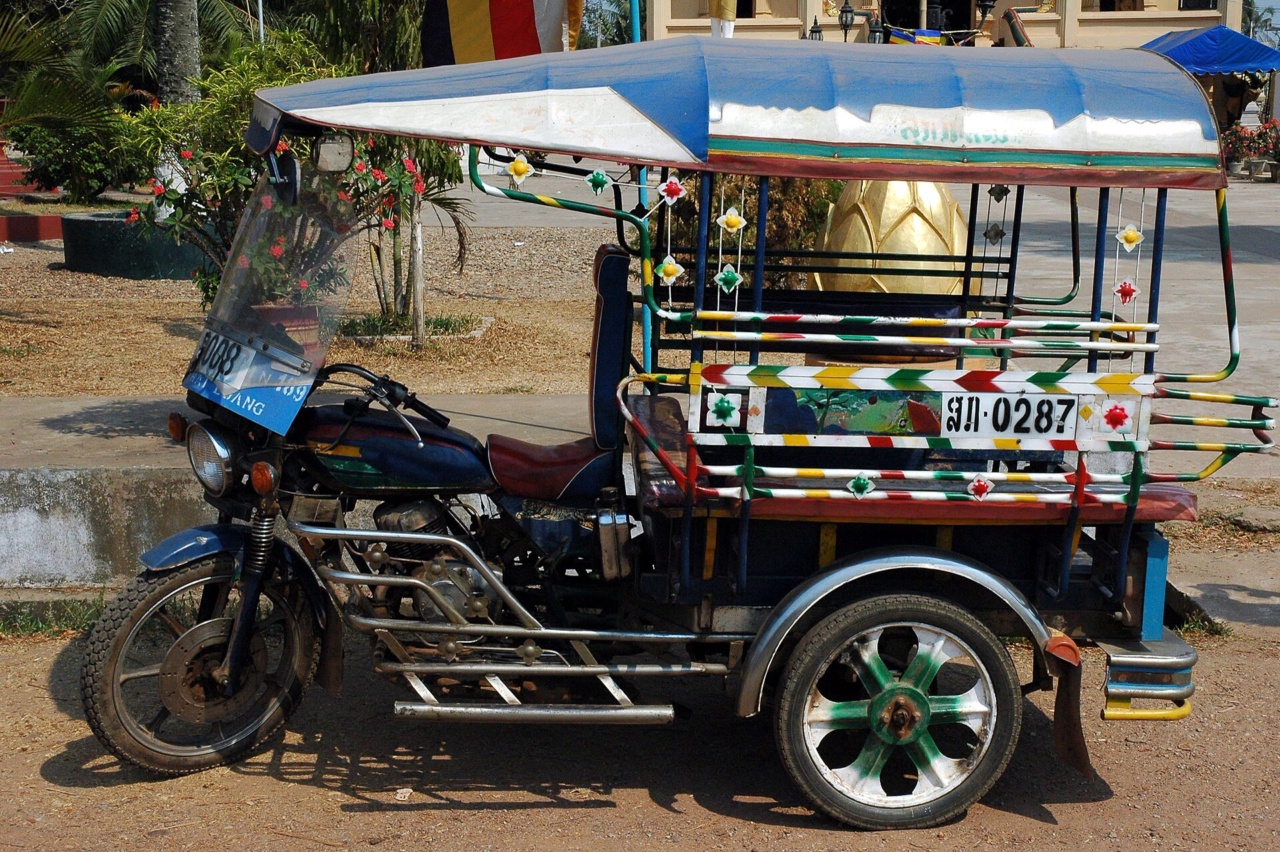
Tuk-tuks and jumbos: The most basic option, these open-air motorized vehicles are common for short hops in Vientiane and Luang Prabang. They are cheap and cheerful but offer no air conditioning and limited luggage space.
Sedans and SUVs: Private car transfers are the mid-range option. Expect air conditioning, a dedicated driver, and room for 2 to 3 passengers with luggage. They suit airport pickups and intercity transfers on paved routes.
Minivans: For groups, a private minivan offers the best balance of space and cost. Booking platforms list private vans for up to 9 passengers.[3] They handle winding mountain roads reasonably well and take larger luggage loads, which suits families or small tour groups.
VIP or luxury vehicles: A few operators in Vientiane and Luang Prabang offer higher-end SUVs or sedans with extras such as bottled water, suited to business travelers or those wanting extra comfort on longer routes.
For most travelers, a private sedan or minivan hits the sweet spot between affordability and comfort. Tuk-tuks work fine for solo travelers on short hops, but they lose their charm quickly on longer rides.
Booking and Tickets
Booking a transfer in Laos can be done several ways, and the right approach depends on where you are and how far ahead you plan.
Many hotels and guesthouses will arrange airport pickups for guests; simply email or message them before arrival. This is the most common method in smaller towns, since the driver will know exactly where to take you. The ride-hailing app LOCA shows fares up front, so there is no haggling, and it accepts cash, card or QR payment.[4] Online platforms let you compare transfer options and book in advance, which is especially useful for early-morning arrivals or late-night flights. GoAsia.cc is a handy resource for comparing transfer routes and providers across Laos.
Walk-up options exist at airports, where taxis and tuk-tuks wait outside arrivals. Prices tend to be higher than what you would pay by booking ahead, so agree on a fare before climbing in. The same applies at bus stations, where tuk-tuk drivers approach you as soon as you step off.
On booking platforms, a private van for up to 9 passengers from Thanaleng in Vientiane to Vang Vieng starts at about $181 and takes from about 2.5 hours (October 2026).[3] From Luang Prabang to Nong Khiaw, a private van starts at about $181 as well and takes from about 4.5 hours (October 2026).[5]
Lao kip is the local currency and cash is still common, especially outside the main cities. Some online platforms take cards at the time of booking. A booking confirmation on your phone is standard for pre-arranged transfers; just show it to the driver.
What to Expect on Board
The transfer experience in Laos is shaped above all by the roads. Roads in Laos are often in poor condition, and travel after dark significantly increases the risk of an accident because vehicles often lack lights and livestock strays onto the road.[6] Secondary roads can be narrow and winding, so a mountain transfer is not ideal for anyone prone to motion sickness.
Drivers in Laos tend to be quiet and courteous. Do not expect much English outside the main tourist centers, but most drivers who work with booking platforms or hotels will know the key routes and hotel names. Having your hotel address written in Lao script on your phone is a smart backup.
Luggage goes in the trunk or on a roof rack; in a tuk-tuk, bags sit beside you or at your feet. Baggage rules vary by operator and ticket. Before booking, check the operator's permitted size and weight, possible extra charges, and declare special baggage in advance. If you are traveling with oversized items like bicycles or surfboards, mention it at booking.
Air conditioning works in most private cars and minivans, though it can struggle on steep climbs in older vehicles. USB ports are rare outside premium services, so bring a portable charger.
Tips for Transfer Travel in Laos
Book airport transfers in advance for peace of mind. Having a driver waiting with your name on a sign removes a layer of stress, especially after a late arrival. Give the provider your flight number so delays can be followed.
Carry small bills. If you are paying cash, having the right change avoids awkward moments. Drivers rarely carry large amounts of change.
Confirm the price before departure. For any transfer not booked online, agree on the total fare in advance. This is standard practice and not considered rude.
Allow extra time on mountain roads. Routes that look short on a map can take hours because of elevation changes and road conditions.
Travel during daylight when possible. Because of the risks after dark, early-morning departures are both safer and more scenic.
Be mindful during rainy season. The rainy season normally runs from May to October, and flooding and landslides can disrupt road transport.[6] Transfers may take significantly longer, so check conditions before booking remote transfers during this period.
Tipping is appreciated but not mandatory. A small tip for a driver who handles your bags and navigates tricky roads is a kind gesture.
Download offline maps. An offline map of your route lets you follow along and confirm you are headed the right way, which is useful where signage is sparse and mostly in Lao script.
Sources and background
Numbers in the text such as [1] refer to these sources.