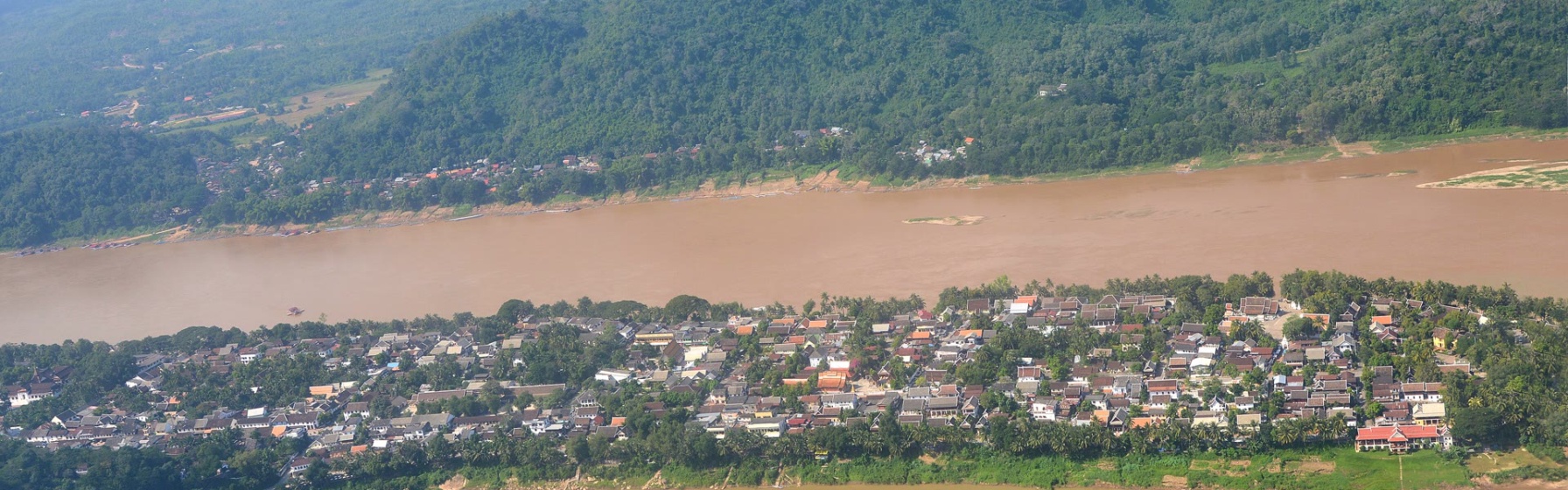
Laos is a landlocked country of mist-wrapped mountains, serpentine rivers, and roads that twist through some of Southeast Asia's most dramatic terrain. For decades, overland journeys here were measured not in kilometers but in hours of bone-rattling travel. Domestic flights changed that equation, compressing a long day on a bus into a short hop above the clouds. The aerial views alone - limestone karsts jutting from green valleys, the Mekong glinting below like hammered bronze - make flying in Laos an experience rather than just a transfer.
The Flight Network in Laos
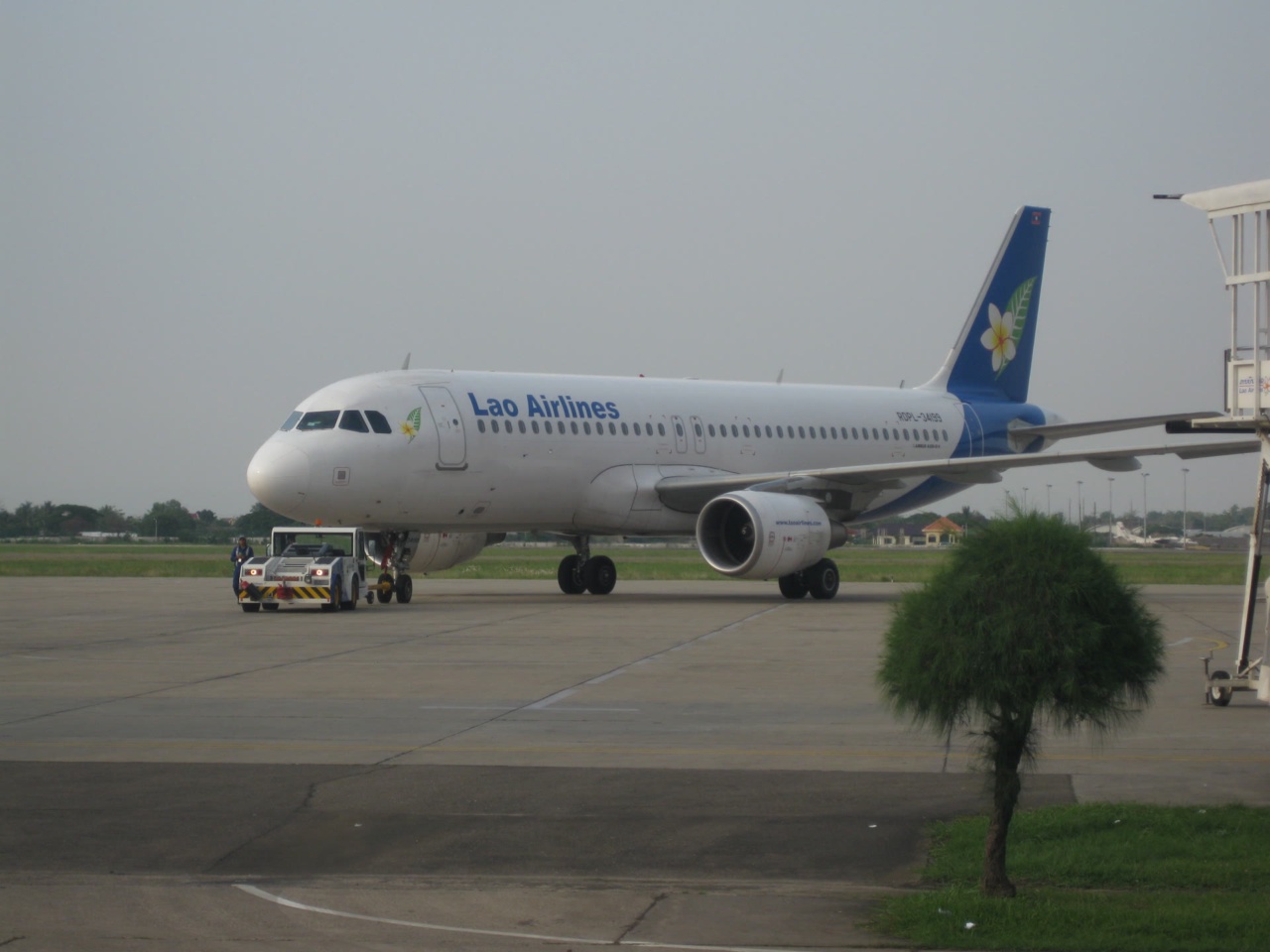
Laos has a compact but essential domestic flight network centered on Vientiane's Wattay International Airport, the country's main aviation hub. The dominant carrier is Lao Airlines, the national flag carrier. Its published domestic routes run from Vientiane to Luang Prabang, Xiangkhouang (Xieng Khouang), Oudomxay, Luang Namtha, Houaphan, Bokeo, Savannakhet and Pakse.[1]
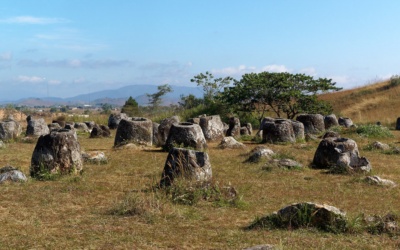
The most popular domestic route connects Vientiane to Luang Prabang, the UNESCO-listed former royal capital in the north, which is far quicker by air than by road. Other key routes link Vientiane to Pakse in the south (gateway to the Bolaven Plateau and the Khmer ruins of Wat Phou), Savannakhet in central Laos, and Xieng Khouang (for the mysterious Plain of Jars). Luang Namtha in the far north connects trekkers headed for the Nam Ha National Protected Area.
The network is limited in scope. The routes listed above all start in Vientiane, like spokes on a wheel, so traveling between two provincial cities often requires going through the capital. Lao Airlines reserves the right to change its schedule without notice, so it is wise to verify current route availability before building an itinerary around a particular flight.[2]
Fares and Comfort Levels
Domestic flights in Laos are straightforward affairs on regional aircraft, and the seats are comfortable enough for the short flight durations involved. Lao Airlines sells several fare families: Easy, Saving, Promo, Silver and Gold in economy, plus Business.[3] The fare family decides how much checked baggage you get (see below), so compare the conditions before you book.
Children under 12 who occupy a seat pay 75 percent of the full fare, and infants without a seat pay 10 percent.[3]
Booking and Tickets
Booking domestic flights in Laos is easiest online through the Lao Airlines website. You can also compare routes and check availability through platforms like GoAsia.cc, which can be especially helpful for seeing how flights fit alongside other transport options for multi-stop itineraries across the country.
Travel agents in Vientiane and Luang Prabang can also arrange tickets, and this remains a popular option for travelers who prefer face-to-face transactions or need help with more complex bookings. Airline offices at airports handle walk-up purchases, though availability can be tight during peak tourist season or around Lao holidays such as Pi Mai (Lao New Year) and Boun That Luang.
Advance booking is strongly recommended. Frequency is limited on some routes, and waiting until the last minute risks finding flights fully booked, particularly on the Vientiane to Luang Prabang corridor, which is popular with both tourists and domestic travelers. E-tickets are standard and can be presented on a smartphone, though having a printed copy is never a bad idea in Laos where digital infrastructure can be uneven.
What to Expect on Board
Flying domestically in Laos is an intimate affair. Aircraft are small, and the atmosphere on board tends to be quiet and relaxed. Smaller aircraft fly at lower altitudes than jets, which means the views from the window can be spectacular over the forested mountains of the north and the Mekong floodplains of the south.
Baggage rules depend on your fare. Economy passengers may take one carry-on piece of up to 7 kg. The Easy fare includes no checked baggage, the Saving, Promo, Silver and Gold fares allow 20 kg and Business allows 30 kg. On Luang Namtha to Vientiane and Oudomxay to Vientiane, the limit is 15 kg on one-way fares.[1] Excess baggage on Vientiane to Luang Prabang, Xiangkhouang, Oudomxay and Luang Namtha costs 3 USD per kg (71,000 LAK) since 15 April 2026.[1] Soft bags are easier to manage than rigid suitcases, and if you are carrying anything fragile or oversized, mention it at check-in.
Airports in Laos are small and easy to navigate. For domestic flights, online check-in opens 24 hours and closes 1 hour before departure, and the airport counter opens 2 hours 30 minutes before departure and closes 40 minutes before.[4] Departure lounges are basic, with limited food options, so eating before you arrive at the airport is a sensible move outside of Vientiane.
Tips for Flight Travel in Laos
Book early for the Luang Prabang route. This is by far the busiest domestic corridor. Seats fill quickly, especially during the cool season from November to February when tourism peaks. Securing your ticket well in advance avoids disappointment.
Be prepared for schedule changes. Flight times in Laos can shift, and occasional cancellations do occur, particularly during the rainy season when weather conditions in mountainous areas affect smaller aircraft. Build flexibility into your itinerary and avoid booking a domestic flight on the same day as an international connection with a tight layover.
Carry cash in Lao kip. While airports accept cards for ticket purchases, smaller airport shops and ground transport at provincial airports may only take cash. Having kip on hand smooths the transition from tarmac to tuk-tuk.
Confirm your flight the day before. A quick call to the airline or a check of the booking status online can save you a wasted trip to the airport. This is particularly important for less frequent routes.
Choose a window seat. The aerial scenery in Laos is genuinely stunning. Mountains, rivers, and patchwork rice paddies create a landscape that looks almost painted from above.
Arrange onward transport in advance. Provincial airports like Xieng Khouang and Luang Namtha are small and may have limited taxis or tuk-tuks waiting. Ask your guesthouse or hotel to arrange a pickup so you are not stranded.
Pack light but smart. Baggage limits depend on your fare, and excess baggage fees apply on several domestic routes, so packing efficiently pays off.
Sources and background
Numbers in the text such as [1] refer to these sources.